
Japan Studio Apartment Investment: Understanding 1R and 1K Units

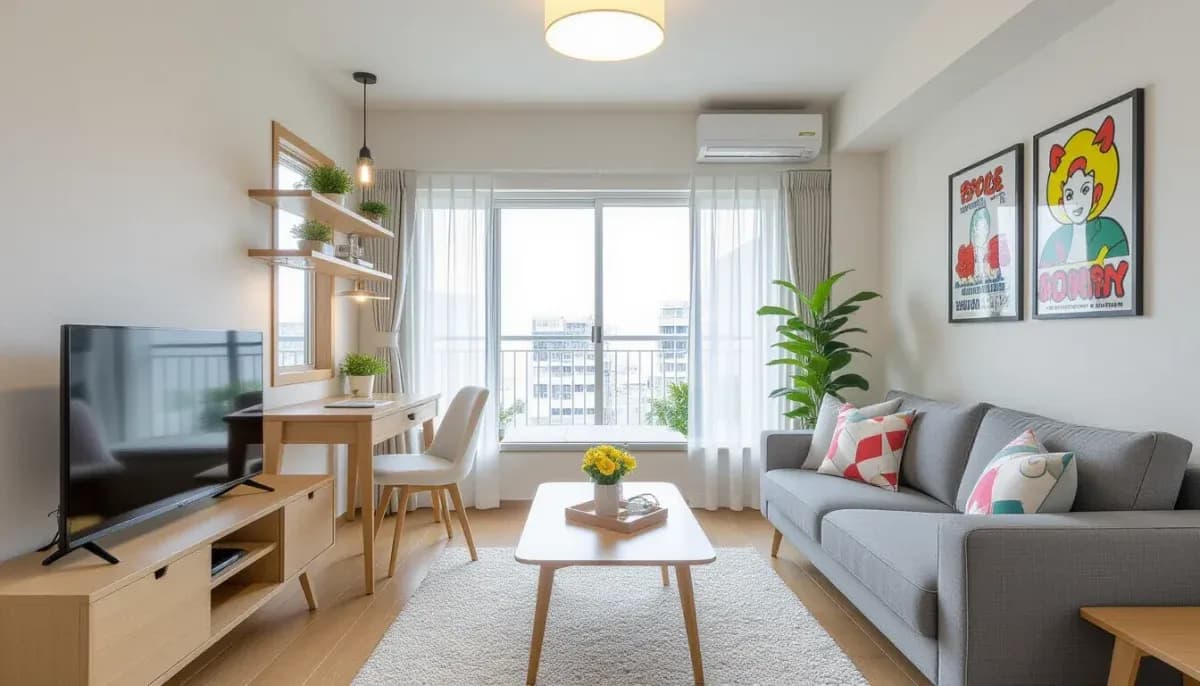
Complete guide to investing in Japan's 1R and 1K studio apartments as a foreigner. Covers prices, rental yields (4–6%), locations, legal rights, and management tips for overseas investors.
Japan Studio Apartment Investment: Understanding 1R and 1K Units
If you're a foreign investor eyeing Japan's real estate market, studio apartments — known locally as 1R (one room) and 1K (one room with separate kitchen) — are among the most accessible and popular entry points. Low purchase prices, consistent tenant demand, and a landlord-friendly legal environment make these compact units a compelling starting point. This guide breaks down everything you need to know: what these property types actually are, how they compare as investments, where to buy, and the practicalities of owning one as a foreigner.
What Are 1R and 1K Apartments?
Japan has a unique apartment classification system that combines the number of rooms with the type of common spaces included. Understanding the difference between 1R and 1K is fundamental before making any investment decision.
1R (One Room): A 1R unit is a single open-plan room where the kitchen, living, and sleeping areas occupy the same undivided space. These are typically the smallest apartment type available in Japan, ranging from about 13 to 20 square meters. The kitchen area is usually minimal — a single-burner stove, compact sink, and very limited counter space — with no physical separation from the rest of the room.
1K (One Room + Kitchen): A 1K apartment adds one critical feature over a 1R: a wall with a door separating the kitchen from the main living/sleeping room. This seemingly small difference has a big impact on livability and tenant appeal. The kitchen is usually 3–4.5 tatami mats (roughly 5–7 sqm), while the main room is a similar size. Total floor area typically falls between 18 and 30 square meters.
The letter additions you'll see in Japanese real estate listings stand for:
- R = Room (open-plan, no kitchen separation)
- K = Kitchen (separate kitchen with door)
- DK = Dining-Kitchen (larger kitchen/dining area)
- LDK = Living-Dining-Kitchen (full open living space with kitchen)
For investment purposes, 1K units command higher rents than comparable 1R units and tend to attract longer-staying tenants, while 1R units offer lower entry prices and appeal to budget-conscious students and short-term renters.
Investment Potential: Yields, Prices, and Market Demand
Japan's rental market continues to deliver attractive returns relative to many other developed economies. As of 2025, the national average gross rental yield stands at approximately 4.22–4.34%, with significant variation by city and property type.
| City | Average Gross Yield (2025) | Typical 1R Rent | Typical 1K Rent |
|---|---|---|---|
| Tokyo | 3.59% | ¥55,000–¥80,000 | ¥70,000–¥120,000 |
| Osaka | 4.26% | ¥40,000–¥65,000 | ¥55,000–¥90,000 |
| Fukuoka | 4.8–5.5% | ¥35,000–¥55,000 | ¥45,000–¥70,000 |
| Sapporo | 5.0–6.0% | ¥30,000–¥50,000 | ¥40,000–¥65,000 |
| Nagoya | 4.5–5.2% | ¥38,000–¥60,000 | ¥50,000–¥80,000 |
Purchase prices for studio apartments vary widely by location. In central Tokyo (23 wards), a basic 1R can start from around ¥5–8 million, while a well-located 1K in a desirable area might cost ¥10–20 million. In Osaka and Fukuoka, comparable units cost significantly less, which is why many foreign investors find these cities more accessible.
Tokyo's 23 wards saw residential rents increase 6.4% year-over-year in Q4 2024, reflecting strong underlying demand. Meanwhile, platforms specializing in Japan real estate investment note that studio apartments with expected yields of 4–6% and initial capital requirements of ¥5–20 million are the most common entry point for first-time investors.
For a detailed look at broader market conditions, see our Japan Real Estate Market Overview and Trends.
1R vs. 1K: Which Is the Better Investment?
The choice between 1R and 1K depends on your investment goals, target tenant demographic, and budget. Here's a direct comparison:
Lower Entry Price: 1R apartments are cheaper to acquire. In Tokyo, the price gap between a 1R and 1K in the same building can be ¥2–5 million, meaning a 1R can offer slightly higher yield on a lower capital base — though this advantage narrows when you factor in higher vacancy rates.
Tenant Stability: 1K units attract tenants who plan to stay longer. The separate kitchen makes daily life more comfortable, meaning tenants are less likely to move after a single year. Longer tenancies reduce your vacancy and re-leasing costs (which include cleaning fees, advertising, and key-money negotiations).
Vacancy Risk: 1R apartments near universities benefit from steady student demand but see higher turnover as students graduate and move on every 2–4 years. 1K apartments in office districts attract working professionals who tend to renew leases.
Location Sensitivity: 1R apartments in areas without a strong student or young professional population can suffer from higher vacancy. 1K apartments are more versatile — they appeal to students, young professionals, couples without children, and short-term business renters alike.
Practical Recommendation: For first-time foreign investors, a 1K unit in a well-connected urban area (within 10 minutes' walk of a major train station) typically offers the best balance of demand stability, tenant quality, and manageable vacancy risk. You can read more about purchasing decisions in our Types of Properties Available in Japan Complete Guide.
Can Foreigners Buy Studio Apartments in Japan?
Yes — and with fewer restrictions than you might expect. Japan imposes no nationality-based restrictions on property ownership. Foreigners have the same legal rights as Japanese citizens to purchase apartments, condos, and land. There are no minimum investment thresholds, no special permits required, and no restrictions tied to your visa type.
That said, there are practical considerations:
Financing: Without permanent residency (PR), securing a Japanese mortgage is challenging. Most lenders require PR status, a Japanese spouse, or at least three or more years of stable employment in Japan. Foreign investors without PR typically need to bring 30% or more as a down payment — and many simply purchase with cash. If you're considering financing options, our Mortgages and Home Loans for Foreigners in Japan guide covers lenders who work with non-resident buyers.
Tax Registration: Non-resident foreign buyers must report acquisitions to Japan's central bank within 20 days of purchase for transactions that meet certain thresholds.
Ongoing Costs: Budget approximately 10% of the purchase price for acquisition costs: real estate agent fees (typically 3% + ¥60,000), registration taxes, judicial scrivener fees, and fire insurance. Annual ownership costs include fixed asset tax (roughly 1.4% of assessed value) and, for condominiums, monthly management fees and repair reserve fund contributions.
See the detailed breakdown at our Hidden Costs and Fees When Buying Property in Japan article.
For expert guidance on property purchases in Japan, Living in Nihon's guide to buying property and mortgages for foreigners provides an in-depth walkthrough of the legal and financial process.
Best Locations for 1R and 1K Investment
Not all locations are created equal for studio apartment investment. Here are the key factors to evaluate and standout markets:
Station Proximity: In Japan, being within a 5–10 minute walk of a major train or subway station dramatically increases rental demand and achievable rent. For studio apartments targeting single professionals, this is non-negotiable.
University Districts: Areas surrounding major universities (Waseda, Keio, Tokyo University, Osaka University, etc.) generate consistent 1R demand from students. However, yields can be cyclical and vacancy spikes in April when the academic year begins.
Office Districts: 1K units near major business districts (Shinjuku, Shibuya, Umeda, Namba, Hakata) attract stable working-professional tenants with lower turnover.
Emerging Cities: Fukuoka, Sapporo, and Sendai offer yields 1–2 percentage points higher than Tokyo on comparable assets, with growing populations and improving infrastructure. Fukuoka in particular has seen strong inbound migration as a tech and startup hub.
For city-specific guidance:
- Buying Property in Tokyo as a Foreigner
- Buying Property in Osaka as a Foreigner
- Buying Property in Fukuoka and Kyushu as a Foreigner
For broader investment strategy and understanding how studio apartments fit into a Japan real estate portfolio, Gaijin Buy House's real estate investment guide for foreigners covers yields, financing, and management options in detail.
Managing Your Studio Apartment Investment
Owning a studio apartment in Japan doesn't require you to be physically present — a fact that makes 1R and 1K units particularly attractive to overseas investors.
Property Management Companies: Most foreign investors use professional property management companies (管理会社, kanri gaisha) that handle tenant screening, rent collection, maintenance, and vacancy management for a monthly fee of typically 5–10% of the collected rent. Some companies specialize in working with foreign landlords and offer English-language communication.
Tenant Screening: Condominiums in Japan typically require tenants to provide a guarantor (保証人, hoshounin) or use a rent guarantee company. As a landlord, you're entitled to specify screening criteria, and most management companies handle this process on your behalf.
Lease Terms: Standard Japanese residential leases are 2-year renewable fixed-term or standard contracts. Evicting a non-paying tenant is legally complex and slow, so tenant screening upfront is important.
Depreciation and Tax: Japan's tax system allows landlords to depreciate building value over time (wooden structures: 22 years; concrete: 47 years). For foreign investors, rental income from Japanese property is subject to Japanese income tax, and you'll typically need to file an annual tax return with a Japanese tax accountant or use a management company that offers this service.
For guidance on managing ongoing costs and taxes, see our Property Taxes and Annual Costs of Owning Property in Japan article. The For Work in Japan housing and living infrastructure guide also covers practical aspects of Japanese housing that are useful for both renters and investor-landlords.
Key Risks to Understand Before Investing
Studio apartment investment in Japan has genuine advantages, but it's important to go in with clear eyes about the risks:
Aging Building Stock: Many affordable 1R and 1K units were built during Japan's economic boom era (1970s–1990s). Buildings over 30 years old may face growing repair reserve fund contributions and eventually a large-scale renovation assessment. Always check the building's repair history and reserve fund balance before buying.
Declining Population: Japan's population is shrinking nationally, and while major cities remain robust, smaller regional cities face real vacancy risk. Stick to areas with demonstrated demand — universities, major employers, or transit hubs.
Liquidity: Small, older studio apartments in less desirable areas can be difficult to sell when you want to exit. Tokyo's market is far more liquid than secondary cities.
Yen Exchange Risk: Non-yen investors face currency exposure. Rental income is paid in yen, and while Japan's current interest rate environment keeps the yen relatively weak, future appreciation could affect your home-currency returns.
Management Quality: Not all property management companies are equal. Language barriers and distance can make it harder for foreign investors to monitor performance. Choose a manager with a track record of serving overseas clients.
For a comprehensive overview of what to expect as a foreign buyer, the Step-by-Step Home Buying Process in Japan for Foreigners guide walks through the full transaction process.
Getting Started: Practical Next Steps
If you're ready to explore 1R or 1K investment in Japan, here's a practical roadmap:
- Define your budget — include the purchase price plus the 10% acquisition cost buffer and initial repairs if needed.
- Choose your market — Tokyo for stability and liquidity, Osaka or Fukuoka for higher yields.
- Engage a bilingual real estate agent — many Japanese brokers now have English-speaking staff or foreign investor divisions.
- Research property management options before you buy, not after. Confirm the management company can handle your needs remotely.
- Consult a tax accountant familiar with both Japanese real estate tax and your home country's tax treaties with Japan.
- Review the building's repair reserve and any upcoming assessments — this is critical for condominiums.
For comprehensive guidance on the full legal and purchasing process, our Complete Guide to Buying Property in Japan as a Foreigner is the best starting point.
For additional market data and investment comparisons between Tokyo and Osaka, Nippon Tradings' rental yield comparison provides current data to help you choose your target market. For broader market trend analysis, Tokyo Portfolio's Japan real estate market trends covers 2025 forecasts and city-by-city data.
Japan's 1R and 1K studio apartments offer one of the most accessible paths into a transparent, regulated real estate market with genuine yield potential. Whether you're targeting a single unit in Osaka for passive income or building a small portfolio in a university district, understanding the fundamentals covered here will help you make a better-informed investment decision.

Originally from Vietnam, living in Japan for 16+ years. Graduated from Nagoya University, with 11 years of professional experience at Japanese and international companies. Sharing information about buying property in Japan for foreigners.
View Profile →Related Articles
Japan Property Grading: How Mansions and Buildings Are Evaluated
Understand Japan's property grading systems including seismic resistance grades (1-3), Housing Performance Indication (10 indicators), CASBEE, BELS, and building structure types RC/SRC — essential knowledge for foreign buyers of mansions and houses.
Read more →
Japan Building Age Categories: New Build vs Used Property Standards
Understand Japan's building age categories — kyu-taishin, shin-taishin, post-2000, and new build standards. Essential guide for foreigners buying property in Japan, covering seismic standards, depreciation, and what to check before buying.
Read more →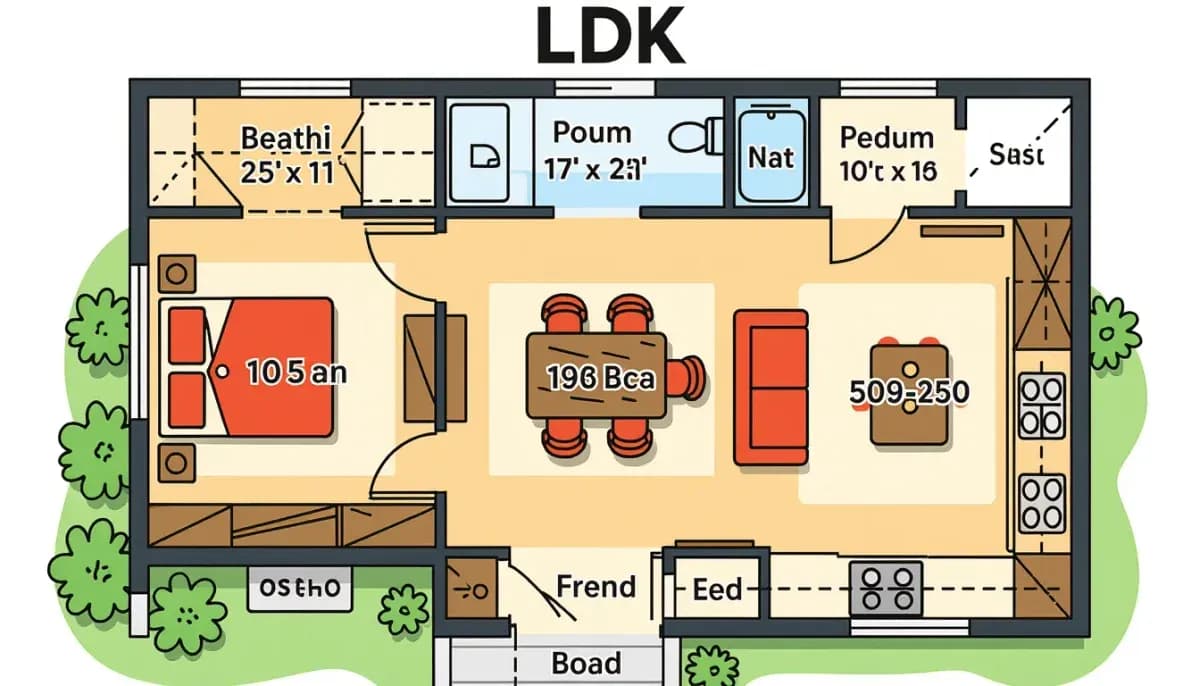
How to Read Japan Property Floor Plans: A Visual Guide
Learn to read Japanese property floor plans with confidence. Understand LDK notation, tatami measurements, floor plan symbols, and common room labels used in Japan real estate listings.
Read more →
Japan Mixed-Use Properties: Residential and Commercial Combined
Complete guide to buying mixed-use residential and commercial property in Japan as a foreigner. Covers zoning laws, financing, investment returns, and the step-by-step buying process.
Read more →
Japan Garage Houses: Properties for Car Enthusiasts
Everything foreign car enthusiasts need to know about buying a garage house in Japan — built-in garage types, tax benefits, costs, design features, and how foreigners can purchase property with full ownership rights.
Read more →
Japan Penthouse and Luxury Apartment Guide
Complete guide to buying or renting a penthouse or luxury apartment in Japan as a foreigner. Covers prices, locations, legal rules, guarantor requirements, and top buildings in Tokyo and beyond.
Read more →