
Japan Garbage Disposal and Recycling Rules for Homeowners

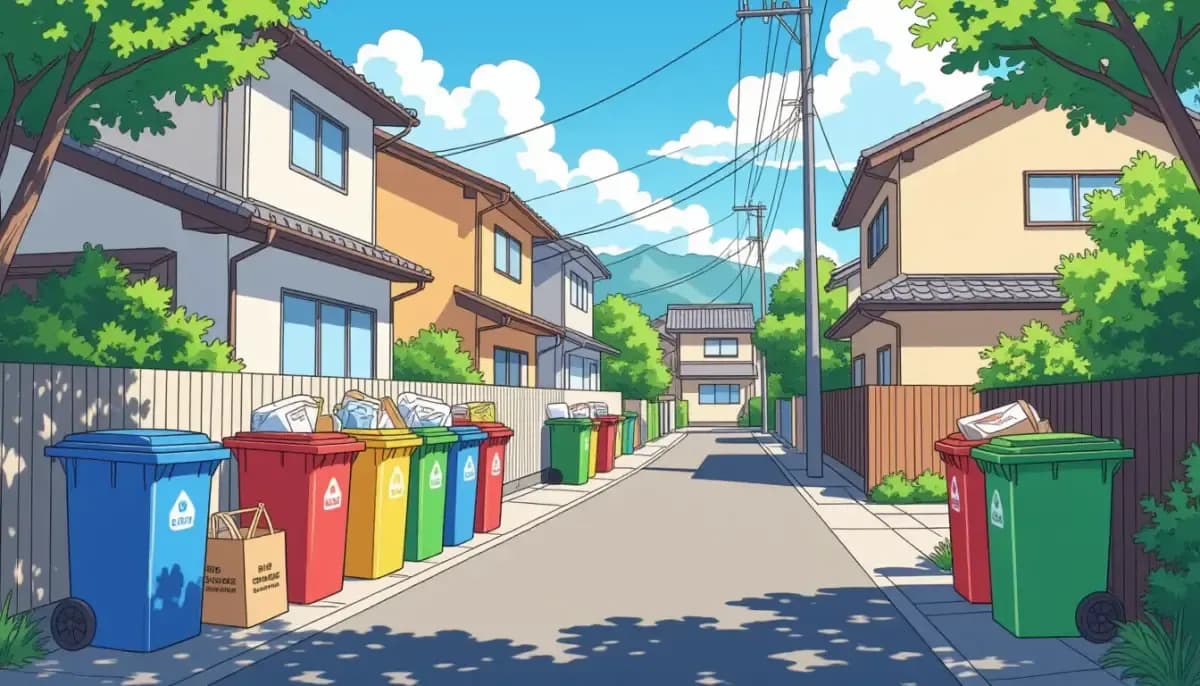
Complete guide to Japan's garbage disposal and recycling rules for foreign homeowners. Learn waste categories, collection schedules, oversized item disposal, appliance recycling law, and how to avoid fines and neighbor disputes.
Japan Garbage Disposal and Recycling Rules for Homeowners
Moving into a home in Japan is exciting — but one of the first real challenges many foreign homeowners face is Japan's garbage disposal and recycling system. According to surveys, 41% of foreign residents cite garbage disposal as their single biggest challenge when settling into Japanese life. Miss the wrong collection day, use the wrong bag color, or put plastic in the burnable bin, and your trash may sit uncollected — drawing the attention (and complaints) of neighbors.
This guide explains everything you need to know about Japan's waste separation rules, collection schedules, oversized item disposal, special appliance recycling, and how to avoid costly or embarrassing mistakes as a foreign homeowner.
Understanding Japan's Waste Classification System
Japan does not have a single nationwide standard for garbage separation. Rules vary significantly by municipality — what is "recyclable plastic" in one ward may be counted as "burnable waste" in the next. That said, most local governments use a similar four-to-six category framework:
| Category | Japanese | Typical Items | Collection Frequency |
|---|---|---|---|
| Burnable (Combustible) | 燃えるごみ / 可燃ごみ | Kitchen scraps, tissues, small paper, rubber, leather, clothing, diapers, cooking oil | 2x per week |
| Non-Burnable (Non-Combustible) | 燃えないごみ / 不燃ごみ | Glass, ceramics, metal items, spray cans, lighters, small electronics | 1–2x per month |
| Plastic Containers & Packaging | プラスチック | Cleaned food containers, Styrofoam, plastic bags, hangers, toothbrushes | 1x per week |
| Recyclables (PET/Cans/Glass) | 資源ごみ | PET bottles (rinsed, caps removed), aluminum cans, glass bottles/jars | 1x per week |
| Paper & Cardboard | 紙類 / 段ボール | Newspapers, magazines, cardboard (sorted separately) | 1–2x per month |
| Oversized Items | 粗大ごみ | Furniture, large appliances, bicycles | By appointment |
Your first step: Visit your local city or ward office (市区役所) and request their official waste sorting guide. Most municipalities now provide these in English, Chinese, Korean, and other languages — and many have free smartphone apps with searchable waste sorting databases.
The Golden Rules: When and How to Put Out Trash
Japan's waste collection is not just about sorting — it is about following precise behavioral rules. Violations can lead to uncollected rubbish, neighbor disputes, and even warnings from your building management or property manager.
Rule 1: Put trash out on the correct morning — before 8:00 AM. Collection stations are monitored by local volunteer caretakers (当番, touban). Trash placed out the evening before is against the rules in virtually every municipality. It attracts crows, cats, and rats, and your neighbors will notice. Collection mornings start early, so if in doubt, set an alarm.
Rule 2: Use the correct designated bags. Most municipalities require transparent or semi-transparent plastic garbage bags. Some cities (like Nagoya and many regional municipalities) require specific purchased "designated bags" (指定袋) sold at supermarkets and convenience stores. Tokyo's 23 wards currently allow any clear bag — but opaque black bags are typically rejected.
Rule 3: Use your assigned collection station only. Each household is assigned a specific garbage collection station (ごみ集積所). You cannot use just any nearby station. When you move in, confirm your assigned station with your real estate agent, landlord, or building manager.
Rule 4: Separate waste correctly every time. Collection staff will leave stickers on bags that contain incorrectly sorted items — and the bag is left uncollected. Repeat violations can lead to management company warnings and, in extreme cases, lease termination.
For more on navigating neighborhood expectations as a foreign homeowner, see our guide to Japanese neighborhood introduction customs and etiquette and joining the community association (Jichikai/Chonaikai) in Japan.
Burnable and Non-Burnable Waste: What Goes Where
Japan incinerates over 70% of its municipal solid waste — the highest incineration rate of any industrialized nation. This is largely because Japan's mountainous geography limits available landfill space. As a result, the distinction between burnable and non-burnable waste is critical.
Burnable waste typically includes:
- Kitchen scraps (vegetable peels, cooked food, coffee grounds — drain excess water first)
- Tissues, paper napkins, small paper scraps (not clean recyclable paper)
- Rubber and leather items
- Clothing and fabrics
- CDs, videotapes, cassettes
- Disposable diapers (drained of liquid)
- Cooking oil (absorbed in newspaper or solidified with a product)
- Plastic items NOT labeled with the recycling triangle symbol (varies by municipality)
Non-burnable waste typically includes:
- Glass bottles, ceramics, porcelain
- Metal items (pots, pans, hangers, small tools)
- Spray cans and gas canisters (puncture to release remaining gas first, or follow local guidance)
- Lighters (empty of fuel)
- Small electronics (under roughly 30 cm in size)
- Items combining multiple materials (e.g., umbrella with metal and plastic)
Important: Always drain or clean items before disposal. Wet kitchen waste should be drained as much as possible to reduce odor and weight.
Recycling Rules: PET Bottles, Cans, Glass, Paper, and Plastic
Japan's recycling categories require attention to preparation. Simply placing items in the recycling bin is not enough — they must be cleaned and sometimes disassembled.
PET Bottles (ペットボトル):
- Remove the cap and label (caps go to plastic recycling)
- Rinse the inside with water
- Crush the bottle flat if space allows
- Do NOT include oil bottles or non-food-grade PET containers in this category
Cans (缶):
- Aluminum and steel cans — rinse and drain
- Aerosol cans are usually non-burnable (not recyclable) — puncture safely first
- Japan's steel can recycling rate is 92.9%, one of the highest in the world
Glass Bottles and Jars:
- Rinse clean
- Remove metal lids (these go to non-burnable or recyclable metal)
- Some municipalities separate clear, brown, and other-colored glass
Paper and Cardboard:
- Bind newspapers, magazines, and cardboard separately with string
- Cardboard boxes must be broken down flat
- Paper with food grease (pizza boxes, oily wrapping) typically goes to burnable waste
- Shredded paper: check local rules (some areas accept in bags, others reject)
Plastic Containers and Packaging:
- Items marked with the plastic recycling symbol (プラ)
- Must be clean — food residue disqualifies an item for recycling
- Examples: yogurt containers, tofu trays, instant noodle cups (rinsed), plastic bags, Styrofoam
For a comprehensive overview of utility setup and home management when you first move in, see setting up utilities in Japan: electricity, gas and water guide and our moving to Japan checklist for new homeowners.
For expert guidance on living rules in Japan, Living in Nihon's complete guide to Japan's garbage separation rules is an excellent resource for foreign residents navigating these systems.
Oversized Item Disposal (粗大ごみ, Sodai Gomi)
Oversized waste — furniture, large appliances, bicycles, mattresses — cannot simply be placed at the regular collection station. Japan has a specific process that must be followed.
Step-by-step process for oversized item disposal:
- Contact your municipality's oversized waste center (粗大ごみ受付センター) — by phone, online, or at the ward office. Many cities now have English-language booking options.
- Schedule a collection date. Pickup may take 1–4 weeks depending on your area and season.
- Purchase a disposal sticker (処理券). These are sold at convenience stores (FamilyMart, Lawson, 7-Eleven) and some supermarkets. Sticker prices typically range from ¥200 to ¥3,000+ depending on item size.
- Attach the sticker to the item and place it at the designated collection point on the scheduled morning.
Alternatively, you can bring oversized items directly to the municipal waste processing center (クリーンセンター) yourself if you have access to a vehicle. This is usually cheaper.
Self-disposal option: Many second-hand shops (リサイクルショップ) and online platforms (Mercari, Jimoty, Junk Style) will purchase or collect used furniture and appliances for free — avoiding disposal fees entirely.
For practical tips on furniture costs and second-hand shopping when furnishing a new home in Japan, see our guide to furniture and appliance costs for your new home in Japan.
Home Appliance Recycling Law: TVs, Refrigerators, Washing Machines, and Air Conditioners
Japan's Home Appliance Recycling Law (家電リサイクル法) mandates that four major household appliances be recycled through a separate, paid system. These items cannot be disposed of as oversized waste or regular garbage.
The four covered appliances are:
- Televisions (CRT and flat-panel)
- Air conditioners (room units)
- Refrigerators and freezers
- Washing machines and dryers
How to dispose of covered appliances:
- Option 1: Through the retailer. When purchasing a replacement, the retailer is legally required to collect the old unit. A recycling fee applies (¥1,000–¥6,000 depending on the item).
- Option 2: Through the manufacturer. Contact the original manufacturer directly to arrange collection.
- Option 3: Via your municipality. Contact the city or ward office for guidance — they can direct you to an approved collection point.
Note for homeowners purchasing older properties: If you're inheriting appliances from a previous owner, verify their age and functionality. Old units may need to be disposed of under this law. For comprehensive guidance on property inspections and what to check when buying older homes, see our step-by-step home buying process in Japan for foreigners.
The For Work in Japan housing and living infrastructure guide covers additional aspects of waste disposal rules relevant to foreigners managing a home in Japan.
Legal Consequences of Improper Waste Disposal
Japan treats illegal waste disposal seriously. The consequences range from social friction to criminal penalties.
Social and administrative consequences:
- Trash left uncollected with a violation sticker attached
- Neighborhood caretakers investigating and returning garbage bags to violators
- Warnings from building management companies
- Potential lease termination for persistent violations in rental properties
- Community association (自治会) social pressure and reduced cooperation
Legal penalties:
- Illegal dumping (不法投棄) is a criminal offense under the Waste Management Law
- Penalties: up to 5 years imprisonment or a ¥10 million fine (or both)
- Cameras are installed at many collection stations and popular illegal dumping sites
- Municipal enforcement officers conduct inspections of trash for identifying information
Even minor violations — wrong bag, wrong day, wrong station — are noted by neighbors and caretakers. In close-knit Japanese neighborhoods, this kind of friction can significantly affect your quality of life as a homeowner.
Finding Your Local Rules and Multilingual Resources
Because rules vary so much between municipalities, always verify your local specifics:
Where to find official local rules:
- Your city/ward/town office (市区町村役場) — request the multilingual waste guide on your first visit
- Official municipal websites — search "[your city name] garbage collection" in English
- Your property management company or real estate agent (ask when you move in)
- Smartphone apps: Many cities have free apps with searchable waste categories in multiple languages (e.g., Tokyo's "Sodai Gomi Naviapp", various ward apps)
Key multilingual resources:
- Most municipalities provide guides in 8+ languages including English, Chinese, Korean, Portuguese, Vietnamese, and Tagalog
- Japan's national portal for foreign residents (mirairo.jp) provides living guides
- E-Housing's 2025 guide to Japanese recycling rules and garbage disposal in Tokyo is an excellent English-language reference
- Expat's Guide to Japan — Garbage Disposal provides a detailed breakdown of waste categories for foreign residents
- Japan Guide's waste disposal overview is another helpful English reference for understanding regional differences
When you move in, ask your building manager or real estate agent:
- Which days are collection days for each waste category?
- Where is my assigned collection station?
- Do I need to purchase specific designated bags?
- Are there any building-specific rules for the garbage area?
- Who is the building's garbage area caretaker (if applicable)?
For additional guidance on navigating the community rules and home setup process, Gaijin Buy House is a useful resource for foreign property buyers in Japan navigating homeownership realities.
See also our related guides: Japanese neighborhood introduction customs and etiquette, community association (Jichikai/Chonaikai) in Japan, and natural disaster preparedness for homeowners in Japan.
Quick Reference: Japan Waste Disposal Dos and Don'ts
| Do | Don't |
|---|---|
| Put trash out before 8:00 AM on collection day | Put trash out the night before |
| Use transparent or designated bags | Use opaque black bags |
| Rinse all recyclable containers | Put dirty/unwashed plastics in recycling |
| Remove caps and labels from PET bottles | Put PET bottles with caps in the recycling bin |
| Book oversized items in advance | Leave furniture at the collection station without booking |
| Contact the municipality for large appliances | Put TVs, ACs, fridges, or washing machines in oversized waste |
| Check local rules when you move in | Assume rules are the same across municipalities |
| Drain and dry kitchen waste | Put wet food waste in thin bags without drainage |
Japan's garbage system can feel overwhelming at first — but once you understand your local schedule and categories, it becomes routine. The key is to take time upfront: visit your ward office, get the multilingual guide, and confirm your schedule and station with your property manager. Getting this right not only keeps you in good standing with your neighbors, but also reflects a commitment to participating in the community as a responsible homeowner in Japan.
For more on managing your new home in Japan, see our complete guide to moving to Japan and setting up your new home and setting up utilities in Japan: electricity, gas and water.

Originally from Vietnam, living in Japan for 16+ years. Graduated from Nagoya University, with 11 years of professional experience at Japanese and international companies. Sharing information about buying property in Japan for foreigners.
View Profile →Related Articles
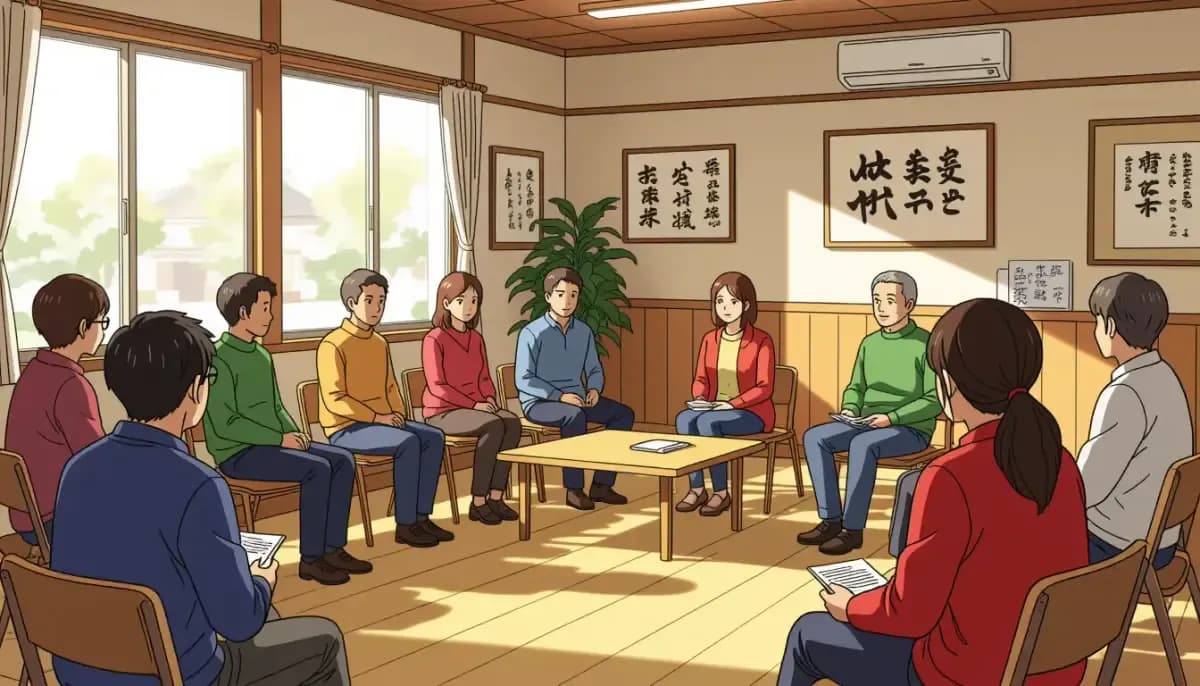
Joining the Community Association (Jichikai/Chonaikai) in Japan
Learn how to join Japan's neighborhood association (jichikai or chonaikai) as a foreigner. Covers fees, activities, practical tips, and how to integrate into your local Japanese community.
Read more →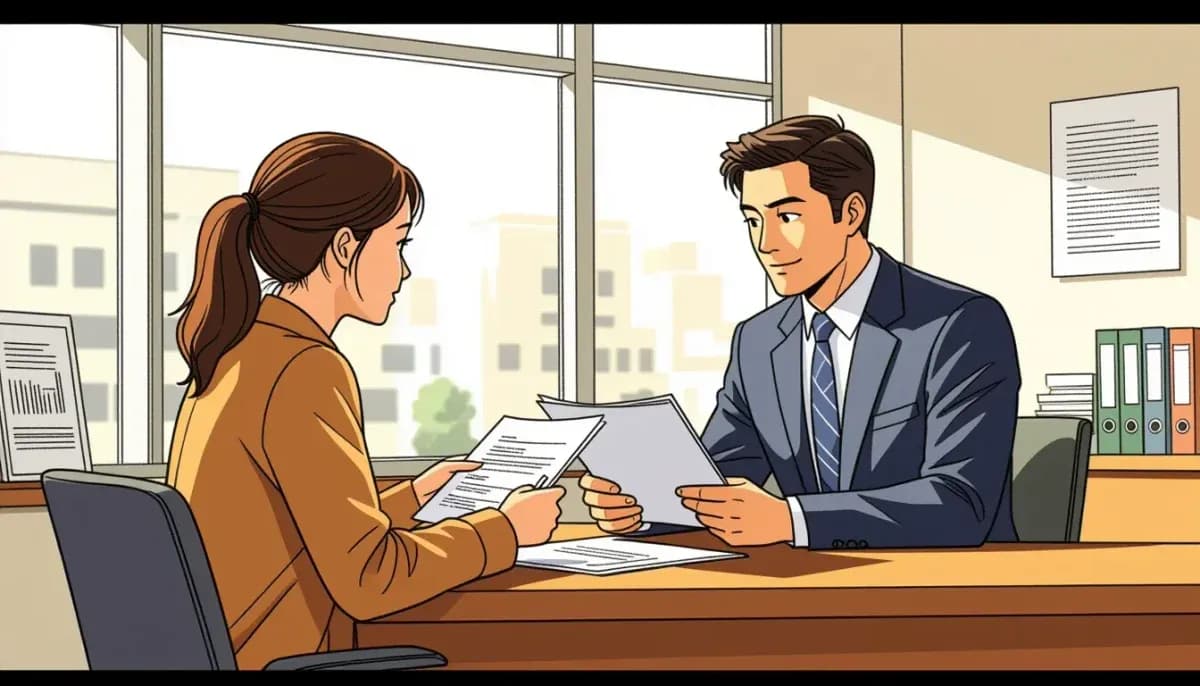
Local Government Services for New Residents in Japan
Complete guide to local government services for new foreign residents in Japan: address registration, health insurance, national pension, My Number, and multilingual support at city hall.
Read more →
Japan Home Maintenance Seasonal Calendar and Guide
Complete seasonal home maintenance calendar for foreign homeowners in Japan. Covers rainy season mold prevention, typhoon prep, winter condensation, osoji deep cleaning, and long-term repair budgeting.
Read more →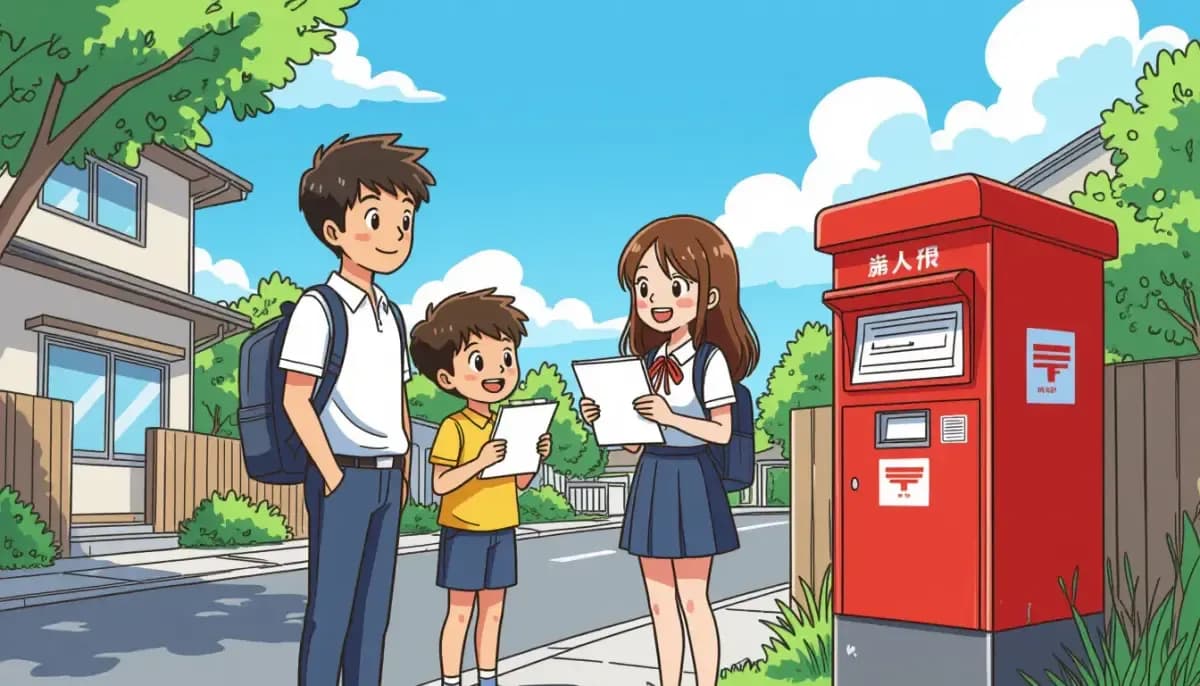
Japan Postal and Mail System Setup Guide for New Homes
Complete guide to setting up mail at your new Japanese home: Tenkyo Todoke forwarding, mailbox setup, missed deliveries, and notifying important institutions as a foreign resident.
Read more →
Juuminhyou (Resident Registration) Guide for Property Owners in Japan
Complete guide to juuminhyou (juminhyo) for foreign property owners in Japan. Learn how to register, obtain copies, and meet the April 2024 name registration requirements for property transactions.
Read more →
Home Security System Options in Japan for Foreign Owners
Complete guide to home security systems in Japan for foreign owners and expats. Compare SECOM, ALSOK, Leafee, Secual, and DIY options with costs and rental rules.
Read more →