Moving to Japan and Setting Up Your New Home: The Complete Expat Guide
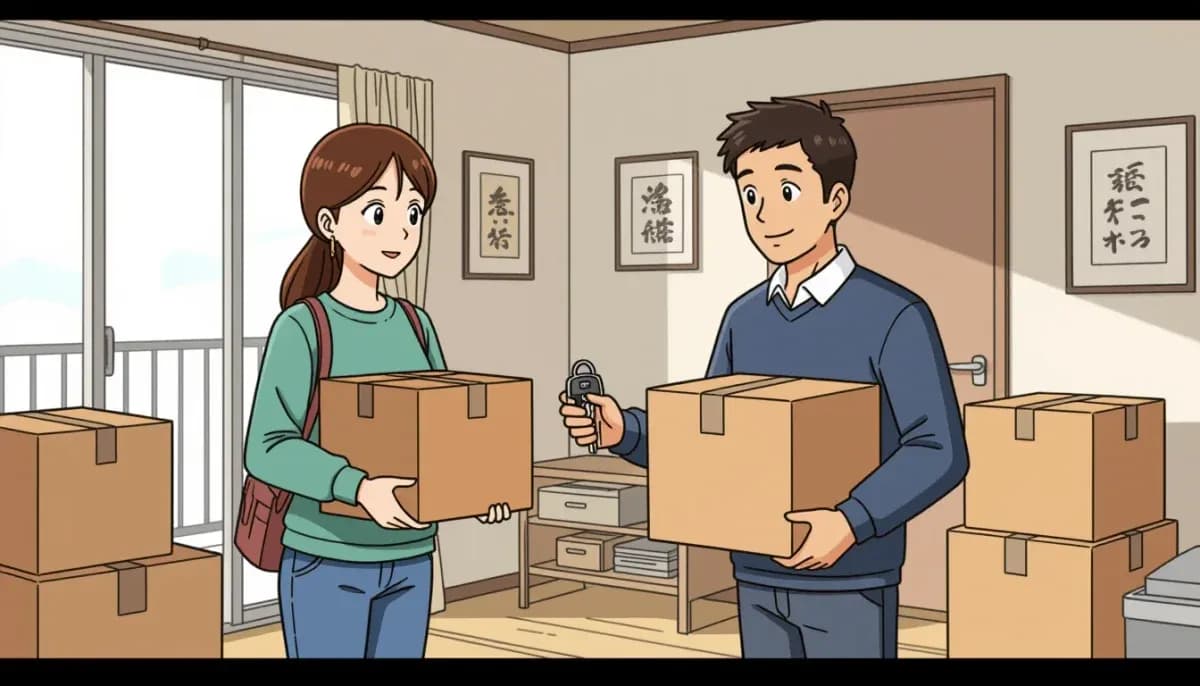
Moving to Japan is one of the most exciting life decisions you can make — but it comes with a steep learning curve. From securing your apartment to navigating the labyrinth of utility contracts, city hall registrations, and garbage sorting rules, the first few weeks can feel overwhelming. This guide walks you through every step of moving to Japan and setting up your new home, so you can settle in with confidence.
Step 1: Finding and Securing Your First Apartment
The first challenge for any newcomer is finding a place to live. Japan's rental market has a reputation for being difficult for foreigners — applicants with non-Japanese names can face a 13% lower acceptance rate compared to Japanese applicants. But with the right approach, you can find a great home.
Where to Search
- SUUMO, HOMES, At Home — Japan's largest property portals; some have English-language filters
- English-speaking agencies — Able, Plaza Homes, and Sakura House cater to foreigners
- UR Urban Renaissance Agency — government-backed rental housing with no guarantor requirement and no key money; ideal for newly arrived expats
- Share houses and guest houses — great short-term options while you look for a permanent apartment
What You'll Need to Rent
Most standard apartment contracts require:
- A valid residence card (在留カード, zairyu kado)
- Passport
- Income proof (pay stubs, employment letter, or bank statements)
- Emergency contact (Japanese resident preferred)
- A guarantor — either a Japanese resident or a guarantee company (保証会社), which charges around 30–50% of one month's rent
For a full walkthrough of the rental screening process, see the Complete Housing Search Guide at Living in Nihon.
How Much Will It Cost to Move In?
Moving into a Japanese apartment requires a large upfront payment. Expect to pay 4–6 months' rent before you even set foot in your new home.
| Expense | Typical Amount | Notes |
|---|
| Security deposit (敷金) | 1–2 months' rent | Refundable at move-out |
| Key money (礼金) | 0–2 months' rent | Non-refundable gift to landlord |
| Broker fee | 0.5–1 month's rent | Paid to the real estate agency |
| Advance rent | 1 month | Pre-paid first month |
| Guarantee company fee | 30–50% of 1 month's rent | If no Japanese guarantor |
| Fire insurance | ¥15,000–20,000/year | Usually mandatory |
Example: For a ¥70,000/month apartment, expect ¥280,000–420,000 upfront in total move-in costs.
For a deeper understanding of what to check before signing, the Property Viewing Checklist at Gaijin Buy House is an excellent resource.
Step 2: Registering Your Address at City Hall
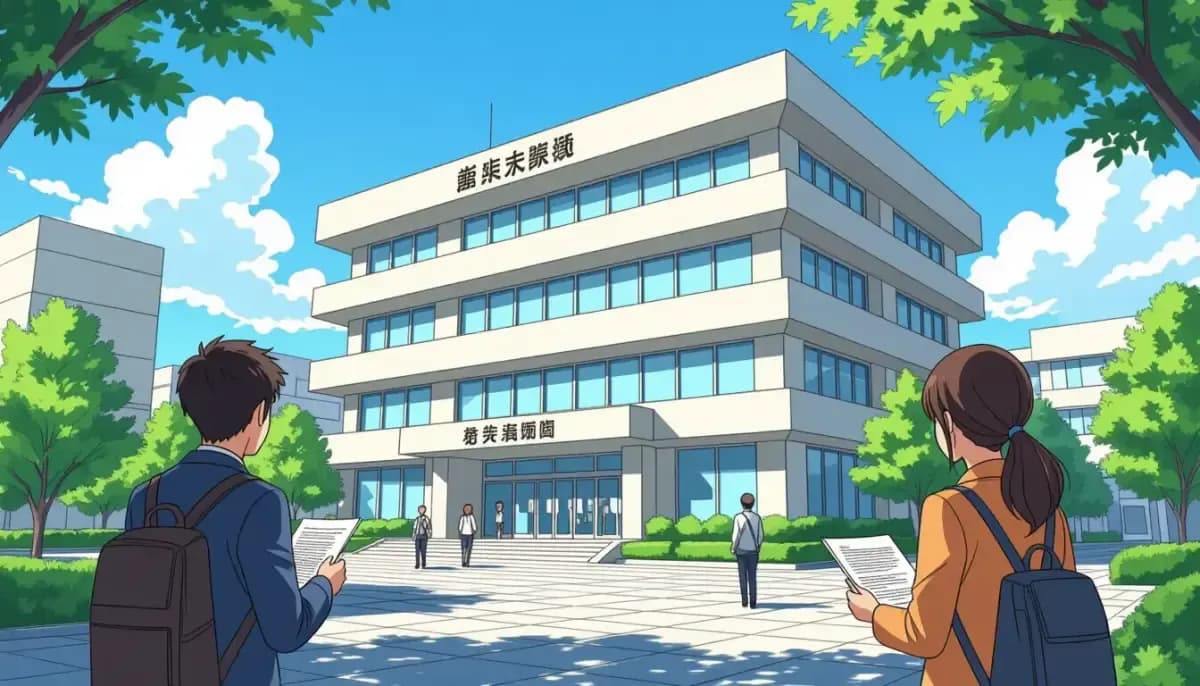
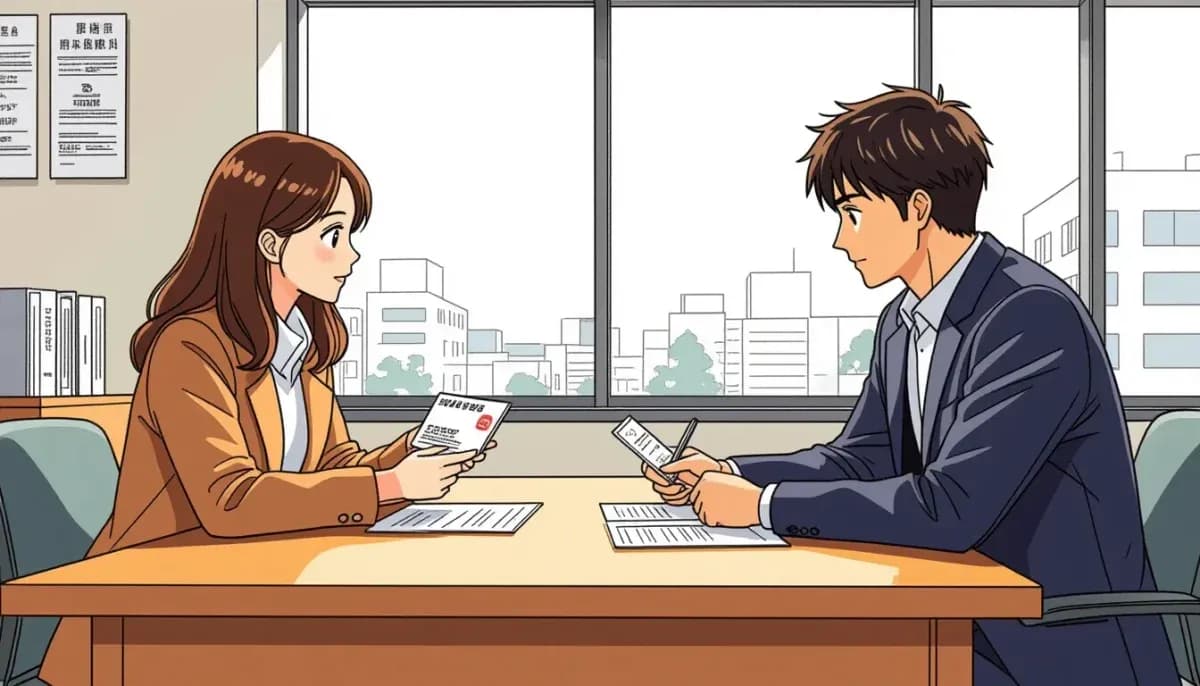
One of the most important — and legally mandatory — tasks is registering your address at your local city or ward office (市区町村役場) within 14 days of arriving in Japan. Failing to do so is a violation of the Immigration Control Act.
What Happens When You Register
- You receive your juminhyo (住民票) — a residence certificate used for bank accounts, lease contracts, and more
- You are issued a My Number card (マイナンバー) — Japan's national ID number used for tax, insurance, and government services
- You can enroll in National Health Insurance (国民健康保険) at the same visit
Bring: your passport, residence card, and the address of your new home (your lease contract works well).
Rent by City: How Much Should You Budget?
| City | 1-Bedroom Rent (Monthly) | Notes |
|---|
| Tokyo (23 wards) | ¥70,000–120,000 | Most expensive; best job market |
| Osaka | ¥50,000–80,000 | Affordable; great food scene |
| Fukuoka | ¥40,000–60,000 | Young expat community, growing tech scene |
| Sapporo | ¥30,000–50,000 | Cheapest; high heating costs in winter |
For more on living costs across Japan, see the Housing and Living Infrastructure Guide at For Work in Japan.
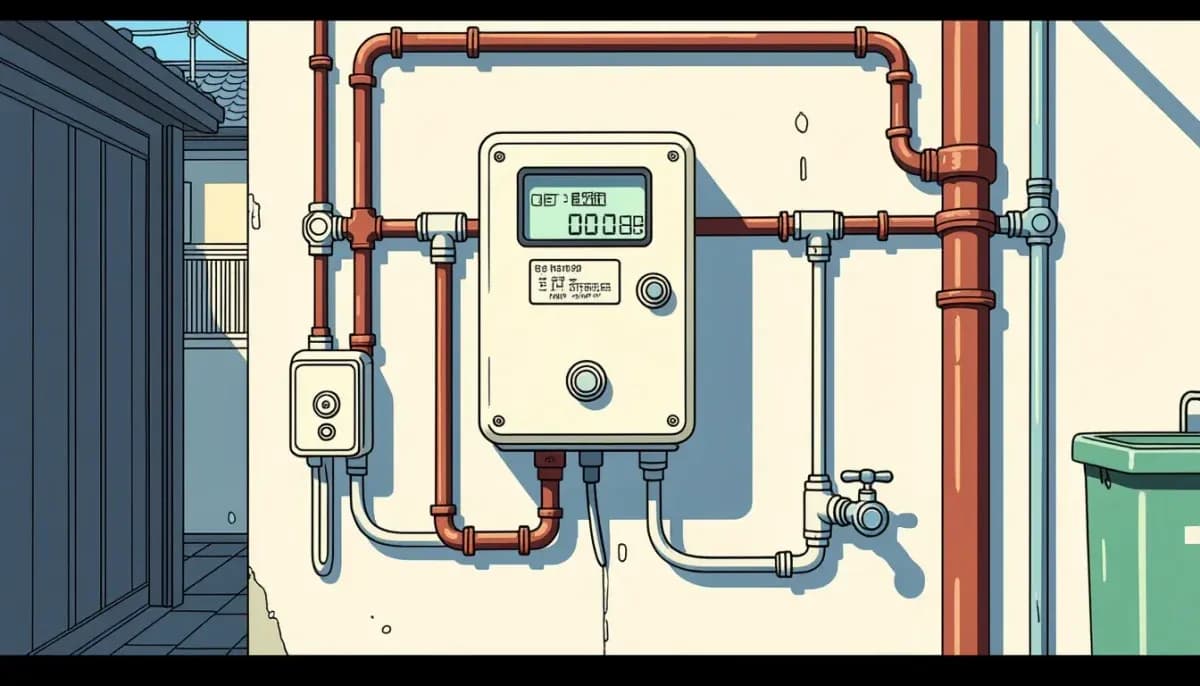
Step 3: Setting Up Utilities — Electricity, Gas, Water, and Internet
Japan's utility system is efficient but requires some paperwork. Most utilities are not included in your rent and must be set up independently.
Electricity
- Contact your regional power provider (e.g., TEPCO in Tokyo, Kansai Electric in Osaka)
- Can often be set up online or by phone
- If arranged in advance, electricity can be enabled remotely on move-in day
- You'll need your residence card and new address
Gas
- Call your gas provider to arrange a connection appointment
- A technician must visit your apartment in person to turn on the gas — this takes 1–2 days
- If the appointment is after move-in, you may have a few days without gas (no hot water or cooking)
- Plan your gas setup appointment before your move-in date
Water
- Water is typically handled by the municipal water authority
- Usually no inspection required; just register online or by phone
- Costs around ¥2,000–3,000/month for a single person
Internet
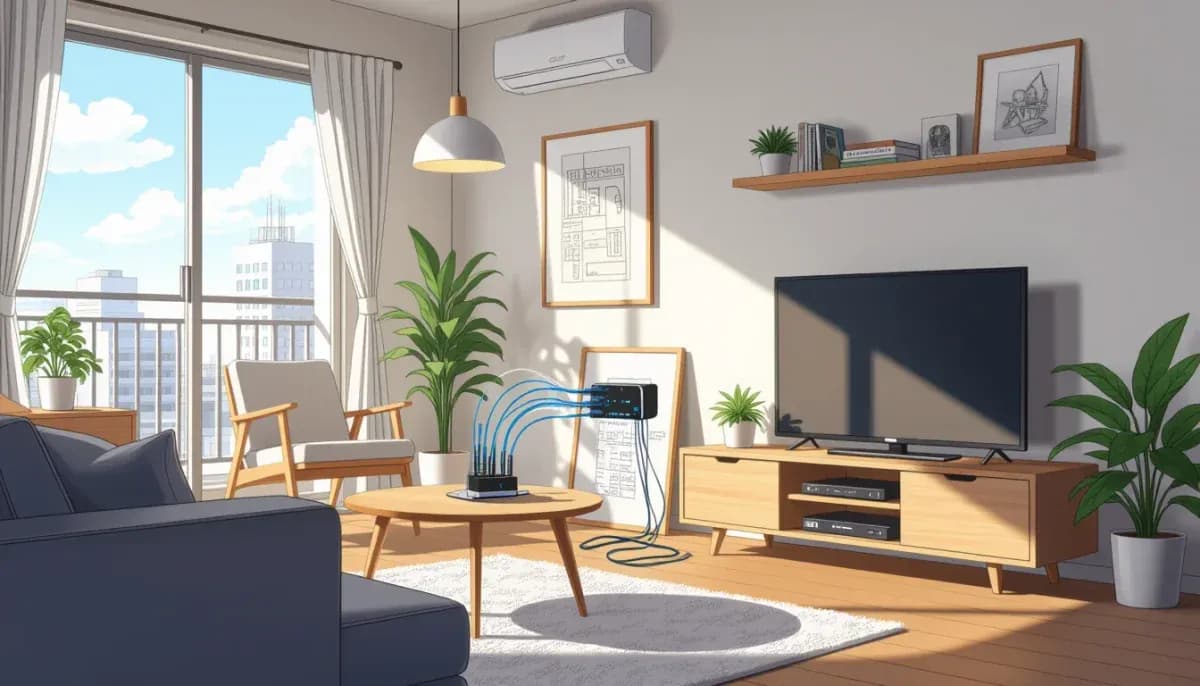
Internet setup is the one that catches most newcomers off guard. Fiber internet (光回線) — the standard for fast, reliable broadband — can take 2–4 weeks to set up due to NTT line installation appointments.
Options:
- Fiber (hikari) — fastest and cheapest long-term (¥4,000–6,000/month), but slow to set up
- Pocket Wi-Fi / Home router — available same day, convenient for the first few weeks (¥3,000–5,000/month, data limits)
- SIM card data — works in a pinch but expensive for heavy use
Monthly Living Costs at a Glance
| Expense | Tokyo (Estimate) | Osaka (Estimate) |
|---|
| Rent (1-bed) | ¥70,000–100,000 | ¥50,000–70,000 |
| Food | ¥30,000–50,000 | ¥30,000–40,000 |
| Utilities | ¥10,000–15,000 | ¥8,000–12,000 |
| Transport | ¥10,000–20,000 | ¥8,000–15,000 |
| Total | ¥130,000–200,000 | ¥100,000–150,000 |
For a detailed breakdown of electricity, gas, and water setup steps, this guide from Tokyo Apartment Inc. is very helpful.
Step 4: Opening a Japanese Bank Account
A Japanese bank account is essential for paying rent, receiving your salary, and managing daily expenses. Most landlords and employers require one.
Which Bank to Choose?
| Bank | Notes |
|---|
| Japan Post Bank (ゆうちょ銀行) | Easiest for foreigners; minimal documentation |
| Shinsei Bank | English-language support; online-friendly |
| MUFG / Mizuho / SMBC | Major city banks; may require longer residence history |
| Rakuten Bank / Sony Bank | Online banks with English apps; highly recommended |
What You Need
- Residence card (在留カード)
- Passport
- Registered address (from your juminhyo)
- Personal seal (inkan/hanko) — some banks accept signature instead
Some banks require you to have been registered for at least 6 months. If you're newly arrived, Japan Post Bank or Shinsei Bank are the most accessible options.
Step 5: Enrolling in Health Insurance and Pension
Japan has a universal health insurance system, and enrollment is mandatory for all foreign residents on a visa longer than 3 months.
National Health Insurance (国民健康保険)
- Covers 70% of all medical expenses — you pay 30%
- Monthly premiums vary by municipality and income; typically ¥1,500–5,000/month for a single low-income earner
- Enroll at city hall when you register your address
- Skipping enrollment means paying 100% of medical bills AND retroactive premiums — do not skip this
Employee Health Insurance
If you're employed full-time in Japan, your employer will enroll you in shakai hoken (社会保険), which covers health insurance and pension automatically via payroll deduction.
National Pension (国民年金)
- Also mandatory for residents aged 20–59 not covered by employee pension
- Monthly contribution is around ¥16,980 (2025 rate)
- You may be eligible for a partial exemption if your income is low
For help navigating the full first-90-days setup, E-Housing's guide to what to fix in your first 90 days is one of the most thorough resources available.
Step 6: Learning the Rules of Your Building and Neighborhood
Japan is known for its highly organized and considerate community standards. Violating building or neighborhood rules — even unintentionally — can damage your relationship with your landlord and neighbors, and in extreme cases lead to contract issues.
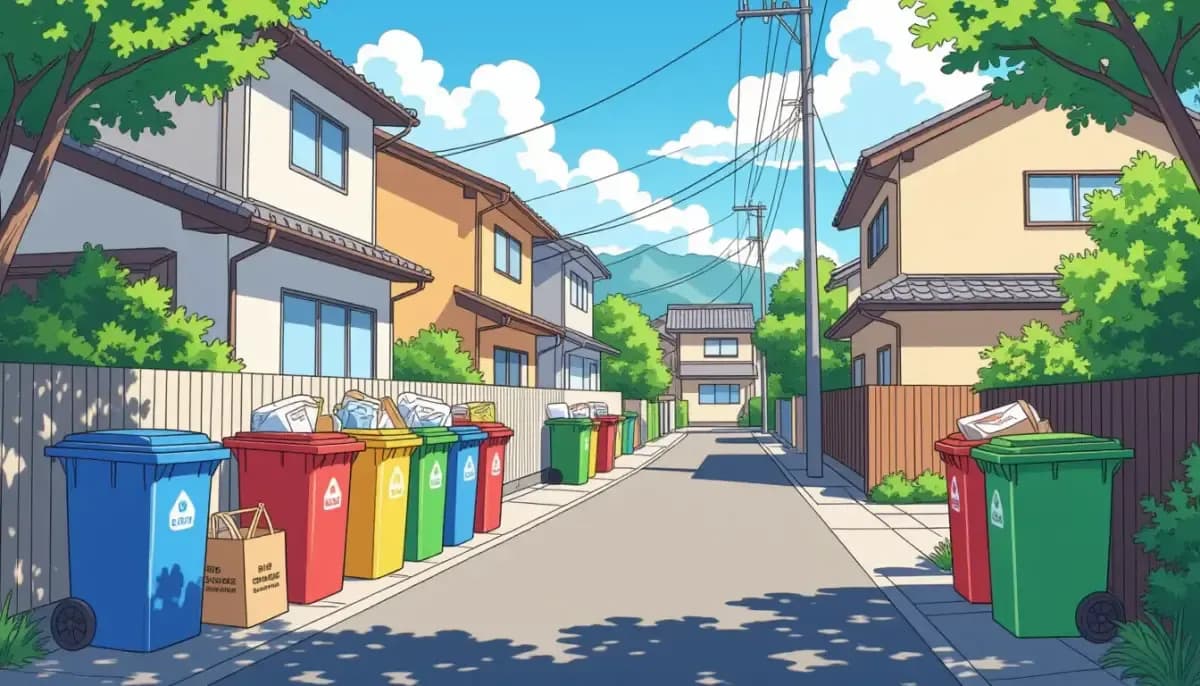
Garbage Sorting
Japan's garbage system is among the strictest in the world. Waste must be sorted into categories and put out on specific days:
- Combustible waste (燃えるゴミ) — food scraps, paper, most plastics; collected 2x/week
- Non-combustible waste (燃えないゴミ) — glass, ceramics, small metal items; collected once a week or biweekly
- Recyclables — PET bottles, cans, glass bottles; each has its own day
- Oversized items (粗大ゴミ) — furniture, appliances; require a paid collection sticker in advance
Rules vary by municipality. Your ward office will give you a garbage collection calendar (ゴミ収集カレンダー) when you register.
Noise and Neighbor Etiquette
- Avoid using washing machines or making loud noise after 9–10 PM
- Japan's building walls are often thin — be mindful of TV and music volume
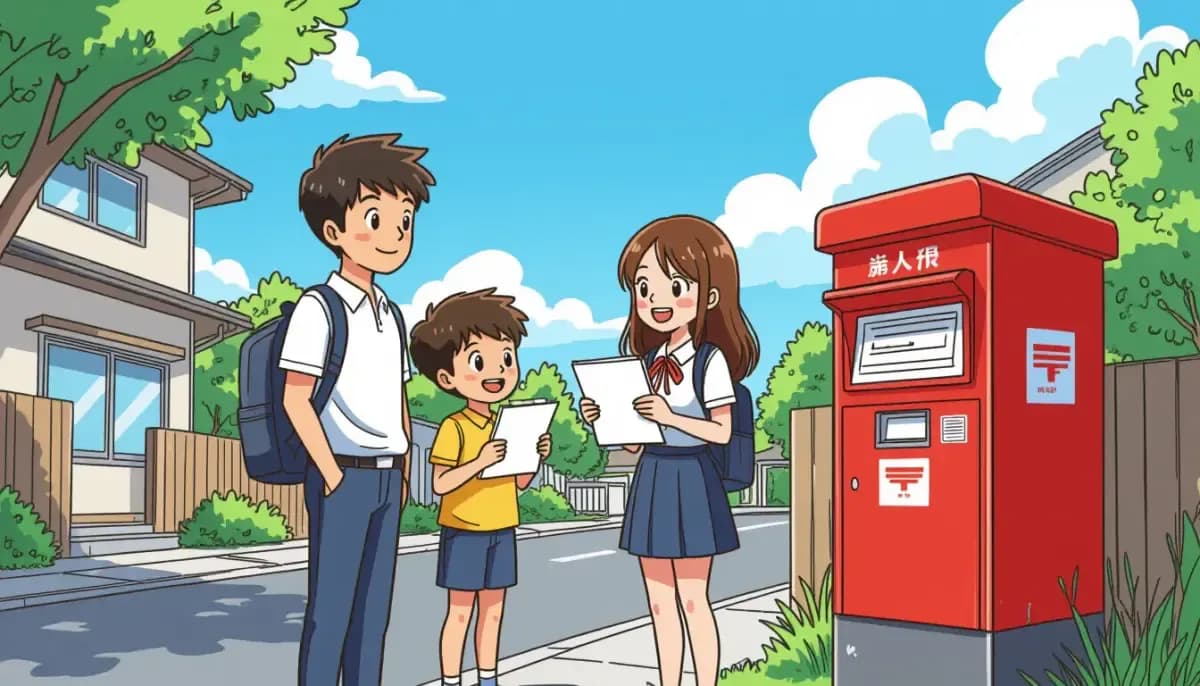
- It is customary to greet your neighbors (挨拶) when you first move in, often with a small gift such as a box of sweets or household towels (known as hikkoshi aisatsu, 引っ越し挨拶)
Earthquake Preparedness
Japan is one of the world's most seismically active countries. When viewing apartments, check if the building was constructed after June 1981 — properties built after this date meet the newer earthquake resistance standards (新耐震基準). Install the free Safety Tips app (multilingual disaster alerts) on your phone before your first night.
Step 7: The Full First-Month Checklist
| Task | Deadline | Where |
|---|
| Register address | Within 14 days | City/ward office |
| Enroll in health insurance | At registration | City/ward office |
| Set up electricity | Before move-in | Online/phone |
| Set up gas appointment | Before move-in | Phone |
| Set up water | Before move-in | Online/phone |
| Order fiber internet | ASAP | ISP provider |
| Open bank account | Within first month | Bank branch |
| Get My Number card | Within first month | City office |
| Apply for residence card update | If address changes | Immigration office |
| Greet neighbors | Move-in week | Your building |
For a complete pre-arrival and arrival checklist, Japan Handbook's Moving to Japan Checklist 2025 is a great reference.
Helpful Resources for Foreigners in Japan
Japan's foreign resident population reached 3,956,619 people (about 3% of total population) as of June 2025, and government support has improved significantly. Here are resources to help you settle in:
- Ministry of Land, Infrastructure, Transport — housing guides available in 14 languages
- UR Urban Renaissance Agency — no-guarantor, no-key-money apartments nationwide
- Japan Support Center for Foreigners — multilingual consultations at city halls
- Japan Rental Housing Management Association — dispute resolution and tenant support
If you're also considering buying rather than renting, read our Complete Guide to Buying Property in Japan as a Foreigner for an overview of the purchase process, or our guide on Can Foreigners Buy Property in Japan to understand your legal rights.
You may also want to explore Visa and Residency Considerations for Property Buyers if your long-term goal is to establish permanent residency through property investment.
Moving to Japan and setting up your new home takes planning, patience, and a willingness to follow the rules. But once you're settled — with your address registered, utilities running, bank account open, and neighbors greeted — you'll find that Japan is one of the most comfortable, safe, and rewarding countries in the world to call home.