
Japan Home Maintenance Seasonal Calendar and Guide

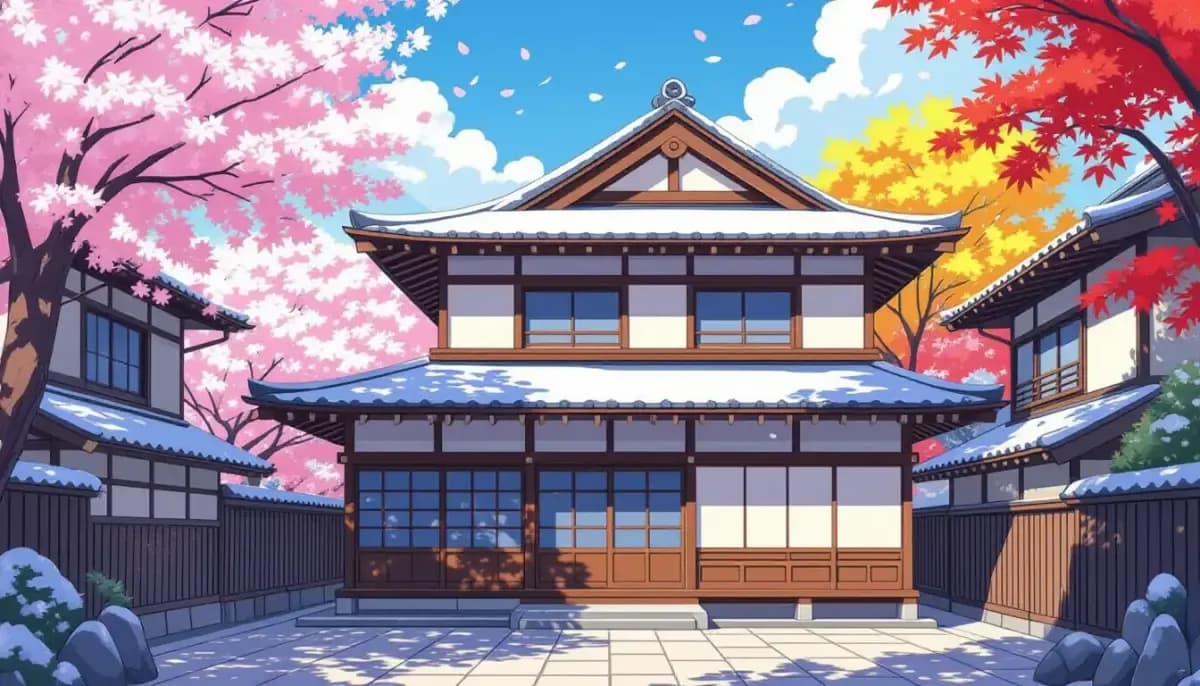
Complete seasonal home maintenance calendar for foreign homeowners in Japan. Covers rainy season mold prevention, typhoon prep, winter condensation, osoji deep cleaning, and long-term repair budgeting.
Japan Home Maintenance Seasonal Calendar and Guide for Foreigners
Owning a home in Japan is an exciting achievement, but it comes with unique responsibilities shaped by Japan's four distinct seasons. From the humid rainy season that invites mold, to powerful typhoons, biting winters, and pollen-heavy springs, each season demands specific maintenance tasks to protect your investment and keep your home comfortable. This comprehensive seasonal maintenance guide is tailored for foreign homeowners who may be unfamiliar with Japanese climate patterns and local home care practices.
Whether you own a detached house (一戸建て, ikkodate) or a condominium (マンション, manshon), following a seasonal maintenance calendar will help you avoid costly repairs, prevent structural damage, and ensure your property retains its value over time. Budgeting appropriately is also essential — detached home owners should plan for approximately 5–8 million yen in repairs over 30 years.
Spring Maintenance (March–May): Fresh Start After Winter
Spring in Japan is beautiful but busy. As temperatures rise and cherry blossoms bloom, it is time to shake off winter and prepare your home for the coming heat and humidity.
Air Quality and Pollen Management
Japan's cedar pollen season peaks between March and May, and it can infiltrate your home through windows, ventilation systems, and clothing. Installing a high-quality air purifier with a HEPA filter is one of the best investments you can make as a homeowner. Replace HVAC and air conditioning filters in spring to ensure clean air circulation throughout the warmer months.
Spring air quality checklist:
- Replace or clean air conditioning filters (do this at minimum twice a year)
- Install air purifiers in bedrooms and living areas
- Clean ventilation fans in bathrooms and kitchen
- Wash curtains and fabric window coverings
Post-Winter Exterior Inspection
Spring is the ideal time to inspect your home's exterior for any winter damage. Check your roof, gutters, and exterior walls for cracks, loose tiles, or accumulated debris. Gutters can collect leaves over autumn and winter, leading to blockages that cause water damage during the upcoming rainy season.
Exterior inspection points:
- Roof tiles and ridge caps (check for displacement or cracks)
- Gutter blockages and drainage flow
- Caulking around windows and doors (replace if cracking)
- Foundation perimeter for settling or cracks
Garden and Outdoor Maintenance
Trim overgrown vegetation around the house to prevent moisture retention against walls and reduce the risk of pests. Check wooden decks, fences, and gates for weathering damage and apply fresh sealant or paint as needed.
For helpful guidance on settling into Japanese property ownership, explore resources at Living in Nihon and For Work in Japan.
Rainy Season Maintenance (June–Mid-July): Battling Humidity and Mold
The tsuyu (梅雨, rainy season) runs from early June to mid-July and is arguably the most challenging season for homeowners. Near-constant rain and oppressive humidity create ideal conditions for mold growth and structural moisture damage.
Mold Prevention: The #1 Priority
Mold (カビ, kabi) is an ever-present threat during tsuyu. It thrives in closets, under beds, behind furniture, in bathrooms, and around air conditioning units. Left unchecked, mold can damage walls, wooden floors, and clothing, and poses health risks.
Key mold prevention strategies:
- Run your air conditioner on dehumidifying mode (除湿, *joshitsu*) rather than cooling mode — this is more energy-efficient and directly addresses humidity
- Place moisture-absorbing packets (除湿剤, joshitsu-zai) inside closets, shoe cabinets, and storage areas
- Open windows on opposite sides of your home when it is not raining to create cross-ventilation
- Use a standalone dehumidifier in rooms prone to dampness
- Air out futons, bedding, and heavy clothing during dry breaks in the rain
Bathroom and Kitchen Care
These rooms are especially vulnerable during tsuyu. After every shower, use the ventilation fan for at least 30 minutes and wipe down tile grout and bathroom surfaces. Apply anti-mold spray (防カビ剤) around grout lines and window frames monthly during the rainy season.
In the kitchen, check under the sink for any signs of leaks or moisture accumulation. Ensure the range hood filter is clean and functioning, as cooking steam adds additional humidity to your home.
Rainy Season Maintenance Table
| Area | Task | Frequency |
|---|---|---|
| Closets | Anti-moisture packets | Replace monthly |
| Air conditioner | Switch to dehumidify mode | Daily during tsuyu |
| Bathroom grout | Anti-mold spray | Monthly |
| Windows | Wipe condensation | Daily |
| Ventilation fans | Run after cooking/bathing | Every use |
| Bedding | Air out on dry days | Weekly |
| Under-sink area | Check for moisture/leaks | Weekly |
For more guidance on property management in Japan, visit Gaijin Buy House's property maintenance guide.
Summer and Typhoon Season Maintenance (July–October): Storm Preparedness
Summer is typhoon season, and Japan experiences an average of 25 tropical storms per year, with several making direct landfall. Typhoons bring extreme winds, torrential rain, and sometimes flooding. Preparation is essential — not just for safety, but to prevent property damage.
Understanding Your Home's Storm Features
Many Japanese homes, particularly older detached houses, are equipped with amado (雨戸), traditional storm shutters that slide closed over glass doors and windows. If your home has amado, practice opening and closing them before typhoon season begins, and apply lubricant to any stiff tracks.
Modern homes may have reinforced glass or aluminum storm shutters instead. Inspect all storm protection features annually and repair any damage before the season starts.
Pre-Typhoon Preparation Checklist
When a typhoon warning is issued (usually 24–48 hours before landfall), complete these tasks:
- Secure outdoor items — bring in bicycles, potted plants, garden furniture, and any lightweight objects that could become projectiles in high winds
- Close all amado and storm shutters before winds arrive
- Check for roof tile looseness — even small displacements can allow water penetration during heavy rain
- Clear gutters and drains — ensure water can flow freely away from your property
- Seal window gaps with temporary weatherstripping if needed
- Prepare emergency supplies — flashlights, spare batteries, bottled water, non-perishable food, a first aid kit, and portable phone chargers
Air Conditioning Summer Maintenance
Japan's summers are intensely hot and humid, and air conditioners run nearly continuously from July through September. This heavy use means filters become clogged quickly. Clean AC filters every 2–4 weeks during summer. Check that outdoor condenser units are free of leaves and debris, and ensure there is adequate airflow around them.
AC units typically last 10–15 years. If your unit is approaching that age and struggling to cool effectively, budget for replacement before the next summer season.
Post-Typhoon Inspection
After every significant typhoon, inspect your property for:
- Displaced or broken roof tiles
- Fallen tree branches on the roof or against the house
- Flooding in basement storage or ground-floor areas
- Debris in gutters and drains
- Any broken windows or damaged storm shutters
Addressing damage quickly prevents secondary issues like water infiltration and mold.
Autumn Maintenance (October–November): Preparing for Winter
Autumn in Japan is mild and pleasant, making it the perfect season for major maintenance projects before winter sets in.
Gutter Cleaning and Drainage
Autumn brings heavy leaf fall, and gutters can become completely blocked within weeks. A blocked gutter during winter can cause ice dams (in snowy regions) or overflow that damages exterior walls and foundations. Clean gutters thoroughly in late October to early November.
Heating System Preparation
Before winter cold arrives, test your heating systems:
- Floor heating (床暖房, *yuka danbo*): Check that all zones heat evenly; bleed air from the system if needed
- Kerosene heaters (石油ファンヒーター): Drain old fuel from last season, clean the burner, and test before purchasing new fuel
- Air conditioner heating mode: Test that it heats effectively and clean the filter
Window Insulation and Condensation Prevention
Japanese homes, particularly older ones, can have poor window insulation. In autumn, apply anti-condensation window film to single-pane glass windows. This significantly reduces winter condensation. You can also use thermal curtains to reduce heat loss and condensation.
Silicone-based window frame sealant should be inspected and replaced if cracking — this is a critical line of defense against cold air infiltration.
Termite (Shiroari) Inspection
Autumn is a good time to schedule your annual termite inspection (白蟻検査, *shiroari kensa*). Termites are a significant concern for wooden Japanese homes. Anti-termite treatments must be renewed every 5 years to remain effective. If your treatment is due for renewal, schedule it before winter when contractors are in high demand for other work.
Winter Maintenance (December–February): Cold Weather Protection
Japanese winters vary dramatically by region — Hokkaido and the Japan Sea coast see heavy snowfall, while Tokyo winters are cold but relatively dry. Regardless of your location, certain winter maintenance tasks apply universally.
Window Condensation Management
Winter condensation is one of the most common and damaging problems in Japanese homes. When warm, humid indoor air meets cold window glass, water droplets form and accumulate. Left unaddressed, this moisture penetrates walls, causes mold, and damages wooden frames.
Daily condensation management:
- Wipe windows every morning with an absorbent cloth or squeegee
- Use a window vacuum/vaporizer tool (結露取り, ketsuro-tori) for efficient removal
- Apply anti-condensation spray or film to glass surfaces
- Ventilate rooms briefly each morning (5–10 minutes) to exchange humid indoor air with drier outdoor air, even in winter
Heating Safety
Indoor heating in Japan carries specific safety considerations:
- Kerosene heaters and gas heaters require adequate ventilation to prevent carbon monoxide buildup — always open a window slightly when in use
- Keep combustibles (paper, fabric, furniture) at least one meter from portable heaters
- Inspect gas piping connections annually
Maintain indoor humidity at 40–60% with a humidifier to protect health and wooden flooring from cracking due to dry air.
Snow Region Preparations (Hokkaido, Tohoku, Niigata, etc.)
For homeowners in heavy snowfall areas:
- Install snow guards (雪止め) on roofs if not already present to prevent dangerous snow slides
- Check that roof structures can bear expected snow loads (consult a contractor if uncertain)
- Keep a snow shovel and roof rake accessible
- Insulate exterior water pipes to prevent freezing and burst pipes
- Know the location of your water main shutoff valve
Osoji: Year-End Deep Cleaning
December brings Japan's beloved tradition of osoji (大掃除), the annual year-end deep cleaning that prepares the home for the new year. This is more than a cultural ritual — it is an excellent opportunity to perform a comprehensive home inspection and cleaning.
Osoji home maintenance tasks:
- Deep clean kitchen (range hood, oven, refrigerator coils)
- Clean bathroom exhaust fans and ventilation ducts
- Wash all curtains and window coverings
- Declutter and reorganize storage areas
- Inspect electrical outlets and cords for wear
- Check smoke and carbon monoxide detector batteries
- Clean and inspect all drainage pipes
Long-Term Maintenance Planning: What Every Homeowner Needs to Know
Beyond seasonal tasks, responsible Japanese homeownership requires planning for major maintenance cycles.
Major Maintenance Schedule
| Component | Maintenance Interval | Estimated Cost |
|---|---|---|
| Exterior wall repainting | Every 10–15 years | 800,000–2,000,000 yen |
| Roof inspection/repair | Every 20–30 years | 500,000–3,000,000 yen |
| Waterproofing (balcony/roof) | Every 10–15 years | 300,000–800,000 yen |
| Air conditioner replacement | Every 10–15 years | 100,000–300,000 per unit |
| Termite treatment renewal | Every 5 years | 100,000–200,000 yen |
| Water heater replacement | Every 10–15 years | 150,000–400,000 yen |
| Kitchen/bathroom renovation | Every 20–30 years | 1,000,000–5,000,000 yen |
Total 30-year maintenance budget for a detached home: approximately 5–8 million yen.
Condominium owners have a portion of maintenance managed through monthly 管理費 (kanri-hi, management fees) and 修繕積立金 (shuuzen tsumitate-kin, repair reserve fund), with combined monthly payments typically around 24,500 yen for an average unit.
Keeping Records
Maintain a home maintenance log (either digital or paper) recording:
- All inspections and their findings
- Contractor names and contact information
- Dates of treatments (especially termite treatments)
- Appliance ages and service histories
- Warranty documents for systems and appliances
This documentation is also valuable when you eventually sell the property, as buyers and their agents will ask about maintenance history.
Working with Contractors and Service Companies in Japan
Finding reliable contractors as a foreign homeowner can be challenging, particularly if you have limited Japanese ability.
Finding English-Friendly Services
Several real estate and property management companies in Japan offer English-language maintenance support. Living in Nihon provides practical guides for foreign residents navigating Japanese housing systems, while For Work in Japan offers resources for expats managing life in Japan.
For bilingual real estate support and detailed property maintenance guidance specifically for foreign buyers, Gaijin Buy House is an excellent resource covering everything from purchase to long-term property management.
Annual Home Inspection Services
Many companies offer comprehensive annual home inspection packages (ie no teiki kensa) that cover all major systems. These are particularly valuable for foreign owners who may not be confident evaluating Japanese home systems themselves.
Key contractors to establish relationships with:
- Shiroari (termite) specialist — schedule 5-year renewal treatments
- Exterior wall/roof contractor — for 10–15 year repainting cycles
- Air conditioning service company — for annual deep-cleaning and maintenance
- Plumber — pipes become high-risk for leaks after 20+ years
- Property management company — if renting out your property or living overseas
Summary: Your Japan Home Maintenance Seasonal Checklist
| Season | Key Tasks |
|---|---|
| Spring (Mar–May) | Replace AC filters, inspect exterior, pollen air purifiers, garden cleanup |
| Rainy Season (Jun–Jul) | Run dehumidifier, anti-mold spray, ventilate, moisture packets in closets |
| Summer/Typhoon (Jul–Oct) | Secure outdoor items, close amado, clean AC every 2–4 weeks, post-storm inspection |
| Autumn (Oct–Nov) | Clean gutters, test heating, window insulation, schedule termite inspection |
| Winter (Dec–Feb) | Wipe condensation daily, heating safety, snow prep (if applicable), osoji deep clean |
For more information on buying and owning property in Japan, explore related guides such as the complete guide to buying property in Japan as a foreigner, property taxes and annual costs in Japan, and hidden costs and fees when buying property in Japan. These resources will help you understand the full picture of homeownership costs and responsibilities in Japan.
Also check out GaijinPot's rainy season survival guide and Plaza Homes' Tokyo weather and seasonal tips for additional seasonal living advice.
Owning a home in Japan is a long-term commitment, but with the right seasonal maintenance habits, your property will remain safe, comfortable, and structurally sound for decades to come.

Originally from Vietnam, living in Japan for 16+ years. Graduated from Nagoya University, with 11 years of professional experience at Japanese and international companies. Sharing information about buying property in Japan for foreigners.
View Profile →Related Articles
Joining the Community Association (Jichikai/Chonaikai) in Japan
Learn how to join Japan's neighborhood association (jichikai or chonaikai) as a foreigner. Covers fees, activities, practical tips, and how to integrate into your local Japanese community.
Read more →
Local Government Services for New Residents in Japan
Complete guide to local government services for new foreign residents in Japan: address registration, health insurance, national pension, My Number, and multilingual support at city hall.
Read more →
Japan Postal and Mail System Setup Guide for New Homes
Complete guide to setting up mail at your new Japanese home: Tenkyo Todoke forwarding, mailbox setup, missed deliveries, and notifying important institutions as a foreign resident.
Read more →
Juuminhyou (Resident Registration) Guide for Property Owners in Japan
Complete guide to juuminhyou (juminhyo) for foreign property owners in Japan. Learn how to register, obtain copies, and meet the April 2024 name registration requirements for property transactions.
Read more →
Home Security System Options in Japan for Foreign Owners
Complete guide to home security systems in Japan for foreign owners and expats. Compare SECOM, ALSOK, Leafee, Secual, and DIY options with costs and rental rules.
Read more →
Japan Garbage Disposal and Recycling Rules for Homeowners
Complete guide to Japan's garbage disposal and recycling rules for foreign homeowners. Learn waste categories, collection schedules, oversized item disposal, appliance recycling law, and how to avoid fines and neighbor disputes.
Read more →