
Furniture and Appliance Costs for Your New Home in Japan

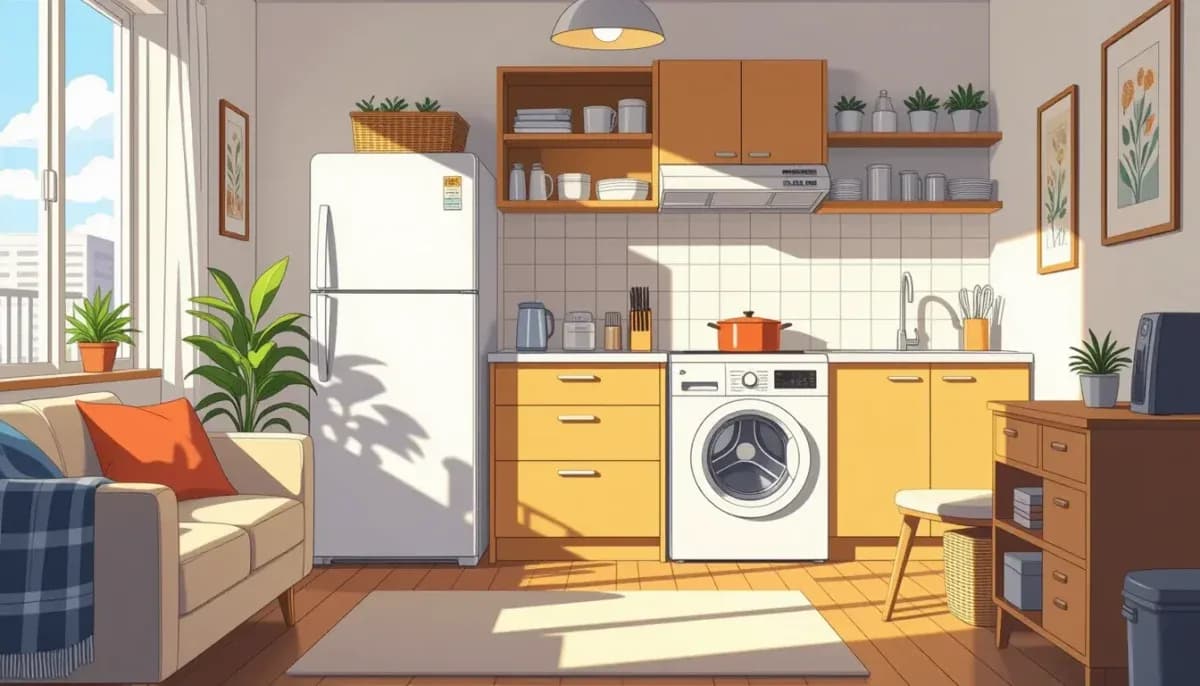
Complete guide to furniture and appliance costs when setting up a new home in Japan. Realistic budgets, where to buy, rental options, and tips for foreigners.
Furniture and Appliance Costs for Your New Home in Japan
Congratulations on your new home in Japan! Now comes one of the most practical — and often underestimated — challenges: furnishing and equipping it. Whether you've just closed on a property or signed a rental agreement, most Japanese homes come bare. No refrigerator, no washing machine, no curtains, and sometimes not even a light fixture. Understanding what you'll need to buy, where to buy it, and what it will cost is essential for budgeting your new life in Japan.
This guide breaks down realistic furniture and appliance costs for foreigners setting up a new home in Japan, covering everything from budget basics to smart shopping strategies.
Why Furnishing a Home in Japan Costs More Than You Expect
Unlike in many Western countries, Japanese apartments and houses are almost universally rented or sold unfurnished. This means you start from zero. First-time buyers and renters are often surprised by the full list of items they need to purchase before the home feels livable:
- Refrigerator
- Washing machine (and possibly dryer)
- Air conditioner units (often built-in, but not always)
- Microwave oven
- Bed frame or futon set
- Curtains or blinds (windows come bare)
- Lighting fixtures (many Japanese ceiling fixtures are removed by the previous tenant)
- Kitchen essentials (cookware, rice cooker, dishes)
- Tables, chairs, shelving
As a general benchmark, purchasing even just the bare necessities will cost around ¥200,000. A comfortable 1LDK (one bedroom + living/dining/kitchen) setup typically runs ¥250,000–¥400,000. Families furnishing a 2LDK or larger should budget ¥500,000 or more for quality items.
For more on the full picture of initial costs when owning property in Japan, see our guide to Hidden Costs and Fees When Buying Property in Japan.
Appliance Costs: The Big-Ticket Items
Appliances represent the largest expense for most new homeowners. Here is a realistic cost breakdown for the essential items:
| Appliance | Budget (Used) | Mid-Range (New) | Premium (New) |
|---|---|---|---|
| Refrigerator (~150–200L) | ¥10,000–¥20,000 | ¥30,000–¥60,000 | ¥80,000–¥150,000+ |
| Washing Machine (5–7 kg) | ¥5,000–¥15,000 | ¥25,000–¥50,000 | ¥70,000–¥120,000 |
| Microwave Oven | ¥3,000–¥8,000 | ¥10,000–¥25,000 | ¥30,000–¥60,000 |
| Air Conditioner | ¥20,000–¥40,000 | ¥60,000–¥100,000 | ¥120,000–¥200,000+ |
| Rice Cooker | ¥3,000–¥5,000 | ¥8,000–¥20,000 | ¥30,000–¥60,000 |
| Vacuum Cleaner | ¥2,000–¥5,000 | ¥8,000–¥20,000 | ¥25,000–¥60,000 |
Important note on air conditioners: Unlike most other appliances, air conditioners require professional installation, which typically costs ¥10,000–¥20,000 on top of the unit price. Many Japanese homes already have units installed, so check before purchasing.
Japan's Unique Electrical System
Before bringing any appliances from abroad, be aware that Japan operates on 100 volts, while most countries use 100–240V or 220–240V. Most modern international appliances rated for 100–240V will work fine, but older or high-wattage items may not perform correctly or could be damaged.
Additionally, Japan is split by frequency:
- Eastern Japan (Tokyo, Tohoku, Hokkaido): 50 Hz
- Western Japan (Osaka, Kyoto, Nagoya, Hiroshima, Kyushu): 60 Hz
This frequency difference matters for motor-driven appliances like washing machines or clocks. If you are bringing appliances from overseas, step-up transformers cost ¥5,000–¥50,000 depending on wattage, but can be inconvenient. In most cases, purchasing appliances in Japan is the better and safer choice.
For advice on managing your home's utility systems, read our guide on Natural Disaster Preparedness for Homeowners in Japan.
Furniture Costs: Beds, Tables, and Everything In Between
Furniture costs vary enormously based on your quality preference and shopping method. Here's what to expect:
| Furniture Item | Budget | Mid-Range | Premium |
|---|---|---|---|
| Bed Frame + Mattress | ¥10,000–¥30,000 | ¥30,000–¥80,000 | ¥100,000+ |
| Sofa | ¥5,000–¥15,000 | ¥20,000–¥60,000 | ¥80,000+ |
| Dining Table + Chairs (4 seats) | ¥8,000–¥20,000 | ¥25,000–¥60,000 | ¥80,000+ |
| Wardrobe / Chest of Drawers | ¥5,000–¥15,000 | ¥15,000–¥40,000 | ¥50,000+ |
| Curtains (per room) | ¥3,000–¥8,000 | ¥10,000–¥25,000 | ¥30,000+ |
| LED Ceiling Light (per room) | ¥3,000–¥5,000 | ¥8,000–¥15,000 | ¥20,000+ |
| Bookshelf / Storage | ¥3,000–¥10,000 | ¥10,000–¥25,000 | ¥30,000+ |
| Desk + Chair (home office) | ¥5,000–¥15,000 | ¥20,000–¥50,000 | ¥60,000+ |
A modest but functional 1LDK setup — covering a bed, small sofa, dining set, curtains, and basic lighting — can be achieved for ¥80,000–¥150,000 if you shop wisely.
Where to Buy Furniture and Appliances in Japan
Major Retail Chains
Nitori is Japan's equivalent of IKEA — affordable, stylish, and widely available across the country. It's the go-to destination for budget-conscious furnishing, offering everything from beds to curtains to kitchenware. Staff are generally helpful and prices are transparent.
IKEA Japan has locations in major metro areas (Tokyo/Yokohama, Osaka, Fukuoka, Nagoya). If you're familiar with IKEA globally, the experience in Japan is similar. Assembly is required, but prices are competitive. Check IKEA Japan's website for current locations and delivery options.
Yamada Denki, BicCamera, Yodobashi Camera, and Edion are the major electronics chains where you'll find the full range of Japanese appliances. Staff can often assist in English in larger stores. These chains offer point card systems (loyalty rewards) and are often open to price negotiation on larger purchases or bundles.
Iris Ohyama is a budget-friendly brand selling both furniture and appliances (especially basic refrigerators, washing machines, and air purifiers) that has become popular with single-person households and students.
Second-Hand Options
Japan has a thriving second-hand market, which can slash your setup costs significantly:
- Recycle shops (リサイクルショップ): Chain stores like Hard Off, Book Off (which has an appliance/furniture arm), and local shops sell used items at 30–70% off retail. Quality varies — always inspect appliances before buying.
- Sayonara Sales: Departing expats frequently sell furniture and appliances at steep discounts through Facebook groups (e.g., "Japan Expat Freecycle/Sayonara Sales") and Gaijinpot classifieds. This is one of the best ways to get Japanese-compatible appliances cheaply.
- Mercari and Yahoo! Auctions: Japan's top second-hand platforms offer nationwide shipping or local pickup. Use a translation app if your Japanese is limited.
For an overview of the full home-buying experience including moving and setup, see Moving to Japan and Setting Up Your New Home.
Renting Furniture and Appliances: A Smart Short-Term Option
If you're unsure how long you'll stay, or want to minimize upfront costs, appliance rental services are a practical alternative. Several companies cater specifically to expats and provide English support:
- Kasite!.com — A one-year rental package including an LCD TV, washing machine, refrigerator, and microwave costs approximately ¥57,750 (tax included), or around ¥158/day.
- Rentio — Flexible monthly rentals; a washer-dryer starts from ¥4,000/month, microwave from ¥1,000/month.
- Racleaas — A 4-item solo living set over 2 years runs about ¥5,890/month.
Most rental services include free delivery, installation, and repair coverage for normal use. You are protected from unexpected repair costs, which is a significant advantage for new arrivals unfamiliar with local service networks.
However, the break-even point is approximately 18 months: beyond that, purchasing your own appliances becomes cheaper than continuing to rent. Plan accordingly.
For more information on managing your Japan property costs efficiently, see our Property Taxes and Annual Costs of Owning Property in Japan guide.
Appliance Disposal: An Often-Overlooked Cost
When you eventually upgrade or move, disposing of large appliances in Japan is not free. Japan's Home Appliance Recycling Law (家電リサイクル法) requires you to pay a government-designated recycling fee for the following:
- Air conditioners
- Televisions (CRT and flat-screen)
- Refrigerators and freezers
- Washing machines and dryers
Fees vary by item and manufacturer but typically range from ¥1,000–¥5,000 per item. You can pay through the original retailer, Japan Post, or your local municipality. Illegal dumping carries fines, so budget for this when planning replacements.
Tips for Foreigners Furnishing Their First Japan Home
- Start minimal. Move in with the essentials only and add items as needed. You'll discover what you actually use.
- Shop on weekdays. Electronics stores are less busy, and staff have more time to assist you. Some stores offer weekday-only deals.
- Check delivery fees. Most retailers charge separately for delivery and installation. Factor this in when comparing prices — a slightly pricier item with free delivery may cost less overall.
- Bundle purchases for discounts. Buying multiple major appliances at once from the same chain (especially Yamada Denki or BicCamera) often unlocks bundle pricing or extra loyalty points.
- Keep your receipts. Japan's consumption tax is 10%, and some foreign residents may be eligible for tax-free purchases at participating retailers — ask at the store with your residence card or passport.
- Don't bring foreign furniture. Western-sized sofas, beds, and wardrobes often don't fit through Japanese doorways or staircases. Measure before shipping anything from abroad.
For guidance on renovating and personalizing your space after moving in, see our article on Home Renovation and Remodeling in Japan for Foreign Owners.
Helpful External Resources
For general expat living guides in Japan, Living in Nihon offers practical advice covering housing, daily life, and adapting to Japan.
If you relocated to Japan for work, For Work in Japan's Housing and Living Infrastructure Guide provides comprehensive resources for foreign workers settling into Japanese life, including housing setup tips.
For property-specific guidance targeted at foreign buyers, Gaijin Buy House covers the full property purchase process and what to expect when moving into a Japanese home.
Additional resources:
- All Japan Relocation: Furniture Guide — Covers voltage issues, size considerations, and leasing options
- Wagaya Japan: Furniture and Appliances in Japan — Store-by-store breakdown and rental tips
- Japan Life Support: Rental Furniture Guide — Pricing for major appliance rental services
Summary: Realistic Budget by Household Size
| Household | Bare Minimum | Comfortable | Well-Equipped |
|---|---|---|---|
| Single (1K/1DK) | ¥100,000–¥150,000 | ¥150,000–¥250,000 | ¥300,000+ |
| Couple (1LDK) | ¥150,000–¥200,000 | ¥250,000–¥400,000 | ¥500,000+ |
| Family (2LDK+) | ¥250,000–¥350,000 | ¥400,000–¥600,000 | ¥800,000+ |
Moving into a new home in Japan requires careful planning, but with the right approach — a mix of new purchases, second-hand finds, and rented appliances where it makes sense — you can create a comfortable home without breaking the bank. Take your time, compare prices across retailers, and don't overlook the excellent deals available in Japan's thriving second-hand market.

Originally from Vietnam, living in Japan for 16+ years. Graduated from Nagoya University, with 11 years of professional experience at Japanese and international companies. Sharing information about buying property in Japan for foreigners.
View Profile →Related Articles

Currency Exchange Costs for Foreign Buyers Purchasing Japan Property
A complete guide to currency exchange costs when buying property in Japan as a foreigner. Learn about bank markups, wire transfer fees, AML requirements, and how to save thousands using specialist FX services.
Read more →
Repair Reserve Fund (Shuuzen Tsumitate Kin) in Japan Condos
Everything foreigners need to know about Japan's condo repair reserve fund (shuuzen tsumitatekin): monthly costs, red flags, due diligence checklist, and what happens if you don't pay.
Read more →
Condo Management and Maintenance Fees in Japan
Understand Japan condo management fees and repair reserve fund fees. Learn average costs, what they cover, payment methods for foreigners, and how to evaluate fees before buying.
Read more →
Fire and Earthquake Insurance Costs in Japan
Complete guide to fire insurance (kasai hoken) and earthquake insurance (jishin hoken) costs in Japan for foreign property owners. Premiums, coverage, providers, and tips for expats.
Read more →
Renovation Costs for Used Properties in Japan
Complete guide to renovation costs for used properties in Japan. Room-by-room cost breakdowns, real-world examples, government subsidies, and budgeting tips for foreign buyers.
Read more →
Moving Costs When Relocating to a New Home in Japan
Complete guide to moving costs in Japan for foreigners: domestic moving company fees, furniture costs, utility setup, neighbor gifts, international relocation expenses, and money-saving tips.
Read more →