
Joining the Community Association (Jichikai/Chonaikai) in Japan

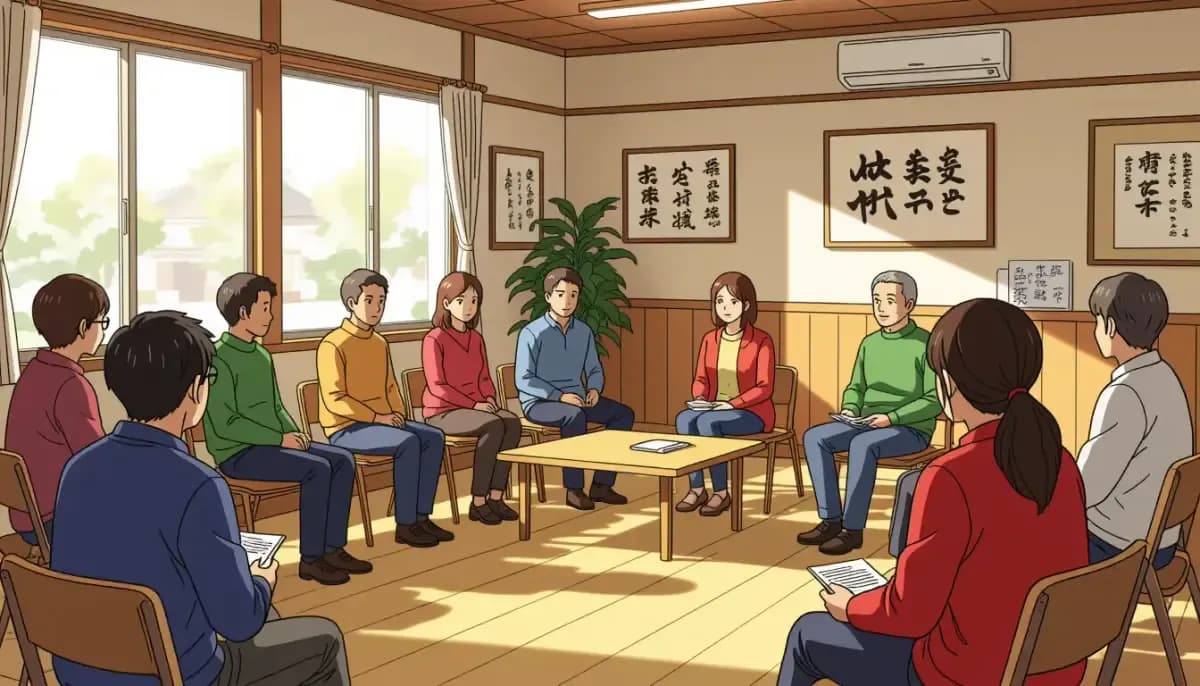
Learn how to join Japan's neighborhood association (jichikai or chonaikai) as a foreigner. Covers fees, activities, practical tips, and how to integrate into your local Japanese community.
Joining the Community Association (Jichikai/Chonaikai) in Japan: A Complete Guide for Foreigners
Moving to Japan as a foreigner involves navigating countless cultural nuances, and one of the most important — yet often overlooked — is the neighborhood association, known as jichikai (自治会) or chōnaikai (町内会). These grassroots community organizations have shaped Japanese local life for centuries, and understanding how they work can mean the difference between feeling welcomed in your neighborhood or remaining an outsider. This guide explains everything foreigners need to know about joining and participating in Japan's community associations.
What Is a Jichikai or Chōnaikai?
Jichikai and chōnaikai are self-governing neighborhood associations that operate at the most local level of Japanese society. Despite the different names — you may also encounter terms like chōkai (町会) or ku-jichikai (区自治会) depending on your region — they all refer to the same type of organization: a voluntary group of residents who work together to maintain and improve their immediate community.
These associations are entirely separate from municipal government, though they often act as a bridge between residents and local authorities. They distribute government notices, organize community events, coordinate disaster preparedness, and manage shared neighborhood infrastructure like streetlights and garbage collection points.
Historically, the roots of these associations trace back to autonomous village governance structures from the 16th century. They were formalized in urban areas during the Meiji-Taisho era (1868–1940) and remain a cornerstone of Japanese civic life today. According to a 2007 Cabinet Office survey, 93% of respondents reported having a neighborhood association in their community, and 94% of those communities had active membership rolls — meaning approximately 277,086 chōnaikai and jichikai exist across Japan.
Why Should Foreigners Join?
Participation in a jichikai or chōnaikai is completely voluntary and legally optional for anyone — Japanese citizens and foreign residents alike. However, there are compelling practical and social reasons why joining is worth serious consideration, especially if you own property or plan to live in Japan long-term.
Practical Benefits:
- Garbage collection access: This is the most critical reason to join. Many neighborhood associations manage the local garbage collection point (gomi suteba, ゴミ捨て場). Some associations reserve garbage disposal access for members only, meaning non-members may be denied the right to use shared collection areas.
- Local safety information: During typhoons, earthquakes, or other emergencies, jichikai networks distribute evacuation route information, emergency contact lists, and safety notices faster than any digital channel.
- Kairanban (回覧板): The traditional "circulation board" — a physical clipboard passed from household to household — contains notices from city hall, announcements about road closures, community events, and other time-sensitive local information you simply won't receive otherwise.
- Discounts and services: Some associations negotiate group discounts on insurance, fire extinguisher inspections, and home security services for members.
Social Benefits:
- Natural integration into the neighborhood without awkward introductions
- A ready-made framework for meeting neighbors who would otherwise remain strangers
- Genuine participation in Japanese community life that accelerates language learning
- The goodwill generated by showing effort and respect, even when language barriers exist
For foreign homebuyers especially, joining the local association signals long-term commitment to the community — something neighbors notice and appreciate. Learn more about the broader context of neighborhood relations in Japan at Gaijin Buy House's guide to Japanese Housing Culture and Neighborhood Relations.
Understanding the Structure and Activities
Most jichikai and chōnaikai are organized hierarchically:
| Level | Name | Function |
|---|---|---|
| Block group | Kumi (組) or han (班) | Smallest unit, 5–20 households |
| Neighborhood | Chōnaikai / Jichikai | Core association covering a few city blocks |
| District | Rengōkai (連合会) | Federation of multiple neighborhood associations |
| Municipal | City/ward office liaison | Coordination with local government |
Your most direct involvement will be at the kumi or han level — a group of 5 to 20 neighboring households. This is where you'll circulate the kairanban, coordinate garbage duties, and get to know immediate neighbors by name.
Regular Activities Include:
- Monthly or seasonal cleanups (seisō, 清掃): Removing weeds, cleaning drainage ditches, tidying parks and public roads. Usually 30–60 minutes on a weekend morning.
- Disaster preparedness drills (bōsai kunren, 防災訓練): Typically held once or twice per year, these exercises familiarize residents with evacuation routes, fire extinguisher use, and emergency communication protocols.
- Seasonal festivals and events (matsuri, 祭り): Summer festivals (natsu matsuri), New Year events, mochi-making gatherings, and children's activities are often organized under the chōnaikai umbrella.
- Kairanban circulation: Passing the notice board to the next household within a day or two of receiving it.
- Rotating duties (toban, 当番): Some associations assign rotating responsibilities such as monitoring the garbage area, patrolling the neighborhood (especially in the evening), or organizing specific events.
Meetings are typically held monthly or quarterly in a community center or public hall, lasting under an hour. Agendas include neighborhood updates, volunteer sign-up for upcoming events, and any issues raised by members.
How to Join: Step-by-Step Process
Joining is generally straightforward, though the process varies by area. Here are the typical steps:
Option A: Wait for the Association Leader to Visit In many neighborhoods, the current association leader (kaicho, 会長) or block representative (kumichō, 組長) will visit new residents shortly after they move in to introduce the association and invite membership. This is common in smaller towns and suburban areas. If you move in and no one visits within a few weeks, don't assume there's no association — try Option B.
Option B: Proactively Approach a Neighbor Ask a nearby resident if there's a local jichikai or chōnaikai and how to contact the representative. Japanese neighbors will almost universally appreciate the initiative. You can simply say: "Chōnaikai ni hairitai no desu ga, dō sureba yoi desuka?" (「町内会に入りたいのですが、どうすればよいですか?」) — "I'd like to join the neighborhood association. How should I go about it?"
Option C: Contact the Municipal Office Your city, town, or ward office (shiyakusho/kuyakusho) will have records of local jichikai representatives. Many municipalities — especially in areas with growing foreign populations — now have multilingual staff or printed guides specifically for helping foreign residents connect with their neighborhood associations.
Once You've Made Contact:
- Fill out a membership form (加入申込書, kanyū mōshikomisho) — often just name, address, and household size
- Pay the initial membership fee
- Receive a welcome packet explaining local rules, garbage schedules, and upcoming events
- Get introduced to your kumichō (block representative)
For resources on settling into Japan as a foreigner, Living in Nihon offers practical guides on daily life and community integration.
Understanding the Fees
Community association fees are modest but vary significantly by location:
| Fee Type | Range | Notes |
|---|---|---|
| Annual membership fee | ¥1,000–¥5,000 | Most common range |
| Monthly fee | ¥300–¥600 | Collected monthly or as annual lump sum |
| High-cost areas | Up to ¥2,000/month | Some urban neighborhoods |
| Rental properties | Often included | May be in management fees or paid by landlord |
If you rent your home, check your lease agreement and ask your real estate agent or landlord — in many cases, fees are already being paid on your behalf, and you're automatically considered a member of the local association. This is particularly common in apartment complexes managed by property management companies.
Fees fund practical needs: streetlight electricity, community event supplies, the kairanban board materials, and sometimes small emergency reserves. They do not fund political activities or go to government coffers.
For comprehensive information on property ownership costs in Japan, see our guide on Property Taxes and Annual Costs of Owning Property in Japan.
Tips for Foreigners Participating in a Jichikai
Language barriers are real, but they should not prevent you from participating. Here's how experienced expat residents navigate community association life:
Communication Strategies:
- Use translation apps freely: Google Translate's camera function can scan printed notices in seconds. Nobody expects you to read kanji fluently.
- Prepare a simple Japanese self-introduction: Even a brief jiko shōkai (自己紹介) — your name, where you're from, how long you plan to stay, and a few words about your family — goes a long way. Practice it before your first meeting.
- Ask a bilingual neighbor for help: Most neighborhoods have at least one resident who speaks some English and is usually happy to help bridge communication gaps.
- Nodding and showing up matters: Physical presence and a cooperative attitude often communicate more than language. Showing up to cleanups even when you're not sure what's happening demonstrates goodwill.
Cultural Etiquette:
- Arrive on time to meetings and events — punctuality is deeply valued
- Bring a small gift (omiyage, お土産) from your home country when you first join; it creates a memorable positive impression
- Volunteer proactively for tasks rather than waiting to be assigned; this signals community-mindedness
- If you cannot attend a scheduled event, inform your kumichō in advance rather than simply not showing up
Managing Expectations:
- Initial interactions may feel formal or reserved — this is normal Japanese social behavior, not personal rejection
- Integration takes months, not days; patience and consistent participation yield lasting relationships
- It's acceptable to decline certain responsibilities if they genuinely conflict with work or family obligations, but doing so respectfully and offering an alternative shows good faith
For more on working and living in Japan as a foreigner, For Work in Japan provides valuable resources on navigating Japanese professional and social environments.
What Happens If You Don't Join?
Non-participation is legally permitted, and in large urban apartment complexes, it's not uncommon — particularly among short-term residents. However, the consequences can range from minor inconveniences to genuine practical problems:
- Garbage access restrictions: As noted above, some associations explicitly reserve garbage collection points for members. Non-compliance can escalate into neighbor disputes.
- Missed emergency information: During natural disasters, informal neighborhood networks activate faster than official emergency broadcasts. Non-members may receive critical information later.
- Social distance: Long-term residents may be slower to help or engage with neighbors who have made no effort to connect through local channels.
- Building management friction: In condominiums (manshon, マンション), the management association (kanri kumiai, 管理組合) is distinct from the jichikai but often works closely with it. Opting out of one while participating in the other can create awkward dynamics.
That said, if you're renting a short-term furnished apartment or staying for less than a year, the calculation is different. Focus your energy on joining if you're a homeowner, long-term renter, or deeply committed to integrating into your local community.
For a complete overview of buying property and settling into Japanese community life, explore our Complete Guide to Buying Property in Japan as a Foreigner.
Regional Variations Across Japan
The culture and intensity of jichikai participation varies significantly by region:
| Region | Participation Culture | Notable Features |
|---|---|---|
| Rural areas | Very high | Often central to community identity; non-participation is noticed |
| Suburban residential areas | High | Active event calendars; strong disaster preparedness focus |
| Urban apartment complexes | Moderate | Less intensive; often managed through building management |
| Tokyo central wards | Variable | High foreign population; more multilingual resources available |
| Kansai region | Enthusiastic | Festivals and matsuri culture particularly strong |
| Okinawa | Unique local customs | Distinct cultural traditions around yui-maru (mutual aid) |
Tokyo's metropolitan government and ward offices have invested significantly in multilingual community integration support, making it one of the easier places for foreigners to navigate jichikai membership. Other cities like Osaka, Nagoya, and Fukuoka are increasingly following suit as their foreign resident populations grow.
Your First Year in the Association
Setting realistic expectations helps. Here's a rough timeline of what to expect in your first year as a foreign member:
Months 1–2: Join, pay fees, receive kairanban for the first time, attend one meeting as an observer. Focus on learning names and faces.
Months 3–4: Participate in a cleanup event. This is the single most accessible activity for newcomers regardless of Japanese language ability — everyone is doing the same physical task, and camaraderie builds naturally.
Months 5–8: Attend a seasonal festival or community event. These are relaxed, social occasions where long conversations are expected and your background as a foreigner often becomes a delightful talking point rather than a barrier.
Months 9–12: Consider taking on a small rotating duty if offered. Even something minor like managing the kairanban circulation for a month demonstrates commitment and earns significant goodwill.
By the end of your first year, you'll likely know several neighbors by name, understand the rhythm of local community life, and have a reliable support network for everything from borrowing tools to receiving help after a typhoon.
For a detailed guide on what to expect at Japanese neighborhood meetings, see the Jichikai Foreigner's Guide on Akiya Hub. Additional advice on chōnaikai participation is also available at the Japan Living Guide's Chonaikai Overview.
Joining a jichikai or chōnaikai is one of the most tangible steps a foreigner can take toward genuine integration into Japanese community life. The time investment is modest — typically just a few hours per year for meetings and events — but the social and practical returns are substantial. Whether you've just purchased your first Japanese home or are settling into a long-term rental, reaching out to your local neighborhood association is one of the best decisions you can make as a resident of Japan.
For more guidance on navigating life as a foreign homeowner in Japan, check out our articles on Hidden Costs and Fees When Buying Property in Japan and Legal Procedures and Documentation for Japan Property Purchase.

Originally from Vietnam, living in Japan for 16+ years. Graduated from Nagoya University, with 11 years of professional experience at Japanese and international companies. Sharing information about buying property in Japan for foreigners.
View Profile →Related Articles

Local Government Services for New Residents in Japan
Complete guide to local government services for new foreign residents in Japan: address registration, health insurance, national pension, My Number, and multilingual support at city hall.
Read more →
Japan Home Maintenance Seasonal Calendar and Guide
Complete seasonal home maintenance calendar for foreign homeowners in Japan. Covers rainy season mold prevention, typhoon prep, winter condensation, osoji deep cleaning, and long-term repair budgeting.
Read more →
Japan Postal and Mail System Setup Guide for New Homes
Complete guide to setting up mail at your new Japanese home: Tenkyo Todoke forwarding, mailbox setup, missed deliveries, and notifying important institutions as a foreign resident.
Read more →
Juuminhyou (Resident Registration) Guide for Property Owners in Japan
Complete guide to juuminhyou (juminhyo) for foreign property owners in Japan. Learn how to register, obtain copies, and meet the April 2024 name registration requirements for property transactions.
Read more →
Home Security System Options in Japan for Foreign Owners
Complete guide to home security systems in Japan for foreign owners and expats. Compare SECOM, ALSOK, Leafee, Secual, and DIY options with costs and rental rules.
Read more →
Japan Garbage Disposal and Recycling Rules for Homeowners
Complete guide to Japan's garbage disposal and recycling rules for foreign homeowners. Learn waste categories, collection schedules, oversized item disposal, appliance recycling law, and how to avoid fines and neighbor disputes.
Read more →