
Hokkaido Property Development and Tourism Growth Outlook

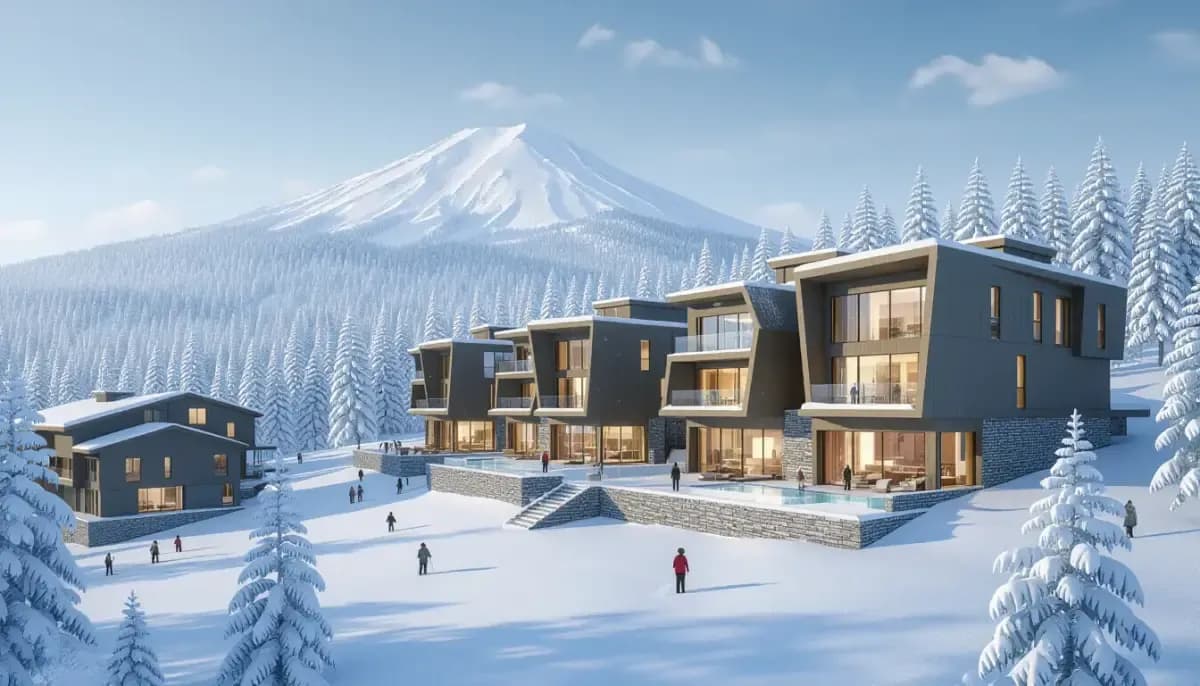
Hokkaido's 2024 tourism hit 8.92M visitors — a new record. Discover how Niseko, Furano, and Sapporo property markets are responding to the boom and what it means for foreign investors.
Hokkaido Property Development and Tourism Growth Outlook
Hokkaido, Japan's northernmost island, has transformed from a regional backwater into one of Asia's most exciting real estate investment destinations. Driven by record-breaking tourism numbers, international developer interest, and infrastructure improvements, the property development landscape across Hokkaido is undergoing a dramatic shift. Whether you're eyeing luxury ski condos in Niseko, emerging opportunities in Furano, or the more accessible Sapporo market, understanding the broader tourism and development trends is essential for making informed investment decisions.
This guide examines the forces reshaping Hokkaido's property market, what the tourism boom means for rental yields and capital appreciation, and where the most compelling opportunities lie for foreign investors over the coming decade.
Hokkaido's Tourism Boom: Record Numbers Driving Property Demand
The numbers tell a compelling story. In 2024, Hokkaido welcomed 8.92 million international visitors — a 12% increase above the 2019 pre-pandemic peak and a remarkable 44% jump from 2023. This wasn't just a recovery; it was a breakout year that redefined Hokkaido's global status as a tourism destination.
Tourist spending reached ¥1.59 trillion in 2024, 6% above the previous all-time high set in 2019. The economic ripple effects are substantial: tourism directly and indirectly supports over 117,000 jobs, contributes an estimated 5–6% to Hokkaido's regional GDP, and generates ¥40 billion annually in local tax revenue.
The diversity of visitors is also widening. South Korea leads with 1.5 million visitors (24% of the international total), followed by Taiwan at 1.35 million (22%) and Hong Kong at 602,670 (10%). Chinese and Singaporean travelers are growing rapidly as well. The appeal spans all seasons — natural scenery and outdoor activities draw 35% of visitors, food tourism accounts for 25%, winter sports and snow festivals bring in 20%, and hot springs tourism another 15%.
For property investors, this sustained tourism demand translates directly into rental income potential. Average occupancy in Hokkaido's registered accommodations hits 63.1 guests per facility per night — the highest in Japan. Ski lodges and short-term rental properties in prime locations routinely achieve winter occupancy rates exceeding 80%.
For context on Japan's broader property landscape, see our Complete Guide to Buying Property in Japan as a Foreigner and Japan Real Estate Market Overview and Trends.
Niseko: Japan's Premier Luxury Property Market
No discussion of Hokkaido property development is complete without Niseko. For six consecutive years, Niseko has ranked number one in Japan for land price appreciation — a distinction that reflects both its exceptional tourism fundamentals and the depth of international investor interest.
The numbers are extraordinary by any measure. Ultra-luxury condominiums now sell for "several hundred million yen" to over ¥1 billion per unit, with many projects selling out to overseas investors before construction even begins. Winter occupancy rates regularly exceed 80%, and average nightly accommodation rates have surpassed ¥100,000 — making Niseko one of the most expensive short-term rental markets in all of Asia.
A detailed 2025/2026 market review by C9 Hotelworks highlights that Hanazono and Niseko Village are emerging as the new focal submarkets reshaping the area's development trajectory. According to C9 Hotelworks, Hanazono's share of total residential inventory rose from 22% in 2020 to 31% in 2025, signaling a meaningful geographic shift in where the premium supply is concentrating.
FY2024/25 visitor arrivals at Niseko resort reached 3.2 million, and the area benefits from strong airlift through New Chitose Airport, which is now served by 44 airlines across 20 regional and international destinations.
The single biggest medium-term catalyst for Niseko remains the Hokkaido Shinkansen extension to Kutchan and Niseko, which will eventually connect central Tokyo to Niseko in approximately 4.5 hours. Originally targeted for 2030, the project has been delayed to 2039 due to geological complexities in tunnel construction. While this pushes back the timeline, it remains a powerful long-term demand driver — and savvy investors are positioning ahead of the eventual completion.
Peak-season nightly rates in Niseko run 2–5x higher than off-season months, which creates strong short-term rental economics for those who buy at current prices.
Furano: The Next Niseko Story
If Niseko represents the mature, premium tier of Hokkaido's property market, Furano is the chapter investors are watching most closely right now. The "next Niseko" narrative has real substance behind it.
Kitanomine area premium roadside land reached ¥82,000 ($556) per square meter as of January 1, 2024 — representing a staggering +30.2% year-on-year increase. More striking still, residential land prices in Kitanomine have increased fivefold over just five years. For context, the Hokkaido-wide average roadside land price rose only 2.4% in 2024 — meaning Furano is outperforming the regional average by more than 12 times.
Foreign overnight guests in Furano have grown to approximately 250,000 annually — a 4.2x increase over the past decade and 1.7x pre-pandemic levels. Total accommodation facilities numbered 278 as of mid-2024, up more than 20% from 168 at end of 2022. Fiscal year stays through March hit an all-time high of 860,000, up 12% year-on-year.
Nikkei Asia's reporting on Furano documents the wave of major developers now active in the area:
- Sekisui House is planning a luxury Westin hotel with construction potentially starting in 2026
- Parkwood Hotels Group (Malaysia) is building condominiums with Nozo Hotel, including ~300 square meter penthouses targeting an end-2026 opening
- Meiwa Estate is planning lodging facilities on the Kitanomine main street
- TUI & Nihon Shintatsu have signed a memorandum citing Furano as a potential future hotel site
- Flint Furano developed "Furano Lofts and Chalet" luxury properties featuring private onsens
- Kuukan Inc. launched "Shikauchi Furano" — four detached homes positioned between Farm Tomita and the ski resort
The combination of relatively lower entry prices than Niseko, strong appreciation momentum, and increasing institutional interest makes Furano one of the most watched markets in Hokkaido.
For information on the full range of regional markets, see our Buying Property in Hokkaido as a Foreigner: Sapporo, Niseko and Beyond guide.
Sapporo: The Accessible Growth Market
While Niseko and Furano attract the most international headlines, Sapporo offers a different investment proposition — more accessible price points, a large domestic rental market, and strong fundamental price appreciation driven by genuine economic and population dynamics.
Sapporo's residential land prices grew +8.4% year-on-year, while commercial land prices rose +10.3% — both comfortably outpacing the national average. In 2023, the city ranked 6th nationally with a land price increase rate of 13.22%. Sapporo is one of the few Japanese cities actually experiencing population growth (approximately 1.97 million residents) amid Japan's broader national population decline, which provides a structural demand floor that purely tourism-dependent markets lack.
Properties near Sapporo Station, Odori Park, and the iconic Sapporo Clock Tower command premium occupancy for short-term rentals. The city's draw spans both international tourists (the famous Sapporo Snow Festival in February) and domestic visitors year-round.
Gross rental yields in regional Hokkaido cities including Sapporo typically range from 5–7%, significantly above the 2–4% yields available in Tokyo's most competitive neighborhoods. This yield premium reflects both higher returns on capital and the somewhat higher management complexity of properties in more remote locations.
| Market | Land Price Growth (YoY) | Typical Entry Price Range | Gross Rental Yield | Tourism Driver |
|---|---|---|---|---|
| Niseko | #1 in Japan (6 years running) | ¥100M–¥1B+ | High (luxury tier) | International ski tourism |
| Furano Kitanomine | +30.2% | Rising fast, below Niseko | Strong (growing) | Ski + nature tourism |
| Sapporo | +8.4% residential, +10.3% commercial | ¥10M–¥100M+ | 5–7% | Year-round domestic & international |
| Otaru | Growing steadily | Lower than Sapporo | 5–7% | Historic port tourism |
| Hakodate | Moderate growth | Affordable | 5–7% | Cultural/food tourism |
Development Infrastructure: What's Being Built and When
The physical infrastructure underpinning Hokkaido's property development boom deserves careful attention, as it directly affects future property values.
New Chitose Airport Expansion: Already connected to 44 airlines across 20 regional and international destinations, New Chitose Airport serves as the main gateway for international visitors. Expansion projects are underway to increase capacity, which will support continued growth in international visitor volumes.
Hokkaido Shinkansen Extension: The extension from Shin-Hakodate-Hokuto to Kutchan and Sapporo represents the most significant long-term infrastructure project affecting Hokkaido property values. The Niseko/Kutchan segment, delayed from 2030 to 2039, will dramatically reduce travel times from Tokyo and reshape accessibility for both tourists and property owners.
Resort and Hospitality Development: Major international hotel brands are entering the market aggressively. Beyond the Westin project in Furano, Hokkaido is attracting Four Seasons, Banyan Tree, and other luxury operators, which elevates the entire market's profile and attracts high-net-worth visitors who become potential property buyers.
Digital Real Estate Innovation: Kuukan Inc. launched a real estate DX initiative for Hokkaido in 2026, indicating the market is professionalizing and becoming more accessible to overseas buyers through technology platforms.
For practical guidance on the purchasing process, visit our Step-by-Step Home Buying Process in Japan for Foreigners and Legal Procedures and Documentation for Japan Property Purchase.
Foreign Ownership: Rights, Restrictions and Practical Realities
Japan imposes no legal restrictions on foreign property ownership — foreigners hold identical rights to Japanese citizens when it comes to purchasing real estate. There is no requirement to hold a visa or residency to complete a purchase, and there are no nationality-based restrictions.
This openness has made Hokkaido, and particularly Niseko and Furano, among the most internationally diverse real estate markets in Asia. Australian, Singaporean, Hong Kong, and increasingly European investors have been active buyers for over two decades.
The practical challenges are different from legal restrictions but no less real:
Financing: Foreigners without permanent residency status effectively cannot borrow from traditional Japanese banks to purchase property. Most international buyers use cash, home-country financing against existing assets, or niche lenders who specialize in foreign buyer mortgage products. This cash-heavy market actually benefits buyers with capital access, as it limits competition and supports price stability.
Language Barrier: Hokkaido is described by local agents as "much less English-friendly than even Tokyo," which increases the importance of working with bilingual agents and lawyers. Key documents — purchase agreements, building inspection reports, registration filings — are all in Japanese.
Transaction Costs: Budget approximately 8–10% of property value for taxes and transaction costs on top of the purchase price. This includes stamp duty, registration taxes, agent commissions, and legal fees.
Property Management: Short-term rental management for a property you don't live near requires engaging a local property management company. Fees typically run 15–30% of rental income, which should be factored into yield calculations.
For detailed guidance, see our Visa and Residency Considerations for Property Buyers in Japan, Mortgages and Home Loans for Foreigners in Japan, and Hidden Costs and Fees When Buying Property in Japan.
Helpful external resources for foreigners living and investing in Japan include Living in Nihon, which covers lifestyle and residency considerations, and For Work in Japan for employment-related visa and residency guidance. For additional perspectives specifically on foreign property buying in Hokkaido, Gaijin Buy House offers community insights and market commentary.
Also see Pearl Property Japan's analysis of Hokkaido property market trends for current pricing data, and PropertyAccess's overview of emerging Hokkaido investment regions.
Outlook: What the Next 5–10 Years Look Like
The medium-term outlook for Hokkaido property is among the most compelling in Japan, driven by converging structural tailwinds:
Tourism Growth Continues: Japan's overall inbound tourism hit a new record of over 33 million visitors in 2024, and Hokkaido's share of that growth is expected to continue expanding. The combination of world-class winter sports, distinctive cuisine (seafood, dairy, ramen), hot springs culture, and increasingly year-round outdoor recreation creates a multi-season demand base that is increasingly rare in global ski destinations.
Yen Dynamics: With the Japanese yen remaining weak against the US dollar, Australian dollar, Euro, and other major currencies, international buyers enjoy significant purchasing power advantages. While currency movements are unpredictable, the structural factors behind yen weakness (demographics, monetary policy divergence) suggest this dynamic may persist for several years.
Aging Population and Akiya Opportunities: Japan's rapidly aging population is generating a growing stock of "akiya" (abandoned homes) throughout Hokkaido. While many require substantial renovation investment, well-located akiya properties in emerging tourist areas can offer extraordinary value — often available for minimal cost through local government programs.
Shinkansen Long Game: While the 2039 timeline is a long wait, history suggests that infrastructure announcements alone drive significant pre-completion price appreciation. Investors who bought near Hokkaido Shinkansen stations after the 2015 extension to Shin-Hakodate-Hokuto saw meaningful gains. Early positioning in Kutchan and surrounding areas may offer similar dynamics.
Regulatory Environment: Short-term rental regulations (minpaku rules) have created a more complex environment for Airbnb-style rentals in parts of Japan. Hokkaido has generally been more permissive than Tokyo or Kyoto, but investors should research current regulations carefully and plan for potential future changes.
For a comprehensive foundation before investing, read our Can Foreigners Buy Property in Japan? Legal Rights and Restrictions and Property Taxes and Annual Costs of Owning Property in Japan.
Hokkaido's trajectory is clear: a world-class tourism destination supported by increasing infrastructure investment, international developer confidence, and a uniquely accessible foreign ownership framework. For investors willing to navigate the practical complexities of buying in Japan, the combination of strong yields, genuine capital appreciation potential, and lifestyle value makes Hokkaido one of Asia's most interesting property stories for the decade ahead.

Originally from Vietnam, living in Japan for 16+ years. Graduated from Nagoya University, with 11 years of professional experience at Japanese and international companies. Sharing information about buying property in Japan for foreigners.
View Profile →Related Articles
Hakodate Property Guide for Foreign Buyers
Complete guide to buying property in Hakodate as a foreigner. Learn about prices (from ¥2M), legal rights, financing options, best areas, and how to navigate the purchase process in this affordable Hokkaido city.
Read more →
Hokkaido Winter Property Maintenance and Snow Management Guide
Complete guide to winter property maintenance in Hokkaido: snow removal costs, pipe freeze prevention, heating systems, insulation upgrades, and annual budgets for foreign property owners.
Read more →
Hokkaido Rental Yield Analysis for Foreign Investors
Comprehensive Hokkaido rental yield analysis for foreign investors — comparing Niseko, Sapporo, Furano and rural areas. Includes yield data, tax costs, financing tips and area comparisons.
Read more →
Hokkaido Vacation Home Guide for Foreign Buyers
Complete guide to buying a vacation home in Hokkaido as a foreigner. Learn about Niseko, Sapporo, costs, rental income, legal process, and financing options for overseas buyers.
Read more →
Otaru Property Guide for Foreign Buyers
Complete guide to buying property in Otaru, Japan as a foreigner. Covers prices (avg ¥14.1M), legal rights, financing challenges, buying process, and investment potential in this historic Hokkaido port city.
Read more →
Furano and Tomamu Resort Property Guide for Foreigners
Complete guide to buying resort property in Furano and Tomamu, Hokkaido as a foreigner. Property prices, buying process, rental income potential, costs, and tips for foreign investors in Japan's ski resort market.
Read more →