
Hokkaido Rural and Farmland Property Guide for Foreigners

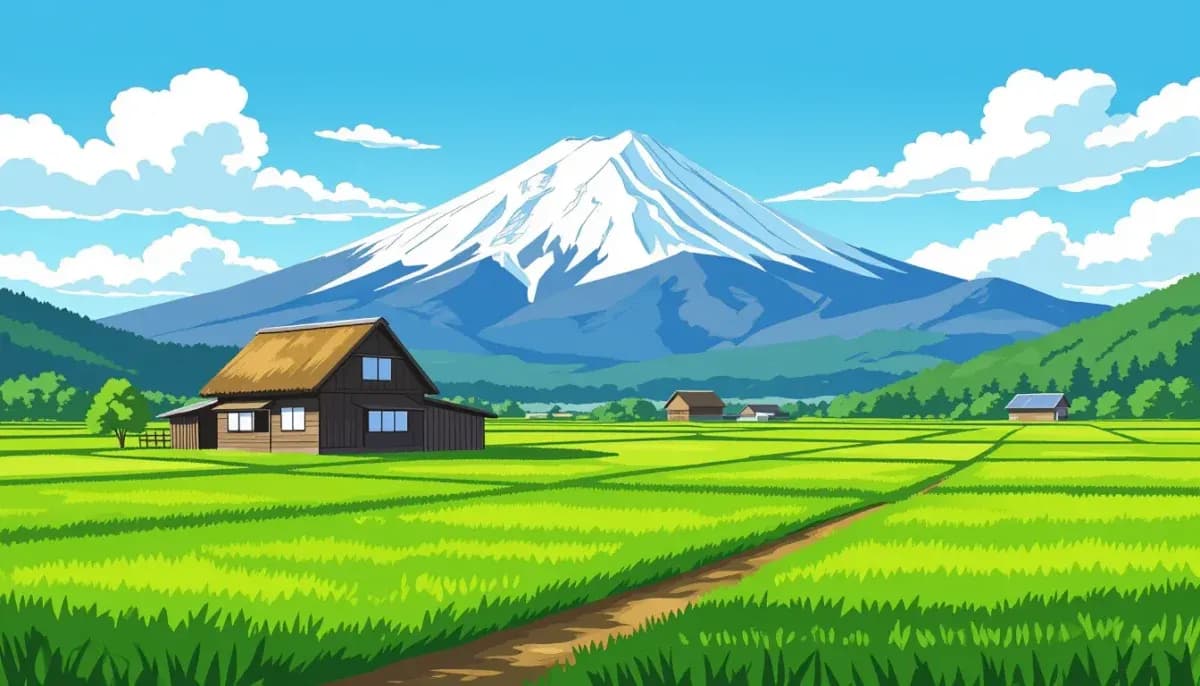
Complete guide to buying rural and farmland property in Hokkaido as a foreigner. Learn about Agricultural Committee approval, farmland restrictions, costs, financing, and top rural areas.
Hokkaido Rural and Farmland Property Guide for Foreigners
Hokkaido, Japan's northernmost island, holds a special allure for foreigners dreaming of a rural lifestyle — expansive farmland, snow-capped mountains, unspoiled nature, and a quieter pace of life far removed from Tokyo's urban sprawl. Whether you're envisioning a small homestead, an agricultural venture, or simply a countryside retreat, Hokkaido offers some of the most affordable and accessible rural properties in Japan. But buying rural or farmland property here as a foreigner comes with its own unique set of rules, challenges, and opportunities.
This comprehensive guide walks you through everything you need to know: the legal framework for foreign buyers, the specific restrictions around agricultural land, step-by-step processes for approval, costs, financing, and practical tips for making your Hokkaido rural property dream a reality.
Can Foreigners Buy Rural Property in Hokkaido?
The short answer is yes — with important distinctions depending on the type of land.
Residential and commercial land: Japan allows foreigners to own property on a 100% freehold basis, with no restrictions based on nationality or residency status. This applies fully to rural residential properties (homes on non-agricultural land) throughout Hokkaido. You do not need permanent residency, a special visa, or Japanese citizenship.
Agricultural (farmland) property: This is where things get significantly more complex. Farmland in Japan is governed by the Agricultural Land Act (農地法), which requires explicit permission from the local Agricultural Affairs Committee (農業委員会, nōgyō iinkai) before any transfer of ownership can be registered. This rule applies to all buyers, not just foreigners — but as a foreign buyer, demonstrating the required farming commitment adds additional layers of complexity.
Forestland: Foreigners can generally purchase forestland, though properties near strategic locations (water sources, national security areas) may require additional government notification.
It's worth noting that Japan is tightening its rules around foreign farmland acquisition. As of April 2025, new regulations require applicants to provide detailed information about residency status, and local prefectures are implementing their own additional requirements amid growing food security concerns. If you're serious about buying farmland, acting sooner rather than later is advisable.
For a broader overview of foreign property ownership rights in Japan, see our guide on Can Foreigners Buy Property in Japan? Legal Rights and Restrictions.
Understanding the Agricultural Land Act: Rules for Farmland Purchase
The Agricultural Land Act is the central law governing farmland transactions in Japan. Here's what foreign buyers need to understand:
Agricultural Committee Approval is Mandatory
Without a certificate of approval from the local Agricultural Committee, you cannot register ownership of farmland — even after paying the full purchase price. This approval is not a formality; it requires demonstrating genuine farming intent.
Farming Commitment Requirements
To receive approval, buyers must commit to:
- Full-time farming: You must farm the land as a primary occupation, not as a weekend hobby. The standard is approximately 150 days per year of active farming.
- Active land management: The land cannot be left unattended or abandoned.
- No conversion without additional permits: You cannot convert farmland to hotels, residences, or other non-agricultural uses without a separate land-use conversion permit.
- Long-term commitment: Buyers historically had to maintain farmland status for at least 3 years (though 2023 revisions modified some rules).
What Changed in April 2023
Good news for small-scale buyers: A revised farmland law effective April 2023 eliminated the previous minimum acreage requirements (which had been as strict as 2,000 ㎡ in some areas). However, the full-time farming obligation and active land management requirements remain firmly in place.
The Corporate Purchase Route
If you're not planning to personally farm the land, there's an alternative: establishing a Japanese corporation to purchase farmland. The requirements are:
- Local farmers must hold 75% or more of voting rights in the company
- The company must employ a minimum of two farmers working at least 150 days annually
- Farming must be designated as the company's primary business objective
This route is more complex but viable for investors interested in agricultural ventures without personally farming.
Learn more about the full legal process in our Legal Procedures and Documentation for Japan Property Purchase guide.
Step-by-Step: Getting Agricultural Committee Approval
If you plan to buy farmland and farm it personally, here is the approval process:
Step 1: Establish Local Residency
You must establish a registered address (住民票, jūminhyō) in the municipality where the farmland is located. This is a prerequisite for the application.
Step 2: Prepare Your Farming Business Plan
Submit a detailed farming business plan to the Agricultural Committee that includes:
- Specific crop types you intend to grow
- Equipment you own or plan to acquire (tractors, tools, irrigation systems)
- Farming methods (conventional, organic, etc.)
- Projected income and operational timeline
- Evidence of relevant farming experience or training
Step 3: Submit the Application
Applications are reviewed by the local Agricultural Committee, typically at monthly or bi-monthly meetings. The committee evaluates whether the purchase will result in effective agricultural use of the land.
Step 4: Receive Approval Certificate
Upon approval, you receive a certificate allowing you to proceed with the property registration. Without this certificate, no transfer of ownership can be registered at the legal affairs bureau.
Step 5: Complete Purchase and Register Ownership
With the certificate in hand, proceed to sign the purchase contract, pay the purchase price, and register the transfer of ownership with the local legal affairs bureau (法務局).
For help navigating Japanese bureaucratic processes, resources like Living in Nihon offer useful guides for foreigners adapting to life and systems in Japan.
Types of Rural Properties in Hokkaido
Hokkaido's vast landscape offers diverse rural property types, each suited to different goals:
| Property Type | Typical Use | Price Range | Farmland Restrictions |
|---|---|---|---|
| Akiya (空き家) rural homes | Countryside living, renovation | ¥2M–¥10M | None (residential land) |
| Non-agricultural rural land | Home construction, lifestyle | ¥5M–¥30M | None |
| Mixed farmland + residence | Live and farm | ¥5M–¥20M | Agricultural Committee approval needed for farmland portion |
| Pure farmland | Commercial agriculture | ¥3M–¥15M/ha | Full Agricultural Committee process required |
| Forestland | Timber, recreation, retreat | ¥1M–¥8M/ha | Notification required; few restrictions |
| Ski resort area property | Investment, vacation home | ¥20M–¥200M+ | None (non-agricultural) |
Akiya: The Gateway to Rural Hokkaido
For many foreigners, akiya (空き家, vacant homes) are the most accessible entry point into rural Hokkaido. These abandoned or long-vacant homes are listed through municipal akiya banks — online databases operated by local governments to connect buyers with owners of vacant properties.
Hokkaido has one of the better-organized akiya bank systems in Japan, with regularly updated listings. Prices range from as low as ¥500,000 for properties needing major renovation to ¥5M–¥8M for move-in ready homes on non-agricultural land. Budget an additional ¥3M–¥15M for substantial renovation work.
Unlike farmland, purchasing a rural akiya home (on non-agricultural land) requires no Agricultural Committee approval and follows the standard property purchase process available to any foreigner.
Costs of Buying Rural Property in Hokkaido
Whether buying residential rural land or navigating the farmland process, budget carefully for all costs involved:
| Cost Item | Amount |
|---|---|
| Purchase price | Varies widely |
| Real Estate Acquisition Tax | 3–4% of assessed value |
| Registration Tax | 0.4–2% of property value |
| Agent Commission | 3% of price + ¥60,000 |
| Judicial Scrivener (司法書士) fee | ¥100,000–¥300,000 |
| Property Inspection | ¥50,000–¥150,000 |
| Translation/Interpretation | ¥50,000–¥200,000 |
| Annual Fire Insurance | ¥20,000–¥50,000/year |
| Total Additional Costs | 6–10% of purchase price |
For rural properties, additional infrastructure costs may apply:
- Well drilling (if no municipal water supply): ¥500,000–¥2,000,000
- Septic tank installation: ¥300,000–¥800,000
- Road access confirmation: Verify the property has legal access to a public road (required for building permits)
For a detailed breakdown of all buying costs, see our guide on Hidden Costs and Fees When Buying Property in Japan.
Financing: Mortgages for Rural Hokkaido Properties
Obtaining a mortgage as a foreign buyer in Hokkaido, particularly for rural properties, is challenging. Here's the reality:
Non-residents and short-stay visa holders: Traditional Japanese banks rarely extend mortgages. Cash purchases are the norm for buyers without permanent residency.
Permanent residents and long-term work visa holders: Better access to standard mortgage products. Interest rates typically range from 0.5%–2.5% for standard home loans.
Rural and agricultural properties: Even Japanese citizens face stricter lending criteria for rural land purchases due to lower collateral value and less liquid markets. Foreign buyers face additional scrutiny.
Practical financing options for foreign buyers:
- Cash purchase (most common for non-residents)
- Home country financing (equity release, foreign mortgage)
- Japan-based financing with permanent residency
- Partner with a Japanese co-buyer or company structure
Understanding your financing situation before searching for properties is critical. Our guide on Mortgages and Home Loans for Foreigners in Japan covers all available options in detail. You can also find practical mortgage application guidance at Gaijin Buy House's foreigner mortgage guide.
Popular Rural Areas in Hokkaido for Foreign Buyers
Hokkaido's rural regions each offer distinct characteristics:
| Region | Character | Appeal for Foreigners | Price Level |
|---|---|---|---|
| Furano / Biei | Lavender fields, rolling farmland | Scenic beauty, ski access, tourism potential | Medium |
| Niseko area | Ski resort, international community | Strong rental yields, English-speaking community | High |
| Tokachi Plain | Major agricultural area | Genuine farming lifestyle, vast open land | Low–Medium |
| Abashiri / Shiretoko | Remote eastern Hokkaido | Wildlife, unspoiled nature, very affordable | Low |
| Kutchan / Rusutsu | Ski resort fringe | Winter tourism, growing expat community | Medium–High |
| Hakodate area | Southern Hokkaido | Historic city access, milder climate | Low–Medium |
Niseko: The International Rural Community
The Niseko area has attracted significant foreign investment and has developed a small but real international community. English-speaking real estate agents are more available here than elsewhere in Hokkaido, making it a more accessible starting point for foreign buyers navigating the system.
Tokachi: For Serious Farmers
The Tokachi Plain is Hokkaido's agricultural heartland — vast, flat, and highly productive. If you genuinely intend to farm, this is where serious agricultural ventures happen. The Agricultural Committee processes here are well-established, though approval remains rigorous.
For a broader look at buying property throughout Hokkaido, see our Buying Property in Hokkaido as a Foreigner: Sapporo, Niseko guide.
Practical Challenges and How to Overcome Them
Language Barrier
Hokkaido is significantly less English-friendly than even Tokyo. Most real estate agents, Agricultural Committee offices, and municipal akiya bank staff work exclusively in Japanese.
Solution: Hire a bilingual real estate agent, a judicial scrivener (司法書士) with English capability, and consider consulting with a translator for key negotiations and document review.
Building Inspection
Rural properties, especially akiya, may have structural issues, aging infrastructure, and outdated systems. A professional building inspection before purchase is essential.
Solution: Budget ¥50,000–¥150,000 for a certified inspector. Don't skip this step for older properties.
Road Access Verification
Rural land in Japan must have legal access to a public road for building permits to be issued. Some parcels lack this access.
Solution: Have your agent or judicial scrivener verify road access status before committing to any purchase.
Utilities in Remote Areas
Some rural Hokkaido properties rely on private wells and septic systems rather than municipal water and sewage.
Solution: Factor in potential infrastructure costs and have wells tested before purchase.
Navigating National Security Regulations
Since 2022, Japan has implemented stricter review requirements for property purchases near designated sensitive areas (military facilities, critical infrastructure). While this rarely affects typical rural property buyers, it's worth confirming with your agent if the property is in a flagged zone.
For information on how your visa and residency status intersects with property ownership, see our Visa and Residency Considerations for Property Buyers in Japan guide. Additional resources for foreigners navigating life in Japan are available at For Work in Japan.
Investment Potential: Rural Hokkaido as a Long-Term Hold
For those viewing rural Hokkaido property as an investment rather than (or in addition to) a lifestyle choice:
- Rental yields: Hokkaido properties generate typical yields of 4–8% annually, with peak demand during winter ski season and summer tourism months.
- Long-term appreciation: While urban Sapporo has seen strong appreciation, purely rural areas remain more speculative. Properties in established tourism zones (Niseko, Furano) have significantly outperformed.
- Agricultural income potential: Successful farming operations can generate supplemental income, though farming in Hokkaido requires significant capital investment in equipment and infrastructure.
- Akiya renovation and resale: Buying, renovating, and either renting or reselling a rural akiya can be viable but requires careful cost management.
Rural property in Japan is less liquid than urban property, so plan for a longer-term hold of 7–10+ years if purchasing in remote areas.
Summary: Is Rural Hokkaido Right for You?
Rural and farmland property in Hokkaido offers genuine opportunities for foreigners seeking space, nature, and a lifestyle far from Japan's crowded urban centers. The path is clearer for residential rural properties and akiya, while farmland purchases require navigating the Agricultural Committee approval process with serious farming commitment.
Key takeaways:
- Residential rural land: Fully accessible to foreigners; standard purchase process applies
- Farmland: Requires Agricultural Committee approval and genuine full-time farming commitment
- Cash purchase: Most practical option for non-residents
- Language support: Essential — engage bilingual professionals
- Due diligence: Road access, infrastructure, and structural inspection are critical
Start your broader Japan property journey with our Complete Guide to Buying Property in Japan as a Foreigner, and explore other rural options in our Rural and Countryside Properties in Japan for Foreign Buyers guide.
For research on Hokkaido real estate agents specializing in foreign buyers, Find Hokkaido Agents maintains a directory of English-capable professionals. HN Property's Hokkaido buyer's guide is also a valuable resource for understanding the local market in detail.

Originally from Vietnam, living in Japan for 16+ years. Graduated from Nagoya University, with 11 years of professional experience at Japanese and international companies. Sharing information about buying property in Japan for foreigners.
View Profile →Related Articles
Hokkaido Property Development and Tourism Growth Outlook
Hokkaido's 2024 tourism hit 8.92M visitors — a new record. Discover how Niseko, Furano, and Sapporo property markets are responding to the boom and what it means for foreign investors.
Read more →
Hakodate Property Guide for Foreign Buyers
Complete guide to buying property in Hakodate as a foreigner. Learn about prices (from ¥2M), legal rights, financing options, best areas, and how to navigate the purchase process in this affordable Hokkaido city.
Read more →
Hokkaido Winter Property Maintenance and Snow Management Guide
Complete guide to winter property maintenance in Hokkaido: snow removal costs, pipe freeze prevention, heating systems, insulation upgrades, and annual budgets for foreign property owners.
Read more →
Hokkaido Rental Yield Analysis for Foreign Investors
Comprehensive Hokkaido rental yield analysis for foreign investors — comparing Niseko, Sapporo, Furano and rural areas. Includes yield data, tax costs, financing tips and area comparisons.
Read more →
Hokkaido Vacation Home Guide for Foreign Buyers
Complete guide to buying a vacation home in Hokkaido as a foreigner. Learn about Niseko, Sapporo, costs, rental income, legal process, and financing options for overseas buyers.
Read more →
Otaru Property Guide for Foreign Buyers
Complete guide to buying property in Otaru, Japan as a foreigner. Covers prices (avg ¥14.1M), legal rights, financing challenges, buying process, and investment potential in this historic Hokkaido port city.
Read more →