
Sapporo vs Tokyo Property Investment Comparison


Comprehensive Sapporo vs Tokyo property investment comparison for foreign buyers. Compare prices, rental yields (5.56% vs 3.5%), capital growth, financing options, and which city suits your investment goals.
Sapporo vs Tokyo Property Investment Comparison: Which City Is Right for You?
Japan's property market offers foreign investors two very different opportunities: the global powerhouse of Tokyo and the emerging regional star of Sapporo. Choosing between these cities is not simply a matter of budget — it's a strategic decision that hinges on your goals, risk tolerance, timeline, and lifestyle preferences. In this comprehensive guide, we break down the Sapporo vs Tokyo property investment comparison across all the key dimensions, from purchase prices and rental yields to visa requirements, financing, and long-term growth potential.
Whether you're a first-time buyer exploring Japan real estate or a seasoned investor looking to diversify your portfolio, this guide will help you make an informed decision about where to put your money.
Price Comparison: Entry Costs and Affordability
The most immediate difference between Sapporo and Tokyo is price. Tokyo is one of the most expensive real estate markets in Asia, while Sapporo remains significantly more affordable — making it attractive for investors with limited capital or those looking for better value.
In Tokyo, the average price of a new condominium in the 23 wards has surpassed ¥91–94 million (approximately $620,000–$640,000 USD) as of 2025. Premium districts like Minato and Shibuya push prices even higher, with land prices approaching ¥2,000,000 per square meter in top areas. Even secondhand properties in central Tokyo rarely fall below ¥40–50 million for a livable unit.
Sapporo tells a different story. The average home price in Sapporo hovers around ¥28 million, making it dramatically more accessible. Even newly built condominiums, which averaged ¥61.2 million in March 2025 (up 5% year-over-year), are still far cheaper than Tokyo equivalents. Secondhand units can be found in the ¥20–25 million range, giving budget-conscious investors a genuine entry point into Japan's real estate market.
For foreign investors, this price gap translates directly into lower financing requirements and lower risk exposure. With entry costs 40–50% below Tokyo, Sapporo allows investors to achieve meaningful exposure to Japan real estate without committing hundreds of millions of yen.
For a comprehensive overview of property purchasing as a foreigner, see our Complete Guide to Buying Property in Japan as a Foreigner.
Rental Yields: Which City Delivers Better Returns?
Perhaps the most important metric for income-focused investors is rental yield — the annual rental income as a percentage of the property's purchase price. Here, Sapporo holds a clear advantage over Tokyo.
Sapporo's average gross rental yield is approximately 4.98–5.56%, placing it among the highest-yielding major cities in Japan. Tokyo, by contrast, offers average gross yields of just 3.4–3.59%, reflecting the premium pricing of the capital market. When you factor in management fees, maintenance, and property taxes, net yields in Tokyo can drop to 2–3%, significantly reducing actual cash flow.
Sapporo's yield advantage becomes even more pronounced in the short-term rental segment. Thanks to strong tourism demand driven by skiing at Niseko and surrounding resorts, Sapporo's short-term rental yield reaches an impressive 21.32% — the highest among Japan's regional cities. Investors who operate vacation rentals or Airbnb-style accommodations during peak ski season (December through March) and summer festivals can generate returns that far exceed what is possible in Tokyo's more regulated and saturated rental market.
| City | Average Property Price (New Condo) | Gross Rental Yield | Short-Term Rental Yield |
|---|---|---|---|
| Tokyo | ¥91–94 million | 3.4–3.59% | ~5–8% |
| Sapporo | ¥61.2 million (new) / ¥20–25M (used) | 4.98–5.56% | 21.32% |
| Osaka | ¥45–55 million | 4.0–4.5% | 10–15% |
| Fukuoka | ¥35–45 million | 4.5–5.0% | 12–18% |
For more detail on rental income and annual property costs in Japan, read our guide on Property Taxes and Annual Costs of Owning Property in Japan.
Capital Growth Potential: Long-Term Appreciation
While Sapporo leads on current yields, Tokyo has historically provided stronger capital appreciation — and it continues to do so. Tokyo property prices surged 12.62% year-over-year in 2025, with newly built condos in some areas exceeding 20% annual appreciation. The city's 96.6% residential occupancy rate signals the intensity of demand, and Tokyo consistently ranks as Asia's top city for real estate investment.
That said, Sapporo is catching up. Sapporo's land prices jumped 8.4% in 2024, with Chuo Ward (the central business district) leading at nearly 14% growth. The broader Hokkaido region saw land value growth of 5.8% annually, outpacing many established metropolitan areas.
The biggest catalyst for Sapporo's future appreciation is infrastructure. A Shinkansen (bullet train) line to Sapporo is currently under construction and is expected to be completed by 2030. This will dramatically reduce travel time between Sapporo and Tokyo, making Sapporo far more accessible and desirable for both residents and investors. Historically, Shinkansen connections have driven significant property price increases in connected cities — Kanazawa saw prices rise 20–30% within a few years of its Shinkansen opening. Many analysts expect a similar effect in Sapporo once the line opens.
For a broader understanding of how Japan's real estate market is evolving, read our Japan Real Estate Market Overview and Trends for Foreign Investors.
Financing and Mortgage Options for Foreigners
Accessing mortgage financing as a foreign national is a key challenge in Japan, and the options differ slightly between Tokyo and Sapporo — though the overall framework applies nationally.
Japan does not restrict foreign property ownership, and foreigners have the same legal ownership rights as Japanese citizens. However, mortgage access depends heavily on your residency status and income level.
The most foreigner-friendly lender is SMBC Trust Bank PRESTIA, which offers home loans to non-permanent residents with an annual income above ¥5 million yen. Interest rates range from 0.6–1.6% for Japanese residents and permanent residents, rising to 1.8–3.5% for non-residents. Loan-to-value (LTV) ratios typically reach 50–80% depending on residency status.
For non-residents purchasing in either city, closing costs are notably higher: 12–18% of the purchase price compared to 7–10% for residents. This upfront cost should be factored into any investment calculation. However, the lower absolute prices in Sapporo mean that even with higher percentage costs, the total amount required is significantly less than for a comparable Tokyo purchase.
Read our detailed guide on Mortgages and Home Loans for Foreigners in Japan for more information on lenders, eligibility, and documentation requirements.
For an in-depth look at the legal rights of foreign buyers, see Can Foreigners Buy Property in Japan? Legal Rights and Restrictions.
Lifestyle, Risk, and Investment Profile
Beyond the numbers, Sapporo and Tokyo represent fundamentally different investment environments suited to different investor profiles.
Tokyo is for investors who prioritize liquidity, stability, and capital preservation. Tokyo's real estate market is among the most liquid in Asia — you can sell a well-located Tokyo property relatively quickly compared to regional markets. The city's massive population (37+ million in the greater metro area), diverse economy, and status as a global financial hub create an extremely low-vacancy environment. Tokyo is ideal if you want a long-term, low-volatility investment with steady appreciation and moderate rental income.
Sapporo is for investors who are willing to accept slightly more market risk in exchange for higher yields, lower entry costs, and greater upside potential. Sapporo's growing population among young professionals, its world-class winter tourism (hosting the 2030 Winter Olympics), and the coming Shinkansen connection make it an asymmetric opportunity — relatively cheap now, with multiple catalysts for significant appreciation over the next 5–10 years.
Sapporo also offers a significantly better quality of life for many expats: cleaner air, less crowding, lower cost of living (approximately 24–25% below Tokyo), and a distinct four-season experience defined by Hokkaido's dramatic winters and beautiful summers. If you're considering living in your investment property, Sapporo offers considerably more space and comfort per yen spent.
For investors focused specifically on Tokyo, we recommend reading Buying Property in Tokyo as a Foreigner: Complete Area Guide. For Sapporo and the broader Hokkaido region, see Buying Property in Hokkaido as a Foreigner: Sapporo, Niseko and Beyond.
Practical Steps: How to Buy Property in Either City
Regardless of which city you choose, the property buying process in Japan follows the same general framework. Foreign buyers register ownership directly with Japan's Legal Affairs Bureau — identical to Japanese citizens — and the process typically takes 4–8 weeks for cash purchases or 8–12 weeks with financing.
Key steps include:
- Property search: Use agents who specialize in working with foreign buyers, or platforms like SUUMO, HOME'S, or At Home for listings
- Due diligence: Inspect title status, building compliance, and earthquake resistance ratings (particularly important for older Sapporo buildings, which can experience heavy snow loads)
- Purchase agreement: Review carefully with a bilingual agent or attorney
- Judicial scrivener (shiho shoshi): Required professional for ownership registration — budget ¥80,000–¥150,000
- Tax registration: Non-residents must appoint a tax agent for property tax notices
Note that starting April 2026, all property buyers in Japan must declare their nationality when registering ownership — a new transparency requirement that affects non-resident investors.
For a step-by-step walkthrough, see our Step-by-Step Home Buying Process in Japan for Foreigners and our guide on Hidden Costs and Fees When Buying Property in Japan.
External Resources and Further Reading
For expats navigating life in Japan including housing and residency considerations, Living in Nihon's guide to buying property and mortgages in Japan is an excellent starting point covering the full purchase process for foreigners.
For those working in Japan and considering whether to rent or buy as part of their residency planning, For Work in Japan's housing and living infrastructure guide provides practical context on building your life in Japan as a foreign worker.
Gaijin Buy House offers a community and resource hub specifically for foreign buyers in Japan, with forums and guides covering both Sapporo and Tokyo markets.
For the latest data on Japanese rental yields and price trends, Global Property Guide's Japan rental yields analysis provides up-to-date statistics on returns across major cities.
Bamboo Routes' comprehensive guide to buying property in Sapporo is one of the most detailed English-language resources available on the Sapporo market specifically, covering financing, legal issues, and neighborhood analysis.
Conclusion: Making Your Decision
The Sapporo vs Tokyo property investment comparison ultimately comes down to your priorities:
- Choose Tokyo if you want maximum liquidity, global-city prestige, strong long-term capital appreciation, and a deep rental market — and you have the capital to absorb higher entry prices and lower initial yields.
- Choose Sapporo if you want higher rental yields, lower entry costs, strong short-term rental potential, significant upside from the 2030 Shinkansen opening, and a more affordable, livable city — with the understanding that Sapporo is a growing but still emerging market.
Many experienced investors are choosing both: a stable Tokyo property for capital preservation and a Sapporo property for yield and growth. As Japan continues to attract global investment interest and as regional cities benefit from infrastructure upgrades, both cities offer compelling long-term opportunities for foreign buyers willing to navigate the Japanese real estate market.
Whatever you decide, ensure you work with experienced bilingual agents, understand your tax obligations in both Japan and your home country, and conduct thorough due diligence before committing capital. Japan is one of the most welcoming and transparent real estate markets for foreign investors — and both Sapporo and Tokyo offer real, lasting value for those who approach the market thoughtfully.

Originally from Vietnam, living in Japan for 16+ years. Graduated from Nagoya University, with 11 years of professional experience at Japanese and international companies. Sharing information about buying property in Japan for foreigners.
View Profile →Related Articles
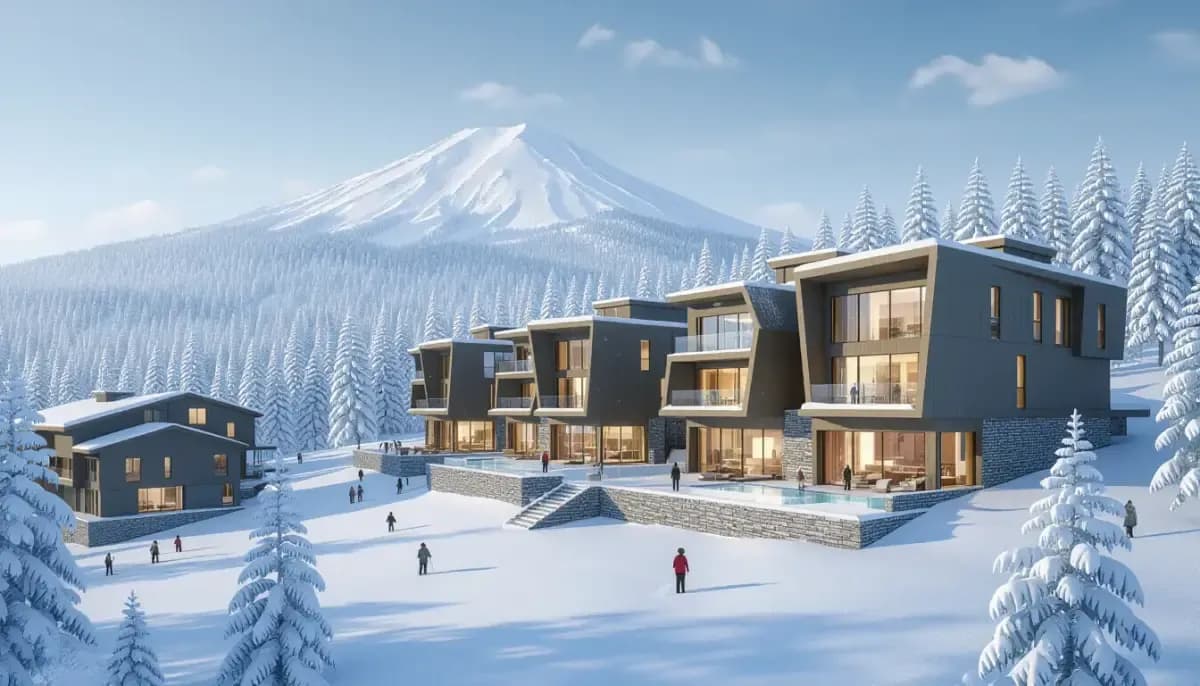
Hokkaido Property Development and Tourism Growth Outlook
Hokkaido's 2024 tourism hit 8.92M visitors — a new record. Discover how Niseko, Furano, and Sapporo property markets are responding to the boom and what it means for foreign investors.
Read more →
Hakodate Property Guide for Foreign Buyers
Complete guide to buying property in Hakodate as a foreigner. Learn about prices (from ¥2M), legal rights, financing options, best areas, and how to navigate the purchase process in this affordable Hokkaido city.
Read more →
Hokkaido Winter Property Maintenance and Snow Management Guide
Complete guide to winter property maintenance in Hokkaido: snow removal costs, pipe freeze prevention, heating systems, insulation upgrades, and annual budgets for foreign property owners.
Read more →
Hokkaido Rental Yield Analysis for Foreign Investors
Comprehensive Hokkaido rental yield analysis for foreign investors — comparing Niseko, Sapporo, Furano and rural areas. Includes yield data, tax costs, financing tips and area comparisons.
Read more →
Hokkaido Vacation Home Guide for Foreign Buyers
Complete guide to buying a vacation home in Hokkaido as a foreigner. Learn about Niseko, Sapporo, costs, rental income, legal process, and financing options for overseas buyers.
Read more →
Otaru Property Guide for Foreign Buyers
Complete guide to buying property in Otaru, Japan as a foreigner. Covers prices (avg ¥14.1M), legal rights, financing challenges, buying process, and investment potential in this historic Hokkaido port city.
Read more →