
Hokkaido Rental Yield Analysis for Foreign Investors


Comprehensive Hokkaido rental yield analysis for foreign investors — comparing Niseko, Sapporo, Furano and rural areas. Includes yield data, tax costs, financing tips and area comparisons.
Hokkaido Rental Yield Analysis for Foreign Investors
Hokkaido has quietly emerged as one of Japan's most compelling destinations for foreign real estate investors, offering a rare combination of high rental yields, strong capital appreciation, and a lifestyle appeal that few other regions can match. From the world-class ski slopes of Niseko to the expanding urban core of Sapporo, Hokkaido delivers yield opportunities that consistently outperform Japan's major metro markets.
This comprehensive rental yield analysis breaks down the numbers by area, property type, and investor profile — giving you the data you need to make an informed decision about investing in Hokkaido real estate.

Understanding Rental Yields in Hokkaido
Rental yield is the annual return on a property investment expressed as a percentage of its purchase price. In Hokkaido, yields vary significantly depending on location, property type, and whether you're operating short-term or long-term rentals.
Japan's national average gross rental yield sits at approximately 4.34% as of Q3 2025 — but Hokkaido consistently beats this benchmark. Regional Hokkaido areas offer 6–8% gross yields, while even Sapporo's urban core delivers 4–5% for well-positioned properties. Niseko's premium ski resort properties can push yields to 8–12% during peak winter season.
The key driver behind these elevated yields is the supply-demand imbalance. Hokkaido attracts millions of domestic and international tourists annually, while property prices in many areas remain accessible compared to Tokyo or Osaka. This creates a favorable yield environment for foreign investors who can navigate the local market.
For a deeper understanding of the broader Japan investment landscape, read our Japan Real Estate Investment Guide for Foreigners.
Hokkaido Rental Yield by Area
Different parts of Hokkaido offer very different yield profiles. Here's how the major investment zones compare:
| Area | Property Type | Gross Yield | Avg Purchase Price | Best For |
|---|---|---|---|---|
| Niseko (Hirafu) | Ski condo/villa | 6–12% | ¥50M–¥300M+ | Short-term rental |
| Sapporo (Susukino) | Studio/1LDK | 4.8–5.2% | ¥8M–¥25M | Long-term rental |
| Sapporo (Shin-Sapporo) | 1K–2LDK | 4.3–4.7% | ¥6M–¥18M | Long-term rental |
| Otaru | Townhouse/condo | 5–7% | ¥5M–¥20M | Mid-term rental |
| Furano | Resort property | 5–9% | ¥10M–¥60M | Short/mid-term |
| Hakodate | Apartment/house | 5–7% | ¥4M–¥15M | Long-term rental |
| Rural Hokkaido | Detached house | 6–10% | ¥2M–¥10M | Vacation rental |
Niseko: Japan's Highest-Yield Resort Market
Niseko has ranked #1 in Japan for land price increases for six consecutive years, dramatically outpacing even Tokyo and Osaka. Well-managed ski chalets and condominiums achieve 6–10% gross yields during winter season (December–March), with premium properties pushing beyond 12% when factoring in summer golf and outdoor tourism.
The numbers behind Niseko's appeal are striking:
- Winter occupancy rates above 80% for well-managed properties
- Average nightly rates exceeding ¥100,000 for quality ski-in/ski-out properties
- Strong demand from Australian, Chinese, Singaporean, and European buyers
- Limited new supply relative to demand, supporting price appreciation
For short-term rental regulations that apply to Niseko and other Hokkaido resort areas, see our guide on Short-Term Rentals and Airbnb (Minpaku) in Japan.
Sapporo: Urban Stability with Solid Yields
Sapporo offers a more balanced investment profile. As Japan's 5th-largest city with a growing population of approximately 1.97 million, Sapporo provides reliable long-term rental demand from students, professionals, and families.
Sapporo's highest-yield neighborhoods:
- Susukino: ~5.2% gross yield (entertainment and restaurant district, high tenant demand)
- Shin-Sapporo: 4.3–4.7% (developing transit hub, strong rental demand)
- Odori: ~4.4% (central business district, premium tenant pool)
- Kotoni: ~4.1% (residential neighborhood, stable family rentals)
Average long-term monthly rents in central Sapporo range from ¥110,000–¥135,000 for 70 sqm properties. Sapporo land prices surged 40.6% from 2019–2024, and forecasts project continued appreciation of 2–4% annually through 2026.

Short-Term vs Long-Term Rental Strategies
Your rental strategy significantly impacts your yield and management complexity.
Short-Term Rentals (Minpaku)
Short-term rentals — including platforms like Airbnb — offer the highest potential yields in Hokkaido's resort areas, but come with regulatory constraints. Under Japan's Minpaku Law, standard properties are limited to 180 days per year of short-term rental operation unless located in specially designated tourism zones.
Niseko and some parts of Furano have received special tourism zone designations, allowing year-round operation for qualifying properties. This dramatically improves yield calculations for resort-area investors.
Advantages: Higher per-night rates, flexibility for personal use Disadvantages: Seasonal income fluctuations, management intensity, regulatory complexity
For a full breakdown of regulations and tips for foreign landlords managing short-term rentals, see our Rental Property Investment in Japan for Foreign Landlords guide.
Long-Term Rentals
Long-term rentals offer stability and lower management overhead. In Sapporo and other urban areas, monthly rents are predictable and tenant turnover is relatively low for quality properties.
Advantages: Stable income, simpler management, suitable for overseas owners Disadvantages: Lower per-unit yield compared to short-term resort rentals
For overseas property owners managing rentals remotely, professional property management is essential. Read our guide on Property Management for Overseas Owners in Japan.
Costs That Impact Net Yield
Gross yield is only part of the story. Understanding your costs is critical to calculating actual net returns.
| Cost Category | Typical Range | Notes |
|---|---|---|
| Property management fee | 5–15% of rent | Essential for overseas owners |
| Fixed asset tax | 1.4% of assessed value | Annual, paid in installments |
| City planning tax | 0.3% of assessed value | Urban areas only |
| Acquisition tax | 3–4% of property value | One-time purchase cost |
| Agent commission | 3% + ¥60,000 | Paid at purchase |
| Building insurance | ¥30,000–¥100,000/yr | Required for mortgages |
| Renovation reserves | 5–10% of annual rent | Older buildings especially |
| Vacancy buffer | 5–15% of annual rent | Market dependent |
For well-managed Sapporo apartments, total operating costs typically run 25–35% of gross rental income, reducing a 5% gross yield to approximately 3.25–3.75% net. In Niseko, higher gross yields compensate for higher management and operating costs.
For a complete breakdown of all ownership costs, see our Property Taxes and Annual Costs of Owning Property in Japan guide.
Financing Options for Foreign Investors
One of the most significant challenges for foreign investors is financing. Non-permanent residents should generally assume they cannot borrow from traditional Japanese banks without permanent residence status.
Practical financing options include:
- Cash purchase: The most straightforward route for foreign non-residents. Eliminates financing risk and simplifies the purchase process.
- Developer financing: Some Niseko and Sapporo developers offer in-house financing for foreign buyers, typically at higher interest rates than bank loans.
- Offshore lending: Some international banks offer loans secured against Japanese property, though terms vary significantly.
- Permanent residents: If you hold permanent residence, you may qualify for Japanese bank mortgages with 50–70% LTV at interest rates of 1.0–2.5%.
Down payment requirements for non-permanent residents typically run 30–50% of the purchase price. For detailed information on mortgage options, see our Mortgages and Home Loans for Foreigners in Japan guide.
Tax Considerations for Foreign Investors
Tax planning is essential for foreign investors in Hokkaido real estate.
Rental Income Tax
Non-resident foreign investors are taxed on Japanese-source rental income at a minimum rate of 20.42% (including the 2.1% reconstruction surtax). Residents pay progressive income tax rates from 5–45%.
Non-residents must appoint a Japanese tax representative (税務代理人) to handle tax filing obligations. Property management companies often provide this service.
Capital Gains Tax
When you eventually sell:
- Short-term: 30% capital gains tax (held under 5 years)
- Long-term: 15% capital gains tax (held over 5 years)
This creates a strong incentive to hold Hokkaido properties for at least 5 years — which aligns well with the region's medium-term appreciation outlook.
Exchange Rate Impact
The yen's recent weakness has created exceptional entry-point value for foreign investors with USD, AUD, EUR, or SGD. A depreciated yen means your home currency buys more Japanese property — but it also means your rental income converts to fewer home-currency units until the yen recovers. Strategic timing of income repatriation can significantly affect real returns.
Learn more about exchange rates and rental yields at Hokkaido Property
Foreign Investment Activity in Hokkaido
Hokkaido has become a primary destination for Asian and Western investors. Foreign investment accounts for approximately 27% of all Japan property purchases in 2025, up from 21% five years ago — driven by weak yen entry opportunities and Japan's straightforward legal ownership structure.
Key foreign buyer groups in Hokkaido include:
- Australians: Historically dominant in Niseko (Australia is the largest source of Niseko's international ski tourists)
- Singaporeans and Hong Kong investors: Increasingly active in Sapporo and resort areas
- Chinese buyers: Significant presence across Niseko, Sapporo, and Furano
- Americans and Europeans: Growing interest in both resort and urban Sapporo investment
For more detail on the legal framework, see our guide Can Foreigners Buy Property in Japan? and our Buying Property in Hokkaido as a Foreigner: Sapporo, Niseko Guide.
Practical Tips for Maximizing Hokkaido Rental Returns
- Work with English-speaking local agents: Hokkaido is significantly less English-friendly than Tokyo. Use agents with proven experience in foreign buyer transactions — Find Hokkaido Agents maintains a specialized directory.
- Target high-demand zones: In Sapporo, focus on Kita-ku (near universities), Chuo-ku (young professionals), and hospital-adjacent zones for lowest vacancy risk.
- Understand seasonal dynamics: Hokkaido's rental market is highly seasonal. Niseko peaks December–March; Hokkaido broadly peaks June–August for outdoor tourism. Structure rental strategies accordingly.
- Factor renovation costs early: Many affordable Hokkaido properties are older buildings (築古). Budget renovation costs upfront and negotiate purchase price accordingly. Our Home Renovation and Remodeling in Japan guide covers what to expect.
- Engage a Japanese accountant: Non-resident tax obligations are complex. A qualified accountant familiar with foreign investor requirements will protect your returns and ensure compliance.
For comprehensive guidance on living and housing in Japan, Living in Nihon offers detailed guides for foreigners navigating Japanese real estate. For work-related housing needs, For Work in Japan provides practical resources. For foreign-focused property buying guidance, visit Gaijin Buy House for region-specific investment resources.
Conclusion: Is Hokkaido the Right Investment?
Hokkaido's rental yields compare favorably to almost every other major Japan real estate market — and the region's combination of tourism appeal, urban growth in Sapporo, and scarcity of premium resort properties supports continued appreciation.
For foreign investors willing to navigate the practical challenges (language, financing, tax compliance), Hokkaido offers returns that justify the additional complexity. The data supports it: 6–12% gross yields in resort areas, 4–5% in Sapporo's urban core, and capital appreciation that has outpaced Japan's national average for six consecutive years.
The best entry point depends on your capital base, risk tolerance, and whether you're optimizing for yield (Niseko short-term), stability (Sapporo long-term), or appreciation potential (emerging Furano/Rusutsu markets).
Start by exploring the Complete Guide to Buying Property in Japan as a Foreigner and our Step-by-Step Home Buying Process in Japan to understand the full purchase journey.
For further Sapporo-specific market statistics, Bamboo Routes publishes detailed annual market data.

Originally from Vietnam, living in Japan for 16+ years. Graduated from Nagoya University, with 11 years of professional experience at Japanese and international companies. Sharing information about buying property in Japan for foreigners.
View Profile →Related Articles
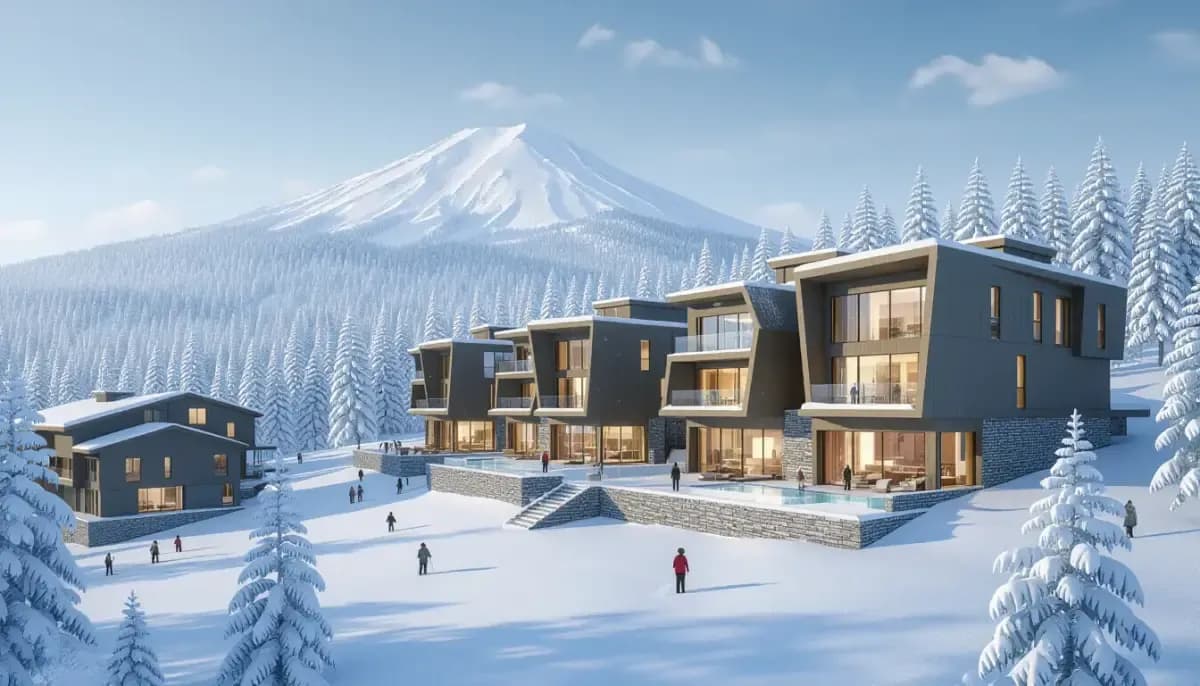
Hokkaido Property Development and Tourism Growth Outlook
Hokkaido's 2024 tourism hit 8.92M visitors — a new record. Discover how Niseko, Furano, and Sapporo property markets are responding to the boom and what it means for foreign investors.
Read more →
Hakodate Property Guide for Foreign Buyers
Complete guide to buying property in Hakodate as a foreigner. Learn about prices (from ¥2M), legal rights, financing options, best areas, and how to navigate the purchase process in this affordable Hokkaido city.
Read more →
Hokkaido Winter Property Maintenance and Snow Management Guide
Complete guide to winter property maintenance in Hokkaido: snow removal costs, pipe freeze prevention, heating systems, insulation upgrades, and annual budgets for foreign property owners.
Read more →
Hokkaido Vacation Home Guide for Foreign Buyers
Complete guide to buying a vacation home in Hokkaido as a foreigner. Learn about Niseko, Sapporo, costs, rental income, legal process, and financing options for overseas buyers.
Read more →
Otaru Property Guide for Foreign Buyers
Complete guide to buying property in Otaru, Japan as a foreigner. Covers prices (avg ¥14.1M), legal rights, financing challenges, buying process, and investment potential in this historic Hokkaido port city.
Read more →
Furano and Tomamu Resort Property Guide for Foreigners
Complete guide to buying resort property in Furano and Tomamu, Hokkaido as a foreigner. Property prices, buying process, rental income potential, costs, and tips for foreign investors in Japan's ski resort market.
Read more →