
Best Neighborhoods in Sapporo for Foreign Property Buyers

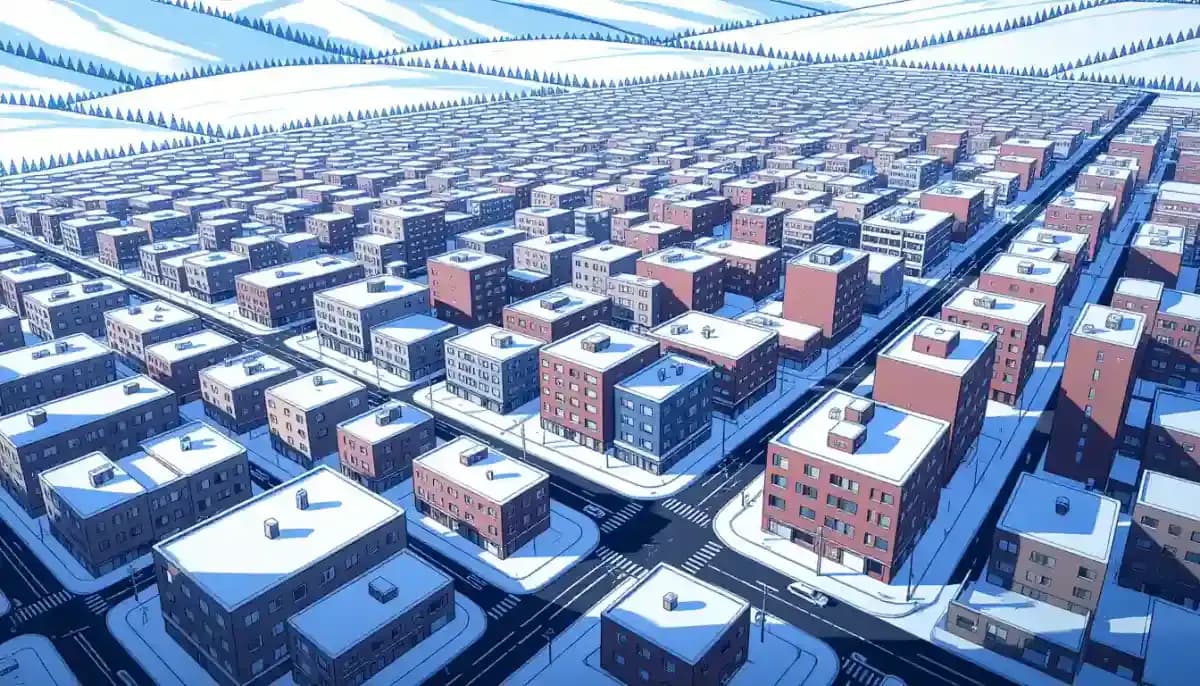
Discover the best neighborhoods in Sapporo for foreign buyers. Detailed price data, rental yields, and expat-friendly area guides across all 10 Sapporo wards including Chuo-ku, Maruyama, and Teine-ku.
Best Neighborhoods in Sapporo for Foreign Property Buyers
Sapporo, the capital of Hokkaido and Japan's fifth-largest city, has become one of the most attractive real estate destinations for foreign buyers. With land prices that have appreciated 81.6% over the past decade — roughly 2.8x faster than Tokyo — the city offers a rare combination of affordability, investment upside, and livability. Whether you're looking for a city-center condo, a quiet family neighborhood, or a high-yield rental investment, Sapporo has something for every type of foreign buyer.
This guide breaks down the best neighborhoods in Sapporo for foreigners, with real price data, rental yields, and practical advice on what to expect as a non-Japanese buyer.
Why Sapporo Attracts Foreign Property Buyers
Sapporo has emerged as a genuine alternative to Tokyo and Osaka for foreign real estate buyers — and with good reason. The city blends modern infrastructure with a distinctly relaxed, livable pace. Its world-famous snow, proximity to ski resorts like Niseko, and growing international tourism (Hokkaido welcomed nearly 9 million international visitors in 2024, up ~12% from pre-pandemic levels) make it especially appealing.
From a legal standpoint, foreigners face no restrictions on buying any type of property in Sapporo — condos, houses, land, or commercial property. You don't need a visa, residency, or even to visit Japan to complete a purchase. That said, Hokkaido is significantly less English-friendly than Tokyo, so working with a bilingual agent is strongly recommended.
Key market numbers that attract foreign buyers:
- Average citywide home price: ¥27.6M (~$188,537)
- 10-year land price appreciation: +81.6% (vs. Tokyo's +28.8%)
- Gross rental yields: 4–5.2% depending on area
- Average days on market: 70–85 days (central condos sell in 60–75 days)
For more on the legal side of purchasing property in Japan as a foreigner, see our Complete Guide to Buying Property in Japan as a Foreigner.
Chuo-ku: The Premier Choice for Expats
Chuo-ku (Central Ward) is Sapporo's most expensive and most sought-after area for foreign buyers. It encompasses the city's key landmarks — Odori Park, Sapporo Station, Susukino entertainment district, and the upscale Maruyama neighborhood. With a population of approximately 245,889, it is Sapporo's central hub and has seen 13% price growth over the last decade, the fastest in Hokkaido.
Odori / City Center
The Odori Station area sits at the intersection of multiple subway lines, making it ideal for car-free winter living. In a city where snowfall can exceed 600 cm per year, walkability and subway access are major lifestyle advantages.
- Used condo prices: ~¥634,000/m²
- Gross rental yield: ~4.4%
- English signage is common; expat community is concentrated here
- Close to Odori Park, TV Tower, and major shopping
Maruyama: The Upscale Expat Enclave
West of central Odori, Maruyama is the neighborhood most commonly chosen by foreign residents and long-term expats. It's quieter, leafier, and more residential than downtown, yet remains connected to the city center via subway.
- Upscale cafes, boutiques, and international-standard restaurants
- Access to international schools — rare outside of major cities
- Near Hokkaido Shrine and Maruyama Park
- Two-bedroom condos average around $400,000 USD
- Among the highest quality of life in Sapporo for foreigners
Susukino: High Yield, Higher Risk
Susukino is Sapporo's entertainment district and offers the highest gross rental yield in the city at ~5.2%, driven by strong demand from short-term rental platforms. However, it also comes with caveats:
- Condo prices ~¥443,000/m² (more affordable than Odori)
- Peak winter short-term rental occupancy: 70–85%
- Risk of oversaturation in the rental market
- Less suitable for family living; better for pure investment properties
| Sub-area | Price/m² | Rental Yield | Best For |
|---|---|---|---|
| Odori Station | ~¥634,000 | ~4.4% | Expat living, walkability |
| Sapporo Station | ~¥594,000 | Strong | Corporate tenants, investment |
| Maruyama | (Chuo-ku avg. ¥52.1M) | — | Families, long-term expat residents |
| Susukino | ~¥443,000 | ~5.2% | Short-term rental investment |
For a detailed breakdown of buying in Hokkaido more broadly, visit Buying Property in Hokkaido as a Foreigner.
Kita-ku: Affordable Access Near Hokkaido University
Kita-ku (North Ward) is the most populous ward in Sapporo with over 288,000 residents. It's home to Hokkaido University, one of Japan's most prestigious institutions, which drives consistent rental demand from students, academics, and affiliated researchers.
- Average home price: ¥25.5M (~$174,545) — 10% below citywide average
- Strong tenant pool from university-affiliated demand
- Reasonable commute to central Sapporo via subway
- More affordable than Chuo-ku without sacrificing connectivity
For foreign buyers looking for a balance between price, yield, and quality tenants, Kita-ku is a practical and often underrated choice. The area around Sapporo Station is also partly within Kita-ku, giving it some of the strongest transport connectivity in the city.
Shin-Sapporo: The "Second Center" for Long-Term Investment
Located in Atsubetsu-ku and Kiyota-ku on the eastern edge of the city, Shin-Sapporo is increasingly described as Sapporo's "second center." It has its own commercial hub, shopping centers, and a hospital cluster, which supports steady household formation and rental demand.
- Gross rental yield: 4.3–4.7%
- Average rent: ~¥110,000/month for a 70m² unit
- Stable household growth year over year
- Lower entry prices than Chuo-ku; good for mid-range investors
Kiyota-ku, the ward that contains Shin-Sapporo, saw +16.9% land price growth in 2022, reflecting significant appreciation potential.
Teine-ku: Affordable Entry with Ski Appeal
Teine-ku is located in western Sapporo and is the ward closest to Sapporo Teine Ski Resort. For buyers interested in both a primary home and ski access, Teine represents one of the most cost-effective options in the city.
- Average home price: ¥24.4M (~$167,000)
- Remarkable +22.1% land price growth in 2022 — highest in any Sapporo ward
- Direct bus access to Teine Ski Resort
- Family-friendly with good schools; more suburban character
- Trade-off: car dependency in winter, longer commute to central Sapporo
Teine-ku has been one of the fastest appreciating areas in Sapporo and still offers entry prices well below the central wards.
Price Comparison: All 10 Sapporo Wards
Understanding the full price spectrum helps foreign buyers calibrate their budget. Here's a comprehensive overview of all 10 wards:
| Ward | Population | Avg. Home Price | Avg. Monthly Rent | Notes |
|---|---|---|---|---|
| Chuo-ku | 245,889 | ¥52.1M (~$356,600) | ¥57,451 | Most expensive; expat-preferred |
| Shiroishi-ku | 212,218 | ¥30.3M (~$207,400) | ¥46,572 | Mid-range; growing area |
| Toyohira-ku | 223,373 | ¥29.8M (~$204,000) | ¥47,097 | Near airport; mid-range |
| Nishi-ku | 217,900 | ¥29.4M (~$201,400) | ¥50,029 | Good value; Kotoni Station |
| Higashi-ku | 264,186 | ¥28.8M (~$196,900) | ¥48,098 | Large population; mid-price |
| Atsubetsu-ku | 125,809 | ¥28.2M (~$192,900) | ¥51,331 | Shin-Sapporo area |
| Kita-ku | 288,506 | ¥25.5M (~$174,500) | ¥47,307 | Near Hokkaido University |
| Kiyota-ku | 114,213 | ¥25.0M (~$170,900) | ¥46,186 | Shin-Sapporo; high land growth |
| Teine-ku | 141,781 | ¥24.4M (~$167,000) | ¥47,497 | Ski access; strong appreciation |
| Minami-ku | 136,716 | ¥19.5M (~$133,200) | ¥46,099 | Cheapest; declining population |
Citywide average: ¥27.6M (~$188,537). Data from Find Hokkaido Agents, 2024.
Practical Considerations for Foreign Buyers in Sapporo
Financing
This is one of the biggest hurdles for foreign buyers. If you don't have permanent residency in Japan, assume that traditional Japanese bank loans will not be available to you. Non-permanent residents may qualify for loans at 50–70% LTV (loan-to-value) with select lenders like SMBC Trust Bank PRESTIA, but this is not guaranteed. Most foreign buyers — especially non-residents — should plan to fund purchases from personal savings or arrange financing outside Japan.
For a full overview of mortgage options, read our guide on Mortgages and Home Loans for Foreigners in Japan.
Transaction Costs
Budget generously for closing costs. While Japanese buyers typically pay 7–10% of the purchase price in transaction costs, foreign non-residents often face 12–18% due to additional expenses: translation of documents, legal interpretation fees, currency conversion costs, and the requirement to appoint a Japanese tax agent.
See our breakdown of Hidden Costs and Fees When Buying Property in Japan for the full picture.
Annual Ownership Costs
- Property tax: ¥250,000–500,000 per year (varies by property value and ward)
- Earthquake insurance: ~¥7,300 per year per ¥10M insured — among the lowest in Japan
- Rental income withholding tax (non-residents): 20.42% (may be reduced through annual filings)
Language and Agent Access
Hokkaido is significantly less English-friendly than Tokyo or Osaka. Most local real estate agents do not speak English. Working with a bilingual or foreigner-focused agent is essential. Services like Find Hokkaido Agents connect foreign buyers with English-speaking agents and legal/tax consultants at no charge to buyers.
For information about visa status and how it affects your purchase, see Visa and Residency Considerations for Property Buyers in Japan.
Neighborhoods to Approach with Caution
Not every area in Sapporo is equally suitable for foreign buyers. Consider avoiding:
- Central Susukino if you're not specifically targeting short-term rental investment — the market faces oversaturation risk
- Minami-ku for investment purposes — despite being the most affordable ward, it has a declining population (–7% over 10 years) and stagnant price growth
- Hillside and outer rural areas — snow maintenance costs and car dependency add significantly to ownership burden
- Outer Minami-ku — price stagnation makes capital appreciation unlikely
External Resources for Sapporo Property Research
For expats navigating life in Japan more broadly, Living in Nihon provides practical guides on everything from daily life to housing, making it a useful companion resource for foreign residents settling in Sapporo.
If you're considering moving to Hokkaido for work as part of your property purchase plan, For Work in Japan offers resources on job searching and working in Japan as a foreigner.
For foreigners specifically targeting real estate purchases, Gaijin Buy House is a specialist resource covering the property buying process in Japan from the foreign buyer's perspective.
For detailed neighborhood-level data and foreigner-specific buying guides, Bamboo Routes and Find Hokkaido Agents are among the most comprehensive English-language sources available.
Conclusion: Which Neighborhood Is Right for You?
The best neighborhood in Sapporo depends entirely on your goals:
- For expat living and international community: Maruyama or Odori (Chuo-ku)
- For high rental yield: Susukino (with caution on oversaturation)
- For budget-conscious investment: Kita-ku or Kiyota-ku
- For ski access and appreciation: Teine-ku
- For long-term stable rental income: Shin-Sapporo (Atsubetsu-ku / Kiyota-ku)
- For lowest entry price: Minami-ku (but exercise caution on growth prospects)
Sapporo's combination of strong appreciation history, affordable entry prices compared to global cities, and a growing international visitor economy makes it one of Japan's most compelling real estate markets. With the right neighborhood selection and proper preparation for the foreign buyer process, it offers genuine value in 2025 and beyond.
For a complete picture of the property buying process in Japan, start with our Step-by-Step Home Buying Process in Japan for Foreigners.

Originally from Vietnam, living in Japan for 16+ years. Graduated from Nagoya University, with 11 years of professional experience at Japanese and international companies. Sharing information about buying property in Japan for foreigners.
View Profile →Related Articles
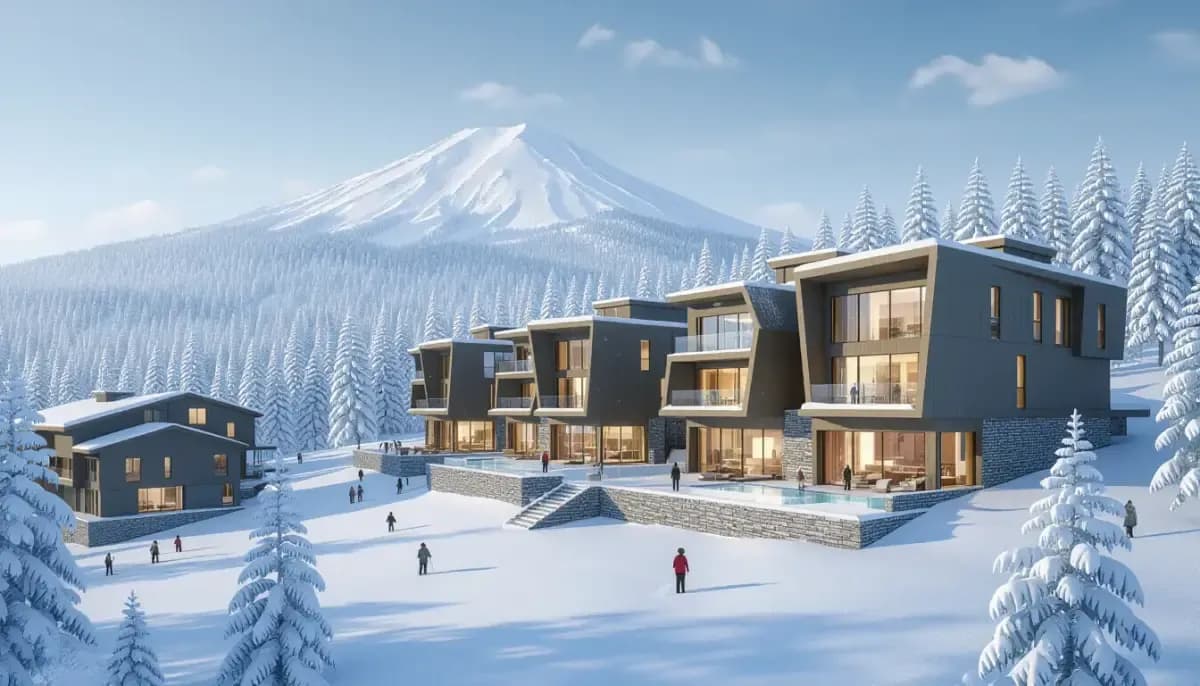
Hokkaido Property Development and Tourism Growth Outlook
Hokkaido's 2024 tourism hit 8.92M visitors — a new record. Discover how Niseko, Furano, and Sapporo property markets are responding to the boom and what it means for foreign investors.
Read more →
Hakodate Property Guide for Foreign Buyers
Complete guide to buying property in Hakodate as a foreigner. Learn about prices (from ¥2M), legal rights, financing options, best areas, and how to navigate the purchase process in this affordable Hokkaido city.
Read more →
Hokkaido Winter Property Maintenance and Snow Management Guide
Complete guide to winter property maintenance in Hokkaido: snow removal costs, pipe freeze prevention, heating systems, insulation upgrades, and annual budgets for foreign property owners.
Read more →
Hokkaido Rental Yield Analysis for Foreign Investors
Comprehensive Hokkaido rental yield analysis for foreign investors — comparing Niseko, Sapporo, Furano and rural areas. Includes yield data, tax costs, financing tips and area comparisons.
Read more →
Hokkaido Vacation Home Guide for Foreign Buyers
Complete guide to buying a vacation home in Hokkaido as a foreigner. Learn about Niseko, Sapporo, costs, rental income, legal process, and financing options for overseas buyers.
Read more →
Otaru Property Guide for Foreign Buyers
Complete guide to buying property in Otaru, Japan as a foreigner. Covers prices (avg ¥14.1M), legal rights, financing challenges, buying process, and investment potential in this historic Hokkaido port city.
Read more →