
Kanagawa Suburban Property Guide for Foreign Families

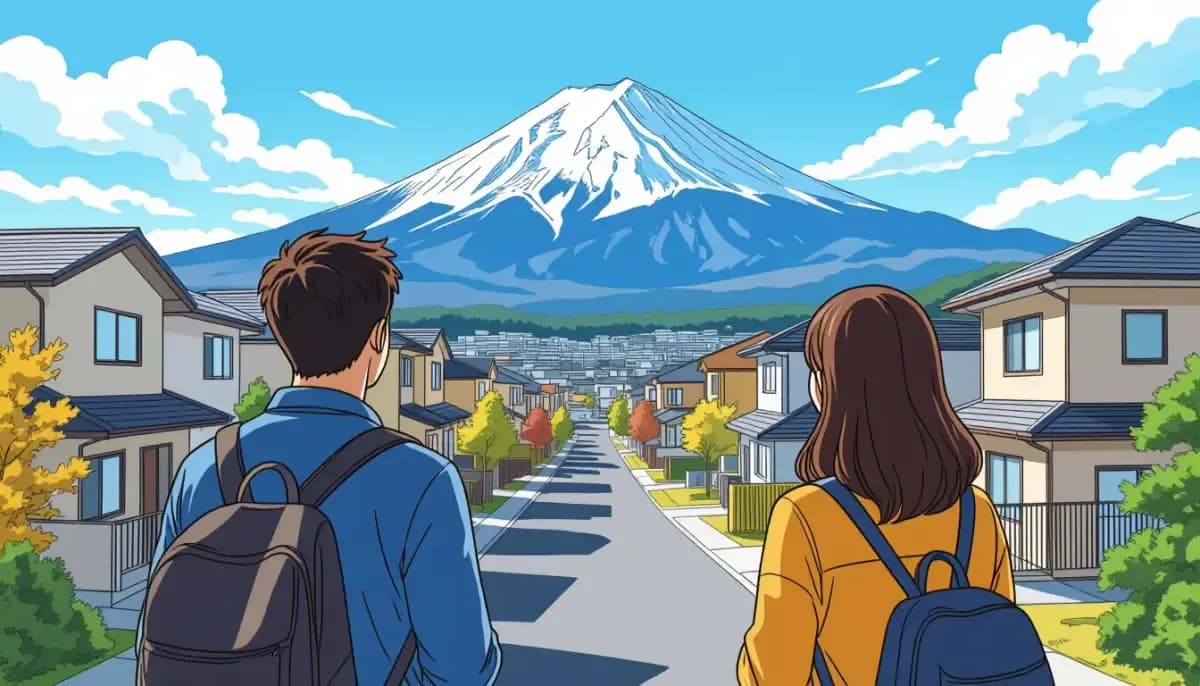
Complete guide to buying suburban property in Kanagawa as a foreigner. Covers top family-friendly areas like Fujisawa, Aoba Ward, Atsugi, and Sagamihara, plus costs, mortgages, and the full purchase process.
Kanagawa Suburban Property Guide for Foreign Families
If you are a foreign family looking to buy a home near Tokyo without paying Tokyo prices, Kanagawa Prefecture deserves serious consideration. Situated directly south of the capital, Kanagawa combines excellent commuter access with more spacious neighborhoods, lower land costs, and a lifestyle that many expat families find far more livable than central Tokyo. This guide walks you through everything you need to know about purchasing suburban property in Kanagawa as a foreigner — from the best areas to choose, to costs, legalities, mortgage options, and practical tips for making the purchase smooth.
For a broader overview of the legal framework, see our Complete Guide to Buying Property in Japan as a Foreigner and our article on Can Foreigners Buy Property in Japan? Legal Rights Explained.
Why Foreign Families Choose Kanagawa Over Tokyo
The most compelling reason families choose Kanagawa is cost. Kanagawa land prices average approximately 54.2% of Tokyo's (with Tokyo indexed at 100), meaning you get roughly twice the land area for the same money. That translates directly into bigger gardens, larger living rooms, and room for a second bedroom — all factors that matter enormously when you have children.
Beyond price, Kanagawa offers a lifestyle that Tokyo's dense urban core cannot. Suburban neighborhoods here tend to have:
- Lower traffic density and more pedestrian-friendly streets
- International schools and bilingual kindergartens in many commuter-belt towns
- Proximity to nature — from Shonan beach to the Tanzawa mountains and the iconic views of Mount Fuji
- Strong expat communities, particularly in cities like Atsugi and Yamato that sit near the US naval bases at Yokosuka and Zama
- Rental yields of 4.5–7% in Yokohama and Kawasaki, which matters if you plan to rent the property out at any point
Commute times to central Tokyo from the main Kanagawa suburbs range from 25 minutes (Kawasaki) to around 60–70 minutes (Odawara), with most popular expat areas clocking in at 35–50 minutes — entirely manageable for most commuters.
Top Suburban Areas in Kanagawa for Foreign Families
Choosing the right area is the most important decision in your property search. The areas below consistently rank as the most popular among foreign residents, based on search and inquiry data from Japanese property platforms.
Aoba Ward (Yokohama)
Aoba Ward in the western part of Yokohama is one of the most sought-after family neighborhoods in Greater Tokyo. It's home to numerous international schools, wide residential streets, and a calm, green environment. Detached houses (ikkodate) are especially plentiful here, and the Tokyu Den-en-toshi Line connects the area to Shibuya in around 30 minutes.
Fujisawa and the Shonan Coast
Fujisawa offers something uniquely appealing: beach life combined with easy Tokyo access (around 55 minutes to Shinjuku). The Shonan coastal area — including Chigasaki and Kamakura — has developed a strong community of both Japanese and foreign families who value the relaxed atmosphere. Kamakura, with its historic temples and hills, is particularly popular among creative professionals and families prioritizing quality of life.
Atsugi and Yamato
These two cities in central Kanagawa have the highest number of foreign residents relative to their size, partly because of proximity to the US military installations. As a result, there is a strong support infrastructure: bilingual real estate agents, international grocery stores, English-language community groups, and medical professionals who speak English. Average rent for a 3LDK apartment is around ¥91,000 in Atsugi and ¥95,000 in Yamato — very affordable by Greater Tokyo standards.
Sagamihara (Chuo-ku)
Sagamihara's Chuo Ward is the most affordable area on this list, with average 3LDK rents around ¥90,000. As Sagamihara gains city infrastructure investment, it is becoming increasingly attractive for families who want space on a budget. The Sagami River and surrounding parks give the area a countryside feeling while remaining well-connected.
Kawasaki
Kawasaki sits on the border with Tokyo and is essentially urban rather than suburban, but Kawasaki-ku and Tama Ward offer neighborhoods with more residential character. Kawasaki is popular with working professionals who want a Tokyo commute of under 25 minutes. Property values here are the highest in Kanagawa, but still significantly below comparable Tokyo neighborhoods.
Rental vs. Purchase Price Comparison by Area
The table below summarizes average monthly rents and approximate property purchase prices across the main Kanagawa suburbs to help you benchmark your budget:
| Area | 1K Rent | 3LDK Rent | Approx. House Price (3LDK) | Tokyo Commute |
|---|---|---|---|---|
| Kawasaki-ku | ¥69,000 | ¥131,000 | ¥50–80M | ~25 min |
| Fujisawa | ¥70,000 | ¥115,000 | ¥40–70M | ~55 min |
| Aoba Ward (Yokohama) | ¥75,000 | ¥120,000 | ¥45–75M | ~35 min |
| Yamato | ¥53,000 | ¥95,000 | ¥30–55M | ~45 min |
| Atsugi | ¥59,000 | ¥91,000 | ¥25–50M | ~60 min |
| Chuo-ku, Sagamihara | ¥50,000 | ¥90,000 | ¥22–45M | ~60 min |
Prices are approximate and vary significantly by property size, age, and specific location within each area. New construction commands a premium over older stock.
For more detail on how the Tokyo metropolitan area compares with other cities, see Best Neighborhoods in Yokohama for Foreign Property Buyers.
Legal Framework: Foreigners Buying Property in Kanagawa
Japan has no restrictions on foreign nationals purchasing real estate. Whether you are on a work visa, spouse visa, or even living outside Japan, you can legally buy property with the same freehold rights as a Japanese citizen. This applies equally to land, houses, and condominiums (mansions) in Kanagawa.
There is one regulatory requirement specific to foreign buyers: within 20 days of signing the purchase contract, you must submit a notification to the Minister of Finance under the Foreign Exchange and Foreign Trade Act. In practice, your judicial scrivener (shiho shoshi) or real estate agent will typically handle this on your behalf — but confirm this is included in their service.
For a deeper dive into property rights and the legal framework, our article on Foreigner Property Ownership Rights in Japan and Foreign Property Ownership Laws in Japan cover the full legal picture.
You can also find a comprehensive foreign buyer's property guide at Living in Nihon: Buying Property in Japan and at Gaijin Buy House: Complete Foreigner Property Guide.
Mortgage Options for Foreign Buyers in Kanagawa
Getting a mortgage as a foreigner in Japan requires more preparation than for Japanese nationals, but it is absolutely achievable. The key variables are your residency status and employment history:
With Permanent Residency (PR): Standard bank mortgage products are available on essentially the same terms as for Japanese applicants. Major banks including SMBC, MUFG, and Mizuho Bank, as well as regional Kanagawa banks, will assess you based on income, employment stability, and credit history. Current variable interest rates are around 0.7%, with 35-year fixed products available at approximately 1.9%.
Without Permanent Residency: Requirements are stricter. Typically lenders want to see:
- At least 3 years of continuous employment in Japan
- A stable, verifiable income with strong documentation
- A down payment of 30% or more of the purchase price
- Sometimes a Japanese spouse or permanent resident guarantor
Some foreign buyers who cannot qualify for a Japanese mortgage purchase with overseas financing or cash. If you are transferring funds from abroad, allow 2–3 weeks for international wire transfers to clear before settlement.
See our Japan Mortgage Requirements for Foreigners article for a full breakdown of lending criteria and which banks are most foreigner-friendly.
The Purchase Process Step by Step
Buying property in Kanagawa follows the standard Japanese real estate process, which typically takes 2–4 months from initial search to settlement:
- Define your budget and area — Factor in 8–10% additional costs on top of the purchase price for taxes and fees.
- Engage a bilingual real estate agent — In Kanagawa, several agencies specialize in foreign buyers, particularly in Yokohama, Kawasaki, and the Shonan area.
- Property search and viewings — Use platforms like SUUMO, AtHome, or specialist foreign-buyer services. Most suburban houses can be viewed quickly.
- Obtain mortgage pre-approval — Approach 2–3 banks before making an offer to know your borrowing ceiling.
- Submit an offer (申込) — If accepted, you move to the contract phase.
- Review the Explanation of Important Matters (重要事項説明書) — A licensed real estate agent must walk you through this legally mandated disclosure document in full.
- Sign the purchase contract and pay the deposit — Typically 5–10% of the purchase price.
- Final loan approval and closing — Usually 2–4 weeks after the sales contract.
- Settlement and registration — Transfer remaining funds, complete ownership registration with the legal affairs bureau (homu-kyoku).
Key costs to budget:
- Real estate commission: 3% of purchase price + ¥60,000, plus consumption tax
- Judicial scrivener fees: ¥50,000–¥150,000
- Registration tax: 1.5% (land) to 2.0% (buildings)
- Property acquisition tax: 3% of assessed value (one-time)
- Annual fixed-asset tax: 1.4% of assessed value
- Annual city planning tax: up to 0.3% of assessed value
See our Fixed Asset Tax in Japan Explained and Real Estate Agent Commission in Japan articles for detailed breakdowns.
For additional guidance from the expat community, For Work in Japan offers resources on settling into life in the Kanagawa area, including navigating local services and utilities as a foreign resident.
Tips for Foreign Families Making the Move to Kanagawa Suburbs
Start your search early. Good family homes in popular Kanagawa suburbs — especially Aoba Ward and the Shonan area — move quickly. Start searching 3–6 months before your target move date.
Prioritize school catchment areas. If you have school-age children, check the school district (gakku) of any property before making an offer. International school proximity can make a large difference in daily logistics.
Consider older properties. Japan's market often undervalues homes older than 10–15 years despite them being structurally sound. In Kanagawa suburbs, an older ikkodate (detached house) can represent exceptional value — especially after the 2022 earthquake resistance law updates improved safety standards retroactively for many renovated properties.
Visit on a weekday commute. Before committing to a long commute, ride the actual train line to your target Tokyo station during rush hour. The experience can significantly affect your area preference.
Factor in renovation potential. Many suburban Kanagawa properties are sold in need of light to moderate renovation. In a market where land is the primary value driver, buying a livable property with renovation upside can be a smart strategy.
Summary
Kanagawa offers foreign families one of the best balances of value, livability, and Tokyo access in Greater Japan. Land prices roughly half of Tokyo's, strong expat communities in areas like Atsugi and Yamato, and the coastal lifestyle of Shonan make it a compelling alternative to the capital. With clear legal rights to purchase property and a well-structured buying process, the main obstacles are language and mortgage eligibility — both of which are increasingly manageable with the right bilingual support.
For a strong foundation before you start your search, read through the Complete Guide to Buying Property in Japan as a Foreigner and bookmark the Japan Property Registration System Explained so you understand ownership documentation from day one.
More in-depth market data on Kanagawa's top areas for foreign residents is available at wagaya Japan's Kanagawa foreign resident guide and the Taxes for Expats Japan property ownership overview.

Originally from Vietnam, living in Japan for 16+ years. Graduated from Nagoya University, with 11 years of professional experience at Japanese and international companies. Sharing information about buying property in Japan for foreigners.
View Profile →Related Articles
Kanagawa New Development Projects and Infrastructure Guide
A complete guide to Kanagawa's new development projects and infrastructure for foreign property buyers. Covers Minatomirai, Kawasaki Arena City, Musashi-Kosugi, Kannai redevelopment, rail expansion, and property value outlook through 2030.
Read more →
Yokohama Rental Property Investment Analysis
Complete analysis of Yokohama rental property investment for foreign buyers. Covers district yields (4–6.5%), vacancy rates, rental benchmarks, financing requirements, and risk factors with data-driven comparisons to Tokyo and other Japanese cities.
Read more →
Hakone Resort Property Investment Guide for Foreigners
Complete guide to buying resort property in Hakone as a foreigner. Covers prices, legal rights, buying process, taxes, financing, and key due diligence tips for this popular Japanese mountain resort town.
Read more →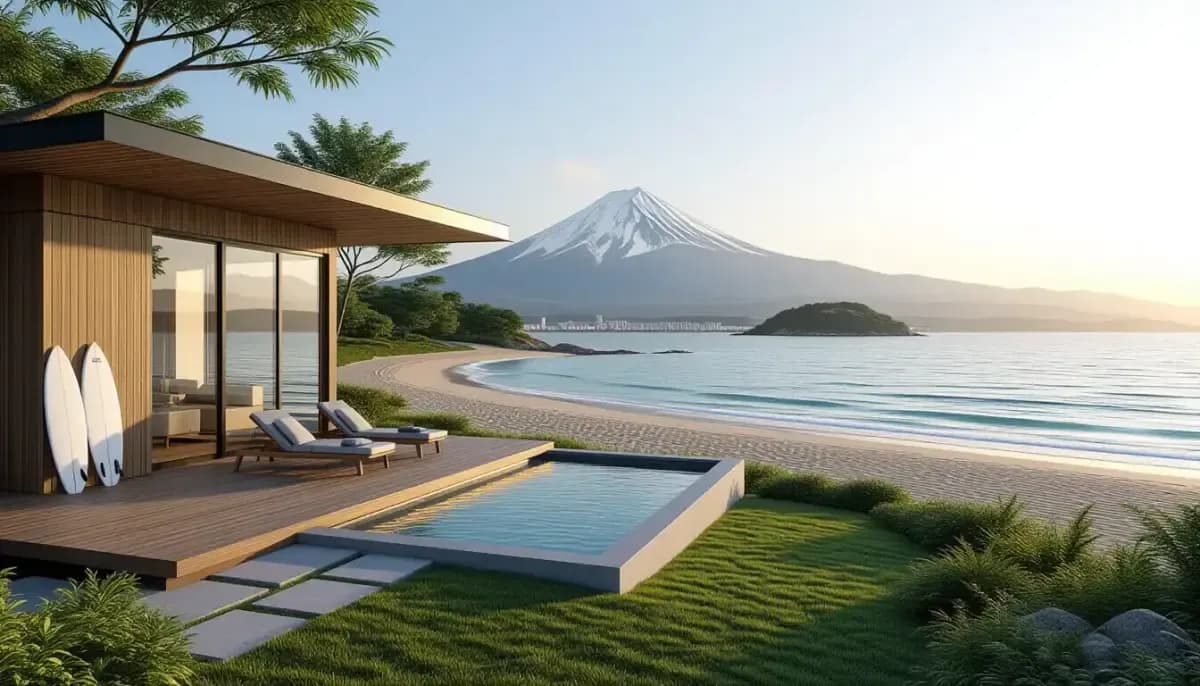
Shonan Area Beach Properties for Foreign Buyers
Everything foreign buyers need to know about purchasing beach property in Japan's Shonan coast — Kamakura, Hayama, Chigasaki, Fujisawa, Zushi. Prices, mortgages, process, and key tips.
Read more →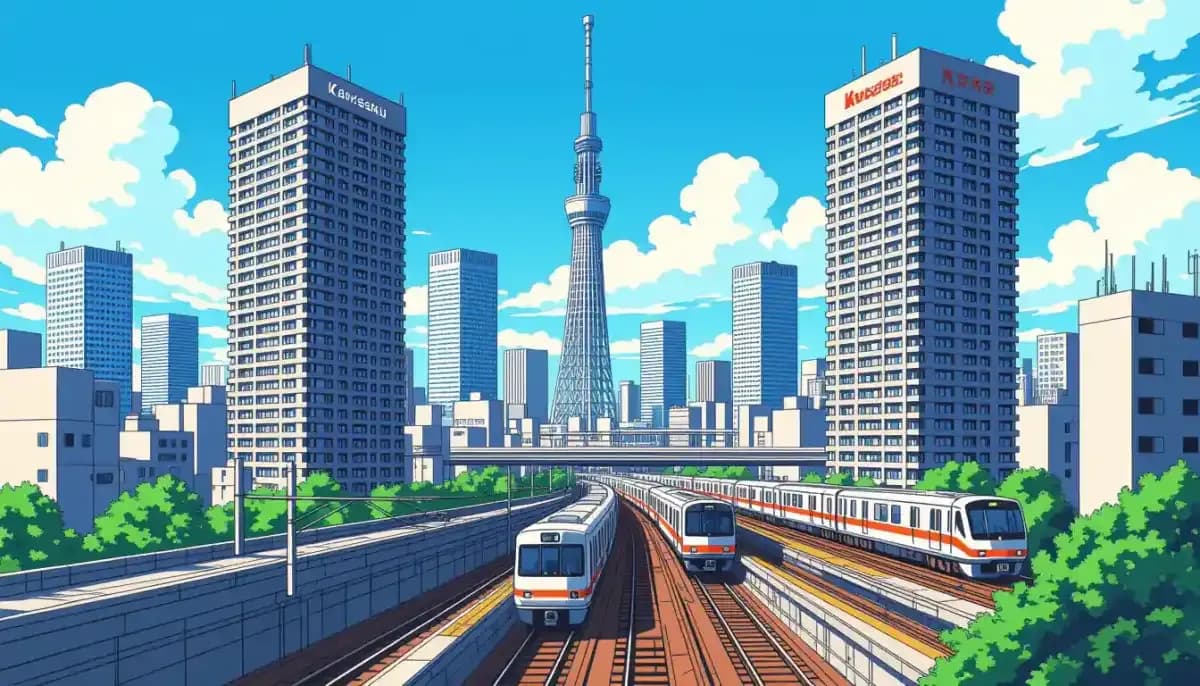
Kawasaki Property Guide: Commuter Town Between Tokyo and Yokohama
Complete guide to buying property in Kawasaki, Japan as a foreigner. Covers neighborhoods like Musashi-Kosugi, property prices, mortgage options, and step-by-step buying process.
Read more →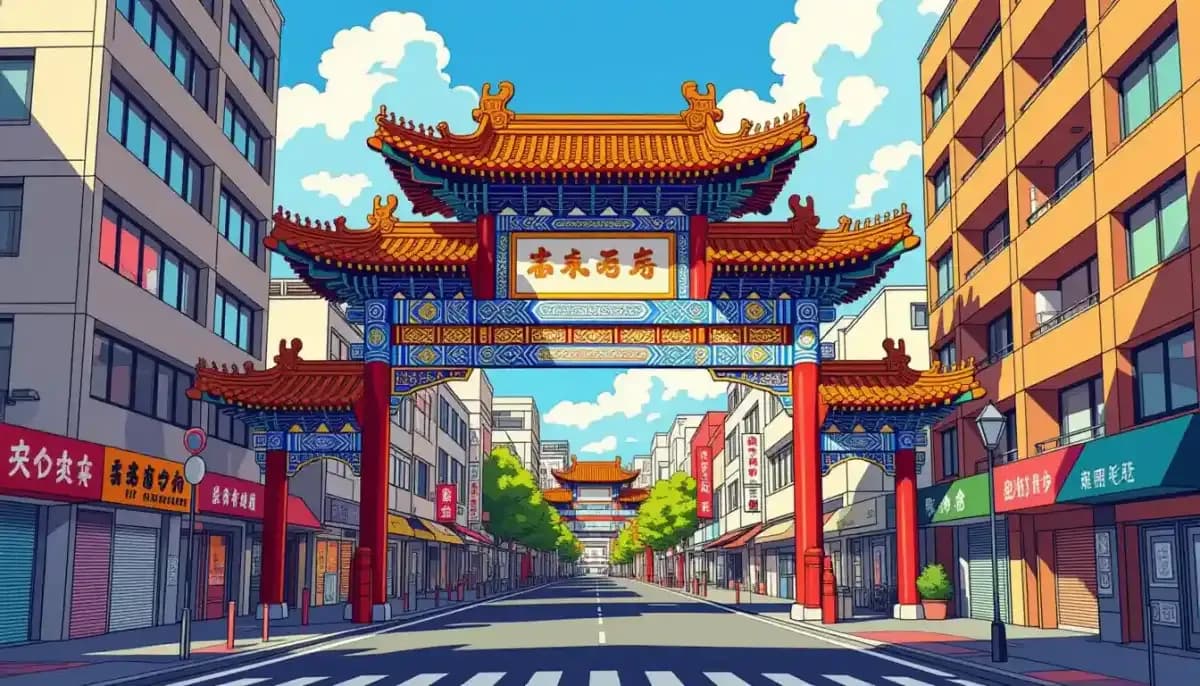
Yokohama Chinatown Area Property Guide
Complete guide to buying property in Yokohama's Chinatown area for foreigners. Covers neighborhood overview, property prices, rental yields, purchase process, and practical tips for foreign buyers in 2025.
Read more →