
Rental Property Maintenance Obligations for Japan Landlords

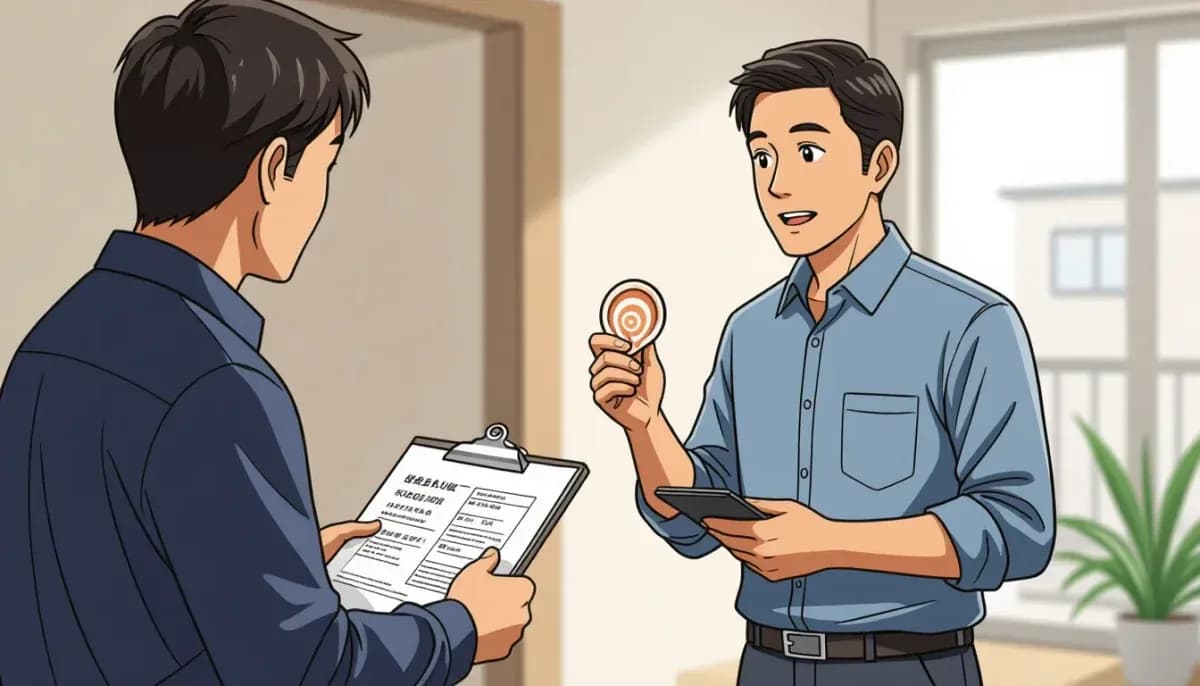
A complete guide to landlord maintenance obligations in Japan, covering the Civil Code, Genjyo Kaifuku rules, tenant vs landlord responsibilities, and practical tips for foreign property owners.
Rental Property Maintenance Obligations for Japan Landlords
Owning rental property in Japan comes with a clearly defined set of legal responsibilities. Whether you are a foreign investor managing a Tokyo apartment from abroad or a local landlord with a portfolio of units, understanding your maintenance obligations is essential to staying compliant, protecting your investment, and maintaining good relationships with tenants. Japan's rental laws under the Civil Code (民法) and the Act on Land and Building Leases (借地借家法) lay out the framework for who pays for what — and the rules are more tenant-friendly than many overseas investors expect.
This guide covers everything Japan landlords need to know about maintenance obligations, from structural repairs and essential utilities to the all-important concept of Genjyo Kaifuku (原状回復) that governs move-out condition disputes.
What Japan's Civil Code Says About Landlord Maintenance
Under Japan's Civil Code, landlords have a fundamental duty to maintain rental properties in a condition suitable for their intended use. This obligation exists throughout the entire tenancy — not just at the beginning. Article 606 of the Civil Code specifically requires landlords to carry out repairs necessary to maintain the property in a usable state, and Article 611 allows tenants to demand a rent reduction if the landlord fails to make necessary repairs in a timely manner.
Key legal frameworks governing landlord maintenance obligations in Japan include:
- Civil Code (民法) — Sets the baseline obligation to maintain usable condition and perform necessary repairs
- Act on Land and Building Leases (借地借家法) — Governs lease terms and tenant protections
- Building Standards Act (建築基準法) — Requires structural integrity and safety compliance
- Fire Service Act (消防法) — Mandates fire safety equipment such as smoke detectors
Failure to comply with these obligations can expose landlords to tenant claims for rent reduction, compensation for damages, and in extreme cases, lease termination. For foreign landlords managing properties remotely, working with a reliable property management company in Japan is often the most practical way to ensure compliance.
Core Maintenance Responsibilities That Fall on Landlords
Japanese law places a wide range of maintenance duties firmly on the landlord's shoulders. These go well beyond basic structural upkeep and extend to livability and safety standards.
Structural and Building Integrity
Landlords are required to maintain the physical structure of the property. This includes:
- Walls, ceilings, and flooring (structural issues, not cosmetic wear)
- Roofing and waterproofing
- Windows, doors, and external fixtures
- Foundation and load-bearing elements
- Shared spaces in condominium buildings (stairwells, corridors, entrance halls)
Compliance with the Building Standards Act means the property must meet minimum safety standards at all times. If structural issues arise — cracks from earthquakes, roof leaks from typhoons, or foundation settling — the landlord is legally required to address them promptly.
Essential Utilities and Equipment
Landlords must ensure essential utilities and appliances remain functional. This includes:
- Water heaters (gas or electric)
- Plumbing and drainage systems
- Electrical systems (wiring, circuit breakers, outlets)
- Heating systems (if provided as part of the rental)
- Air conditioning units (if included in the lease as fixtures)
- Elevator maintenance in multi-story buildings
If a water heater fails due to age or normal wear, the landlord must repair or replace it at their own cost. This is distinct from damage caused by tenant misuse, which would shift responsibility to the tenant.
Pest Control and Hygiene
Infestations that arise from structural issues or pre-existing conditions — such as termites, cockroaches entering through building gaps, or rodents entering through shared walls — are the landlord's responsibility to address. Pest problems that arise from tenant behavior (leaving food waste, etc.) may be shared responsibility depending on the lease terms and circumstances.
Fire Safety Compliance
Under the Fire Service Act, landlords of residential properties must install smoke detectors in required areas. Regular inspection of fire extinguishers, emergency exits, and fire doors in apartment buildings is also the building owner or management association's responsibility.
Understanding Genjyo Kaifuku (原状回復): The Move-Out Rule
One of the most important concepts in Japanese rental law — and the source of many tenant-landlord disputes — is Genjyo Kaifuku (原状回復), which translates to "restoration to original condition." This principle applies when a tenant moves out and determines who pays for what when the property is returned.
The Ministry of Land, Infrastructure, Transport and Tourism (MLIT) has published detailed guidelines that set the standard for how Genjyo Kaifuku should be applied. These guidelines are widely followed by property managers, courts, and arbitration bodies.
The core principle is straightforward: tenants are responsible for damage they caused through negligence or improper use, but landlords bear the cost of normal aging and wear. This is a critical distinction that many new landlords misunderstand.
What Landlords Must Cover (Normal Wear and Tear)
| Item | Why Landlord Pays |
|---|---|
| Faded wallpaper from sunlight | Natural aging, not tenant fault |
| Small scuffs on floors from normal walking | Normal use |
| Yellowing of walls over time | Age-related deterioration |
| Air conditioning failure from age | Equipment lifespan expiry |
| Fading or discoloration of tatami mats | Normal sunlight and use |
| Carpet indentations from heavy furniture | Expected from normal living |
| Minor nail holes from hanging pictures | Normal residential use |
What Tenants Must Cover (Negligence or Misuse)
| Item | Why Tenant Pays |
|---|---|
| Cigarette burns on floors or walls | Negligent damage |
| Large holes in walls from unapproved fixtures | Non-standard use |
| Mold damage from failure to ventilate | Negligent maintenance |
| Deep scratches from pets (unapproved) | Non-standard use |
| Cracked sinks or toilets | Negligent damage |
| Permanent stains from spills | Negligent damage |
| Unauthorized structural modifications | Contract violation |
The Depreciation Principle
Japan's MLIT guidelines incorporate a depreciation principle that limits how much landlords can charge tenants even for legitimate damage. For example, wallpaper has an official useful life of six years. If a tenant has lived in a unit for eight years and damaged the wallpaper, the landlord may not charge the full replacement cost — since the wallpaper's value has already depreciated to near zero.
This system protects long-term tenants from excessive charges and requires landlords to plan for regular reinvestment in their properties. For a deeper look at how these rules play out at move-out, see this guide on avoiding move-out restoration disputes in Japan.
Working with a Property Management Company (Kanri Gaisha)
Most landlords in Japan — especially overseas investors — work with a kanri gaisha (管理会社), or property management company, to handle day-to-day maintenance responsibilities. This arrangement offers several practical advantages.
For detailed guidance on selecting and working with these companies, the housing and living infrastructure guide for foreigners at forworkinjapan.com provides useful context on how Japanese residential services work.
What a Kanri Gaisha Handles
A property management company typically manages:
- Maintenance requests — Tenants contact the kanri gaisha directly (not the landlord) for repairs
- Contractor coordination — The company arranges and supervises repair work
- Emergency response — 24/7 response for urgent issues like plumbing failures
- Regular inspections — Periodic checks of common areas and equipment
- Move-in/move-out inspections — Documentation of property condition to settle Genjyo Kaifuku disputes
- Record keeping — Maintenance logs and repair history
Management fees typically range from 5% to 10% of monthly rent, with higher fees for full-service management. For foreign landlords managing from overseas, this cost is generally well worth the peace of mind and legal protection it provides. See our guide on Japan property management company fees and services for a full breakdown.
Landlord Obligations for Condominium Units (Manshon)
If you own a unit in a Japanese condominium (マンション), your maintenance responsibilities are split between individual unit obligations and shared building obligations managed by the condominium management association (管理組合).
As an individual unit owner, you are responsible for:
- Interior structural elements within your unit
- Fixtures and appliances inside the unit
- Any modifications made during your ownership
The management association is responsible for:
- Building exterior, roof, and shared infrastructure
- Elevators and mechanical systems
- Common area maintenance and cleaning
- Building-wide fire safety compliance
Owners pay monthly condo management fees (kanri hi) to cover these shared costs. Understanding this split is important when responding to tenant maintenance requests — some issues fall outside the individual landlord's authority and require coordination with the management association. For more on this topic, see condo management and maintenance fees in Japan.
Seasonal Maintenance Obligations
Japan's climate creates seasonal maintenance demands that landlords should anticipate. Failure to address seasonal issues proactively can lead to tenant complaints and potential legal liability.
| Season | Key Maintenance Tasks |
|---|---|
| Spring | Inspect for winter damage, check drainage systems, test air conditioning before summer |
| Summer | Air conditioning servicing, check for mold in humid areas, inspect waterproofing |
| Autumn | Clean gutters, inspect roofing before typhoon season, service heating systems |
| Winter | Check insulation, pipes (freeze risk in cold regions), verify heating equipment |
For landlords with properties in northern Japan, winter maintenance becomes particularly demanding. Properties in Hokkaido face specific challenges with snow load, ice damming, and pipe freezing that require regular professional attention. See our Hokkaido winter property maintenance guide for region-specific advice.
Tenant Responsibilities: What Landlords Cannot Charge For
While this article focuses on landlord obligations, understanding the limits of what you can legally require tenants to pay for is equally important. Attempting to charge tenants for normal wear and tear at move-out is one of the most common causes of disputes and can expose landlords to complaints with municipal housing authorities.
Landlords cannot charge tenants for:
- Repainting walls when the only issue is normal yellowing from age
- Replacing tatami mats or shoji screens at the end of a long tenancy when deterioration is from normal use
- Full appliance replacement when failure is due to age rather than misuse
- Any repair cost that should be reduced by the item's depreciation under MLIT guidelines
For a complete breakdown of tenant responsibilities and how to document damage properly, the tenant responsibility for repairs guide at A-Realty provides detailed examples aligned with current MLIT guidelines. The Tokyo Metropolitan Government's official English guidelines for preventing tenant-landlord disputes are also an authoritative reference.
Practical Tips for Foreign Landlords Managing Maintenance Obligations
Managing maintenance obligations from overseas adds a layer of complexity. Here are practical steps to stay compliant and protect your investment.
1. Choose the right property manager. A qualified kanri gaisha with experience managing properties for foreign owners will handle most maintenance obligations on your behalf. Look for companies that provide English-language reporting. Our guide on how to choose a property management company in Japan covers what to look for.
2. Establish a maintenance reserve fund. Budget 1%–2% of the property's annual value for maintenance and repairs. Older properties (especially those 20+ years old) may require higher reserves.
3. Document everything. Maintain detailed records of all repairs, inspections, and communications. These records are invaluable if a Genjyo Kaifuku dispute arises at move-out.
4. Conduct regular inspections. While tenants have a right to privacy, landlords (or their managers) should conduct periodic inspections (typically once per year with advance notice) to identify maintenance issues before they escalate.
5. Respond to repair requests promptly. Under Japanese law, unreasonable delays in responding to legitimate repair requests can give tenants the right to reduce rent. A kanri gaisha with a 24/7 response system is essential for meeting this standard.
6. Understand insurance coverage. Landlord insurance (建物保険) covers structural damage from fire, earthquake, and typhoon. Separate liability insurance protects against claims arising from maintenance failures. See our landlord insurance guide for Japan rental properties for coverage recommendations.
For a comprehensive overview of property management systems available to foreign owners, Gaijin Buy House's property management guide covers the key services and how to access them as a foreign landlord.
Key Takeaways
Japan's rental property maintenance framework is well-defined by law and supported by detailed government guidelines. As a landlord, your core obligations are:
- Maintain the property in a safe, livable condition throughout the tenancy
- Handle all repairs arising from structural issues, age, and normal wear
- Comply with building, fire, and safety regulations
- Apply the Genjyo Kaifuku principle fairly at move-out, using MLIT guidelines and the depreciation principle to determine actual tenant liability
- Respond to tenant repair requests promptly to avoid rent reduction claims
Working with a reliable property management company is the most effective way for overseas landlords to fulfill these obligations without being physically present in Japan. Understanding these rules protects you legally, keeps your tenants satisfied, and preserves the long-term value of your investment.
For more on the full landscape of rental property investing in Japan, see our Japan rental property investment guide for foreign buyers and our overview of Japan landlord-tenant law for foreign property owners.

Originally from Vietnam, living in Japan for 16+ years. Graduated from Nagoya University, with 11 years of professional experience at Japanese and international companies. Sharing information about buying property in Japan for foreigners.
View Profile →Related Articles

Japan Rental Market Trends and Forecast for Investors
Comprehensive analysis of Japan rental market trends for foreign investors: occupancy rates, rental yields by city, 2025-2026 forecasts, and investment strategies for foreign landlords.
Read more →
Insurance Guide for Rental Property Owners in Japan
Complete insurance guide for rental property owners in Japan. Learn about fire insurance, earthquake coverage, landlord liability, and how to protect your investment as a foreign landlord.
Read more →
Share House Investment in Japan: Opportunity and Guide
Learn how to invest in Japanese share houses as a foreigner. Covers yields (4–6% net), legal framework, buying process, management, and key risks — with 2025 market data.
Read more →
Corporate Rental Demand in Japan: A Strategy for Investors
Discover how corporate rental demand in Japan creates stable, high-yield investment opportunities. Learn where demand concentrates, realistic yields, and how to attract corporate tenants.
Read more →
Japan Rental Property Vacancy Rate Analysis by Area
Comprehensive analysis of Japan's rental property vacancy rates by region. Compare Tokyo's 3% vacancy vs rural Japan's 21%. Essential data for foreign renters and investors in 2025.
Read more →
Japan Rent Guarantee Company System Explained
Understand Japan's rent guarantee company (hoshogaisha) system — how it works, fees, top companies for foreign tenants, and what every foreign landlord needs to know to protect rental income.
Read more →