
Hokkaido Winter Property Maintenance and Snow Management Guide

Complete guide to winter property maintenance in Hokkaido: snow removal costs, pipe freeze prevention, heating systems, insulation upgrades, and annual budgets for foreign property owners.
Hokkaido Winter Property Maintenance and Snow Management Guide
Owning property in Hokkaido means entering one of Japan's most dramatic seasonal environments. Winters bring heavy snowfall, bone-chilling temperatures, and maintenance challenges that no other region quite matches. For foreign buyers attracted by Hokkaido's ski resorts, natural beauty, and comparatively affordable real estate, understanding winter property maintenance is not optional — it is the single most important factor determining whether your investment thrives or becomes a costly disaster.
This guide covers everything you need to know: from snow load management and pipe freeze prevention to heating systems, insulation upgrades, and the real annual costs of keeping a Hokkaido property safe through winter. Whether you own in Sapporo, Niseko, Furano, or a rural area, these principles apply.
Understanding Hokkaido's Winter Severity
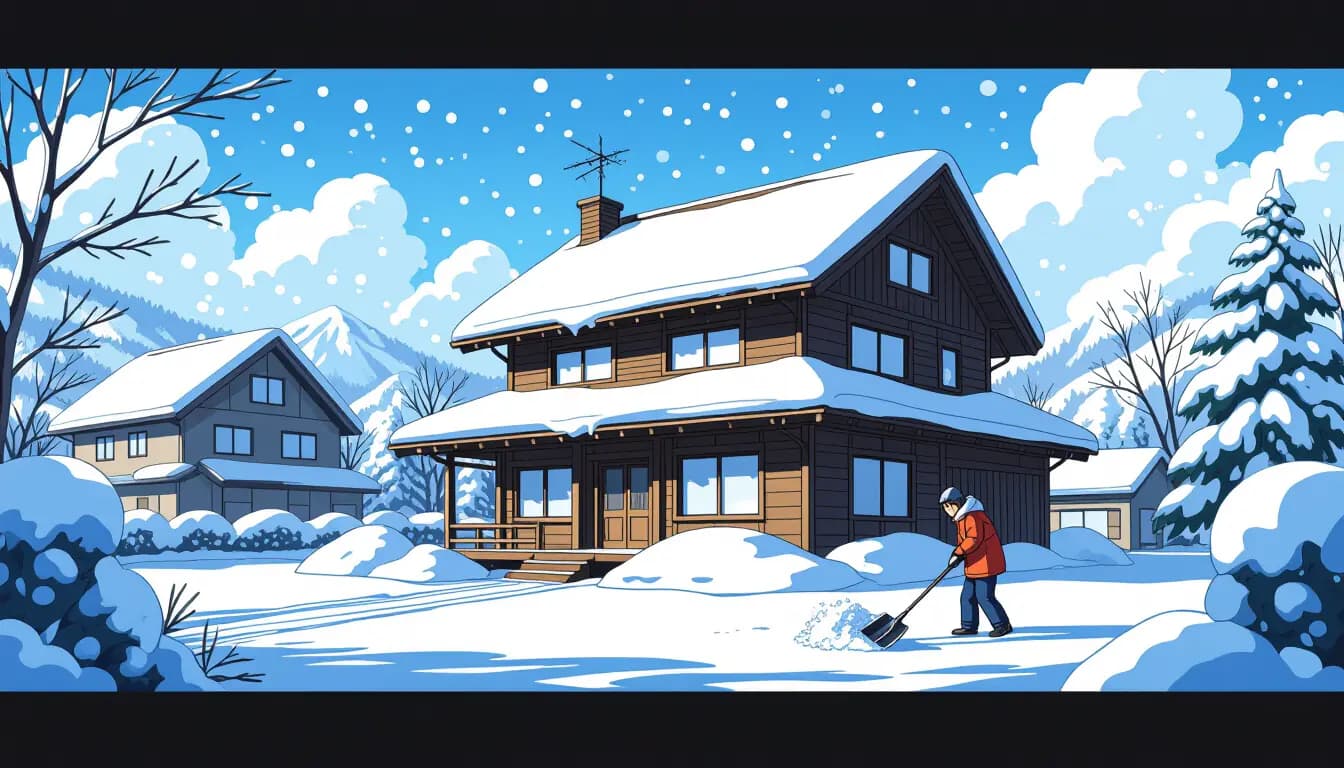
Hokkaido receives some of the heaviest snowfall of any inhabited region in the world. Sapporo averages over 6 meters of snowfall annually — more than any major city on the planet. Areas like Niseko and Furano routinely exceed 10-15 meters per season in the mountains. The snow is famously light and dry (perfect for skiing), but it accumulates fast and builds extreme structural loads.
Temperatures in Hokkaido regularly drop to -10°C to -20°C in January and February, with Obihiro and Asahikawa experiencing some of the coldest conditions. For property owners, this means:
- Snow load risk: Wet snow weighs 300-500 kg per cubic meter. At 2 meters of accumulation on a 100 m² roof, your structure bears 60-100 tonnes of weight.
- Pipe freezing: Temperatures below -4°C will freeze exposed or poorly insulated pipes within hours.
- Heating costs: Kerosene consumption in deep winter runs 300-600 liters per month.
- Road access: Driveways and access roads can become impassable without regular clearing.
Sapporo City alone spends 20.4 billion yen (approximately USD 190 million) on public snow removal each winter — and that covers only public roads. Your property is entirely your responsibility.
For broader context on buying in the region, see our Hokkaido vacation home guide for foreign buyers and Niseko property investment guide.
Snow Load Management: Protecting Your Roof
Roof failure from snow load is the most catastrophic risk for Hokkaido property owners. A structurally compromised roof can collapse, causing total loss of the building. This is why snow management is not simply about convenience — it is a safety and property preservation imperative.
Roof Types and Snow Risk
| Roof Type | Snow Shedding | Maintenance Burden | Notes |
|---|---|---|---|
| Metal (kirara/zinc) | Excellent — snow slides off | Low | Standard in heavy snow zones |
| Asphalt shingle | Moderate | Medium | Needs more frequent clearing |
| Clay tile | Poor — holds snow | High | Problematic in heavy snow areas |
| Flat roof | None — accumulates | Very high | Requires drain heating |
Metal roofing is the standard in Hokkaido's heavy snow zones for good reason: it allows snow to slide off naturally. If you are purchasing an older property with clay tiles, budget for re-roofing (¥1.5-3 million) as a near-term priority.
Snow Removal Options
Professional roof clearing services are the safest option for most foreign owners:
- Cost: ¥20,000-50,000 per visit
- Frequency needed: 3-5 visits in a heavy snow year
- Annual budget: ¥60,000-250,000
DIY roof clearing is possible but carries serious risk. Falls from roofs during snow removal kill 50-100 people annually in Japan, predominantly elderly homeowners. If you attempt it yourself, you need a proper snow removal shovel (雪下ろし棒), a safety harness, non-slip footwear, and a partner on the ground. Never do it alone.
Roof heating systems eliminate manual clearing entirely:
- Electric or hot-water (hydronic) systems embedded under roofing
- Installation: ¥1-3 million
- Monthly operating cost during snow season: ¥30,000-80,000
- Best suited for properties where owner cannot be present regularly
Snow guards (yukidomari): Metal bars or brackets that prevent sudden snow avalanche off the roof onto entrances, paths, or neighboring properties. Installation costs ¥200,000-400,000 and is highly recommended.
Pipe Freeze Prevention: The Number One Maintenance Priority
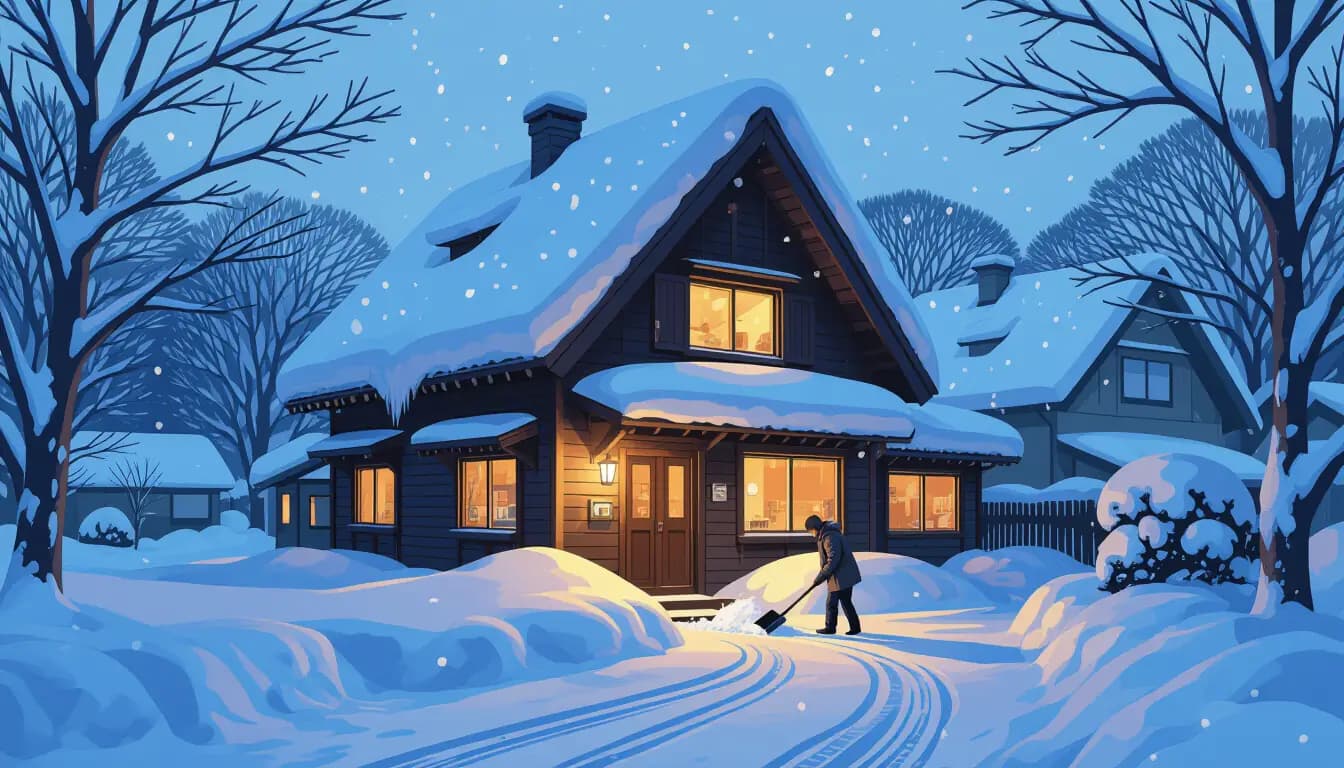
Frozen and burst pipes are the leading cause of property damage in vacant Hokkaido homes. Water expands approximately 9% when it freezes, splitting pipes and fittings with surprising violence. A single burst pipe in an unoccupied property can cause hundreds of thousands of yen in water damage before anyone notices.
Water Draining (水抜き / Mizunuki)
The standard procedure for any vacant Hokkaido property when temperatures drop below -4°C:
- Close the main water supply valve
- Open every faucet (hot and cold) in the house
- Flush all toilets
- Open the drain valve for the water heater
- Leave taps open until water stops flowing
- Leave taps in the open position
This procedure must be performed every time you leave the property during winter. It is not optional. Many Hokkaido properties have automatic drain systems (自動水抜き) built in — check if yours does and test it annually.
Options for Absent Owners
| Method | Monthly Cost | Effectiveness |
|---|---|---|
| Minimum heating (10-12°C) | ¥15,000-30,000 | High — prevents all freezing |
| Heating cables on pipes | ¥3,000-8,000 | Good for exposed pipes only |
| Pipe insulation wrapping | One-time ¥10,000-30,000 | Moderate — buys time only |
| Professional caretaker service | ¥10,000-20,000/visit | Excellent — full property check |
| Automatic drain system | ¥0 operating | Excellent if properly maintained |
For investment properties or vacation homes left unoccupied, keeping the heating running at a minimum temperature is the most reliable protection. At ¥15,000-30,000 per month, it is far cheaper than repairing burst pipe damage.
Learn more about managing investment properties remotely in our Hokkaido rental yield analysis guide.
Insulation: The Most Impactful Upgrade
Japanese housing is famously under-insulated by Nordic or Canadian standards, and older Hokkaido homes can be genuinely uncomfortable and expensive to heat. The good news: targeted insulation upgrades deliver dramatic improvements in comfort and cost.
Priority Insulation Upgrades
Windows (highest impact per yen):
- Single-pane windows account for 30-40% of heat loss
- Upgrade cost: ¥50,000-150,000 per window; whole-house double-glazing: ¥500,000-2,000,000
- Alternative: interior secondary glazing (内窓 / uchimado) at roughly half the cost
- Government subsidy available: 30-50% of costs recoverable
Floor insulation:
- Cold floors are the top comfort complaint from foreign owners
- Spray foam or insulation board under floors: ¥300,000-800,000
- DIY rigid board option available for crawl spaces
Attic insulation:
- Heat rises; an uninsulated attic is like having no roof
- Blown-in insulation: ¥200,000-400,000 — high ROI, low disruption
Wall insulation:
- Blown-in cellulose or spray foam into wall cavities: ¥500,000-1,500,000
- Most effective when combined with window upgrades
Draft sealing:
- Cheap and impactful: ¥10,000-30,000 in materials
- Targets gaps around fixtures, door frames, and penetrations
- Reduces heat loss by 10-20%
Government Subsidy Programs
The national 住宅省エネキャンペーン (Housing Energy Efficiency Campaign) offers subsidies recovering 30-50% of eligible insulation and window upgrade costs. Local Hokkaido prefectural programs often stack on top, making substantial upgrades financially attractive.
Check the Japan Housing Finance Agency and local Hokkaido government websites for current program details.
For a full breakdown of ownership costs, see our property taxes and annual costs guide.
Heating Systems: Choosing the Right Solution
Kerosene Heating (石油ストーブ / 灯油暖房)
The traditional and most common choice in Hokkaido:
- Fuel cost: ¥100-120 per liter
- Monthly consumption: 300-600 liters during deep winter
- Monthly cost: ¥30,000-72,000
- Tank capacity: 200-400 liters, refilled every 2-4 weeks
- Ventilation: Mandatory — kerosene combustion produces CO₂ and moisture
- Fan heaters (ファンヒーター): Most common type; hot air distributed from floor units
Kerosene is reliable, effective, and familiar to local contractors. The main downside is the ongoing fuel cost and the need to organize deliveries (typically by tanker truck visiting your neighborhood on scheduled routes).
Heat Pump Air Conditioners (エアコン)
Modern inverter heat pumps work efficiently down to -15°C or lower:
- Efficiency: Good above -5°C; drops sharply in deep cold
- Cost to run: ¥10,000-25,000/month at -5°C to -10°C
- Best use: Supplementary heating or for properties in milder Hokkaido coastal areas
- Installation: ¥150,000-400,000 per unit
In Hokkaido's coldest months, heat pumps alone are often insufficient — use them in combination with kerosene for optimal efficiency.
Wood Stoves (薪ストーブ)
Popular with renovation-focused foreign buyers for aesthetic and practical reasons:
- Warmth: Radiant heat penetrates walls and ceilings; exceptional comfort
- Installation: ¥500,000-1,000,000 (chimney, hearth, unit)
- Compliance: Local fire regulations; building inspection required
- Ongoing cost: Requires reliable dry wood supply
- Best for: Primary residences; impractical for vacant investment properties
For broader regional context, see our guide to Furano and Tomamu resort properties.
Yukigakoi: Traditional Snow Protection for Your Property
Yukigakoi (雪囲い) is the traditional practice of installing protective barriers around vulnerable parts of your property before the snow season arrives. Originally developed for protecting valuable garden trees and shrubs from snow weight, the practice extends to:
- Wooden protective panels around ground-floor windows
- Bamboo or timber frames around ornamental trees
- Protective barriers around air conditioning outdoor units
- Fencing around water heater tanks and utility boxes
Professional yukigakoi installation and removal: ¥50,000-150,000 per season. Many local contractors offer this as a seasonal service, typically installed in November and removed in March.
For foreign owners not present in Hokkaido during winter, hiring a local property management company to handle yukigakoi along with regular property checks is strongly recommended.
Annual Winter Cost Budget: What to Expect
Understanding the true cost of Hokkaido winter ownership prevents unpleasant surprises. Here is a realistic budget range for a detached house:
| Annual Winter Expense | Budget Range (¥) |
|---|---|
| Heating fuel (kerosene, 4-5 months) | 120,000 – 360,000 |
| Extra electricity (lighting, fans) | 30,000 – 60,000 |
| Professional roof snow removal | 60,000 – 250,000 |
| Yukigakoi installation & removal | 50,000 – 150,000 |
| Snowblower maintenance/fuel | 20,000 – 40,000 |
| Winter caretaker (for absent owners) | 40,000 – 80,000 |
| Emergency repairs (pipe, roof) | 0 – 200,000 |
| Total Annual Winter Premium | 320,000 – 1,140,000 |
This represents ¥27,000-95,000 per month above standard ownership costs during the winter period. Factor this into your purchase decision and rental yield calculations.
A study by researchers analyzing Hokkaido's snow removal burden found that approximately 2.125 million residences clear snow each winter, with households averaging 15 hours of labor annually — valued at roughly ¥24,000 per household. This is the floor of the cost; actual outlays for property owners are substantially higher when you add professional services and equipment.
For comprehensive ownership cost analysis, consult Living in Nihon's guide to life in Japan and For Work in Japan's housing resources.
Buying a Snowblower: Is It Worth It?
For Hokkaido property owners with driveways longer than 10 meters, a snowblower is not a luxury — it is a practical necessity.
| Snowblower Type | Price Range | Best For |
|---|---|---|
| Small electric (e.g., Yamaha YS-860) | ¥60,000-120,000 | Short paths, light snow |
| Medium gas-powered | ¥200,000-400,000 | Standard residential driveways |
| Large commercial-grade | ¥500,000-800,000 | Long driveways, heavy snowfall areas |
| Used (secondhand) | ¥100,000-400,000 | Good value; inspect before buying |
Honda and Yamaha make the most reliable residential models. Service availability and parts supply are good throughout Hokkaido. Annual maintenance (oil, spark plug, belts) runs ¥20,000-40,000.
If you only visit the property occasionally, consider the alternative: hire a local snow clearing service to handle driveways and paths on a seasonal contract.
Property Management for Absent Foreign Owners
Many foreign buyers in Hokkaido purchase properties as vacation homes or investment rentals and are not present for the winter season. This makes professional property management essential.
Key services to arrange before winter:
- Regular property inspections (weekly or biweekly)
- Snow clearing from roof, driveway, and paths
- Pipe drain procedure after each visitor departure
- Yukigakoi installation and removal
- Heating monitoring to prevent freeze damage
- Emergency response capability for burst pipes or structural issues
Property management fees typically run ¥10,000-20,000 per visit for inspection and basic maintenance tasks. Full seasonal management contracts range ¥100,000-300,000 per winter depending on property size and service scope.
The gaijinbuyhouse.com property management guide provides detailed guidance on selecting and working with management companies in Japan as a foreign owner.
For additional context on the broader Hokkaido market, explore our Hokkaido property prices comparison guide and the complete guide to buying property in Japan as a foreigner.
Pre-Purchase Winter Inspection Checklist
Before buying any Hokkaido property, a winter-specific inspection is essential. Ideally, visit during January or February.
Structural:
- [ ] Roof type and condition (metal preferred)
- [ ] Snow guard installation
- [ ] Ceiling and attic for past water damage signs
- [ ] Structural reinforcement for snow load
Heating:
- [ ] Kerosene tank location and size
- [ ] Heater age and condition
- [ ] Heat pump model and cold-weather rating
Plumbing:
- [ ] Automatic drain system (自動水抜き) presence and test
- [ ] Pipe insulation in crawl spaces
- [ ] Signs of past freeze damage (staining, patching)
Insulation:
- [ ] Window type (single vs double-glazed)
- [ ] Underfloor insulation presence
- [ ] Attic insulation depth
Exterior:
- [ ] Driveway snow clearing setup
- [ ] Utility box protection
- [ ] Neighbor snow management practices
See our detailed guide to hidden costs and fees when buying property in Japan for more pre-purchase due diligence tips.
Also, the akiya winterization guide at Akiya Japan provides excellent detail on snow country properties and the Unseen Japan article on Hokkaido snow removal burden gives useful context on the community-wide scale of winter maintenance.
Summary
Winter property maintenance in Hokkaido is manageable, but it requires planning, budgeting, and local support networks. The key takeaways:
- Budget ¥320,000-1,140,000 annually for winter-specific maintenance above standard costs
- Roof snow management is critical — professional clearing or roof heating systems are essential
- Pipe freeze prevention is non-negotiable — water draining or minimum heating for every absence
- Insulation upgrades pay back quickly — government subsidies make them even more attractive
- Absent owners need property management — do not leave a Hokkaido property unmanaged in winter
- Buy a snowblower if you have a driveway longer than 10 meters
Hokkaido's winters are severe but well-understood by local contractors, property managers, and the community. With the right preparation, your property will not only survive winter — it will welcome you back in perfect condition each ski season.

Originally from Vietnam, living in Japan for 16+ years. Graduated from Nagoya University, with 11 years of professional experience at Japanese and international companies. Sharing information about buying property in Japan for foreigners.
View Profile →Related Articles
Hokkaido Property Development and Tourism Growth Outlook
Hokkaido's 2024 tourism hit 8.92M visitors — a new record. Discover how Niseko, Furano, and Sapporo property markets are responding to the boom and what it means for foreign investors.
Read more →
Hakodate Property Guide for Foreign Buyers
Complete guide to buying property in Hakodate as a foreigner. Learn about prices (from ¥2M), legal rights, financing options, best areas, and how to navigate the purchase process in this affordable Hokkaido city.
Read more →
Hokkaido Rental Yield Analysis for Foreign Investors
Comprehensive Hokkaido rental yield analysis for foreign investors — comparing Niseko, Sapporo, Furano and rural areas. Includes yield data, tax costs, financing tips and area comparisons.
Read more →
Hokkaido Vacation Home Guide for Foreign Buyers
Complete guide to buying a vacation home in Hokkaido as a foreigner. Learn about Niseko, Sapporo, costs, rental income, legal process, and financing options for overseas buyers.
Read more →
Otaru Property Guide for Foreign Buyers
Complete guide to buying property in Otaru, Japan as a foreigner. Covers prices (avg ¥14.1M), legal rights, financing challenges, buying process, and investment potential in this historic Hokkaido port city.
Read more →
Furano and Tomamu Resort Property Guide for Foreigners
Complete guide to buying resort property in Furano and Tomamu, Hokkaido as a foreigner. Property prices, buying process, rental income potential, costs, and tips for foreign investors in Japan's ski resort market.
Read more →