
Japan Rental Property Vacancy Rate Analysis by Area


Comprehensive analysis of Japan's rental property vacancy rates by region. Compare Tokyo's 3% vacancy vs rural Japan's 21%. Essential data for foreign renters and investors in 2025.
Japan Rental Property Vacancy Rate Analysis by Area
Japan's rental property market presents one of the most striking contrasts in the developed world: a national housing vacancy rate of nearly 14% coexists with urban rental markets so tight that finding an apartment in Tokyo can feel like competing in a lottery. Understanding this dichotomy is essential for anyone considering renting or investing in Japanese real estate.
Whether you're a foreigner looking to rent in a major city or an investor evaluating income property across different regions, this vacancy rate analysis will help you make data-driven decisions. The numbers tell a fascinating story of demographic decline, urban concentration, and opportunity — if you know where to look.

Japan's National Vacancy Rate: The Big Picture
As of 2023, Japan had approximately 9 million vacant homes nationwide, representing a vacancy rate of 13.8% — a record high and roughly double the figure from 1993. The Ministry of Land, Infrastructure, Transport and Tourism (MLIT) projects this will worsen, forecasting that vacant homes will reach 10.2 million by 2030, pushing the national vacancy rate to 14.8%.
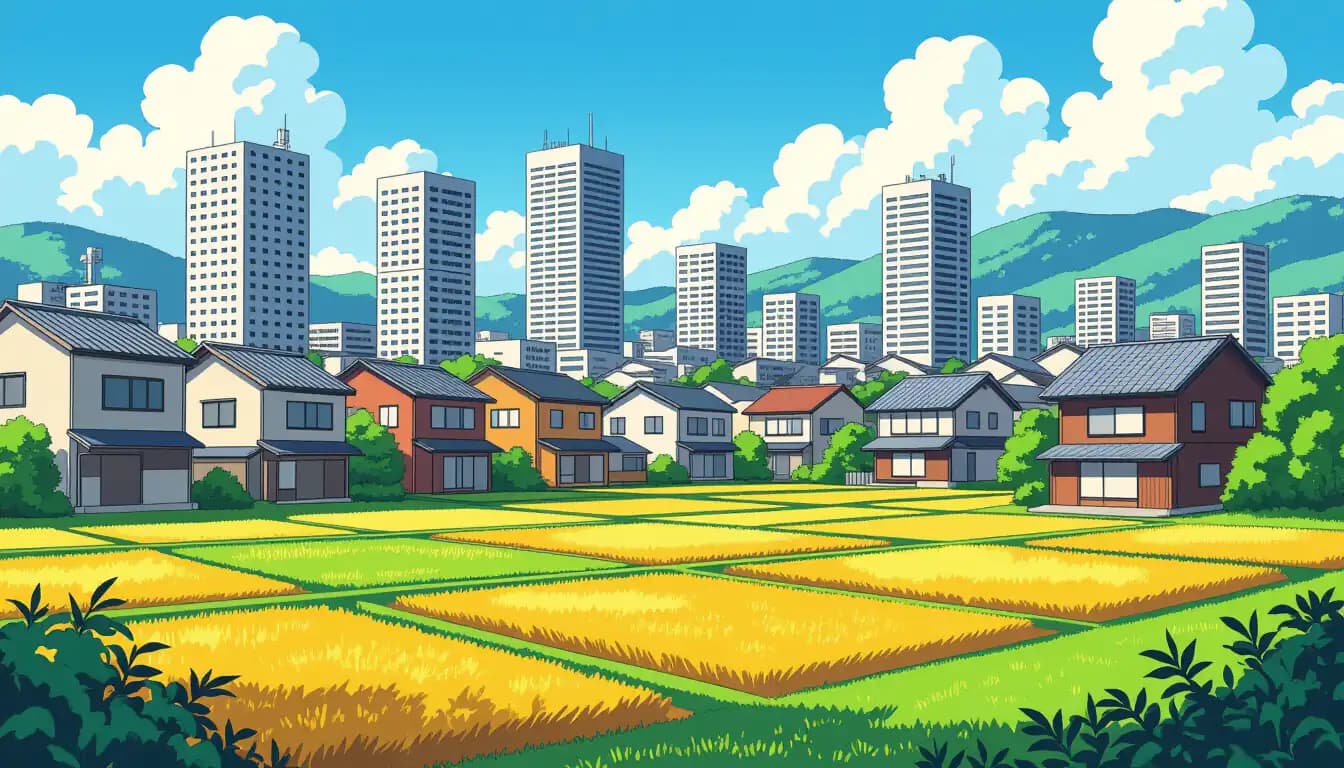
These numbers sound alarming, but context is everything. The vast majority of vacant properties — called akiya (空き家) in Japanese — are concentrated in rural areas with declining populations. They are often old, deteriorating wooden structures far from public transport or employment centers. Most cannot be easily converted into rentable modern apartments.
For practical purposes, Japan's rental market divides into two distinct worlds:
- Urban rental markets (Tokyo, Osaka, Nagoya, Fukuoka): Extremely tight, with vacancy rates below 5% and rising rents
- Rural and suburban markets: High vacancy rates often exceeding 15-20%, with some properties effectively abandoned
Understanding which market you're dealing with is the first step to making sound housing or investment decisions. For a comprehensive overview of Japan's real estate landscape, see our Japan Real Estate Market Overview and Trends.
Vacancy Rates by Region: A Prefecture-by-Prefecture Breakdown
Regional variations in Japan's vacancy rate are dramatic. The table below summarizes estimated vacancy rates across major areas based on available data:
| Region / Prefecture | Estimated Vacancy Rate | Market Condition |
|---|---|---|
| Tokyo (23 Wards) | ~3% | Extremely tight |
| Kanagawa | ~3.2% | Very tight |
| Saitama | ~3.8% | Tight |
| Osaka | ~4-5% | Tight |
| Fukuoka | ~5% | Tight, growing |
| Sapporo (Hokkaido) | ~5% | Stable, growing |
| Aichi (Nagoya) | ~6-8% | Moderate |
| Outer Tokyo Suburbs (>50km) | ~20% | High vacancy |
| Wakayama | ~21.2% | Very high vacancy |
| Tokushima | ~21.2% | Very high vacancy |
| Kagoshima | ~13.6% | High vacancy |
| Kochi | ~12.9% | High vacancy |
| Shikoku Region | ~18-22% | High vacancy |
| Tohoku Region | ~15-20% | High vacancy |
The contrast is stark: Tokyo's urban core maintains occupancy rates of 96.6-96.8% in its 23 wards, meaning only 3% of apartments sit empty at any given time. Meanwhile, rural prefectures like Wakayama and Tokushima see more than one in five homes standing vacant.
For investors specifically interested in Tokyo's property market, our Buying Property in Tokyo as a Foreigner guide covers the local market in detail.
Major City Deep Dives: Tokyo, Osaka, Fukuoka, and Sapporo
Tokyo: The Tightest Market in Japan
Tokyo's 23 special wards represent Japan's most competitive rental market. Occupancy rates consistently hover around 96.6-96.8%, and rental prices have been rising steadily. The average gross rental yield in Tokyo stands at approximately 3.59%, lower than other cities due to high purchase prices but extremely reliable given near-zero vacancy risk.
Key factors driving Tokyo's tight market:
- Continuous population inflow from across Japan and internationally
- Limited land available for new construction in central wards
- Strong employment base with global companies
- Major universities and research institutions attracting students
For expats and foreigners, Tokyo remains the easiest city to find English-friendly real estate agents and international apartment listings. Resources like Living in Nihon provide comprehensive guides specifically tailored to foreign residents navigating Tokyo's rental process.
Osaka and the Kansai Region
Osaka maintains tight vacancy rates in its urban core, with rates in the 4-5% range in central areas like Namba, Shinsaibashi, and Umeda. The city has benefited enormously from tourism growth and the upcoming Expo 2025 effect, which increased international attention and investment.
Suburban areas of Osaka show higher vacancy rates, particularly in older residential neighborhoods more than 30 minutes from central stations. Our Buying Property in Osaka as a Foreigner guide covers these nuances for investors.
Fukuoka: Rising Star of Western Japan
Fukuoka has emerged as one of Japan's most attractive rental investment markets. With vacancy rates around 4.98% and gross rental yields among the highest of any major Japanese city, Fukuoka offers a compelling combination of tight rental demand and reasonable purchase prices.
The city's young population, international airport with direct flights to major Asian cities, and startup-friendly government policies have attracted significant domestic migration and foreign investment interest. For investors considering western Japan, see our Buying Property in Fukuoka and Kyushu guide.
Sapporo: Cold Climate, Hot Market
Hokkaido's capital Sapporo mirrors Fukuoka's story, with vacancy rates around 4.98% and solid rental yields. The city has seen increased foreign interest, particularly from buyers attracted to Niseko's ski resort market. Our dedicated Buying Property in Hokkaido guide explores both the urban Sapporo market and the distinctive Niseko premium property segment.
Rural Vacancy Rates and the Akiya Opportunity
Japan's rural vacancy crisis — the akiya problem — has generated significant international media attention. With approximately 9 million empty homes across the country, many priced at just a few million yen (tens of thousands of dollars), the opportunity for bargain hunters appears enormous.
However, the reality demands careful scrutiny:
What the numbers don't tell you:
- Only 15% of vacant houses are in convenient locations within 1km of a train station
- 85% of akiya suffer from poor accessibility, deteriorating infrastructure, or both
- Renovation costs typically run 2-3 times the purchase price, with roof repairs alone costing approximately ¥3.5 million
- Many rural areas face continued population decline, meaning rental demand may not materialize even after renovation
Where rural investment can work:
- Tourist destinations with strong short-term rental demand
- Commuter towns within 45 minutes of major urban centers
- Areas with active local government revitalization programs
Hakuba in Nagano prefecture illustrates the tourist-destination exception: land prices increased 30% year-on-year as of 2024, and international accommodation searches rose 63% year-on-year, demonstrating that strong tourism demand can completely rewrite rural real estate economics.
For foreigners interested in rural property, our Rural and Countryside Properties in Japan for Foreigners guide provides essential context on finding, evaluating, and purchasing akiya.
What Vacancy Rates Mean for Rental Investors
Understanding vacancy rates is academic unless you translate them into investment implications. Here's how Japan's regional vacancy data should influence investor decisions:
Low-Vacancy Urban Markets (Under 5%): Stability Over Yield
In Tokyo, Osaka, and Fukuoka's urban cores, vacancy risk is minimal. You can count on consistent rental income with minimal void periods. The trade-off is lower gross yields — Tokyo averages around 3.59% gross — and high entry prices.
Best for: Conservative investors prioritizing capital preservation and predictable income, particularly foreigners new to Japanese real estate.
Mid-Vacancy Markets (5-10%): Balanced Risk and Reward
Areas like Nagoya, outer Osaka suburbs, and secondary cities offer a middle ground. Vacancy risk exists but is manageable with quality properties in good locations. Gross yields typically range from 5-8%, making these markets attractive for yield-focused investors.
Best for: Investors comfortable with more active property management, willing to carefully select locations near employment or transit hubs.
High-Vacancy Rural Markets (Over 15%): Speculative Only
Rural areas with 15%+ vacancy rates carry substantial risk. Rental demand is weak, property values may continue declining, and finding tenants can require significant concessions (lower rent, furnished units, etc.).
Best for: Buyers with specific non-income motivations (vacation home, lifestyle relocation) or those targeting specific tourist areas with documented demand. See Housing Japan's Tokyo vs. Rural Japan guide for a deeper comparative analysis.
For guidance on all costs associated with purchasing investment property, our Hidden Costs and Fees When Buying Property in Japan article is essential reading.
Forecasts: Where Vacancy Rates Are Headed
Japan's demographic trajectory makes the vacancy problem unlikely to reverse in rural areas. MLIT projections suggest:
- 2025: 9.5 million vacant homes, ~14.2% vacancy rate
- 2030: 10.2 million vacant homes, ~14.8% vacancy rate
- Long-term: Without significant policy intervention or immigration reform, rural vacancy will continue rising
However, urban markets tell a different story. Japan's population may be declining nationally, but urban concentration is increasing. More Japanese citizens are moving from rural prefectures to Tokyo, Osaka, Fukuoka, and Sapporo each year, maintaining tight urban rental markets even as the national vacancy rate climbs.
For foreign investors and renters, this urban concentration trend is good news. Major city rental markets should remain competitive for the foreseeable future, supporting both rental yields and property values.
The Japanese government has recognized the akiya crisis and implemented several policy responses:
- Akiya Banks: Government-run databases connecting vacant home sellers with buyers, now active in most prefectures
- Renovation subsidies: Local governments offering grants up to ¥1 million for akiya renovation
- Tax incentives: Reduced property tax obligations for renovated and rented akiya
For information on the tax implications of property ownership, see our Property Taxes and Annual Costs guide.
Practical Advice for Foreigners: Navigating the Rental Market
Understanding vacancy rates is one thing; finding and securing a rental property as a foreigner is another challenge entirely. Japan's rental market has historically been unwelcoming to foreign applicants, though this is slowly changing.
Urban rental process for foreigners:
- Work with foreigner-friendly agencies (some specialize in English-language service)
- Prepare a guarantor — many landlords require a Japanese guarantor or a guarantee company
- Expect to provide proof of income, residence status, and employer information
- Budget for upfront costs: typically 4-6 months' rent for deposits, key money, and agency fees
The For Work in Japan Housing Guide offers comprehensive practical guidance on housing for foreign workers, from finding accommodations to understanding contracts.
For those considering purchasing rather than renting, our complete Buying Property in Japan as a Foreigner Guide walks through every step of the process.
Using vacancy data strategically:
- Target areas with 3-5% vacancy for reliable rentals with good selection
- Avoid areas above 15% vacancy unless you have a specific local knowledge advantage
- Check prefecture-level data before committing to a suburban or rural location
- Consult Gaijin Buy House for investment strategies tailored to foreign buyers in Japan's property market
Conclusion
Japan's rental property vacancy rate tells two very different stories depending on where you look. In Tokyo, Osaka, Fukuoka, and Sapporo, vacancy rates below 5% create stable, competitive rental markets that reward quality investments. In rural prefectures and outer suburbs, vacancy rates exceeding 15-20% signal genuine structural challenges that require careful due diligence before committing capital.
For most foreign renters and investors, the urban markets offer the most reliable outcomes. The data consistently shows that proximity to employment, transportation, and urban amenities is the single most important factor distinguishing Japan's thriving rental markets from its struggling ones.
As Japan's demographic trends continue, the gap between urban and rural vacancy rates will likely widen. Forward-thinking investors who understand these dynamics — and position themselves in the right markets — will be best placed to benefit from Japan's unique and evolving real estate landscape.

Originally from Vietnam, living in Japan for 16+ years. Graduated from Nagoya University, with 11 years of professional experience at Japanese and international companies. Sharing information about buying property in Japan for foreigners.
View Profile →Related Articles

Japan Rental Market Trends and Forecast for Investors
Comprehensive analysis of Japan rental market trends for foreign investors: occupancy rates, rental yields by city, 2025-2026 forecasts, and investment strategies for foreign landlords.
Read more →
Insurance Guide for Rental Property Owners in Japan
Complete insurance guide for rental property owners in Japan. Learn about fire insurance, earthquake coverage, landlord liability, and how to protect your investment as a foreign landlord.
Read more →
Share House Investment in Japan: Opportunity and Guide
Learn how to invest in Japanese share houses as a foreigner. Covers yields (4–6% net), legal framework, buying process, management, and key risks — with 2025 market data.
Read more →
Corporate Rental Demand in Japan: A Strategy for Investors
Discover how corporate rental demand in Japan creates stable, high-yield investment opportunities. Learn where demand concentrates, realistic yields, and how to attract corporate tenants.
Read more →
Rental Property Maintenance Obligations for Japan Landlords
A complete guide to landlord maintenance obligations in Japan, covering the Civil Code, Genjyo Kaifuku rules, tenant vs landlord responsibilities, and practical tips for foreign property owners.
Read more →
Japan Rent Guarantee Company System Explained
Understand Japan's rent guarantee company (hoshogaisha) system — how it works, fees, top companies for foreign tenants, and what every foreign landlord needs to know to protect rental income.
Read more →