
Condo Management and Maintenance Fees in Japan

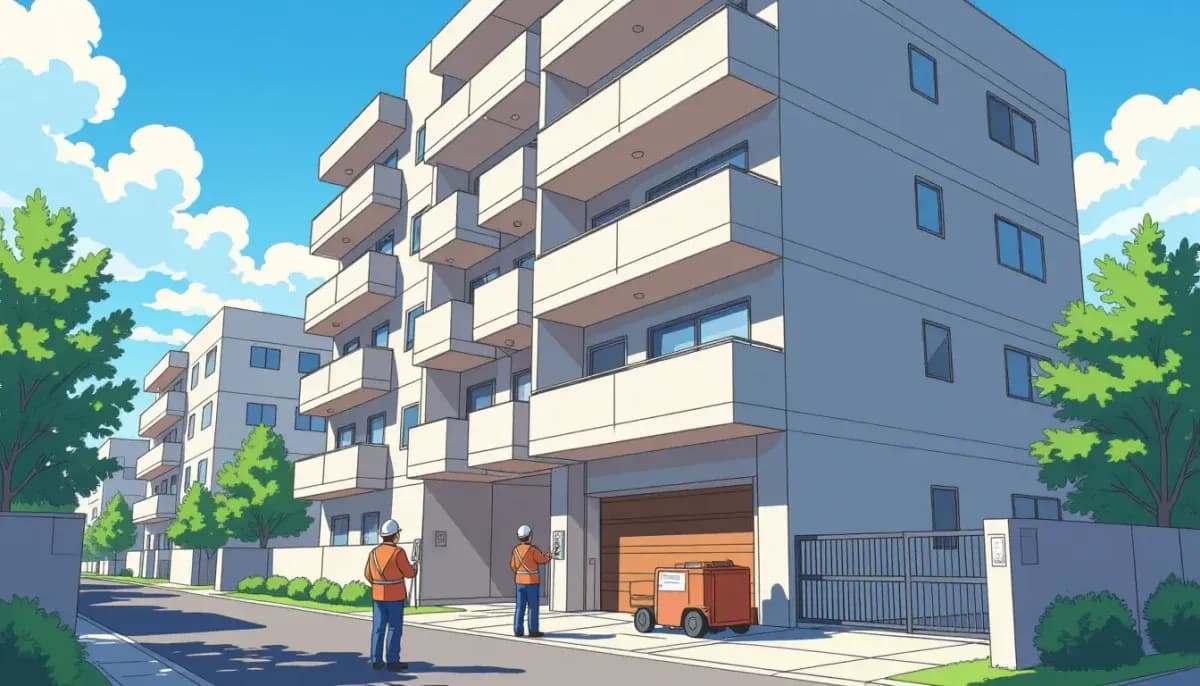
Understand Japan condo management fees and repair reserve fund fees. Learn average costs, what they cover, payment methods for foreigners, and how to evaluate fees before buying.
Condo Management and Maintenance Fees in Japan: A Complete Guide for Foreign Owners
Buying a condominium (known as a manshon or マンション) in Japan is an exciting step, but it comes with ongoing financial obligations that many foreign buyers overlook. Beyond your mortgage, you'll be required to pay monthly management fees and repair reserve fund fees for as long as you own the unit. Understanding these costs before you buy can save you from unpleasant surprises and help you make a smarter investment decision.
This guide explains everything you need to know about condo management and maintenance fees in Japan — what they are, how much they cost, what they cover, and how to evaluate them as a foreign buyer.
What Are Condo Management Fees in Japan?
In Japan, condominium owners pay two distinct types of monthly fees to the building's management association (管理組合, kanri kumiai):
- Management Fee (管理費, *kanri-hi*) — Covers day-to-day operations and maintenance of common areas
- Repair Reserve Fund Fee (修繕積立金, *shuzen tsumitatekin*) — Saves money collectively for future major repairs
These fees are mandatory for all unit owners, regardless of nationality. They are set by the owners' association and managed either by a professional management company or by the residents themselves.
Many first-time buyers confuse these two fees or think they serve the same purpose. In reality, they function very differently:
- Management fees fund current, ongoing operations
- Repair reserve funds accumulate over time for large-scale future renovations
Both are legally required and non-payment can have serious consequences, including foreclosure proceedings on your unit.
For a comprehensive overview of the home-buying process, see our guide on buying a condominium in Japan as a foreigner.
How Much Do Management and Maintenance Fees Cost?
Fee amounts vary depending on building size, location, age, and the quality of services provided. However, national averages offer a helpful benchmark:
| Fee Type | Average Monthly Amount | Per Square Meter |
|---|---|---|
| Management Fee (管理費) | ¥10,661 (~$72 USD) | ¥217/sqm |
| Repair Reserve Fund (修繕積立金) | ¥17,830 (~$120 USD) | ¥149/sqm |
| Combined Total | ¥28,491 (~$192 USD) | ~¥366/sqm |
Source: Ministry of Land, Infrastructure, Transport and Tourism (MLIT) survey data
For a typical 70 sqm unit in Tokyo, you might expect to pay:
- Management fee: approximately ¥15,000/month
- Repair reserve fund: approximately ¥10,000/month
- Total: around ¥25,000/month (¥300,000/year)
The Ministry of Land recommends aiming for ¥165–245 per square meter monthly across both fees. Buildings with unusually low fees — say, under ¥5,000/month combined — should raise red flags about deferred maintenance.
It's worth noting that management fees have increased roughly 7.5% between 2020 and 2024 (from ¥201/sqm to ¥216/sqm) due to rising labor and energy costs. Buyers should factor in likely future increases when planning their long-term budget.
For more on the full range of ownership costs, see our article on property taxes and annual costs of owning property in Japan.
What Do Management Fees Cover?
Management fees fund the routine operations of the building's shared spaces and services. Specifically, they typically cover:
- Cleaning and sanitation of common areas: lobbies, corridors, elevators, parking lots, and garbage collection areas
- Utilities for common areas: lighting in hallways, elevators, and exterior spaces
- Security systems: surveillance cameras, intercoms, and in some buildings, security guard salaries
- Elevator maintenance and inspection (mandatory inspections under Japanese law)
- Landscaping and garden upkeep in buildings that have outdoor spaces
- Administrative costs: accounting, printing, and meeting expenses for the owners' association
- Building insurance: fire and earthquake insurance for common structural elements
- Concierge and reception services in higher-end buildings
- Delivery locker maintenance, an increasingly important service in modern buildings
How these fees are split among owners is determined by each unit's exclusive floor area. Larger units pay proportionally more.
According to Dovetail's guide to management fees in Japan, "the era when switching management companies could reduce fees is over" — rising labor and energy costs mean these fees will only increase going forward.
What Is the Repair Reserve Fund and Why Does It Matter?
The repair reserve fund (shuzen tsumitatekin) is one of the most important — and most misunderstood — aspects of condo ownership in Japan.
Unlike management fees that are spent every month, repair reserve funds accumulate over time in a collective account managed by the owners' association. When major repairs are needed, the association draws from this fund rather than demanding a lump-sum payment from owners.
What repair reserve funds pay for:
- Exterior wall repair, repainting, and waterproofing
- Roof and balcony waterproofing (note: balconies are legally common areas in Japan)
- Plumbing and drainage system replacement
- Elevator upgrades and replacement
- Parking facility repairs
- Seismic retrofitting and earthquake safety upgrades
- Disaster-related repairs
The critical issue for older buildings: Buildings constructed before 2008 often started with artificially low repair reserve fees to attract buyers. Over time, these fees must increase significantly — sometimes tripling — to cover actual costs. Some buildings use a "step-up" method with planned fee increases every 2 years.
Before purchasing a unit, REthink Tokyo's condo fees guide recommends never automatically rejecting buildings with high fees, as well-maintained buildings attract better tenants and command higher resale values.
How to Evaluate Fees Before Buying
As a foreign buyer, evaluating the health of a building's management and reserve fund situation is essential due diligence. Here's what to check:
1. Request the Long-Term Repair Plan (長期修繕計画) This document outlines planned repairs for the next 20–30 years and the projected fees needed to fund them. It's your best tool for assessing whether current fees are adequate.
2. Review the Repair Reserve Fund Balance Ask for the current balance and compare it against the building's age and recent repair history. A large, well-maintained fund is a positive sign; a depleted fund in an aging building is a serious warning.
3. Check for Outstanding Debt If the previous owner is behind on repair fund contributions, you as the new owner become responsible for those unpaid fees. Always verify there are no arrears before closing.
4. Review Annual General Meeting Minutes The owners' association holds at least one annual general meeting (sokai) where budgets and major repairs are decided. Reviewing the past 5 years of meeting minutes reveals fee trends and upcoming repair projects.
5. Consider Building Size Medium-sized buildings with 70–100 units tend to offer the best fee efficiency — large enough to distribute fixed costs, but not so large as to require expensive luxury amenities. Very small buildings (under 30 units) often have higher per-unit fees.
6. Assess Common Area Quality During viewings, inspect the cleanliness of hallways, the condition of elevator panels, and the state of the lobby. Poor upkeep despite adequate fees suggests management problems.
For help navigating these checks, see our article on hidden costs and fees when buying property in Japan.
Your Rights and Responsibilities as an Owner
When you buy a condo in Japan, you automatically become a member of the building's owners' association (管理組合, *kanri kumiai*). This gives you both rights and responsibilities:
Your rights:
- Vote at annual general meetings and extraordinary meetings
- Stand for election to the association's board
- Access financial records and repair fund statements
- Propose agenda items for association meetings
Your responsibilities:
- Pay management fees and repair reserve fund fees monthly without fail
- Follow the building's rules (kanri kisoku)
- Participate in association activities (direct or by proxy)
- Comply with decisions made at general meetings
According to a 2023 MLIT survey, 60.4% of condo residents in Japan want to live in their unit permanently — a sign that the management association system is generally working well for long-term residents.
Japan's Condominium Unit Ownership Act was revised in 2024 (effective April 2026), making it easier for associations to approve major repairs and address issues with absentee owners. The approval threshold for major renovations has been reduced from 80% to 75% of owners.
For overseas buyers managing property remotely, see our guide on property management for overseas owners in Japan.
Payment Methods for Foreign Owners
Management and repair reserve fees are typically collected by automatic bank transfer from a Japanese bank account. This is straightforward if you have a Japanese bank account, which most residents can open.
For non-resident foreign owners, the situation requires more planning:
- Non-residents generally cannot open a Japanese bank account without a residence status
- Many property management companies offer proxy payment services for overseas owners
- Some owners set up payments through a trusted representative in Japan
- A few management companies accept international wire transfers, though this is less common
If you plan to own property while living abroad, arrange your payment method before completing the purchase. Your real estate agent or property management company can guide you to suitable options.
Our guide on insurance for property owners in Japan also covers related financial obligations for foreign condo owners.
Tips for Negotiating and Budgeting
When negotiating purchase price: High management and reserve fees can be used as leverage in price negotiations. A unit with combined monthly fees of ¥40,000 is genuinely less attractive than a comparable unit with ¥20,000 in fees, and sellers often accept lower prices accordingly. See Gaijin Buy House's guide on condo price negotiation tips for strategies on working these costs into your offer.
Budget for increases: Plan your budget assuming fees will increase by 5–10% every 3–5 years. In older buildings, increases can be steeper. The "low fee trap" — buying based on attractively low current fees without understanding the building's repair needs — is one of the most common mistakes foreign buyers make.
Investment property considerations: If buying for rental income, remember you must continue paying management and repair fees even when the unit is vacant. Factor this into your yield calculations. REthink Tokyo's management fee analysis notes that vacancies of even a few months can significantly impact returns.
New vs. used buildings: New-build condos often start with very low repair reserve fees (as low as ¥2,000/month) that increase sharply after a few years. Used buildings in stable condition with established, adequate fees may offer more predictable costs over time.
For more information on the Japan property market and investment landscape, visit Living in Nihon for expat housing guides, For Work in Japan for information on housing in the context of working in Japan, and resources.realestate.co.jp for detailed breakdowns of repair reserve fund costs.
Summary: Key Numbers to Remember
When evaluating a condo in Japan, keep these benchmarks in mind:
| Metric | Benchmark |
|---|---|
| Management fee (average) | ¥10,661/month or ¥217/sqm |
| Repair reserve fund (average) | ¥17,830/month or ¥149/sqm |
| Combined monthly total (average) | ¥28,491/month |
| Reasonable combined range | ¥5,000–¥30,000/month |
| Red flag: combined total below | ¥5,000/month for any unit |
| Expected annual fee increase | 2–5% in stable buildings |
| Optimal building size | 70–100 units |
Understanding management and maintenance fees is a critical step toward responsible condo ownership in Japan. By doing your due diligence on fees before you buy, you protect your investment and ensure you can afford the true long-term cost of ownership.
For the full picture of what it costs to own property in Japan, explore our complete guide on buying a condominium in Japan as a foreigner and our property taxes and annual ownership costs overview.

Originally from Vietnam, living in Japan for 16+ years. Graduated from Nagoya University, with 11 years of professional experience at Japanese and international companies. Sharing information about buying property in Japan for foreigners.
View Profile →Related Articles

Currency Exchange Costs for Foreign Buyers Purchasing Japan Property
A complete guide to currency exchange costs when buying property in Japan as a foreigner. Learn about bank markups, wire transfer fees, AML requirements, and how to save thousands using specialist FX services.
Read more →
Repair Reserve Fund (Shuuzen Tsumitate Kin) in Japan Condos
Everything foreigners need to know about Japan's condo repair reserve fund (shuuzen tsumitatekin): monthly costs, red flags, due diligence checklist, and what happens if you don't pay.
Read more →
Fire and Earthquake Insurance Costs in Japan
Complete guide to fire insurance (kasai hoken) and earthquake insurance (jishin hoken) costs in Japan for foreign property owners. Premiums, coverage, providers, and tips for expats.
Read more →
Renovation Costs for Used Properties in Japan
Complete guide to renovation costs for used properties in Japan. Room-by-room cost breakdowns, real-world examples, government subsidies, and budgeting tips for foreign buyers.
Read more →
Furniture and Appliance Costs for Your New Home in Japan
Complete guide to furniture and appliance costs when setting up a new home in Japan. Realistic budgets, where to buy, rental options, and tips for foreigners.
Read more →
Moving Costs When Relocating to a New Home in Japan
Complete guide to moving costs in Japan for foreigners: domestic moving company fees, furniture costs, utility setup, neighbor gifts, international relocation expenses, and money-saving tips.
Read more →