
Corporate Rental Demand in Japan: A Strategy for Investors

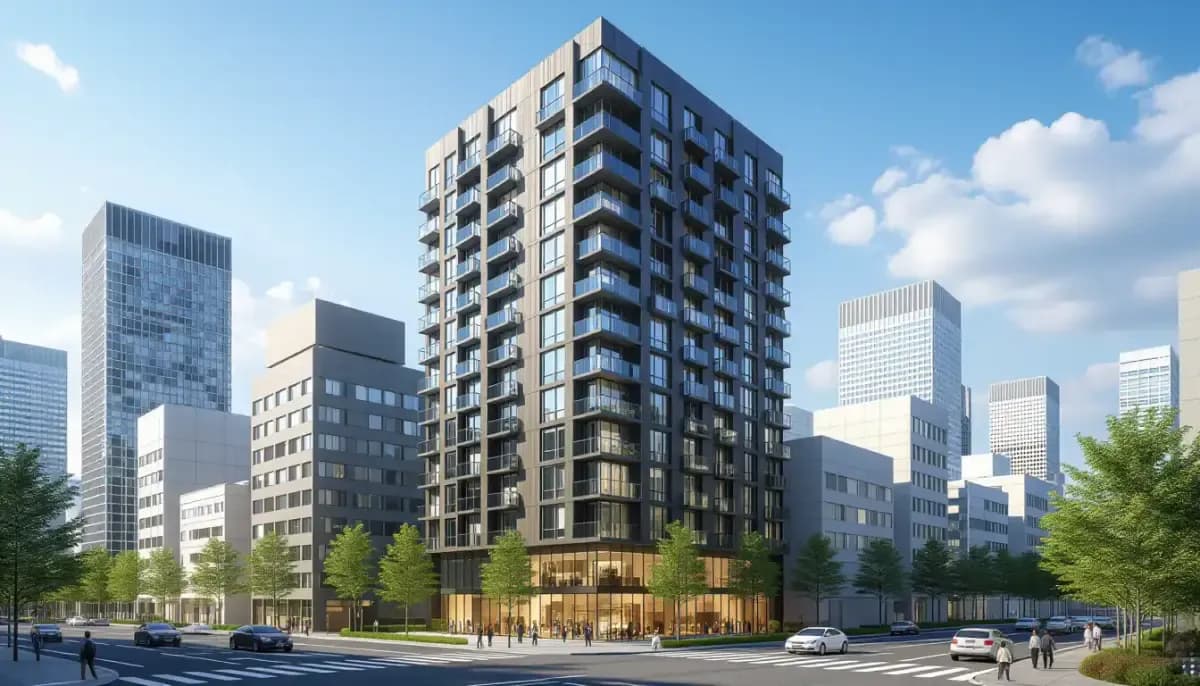
Discover how corporate rental demand in Japan creates stable, high-yield investment opportunities. Learn where demand concentrates, realistic yields, and how to attract corporate tenants.
Corporate Rental Demand in Japan: A Strategy for Investors
Japan's corporate rental market offers one of the most stable and lucrative opportunities in Asian real estate investment. With a record foreign resident population of 3.41 million as of 2023 — up 10.9% year-over-year — and multinational companies continuing to expand their footprints in Tokyo, Osaka, and beyond, corporate housing demand has never been stronger. For investors looking to minimize vacancy risk while commanding premium rents, understanding and targeting the corporate rental segment is an essential strategy.
This guide breaks down what corporate rental demand means for property investors in Japan, where it is concentrated, how to position your investment to attract corporate tenants, and what yields you can realistically expect.
What Is Corporate Rental Demand and Why Does It Matter?
Corporate rental demand refers to housing leased directly by companies for their employees — typically expatriate staff, transferred executives, technical specialists, or foreign hires. Unlike individual tenants who may move frequently, corporate tenants tend to stay longer, pay on time (since the company signs the contract), and maintain properties well.
For landlords, the key benefits of corporate tenants include:
- Guaranteed rent payments: Corporations, not individuals, sign lease agreements. This dramatically reduces default risk.
- Stable occupancy: Companies often renew leases annually or for multi-year terms as long as employees remain stationed.
- Premium rent tolerance: Corporate housing budgets tend to be higher than what individual renters would pay for the same unit, since companies subsidize housing as a welfare benefit.
- Lower tenant-related friction: Corporate intermediaries handle communications, reducing direct landlord-tenant disputes.
According to research from Japan Luxury Realty Group, corporate housing contracts are "a key stabilizing force" in the rental market, with companies expanding housing subsidy programs that ensure "stable occupancy even at relatively high rent levels."
For a broader look at how rental property investment works in Japan, see our Rental Property Investment Guide for Foreign Landlords.
Where Corporate Rental Demand Is Concentrated
Corporate housing demand in Japan is not evenly distributed. It clusters in urban business districts, particularly in areas with:
- High concentrations of multinational company offices
- Proximity to international airports (Haneda, Narita, Kansai)
- Well-developed English-language services and international schools
- Easy commute access to major business hubs
Tokyo's Top Corporate Rental Zones
| Ward / Area | YoY Rent Change (2025) | Corporate Demand Driver |
|---|---|---|
| Minato Ward (Roppongi, Azabu, Shiba) | +12.0% | Embassies, Fortune 500 HQs, financial firms |
| Setagaya Ward | +21.3% | Mid-level expat families, international schools |
| Shibuya Ward | -15.4% | Shifting away from entertainment-led demand |
| Shinjuku Ward | +8.2% | Tech companies, consulting firms |
| Chiyoda Ward | +9.1% | Government-adjacent offices, legal/finance sector |
| Yokohama (Nishi/Naka) | +6.5% | Automotive sector expats, Minato Mirai hub |
Source: E-Housing Tokyo Rental Market 2025 Data
Minato Ward — home to Roppongi Hills, ARK Hills, and dozens of international company headquarters — consistently commands the highest corporate rents in Japan. A two-bedroom unit in Minato can rent for ¥400,000–¥600,000 per month under a corporate lease, compared to ¥200,000–¥300,000 in outer wards.
For city-specific investment analysis, explore our guides on Buying Property in Tokyo as a Foreigner and Buying Property in Yokohama.
Key Drivers of Corporate Rental Demand in 2025
Several structural forces are sustaining and growing corporate rental demand in Japan right now:
1. Record Foreign Resident Population
Japan's registered foreign residents reached 3,410,992 at end of 2023 — the highest on record, up 10.9% from the prior year. Many of these residents are workers on employer-sponsored visas, and their companies bear responsibility for arranging housing. This creates a direct pipeline of corporate tenants for well-positioned properties.
2. Foreign Investment Surge
Foreign investment in Japanese residential real estate grew 18% year-over-year in 2024, reaching JPY 740 billion ($5 billion USD). North American and European funds account for 68% of foreign investment inflows. As more international companies invest in Japan, they need housing solutions for the executives and specialists they deploy.
3. Supply Constraints
Construction costs in Japan have risen 30–40% over the past three years due to material shortages and labor costs. This limits new housing supply, protecting the rental yields of existing properties. Corporate tenants competing for a shrinking pool of quality units push rents higher.
4. Company Housing Subsidy Expansion
Many Japanese companies are expanding their jūtaku teate (住宅手当 — housing allowance) programs. Established providers like Ken Corporation — with 50+ years in the business and over 1,600 corporate clients — demonstrate just how entrenched company housing arrangements are in Japan's HR infrastructure.
5. Japan's Record Investment Year
Japan's total real estate investment volume is set to top JPY 6 trillion in 2025, a new single-year record. Increased economic activity means more corporate headquarters, more international staff, and more demand for quality corporate housing.
Learn more about the investment climate in our Japan Real Estate Investment Guide for Foreigners and the Japan Real Estate Market Overview.
Investment Strategy: How to Attract Corporate Tenants
Attracting corporate tenants requires a different approach than marketing to individuals. Here are the key positioning strategies:
Choose the Right Location
Transit proximity is essential. Corporate tenants need easy commutes to business districts. Target properties within 5–10 minutes walk of:
- Major train lines (Yamanote Line, Marunouchi Line, Midosuji Line)
- Business districts (Marunouchi, Shinjuku, Shibuya, Umeda)
- International airport rail connections
Select the Right Unit Size
Corporate tenants range from single executives (needing compact 1K/1LDK units) to expat families (needing spacious 3LDK/4LDK apartments). The most in-demand corporate unit sizes are:
- Studio/1K (25–35 sqm): Junior employees, short-term assignees
- 1LDK/2LDK (40–65 sqm): Mid-level managers, couples without children
- 3LDK+ (80+ sqm): Senior executives, families with school-age children
Tokyo 23 wards rental data for 2025 shows family-type apartments up +7.4% YoY and single-type units up +6.8% YoY — both driven significantly by corporate demand.
Prioritize Quality Furnishing and Amenities
Many corporate tenants expect or prefer furnished or semi-furnished units. Key amenity requirements include:
- High-speed internet (optical fiber preferred)
- Modern kitchen and bathroom fixtures
- Air conditioning in all rooms
- Secure building entry (interphone with camera, auto-lock)
- Proximity to English-speaking services, international supermarkets, international schools
Work with Corporate Housing Specialists
Companies like wagaya Japan — Japan's largest real estate information site for foreigners — and Ken Corporation specialize in matching corporate clients with suitable rental properties. Getting your property listed with these agencies dramatically increases exposure to corporate tenants.
For detailed guidance on rental contracts in Japan, Living in Nihon's rental guide provides comprehensive information on contract types, key money, and tenant rights.
Realistic Yield Expectations for Corporate Rental Properties
What can investors actually expect to earn? Here is a breakdown of gross and real yields by property type:
| Property Type | Location | Gross Yield | Real Yield (after costs) |
|---|---|---|---|
| New condo (1LDK) | Central Tokyo | 2.5–3.5% | 1.5–2.5% |
| New condo (2LDK) | Suburban Tokyo | 3.0–4.5% | 2.0–3.5% |
| Used apartment (1K) | Urban 23 wards | 4.0–5.5% | 3.0–4.5% |
| Used apartment (2LDK) | Suburban / Yokohama | 4.5–6.5% | 3.5–5.5% |
| Executive apartment | Minato / Shibuya | 2.0–3.5% | 1.5–2.5% |
Japan's average gross rental yield stands at 4.34% as of Q3 2025 (Global Property Guide data). Note that operating costs — property management fees, maintenance, taxes — consume 20–30% of rental income, so the real yield runs 1–2 percentage points below gross yield.
Corporate properties in prime locations often carry lower gross yields due to high purchase prices, but they compensate with:
- Lower vacancy rates
- Faster lease-up after turnover
- Higher absolute rent amounts
- Smaller risk of tenant default
See our detailed guide on Property Taxes and Annual Costs in Japan and Hidden Costs and Fees When Buying Property in Japan for full cost modeling.
How to Finance a Corporate Rental Investment in Japan
Foreign investors can access property financing in Japan, though terms are more restrictive than for Japanese nationals. Key considerations:
- Fixed-rate mortgages are recommended for corporate rental investments. Japan's interest rate environment has shifted with the Bank of Japan's recent policy changes, and locking in a fixed rate protects your yield calculations.
- Loan-to-value ratios: Most banks lend 60–80% LTV to foreign borrowers, requiring a meaningful down payment.
- Rental income as qualification: Some lenders will count projected rental income in loan qualification, which helps foreign investors.
- Corporate lease agreements: Having a corporate tenant already signed, or demonstrating a property's track record with corporate tenants, can strengthen loan applications.
For comprehensive financing information, see our Mortgages and Home Loans for Foreigners in Japan guide.
Risks and Considerations for Corporate Rental Investors
While the corporate rental segment is relatively low-risk, investors should be aware of several challenges:
Economic and Corporate Cycle Risk: Corporate housing demand can fall if companies downsize Japan operations, shift to remote work models, or reduce expat packages. The COVID-19 period saw some reduction in corporate expat deployments, though demand recovered strongly post-2022.
High Entry Costs in Prime Areas: Properties in Minato Ward or Shibuya — where corporate demand is strongest — come with high purchase prices. Yield compression is a real consideration: entry-level corporate-grade apartments in Minato can cost ¥100–200 million ($670,000–$1.3M USD).
Language and Management Barriers: Managing corporate tenants requires clear contracts and communication. Working with a professional property management company that handles English-language communications is strongly recommended. See our Property Management for Overseas Owners guide.
Regulatory Compliance: Ensure all rental contracts and building registrations comply with Japan's building standards and residential tenancy laws. For guidance on housing and living infrastructure, For Work in Japan's housing guide provides helpful context for understanding how companies and employees navigate Japan's rental market.
For investors interested in alternative rental strategies, see our guide on Short-Term Rentals and Airbnb (Minpaku) in Japan and Commercial Property Investment in Japan. The Gaijin Buy House rental business guide also covers rental management strategies in Japan.
Is Corporate Rental the Right Strategy for You?
Corporate rental investment in Japan suits investors who:
- Prioritize income stability and tenant quality over maximum yield
- Have the capital for prime-location properties (¥50M+ for Tokyo corporate-grade units)
- Can manage or outsource management to an English-language property manager
- Plan a medium-to-long hold (5–10+ years) to benefit from Tokyo's rental appreciation trend
- Want exposure to Japan's growing international business community
For investors with smaller budgets, targeting upcoming corporate hubs — Yokohama's Minato Mirai, Osaka's Umeda extension, Nagoya's Sakae district — offers corporate-grade demand at lower entry prices than central Tokyo.
The combination of Japan's record foreign resident population, sustained corporate expansion, supply-constrained rental market, and investor-friendly tax treatment makes corporate rental demand one of the most compelling arguments for buying property in Japan today.
For a complete overview of the property purchase process, see our Step-by-Step Home Buying Process in Japan for Foreigners and the comprehensive Japan Real Estate Investment Guide. Additional data on Japan's rental market and yield benchmarks can be found at Global Property Guide Japan and Brookings Institution's Japan Rental Housing analysis.

Originally from Vietnam, living in Japan for 16+ years. Graduated from Nagoya University, with 11 years of professional experience at Japanese and international companies. Sharing information about buying property in Japan for foreigners.
View Profile →Related Articles

Japan Rental Market Trends and Forecast for Investors
Comprehensive analysis of Japan rental market trends for foreign investors: occupancy rates, rental yields by city, 2025-2026 forecasts, and investment strategies for foreign landlords.
Read more →
Insurance Guide for Rental Property Owners in Japan
Complete insurance guide for rental property owners in Japan. Learn about fire insurance, earthquake coverage, landlord liability, and how to protect your investment as a foreign landlord.
Read more →
Share House Investment in Japan: Opportunity and Guide
Learn how to invest in Japanese share houses as a foreigner. Covers yields (4–6% net), legal framework, buying process, management, and key risks — with 2025 market data.
Read more →
Rental Property Maintenance Obligations for Japan Landlords
A complete guide to landlord maintenance obligations in Japan, covering the Civil Code, Genjyo Kaifuku rules, tenant vs landlord responsibilities, and practical tips for foreign property owners.
Read more →
Japan Rental Property Vacancy Rate Analysis by Area
Comprehensive analysis of Japan's rental property vacancy rates by region. Compare Tokyo's 3% vacancy vs rural Japan's 21%. Essential data for foreign renters and investors in 2025.
Read more →
Japan Rent Guarantee Company System Explained
Understand Japan's rent guarantee company (hoshogaisha) system — how it works, fees, top companies for foreign tenants, and what every foreign landlord needs to know to protect rental income.
Read more →