
Insurance Guide for Rental Property Owners in Japan

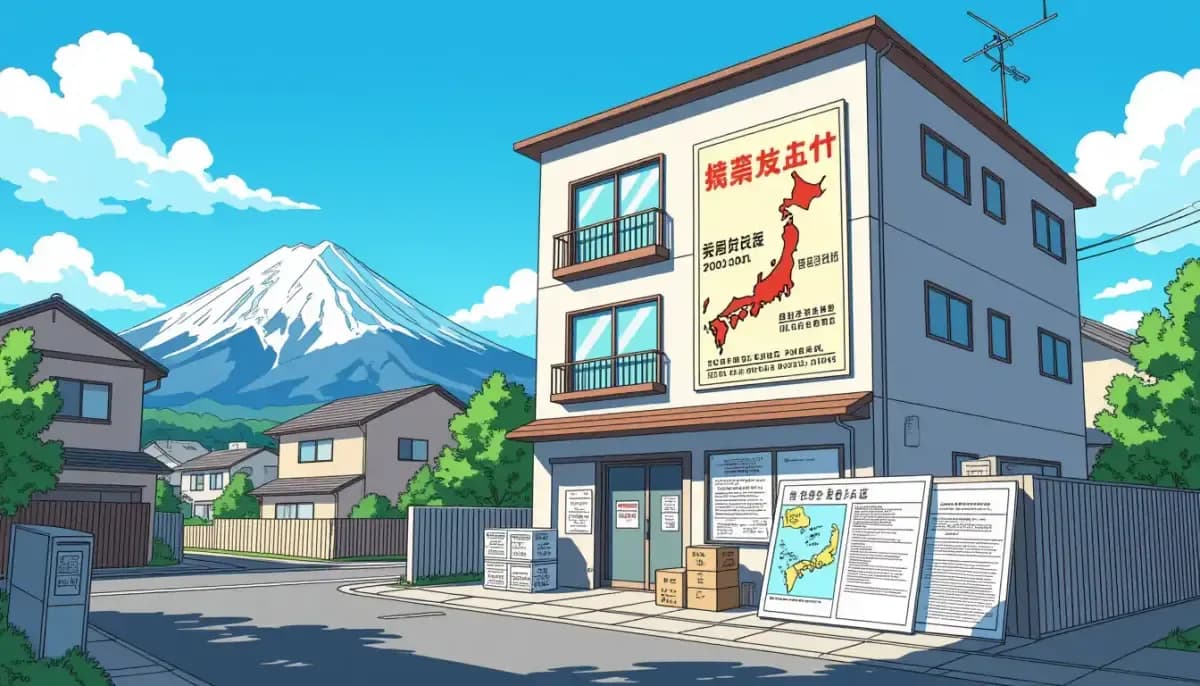
Complete insurance guide for rental property owners in Japan. Learn about fire insurance, earthquake coverage, landlord liability, and how to protect your investment as a foreign landlord.
Insurance Guide for Rental Property Owners in Japan
Owning rental property in Japan can be a rewarding investment, but it comes with unique risks that require proper insurance coverage. Japan's geography makes it one of the most disaster-prone countries in the world — earthquakes, typhoons, floods, and fires are all genuine concerns for landlords. Whether you're a foreign investor with a single apartment or a long-term expat renting out your home while abroad, understanding the Japanese insurance landscape is essential to protecting your asset and your tenants.
This guide walks you through every type of insurance a rental property owner in Japan needs, how premiums are calculated, what landlords are legally required to do, and how to navigate the system as a foreigner.
!Insurance documents and Japanese property overview
Why Rental Property Insurance in Japan Is Different from Owner-Occupied Coverage
Many property owners make the mistake of assuming their existing homeowner's insurance policy covers their property once they start renting it out. In Japan, this is not the case.
When you convert a property from owner-occupied to rental use, you are legally required to switch from a standard residential fire insurance policy to an owner-oriented policy (オーナー向け保険). This is not a minor technicality — failing to update your policy can result in denied claims if a tenant causes damage or an accident occurs on the property.
Rental property insurance in Japan typically costs 15-25% more than equivalent owner-occupied coverage. This premium increase reflects the higher risk exposure: tenants may cause accidental damage, the property faces increased liability exposure from visitors, and claim frequencies are statistically higher in rental units than owner-occupied homes.
Key differences between owner-occupied and rental property insurance in Japan:
| Feature | Owner-Occupied Policy | Rental Property Policy |
|---|---|---|
| Coverage scope | Personal damage to home | Building + landlord liability |
| Tenant damage | Usually excluded | Often included |
| Loss of rent | Not applicable | Optional add-on |
| Premium level | Standard | 15-25% higher |
| Legal requirement | Standard fire insurance | Owner-type (オーナー向け) policy |
| Visitor liability | Limited | Broader coverage |
For more on the legal framework of owning property in Japan as a foreigner, see our guide on Legal Procedures and Documentation for Japan Property Purchase.
Fire Insurance: The Foundation of Every Japanese Property Policy
In Japan, fire insurance (火災保険, kasai hoken) is the cornerstone of all property coverage. It is mandatory for mortgage holders and required by most landlords in lease contracts. As a rental property owner, maintaining fire insurance is not optional — it is both a legal obligation if you have a mortgage and a practical necessity.
Despite its name, Japanese fire insurance covers far more than just fires. A standard fire insurance policy for rental property owners typically includes:
- Fire, explosion, and smoke damage
- Wind and storm damage (typhoon coverage is standard)
- Water damage from flooding, heavy rain, and burst pipes
- Snow damage (especially relevant for properties in Hokkaido, Tohoku, or the Japan Alps)
- Lightning strikes
- Theft and vandalism
- Accidental damage to the building structure
However, there is one critical exclusion that catches many foreign property owners off guard: fire insurance does not cover earthquake damage. Even if your property burns down as a result of fires caused by an earthquake — a tragically common scenario in Japan's seismic history — the claim will be denied under a standard fire policy.
Annual Costs for Fire Insurance
Fire insurance premiums for rental properties vary based on building type, location, and coverage scope:
| Property Type | Annual Fire Insurance Range |
|---|---|
| Condominium (Mansion) | ¥10,000 – ¥40,000/year |
| Detached House (Ikkodate) | ¥20,000 – ¥80,000/year |
| Wooden Structure (Mokuzo) | Higher end of range |
| Reinforced Concrete (RC) | Lower end of range |
Wooden structures cost significantly more to insure because they pose a greater fire risk. If you are deciding between property types as a rental investment, this is a meaningful cost factor to consider. Our Types of Properties Available in Japan: A Complete Guide covers the differences in detail.
For helpful context on living costs and insurance from an expat perspective, Living in Nihon offers resources for foreigners navigating life in Japan.
Earthquake Insurance: Essential Coverage in a Seismically Active Country
Japan sits at the intersection of four tectonic plates, making it one of the most earthquake-prone regions on Earth. The 1995 Kobe earthquake killed over 6,000 people; the 2011 Tōhoku earthquake and tsunami caused catastrophic destruction. For rental property owners, earthquake insurance is not a luxury — it is a necessity.
Critical rule: In Japan, earthquake insurance cannot be purchased as a standalone product. It must be added as a rider (特約) to an existing fire insurance policy.
As of fiscal 2020, the General Insurance Rating Organization of Japan reported that only 33.9% of fire insurance contracts included earthquake insurance. For rental property owners, this gap represents serious financial exposure.
What Earthquake Insurance Covers
Earthquake insurance in Japan covers damage caused by:
- Earthquakes and aftershocks
- Volcanic eruptions
- Tsunamis triggered by earthquakes
- Fires spreading from earthquake damage (this is the critical addition)
- Structural collapse from seismic events
- Soil liquefaction damage
Coverage Limits
Japanese law sets strict limits on earthquake insurance:
- The insured amount must be 30-50% of the fire insurance sum
- Maximum coverage is capped at ¥50 million for buildings and ¥10 million for contents
Earthquake Insurance Costs by Prefecture
Premiums vary dramatically by region due to seismic risk assessments:
| Region | Annual Premium (Non-Wooden Building) |
|---|---|
| Hokkaido, Tohoku | ¥6,500 – ¥12,000 |
| Kansai (Osaka, Kyoto) | ¥15,000 – ¥22,000 |
| Tokyo | ~¥27,500 |
| Kanagawa, Chiba | ~¥27,500 |
| Shizuoka | ~¥27,500 |
Tokyo and the surrounding prefectures carry the highest premiums due to proximity to active fault lines and the anticipated "Nankai Trough" megaquake risk. For property owners in these high-risk zones, budgeting ¥27,500-¥35,000/year for earthquake insurance is realistic.
For more on disaster preparedness as a property owner, see our guide on Natural Disaster Preparedness for Homeowners in Japan.
!Earthquake insurance diagram for Japan property owners
Landlord Liability Insurance: Protecting Against Tenant and Third-Party Claims
Beyond fire and earthquake coverage, rental property owners need landlord liability insurance (家主賠償責任保険). This coverage protects you when someone is injured or their property is damaged due to conditions in or around your rental property.
Common scenarios covered by landlord liability insurance include:
- A tenant is injured due to a structural defect (faulty stairs, broken balcony railing)
- Water leak from your unit damages a neighbor's property below
- A visitor to the property is injured in common areas
- Delivery personnel are hurt at the property entrance
- Common area lighting failure causes an accident
Landlord liability insurance typically costs ¥5,000-¥15,000 annually and is often bundled into comprehensive rental property insurance packages. Given the potential for multi-million yen lawsuits in Japan, this is one of the most cost-effective insurance additions available.
Many property management companies include basic liability coverage as part of their services, though the terms vary widely. Our guide on Property Management for Overseas Owners in Japan explains what services to expect.
Loss-of-Rent Insurance: Income Protection When Your Property Is Uninhabitable
If your rental property suffers serious damage and becomes uninhabitable, you still face mortgage payments, property taxes, and maintenance costs — but your rental income stops. Loss-of-rent insurance (家賃補償保険) fills this gap.
Standard loss-of-rent policies in Japan typically:
- Pay 12-24 months of rental income when covered damage forces tenant evacuation
- Cost approximately 10-15% of annual rental income in premiums
- Activate when covered perils (fire, earthquake, flood) render the unit uninhabitable
- May include coverage for tenant default and unpaid rent (varies by policy)
For foreign investors or overseas landlords, this coverage is particularly important. An uninhabitable property across the world is doubly stressful, and having guaranteed income during repairs provides significant peace of mind.
Consider how loss-of-rent insurance fits into your overall investment strategy. Our Rental Property Investment in Japan for Foreign Landlords guide covers the financial planning side in depth.
How to Get Insurance as a Foreign Property Owner in Japan
Foreign nationals can purchase property insurance in Japan, but there are some requirements and practical hurdles to navigate:
Eligibility requirements:
- Valid Japanese residence card (在留カード) or special permanent resident certificate
- Japanese address registered at your local municipal office
- Japanese bank account (for premium payments and claim disbursements)
- Valid visa status (tourist visa holders cannot typically enroll in long-term policies)
For non-resident foreign owners:
- You will need a designated tax representative (納税管理人) in Japan
- Your property management company can often assist with insurance coordination
- Some international insurers (Chubb, AIG) offer English-language policies with Japan coverage
Recommended approach:
- Contact your property management company first — many have preferred insurance partners
- Request quotes from at least 3 insurers, comparing fire + earthquake + liability bundles
- Confirm that your policy type is listed as "rental property owner" (貸主向け), not residential (住宅用)
- Renew policies on time — gaps in coverage leave you fully exposed
For work-related visa questions and living arrangements in Japan, For Work in Japan provides useful resources for expats and professionals based in Japan.
Key Mistakes Rental Property Owners Make with Insurance in Japan
Understanding common pitfalls can save you from costly claims denials:
1. Not updating policy from residential to rental type This is the most common and costly mistake. The moment you rent out your property, your existing homeowner policy needs to be updated.
2. Skipping earthquake insurance Only 33.9% of fire insurance holders add earthquake coverage — and yet Japan faces regular major seismic events. For rental properties, this gap is especially risky.
3. Underinsuring the building Some owners choose lower coverage limits to save on premiums. If damage occurs, partial insurance means partial reimbursement. Always insure for the full replacement cost of the building.
4. Ignoring liability coverage A single slip-and-fall lawsuit in Japan can exceed ¥10 million. Landlord liability insurance costs a fraction of this risk.
5. Not reviewing policies annually Renovation work, changes in property use (e.g., switching from long-term to short-term rental), or building improvements all require policy updates.
For short-term rental operators, insurance requirements differ significantly. See our Short-Term Rentals and Airbnb (Minpaku) in Japan for Foreigners guide.
Gaijin Buy House has also covered the decision-making process for whether to sell or rent your property when leaving Japan, which has important insurance implications: Sell vs Rent Property When Leaving Japan.
Summary: Insurance Checklist for Rental Property Owners in Japan
Before renting out any property in Japan, make sure you have the following in place:
| Insurance Type | Required? | Typical Annual Cost |
|---|---|---|
| Fire Insurance (Rental Type) | Yes (mandatory) | ¥10,000 – ¥80,000 |
| Earthquake Insurance Rider | Strongly recommended | ¥6,500 – ¥32,600 |
| Landlord Liability Insurance | Recommended | ¥5,000 – ¥15,000 |
| Loss-of-Rent Coverage | Optional but valuable | 10-15% of annual rent |
| Contents Insurance | Optional | Varies |
For additional context on property costs in Japan, our Property Taxes and Annual Costs of Owning Property guide is an essential companion read.
For more guidance on the overall home buying and property ownership process, explore resources like PLAZA HOMES Home Insurance Guide and Bamboo Routes Japan Insurance Guide for detailed English-language coverage comparisons.
Rental property ownership in Japan can be highly profitable, but it requires proper risk management. The insurance landscape is well-developed, coverage is relatively affordable compared to Western markets, and English-speaking insurers are increasingly available. The key is to act proactively — review your policy type, add earthquake coverage, and ensure you have landlord-specific liability protection before your first tenant moves in.

Originally from Vietnam, living in Japan for 16+ years. Graduated from Nagoya University, with 11 years of professional experience at Japanese and international companies. Sharing information about buying property in Japan for foreigners.
View Profile →Related Articles

Japan Rental Market Trends and Forecast for Investors
Comprehensive analysis of Japan rental market trends for foreign investors: occupancy rates, rental yields by city, 2025-2026 forecasts, and investment strategies for foreign landlords.
Read more →
Share House Investment in Japan: Opportunity and Guide
Learn how to invest in Japanese share houses as a foreigner. Covers yields (4–6% net), legal framework, buying process, management, and key risks — with 2025 market data.
Read more →
Corporate Rental Demand in Japan: A Strategy for Investors
Discover how corporate rental demand in Japan creates stable, high-yield investment opportunities. Learn where demand concentrates, realistic yields, and how to attract corporate tenants.
Read more →
Rental Property Maintenance Obligations for Japan Landlords
A complete guide to landlord maintenance obligations in Japan, covering the Civil Code, Genjyo Kaifuku rules, tenant vs landlord responsibilities, and practical tips for foreign property owners.
Read more →
Japan Rental Property Vacancy Rate Analysis by Area
Comprehensive analysis of Japan's rental property vacancy rates by region. Compare Tokyo's 3% vacancy vs rural Japan's 21%. Essential data for foreign renters and investors in 2025.
Read more →
Japan Rent Guarantee Company System Explained
Understand Japan's rent guarantee company (hoshogaisha) system — how it works, fees, top companies for foreign tenants, and what every foreign landlord needs to know to protect rental income.
Read more →