
Renovation Costs for Used Properties in Japan

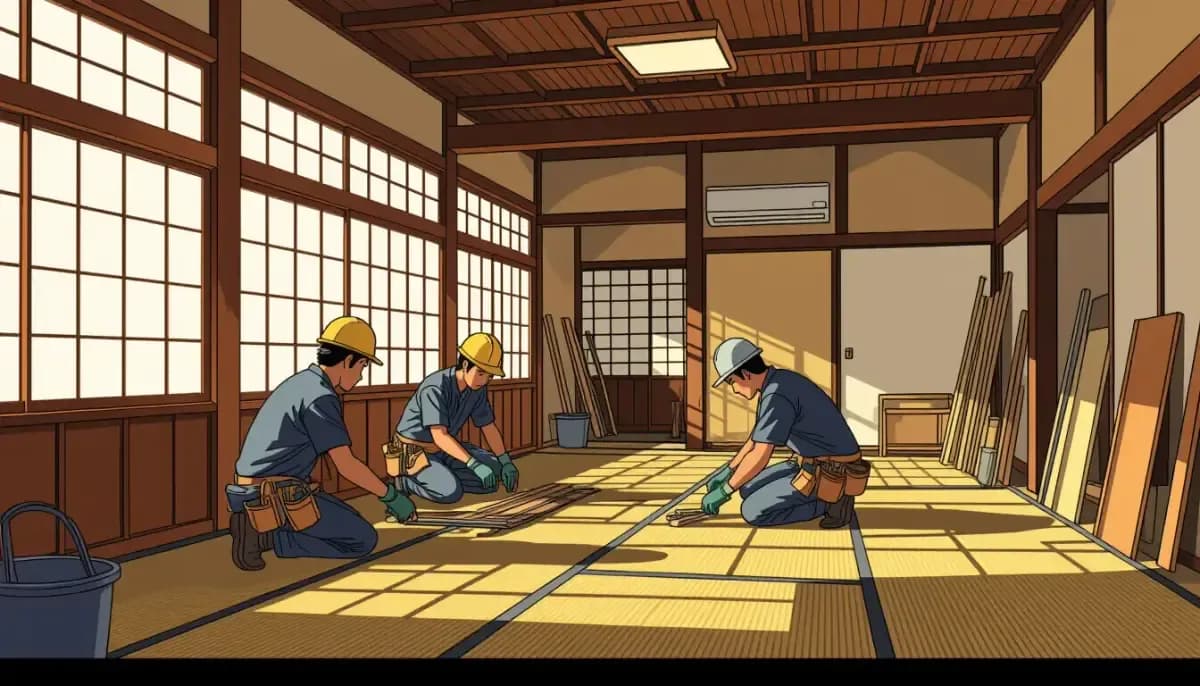
Complete guide to renovation costs for used properties in Japan. Room-by-room cost breakdowns, real-world examples, government subsidies, and budgeting tips for foreign buyers.
Renovation Costs for Used Properties in Japan: A Complete Guide for Foreign Buyers
Buying a used property in Japan can be an excellent investment — prices are often significantly lower than new builds, and the supply of available homes is vast. But before you sign on the dotted line, it's essential to understand what renovation work might be needed and, crucially, how much it will cost. This guide breaks down everything you need to know about renovation costs for used properties in Japan, from minor cosmetic updates to full gut renovations.
Whether you're eyeing a city apartment in Tokyo, a rural akiya (vacant house), or a traditional kominka farmhouse, this guide will help you budget realistically and avoid costly surprises.
Why Renovation Costs Matter When Buying Used Property in Japan
Japan's used property market offers remarkable value — but that value often comes with a catch. Many older homes have not been maintained to modern standards, and some have been left vacant for years. According to government data, Japan had approximately 8.2 million vacant homes in 2013 (representing 13.5% of all housing), and forecasts suggest this number could reach 30% of all housing stock by 2033.
The appeal is clear: a ¥5 million akiya in the countryside might seem like a bargain compared to a ¥50 million new build. But once you factor in renovation costs — which can range from ¥2 million to ¥20 million or more — the calculation becomes more nuanced.
Understanding renovation costs upfront lets you:
- Accurately compare the true cost of used vs. new properties
- Negotiate the purchase price based on required renovation work
- Secure appropriate financing or budget for out-of-pocket renovation expenses
- Avoid buying a property where renovation costs exceed its value
For a broader look at the used property market, see our guide on Japan New Build vs Used Property: Complete Comparison Guide. If you're specifically considering akiya, our article on Buying an Akiya in Japan: Risks and Benefits for Foreigners is essential reading.
Renovation Cost Overview: What to Expect in Japan
Japan's renovation market is mature and professional. The Japan home renovation market was worth approximately ¥7.1 trillion in 2024 and is advancing at a CAGR of 3.78% through 2030. There is no shortage of renovation contractors, but quality varies widely — and costs can surprise first-time buyers.
Renovation Budget Tiers
Here is a practical overview of renovation cost ranges in Japan:
| Renovation Scope | Estimated Cost | Typical Project |
|---|---|---|
| Minimal fix-up (cosmetic only) | ¥2–5 million | Repainting, flooring, fixture replacement |
| Mid-range renovation | ¥6–12 million | Kitchen, bathroom, partial structural work |
| Full skeleton renovation | ¥13–20+ million | Complete gut, new plumbing, electrical, insulation |
| Seismic upgrade + full renovation | ¥20–30+ million | Old pre-1981 homes needing full compliance |
Average for a 2LDK–3LDK home: ¥6–10 million
One important rule of thumb: budget 130–150% of your initial estimate. Cost overruns of 20–30% are common due to hidden structural issues discovered during work, regulatory requirements, or material price increases.
For detailed help with akiya-specific costs, see our Akiya Renovation Cost Estimates and Budgeting Guide.
Room-by-Room Renovation Cost Breakdown
Understanding per-room costs is the best way to build an accurate renovation budget. Here's a detailed breakdown based on current Japanese market rates:
Kitchen
The kitchen is often one of the most expensive rooms to renovate because of the plumbing, gas, and ventilation work involved. A full Japanese system kitchen (シスムキッチン) replacement typically costs:
- Standard system kitchen replacement: ¥500,000 – ¥1,000,000
- High-end kitchen with custom cabinetry: ¥1,500,000 – ¥3,000,000
- Layout change (moving plumbing or walls): Add ¥500,000 – ¥1,500,000
If you want to convert a traditional Japanese kitchen to a Western open-plan kitchen, you should budget significantly more. See our guide on Kitchen Renovation in Japan: Western-Style Upgrade Guide.
Bathroom and Toilet
Japan's unit bath (ユニットバス) system makes bathroom replacement relatively straightforward compared to custom-tiled bathrooms.
- Unit bath (shower/bath combo) replacement: ¥500,000 – ¥1,500,000
- Separate shower room installation: ¥800,000 – ¥2,000,000
- Western-style toilet (washlet) installation: ¥150,000 – ¥600,000
- Full bathroom suite replacement: ¥1,000,000 – ¥3,000,000
For a full guide on bathroom upgrades, see Bathroom Renovation in Japan: Modernization Guide.
Flooring and Interior
- Wallpaper replacement: ¥800 – ¥1,500 per m²
- Hardwood or engineered flooring: ¥8,000 – ¥20,000 per m²
- Tatami replacement: ¥30,000 – ¥60,000 per tatami mat
- Living room full renovation (flooring + walls + lighting): ¥150,000 – ¥1,500,000
Roofing and Exterior
Roof and exterior work is often overlooked but critical for older Japanese homes:
- Roof repair (partial): ¥300,000 – ¥1,000,000
- Full roof replacement: ¥600,000 – ¥3,000,000
- Exterior wall painting/waterproofing: ¥500,000 – ¥1,800,000
- Window replacement (double-glazing upgrade): ¥50,000 – ¥200,000 per window
Structural and Seismic Work
This is where costs can escalate dramatically, especially for older properties:
- Seismic reinforcement (耐震補強): ¥250,000 – ¥2,000,000 (typically ¥1.2–1.5 million for standard work)
- Foundation repair: ¥500,000 – ¥5,000,000 depending on severity
- Termite damage repair: ¥300,000 – ¥3,000,000 (highly variable)
- Insulation upgrade: ¥4,000 – ¥40,000 per m²
Homes built before June 1981 are particularly important to assess — this is when Japan's new earthquake resistance standard (新耐震基準, shin-taishin kijun) came into effect. Pre-1981 homes may require significant seismic retrofitting to comply with modern standards.
See our guide on Japan Used Property Age and Building Standard History to understand how building codes affect renovation requirements.
Real-World Renovation Examples
Here are three real examples of renovation projects in Japan to give you a concrete sense of what to expect:
| Property | Age | Scope | Cost | Duration |
|---|---|---|---|---|
| Suburban house, Saitama | 17 years | Exterior repaint + interior refresh | ¥3.5 million | 30 days |
| Semi-detached house, Osaka | 30 years | Full skeleton renovation | ¥6.9 million | 60 days |
| Abandoned house, rural Chiba | 52 years | Complete gut renovation + seismic upgrade | ¥14.2 million | 120 days |
These examples highlight how property age dramatically affects costs. A 17-year-old house in decent condition might only need surface-level work, while a 52-year-old abandoned property requires a complete overhaul.
For investors who see the upside: professional renovators have documented transforming ¥1 million fixer-uppers into homes appraised at ¥10–15 million after full renovation, demonstrating significant value-creation potential.
Key Factors That Affect Renovation Costs
Not all renovations cost the same. Here are the primary variables that will determine your final bill:
1. Property Condition
The single biggest cost driver. A property that has been maintained regularly will cost far less to renovate than one that has been vacant for a decade. Always arrange a professional property inspection before purchase to assess the true condition.
2. Location
Urban areas like Tokyo and Osaka have higher labor costs. Remote island properties or mountain locations can also be expensive due to logistics. Rural inland areas tend to have the most competitive contractor rates.
3. Building Age and Type
Kominka farmhouses and machiya townhouses require specialized craftspeople familiar with traditional construction techniques, significantly raising costs. Modern homes (post-2000) generally require less work. See our Kominka Renovation and Restoration Cost Guide for more details.
4. Scope of Layout Changes
Moving walls, plumbing, or electrical panels significantly increases costs. If you want to open up a traditional Japanese floor plan to a Western-style open living area, budget extra.
5. DIY vs. Professional
Some cosmetic work (painting, minor repairs) can be DIY to save money. However, licensed contractors are required for electrical, plumbing, gas, and structural work in Japan. Attempting unlicensed work can void insurance and create legal complications.
Government Subsidies and Grants for Renovation
One of the most underutilized resources for foreign buyers in Japan is government renovation subsidies. Many Japanese municipalities and the national government offer financial support for:
- Seismic reinforcement (耐震補強): Often covers 10–80% of eligible costs
- Energy efficiency upgrades (省エネリフォーム): Subsidies for insulation, double-glazing, and solar installation
- Akiya revitalization: Some municipalities offer direct grants or low-interest loans for renovating vacant homes
- Cultural property preservation: For kominka and machiya, additional support may be available
The subsidy landscape varies significantly by municipality — some localities, especially those in depopulating rural areas, are extremely generous. For a full overview of available programs, see our guide on Japan Akiya Subsidy and Grant Programs for Buyers.
Additionally, the 住宅ローン減税 (housing loan tax deduction) allows homeowners to deduct a percentage of their loan balance from annual income taxes for up to 10 years, which can substantially reduce the true cost of a renovation project.
For more information on costs and what to budget for when renovating in Japan, Living in Nihon's property and mortgage guide provides useful context on the overall costs of property ownership.
How to Find a Renovation Contractor in Japan
Finding a reliable contractor is critical — and for foreign buyers, the language barrier adds an extra layer of complexity.
Key tips:
- Use your real estate agent's network: A good agent will have connections to trusted contractors. See How to Find a Real Estate Agent in Japan as a Foreigner.
- Get at minimum 3 quotes: Renovation costs in Japan vary enormously between contractors.
- Ask for detailed itemized quotes: A reputable contractor will break down costs line by line.
- Check for relevant licenses: Electrical, plumbing, and structural work requires specific certifications.
- Consider renovation management companies: These act as project managers and can be invaluable for foreign buyers who don't speak Japanese.
For a comprehensive guide, see How to Find and Choose a Renovation Contractor in Japan.
The team at For Work in Japan's housing guide also covers practical aspects of navigating Japanese residential infrastructure as a foreigner.
Renovation Permits and Building Codes
Not all renovation work in Japan requires permits, but larger projects do. Understanding what requires official approval can save you from costly mistakes.
Work that generally requires permits (建築確認申請):
- Structural changes (moving or removing load-bearing walls)
- Extensions or additions to the building
- Changes that affect the building's compliance with zoning regulations
- Rebuilding more than half the structure
Work that typically does NOT require permits:
- Interior cosmetic work (painting, wallpaper, flooring)
- Like-for-like fixture replacement (same-size kitchen, same-size bath unit)
- Minor repairs
For complete details, see our guide on Renovation Permit and Building Code Requirements in Japan.
An in-depth guide to renovation planning and costs is also available at Gaijin Buy House's used property and renovation guide, which covers the full process from purchase to move-in.
Estimating Your Total Budget: A Framework
Here is a practical framework for estimating your total renovation budget:
- Start with a property inspection: Commission a building survey to identify required work and get a priority list.
- Get contractor quotes: Obtain at least 3 detailed quotes.
- Add a 30% contingency buffer: Hidden issues almost always emerge during older home renovations.
- Research available subsidies: These can reduce your out-of-pocket costs by 10–80% on eligible work.
- Factor in temporary housing costs: If renovation takes 3–6 months, you'll need accommodation during the work.
- Calculate the true cost: Purchase price + renovation cost + buying costs (taxes, fees) vs. equivalent new build or renovated property.
For additional resources on how to assess a property's renovation needs before making an offer, see How to Assess Renovation Potential of Used Properties in Japan.
More general renovation cost data can be found at Old Houses Japan's akiya renovation cost guide and MailMate's Japan renovation cost guide.
Summary: Key Takeaways on Japan Renovation Costs
- Renovation costs range from ¥2 million to ¥20+ million depending on scope and property age
- A 2LDK–3LDK home averages ¥6–10 million for a complete renovation
- Always budget 130–150% of your initial estimate to cover hidden costs
- Pre-1981 homes require seismic assessment and likely retrofitting
- Government subsidies can cover 10–80% of eligible renovation expenses
- Location, building age, and scope of layout changes are the biggest cost variables
- Get a professional inspection before buying to accurately assess renovation needs
Buying used property in Japan and renovating it to modern standards remains one of the best-value property strategies available to foreign buyers — but only if you go in with accurate cost expectations. Use the figures in this guide as a starting framework, get professional inspections and quotes, and take advantage of available government subsidies to maximize your investment.

Originally from Vietnam, living in Japan for 16+ years. Graduated from Nagoya University, with 11 years of professional experience at Japanese and international companies. Sharing information about buying property in Japan for foreigners.
View Profile →Related Articles

Currency Exchange Costs for Foreign Buyers Purchasing Japan Property
A complete guide to currency exchange costs when buying property in Japan as a foreigner. Learn about bank markups, wire transfer fees, AML requirements, and how to save thousands using specialist FX services.
Read more →
Repair Reserve Fund (Shuuzen Tsumitate Kin) in Japan Condos
Everything foreigners need to know about Japan's condo repair reserve fund (shuuzen tsumitatekin): monthly costs, red flags, due diligence checklist, and what happens if you don't pay.
Read more →
Condo Management and Maintenance Fees in Japan
Understand Japan condo management fees and repair reserve fund fees. Learn average costs, what they cover, payment methods for foreigners, and how to evaluate fees before buying.
Read more →
Fire and Earthquake Insurance Costs in Japan
Complete guide to fire insurance (kasai hoken) and earthquake insurance (jishin hoken) costs in Japan for foreign property owners. Premiums, coverage, providers, and tips for expats.
Read more →
Furniture and Appliance Costs for Your New Home in Japan
Complete guide to furniture and appliance costs when setting up a new home in Japan. Realistic budgets, where to buy, rental options, and tips for foreigners.
Read more →
Moving Costs When Relocating to a New Home in Japan
Complete guide to moving costs in Japan for foreigners: domestic moving company fees, furniture costs, utility setup, neighbor gifts, international relocation expenses, and money-saving tips.
Read more →