
Moving Costs When Relocating to a New Home in Japan

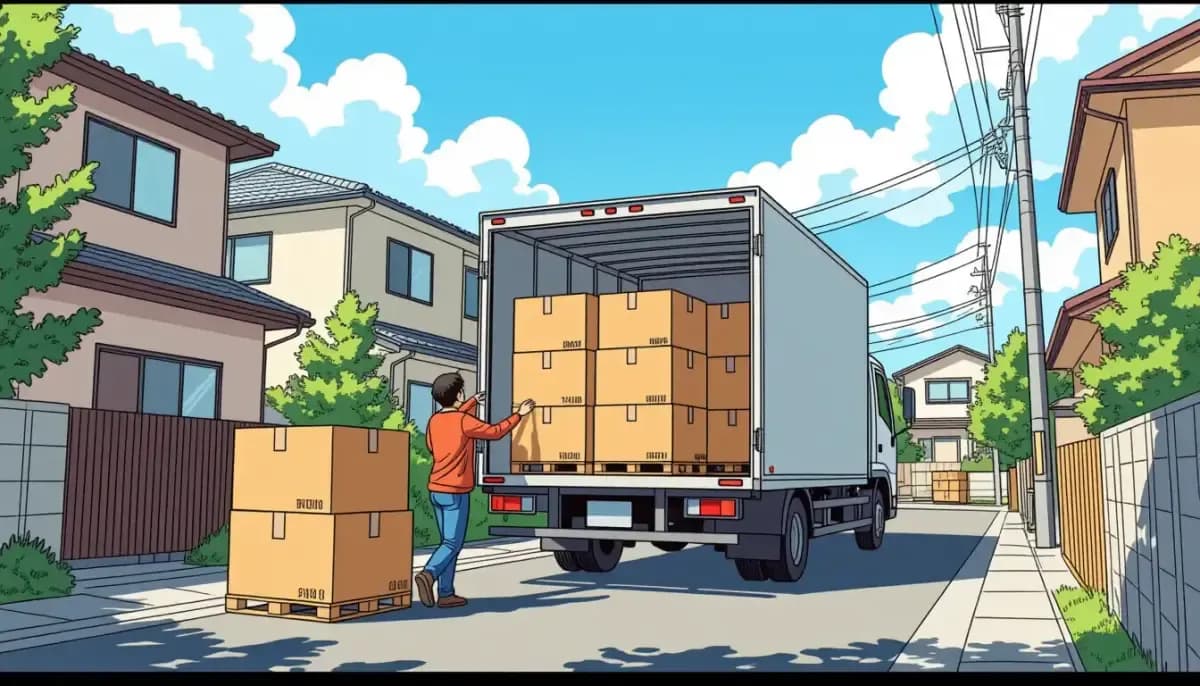
Complete guide to moving costs in Japan for foreigners: domestic moving company fees, furniture costs, utility setup, neighbor gifts, international relocation expenses, and money-saving tips.
Moving Costs When Relocating to a New Home in Japan: Complete Guide for Foreigners
Moving to a new home in Japan involves more than just packing boxes. Whether you're making a domestic move within Japan or relocating from overseas to your newly purchased property, understanding the full scope of moving costs is essential for budgeting effectively. This guide covers every expense you'll face when moving into your new Japanese home — from hiring a moving company to setting up utilities and greeting your new neighbors.
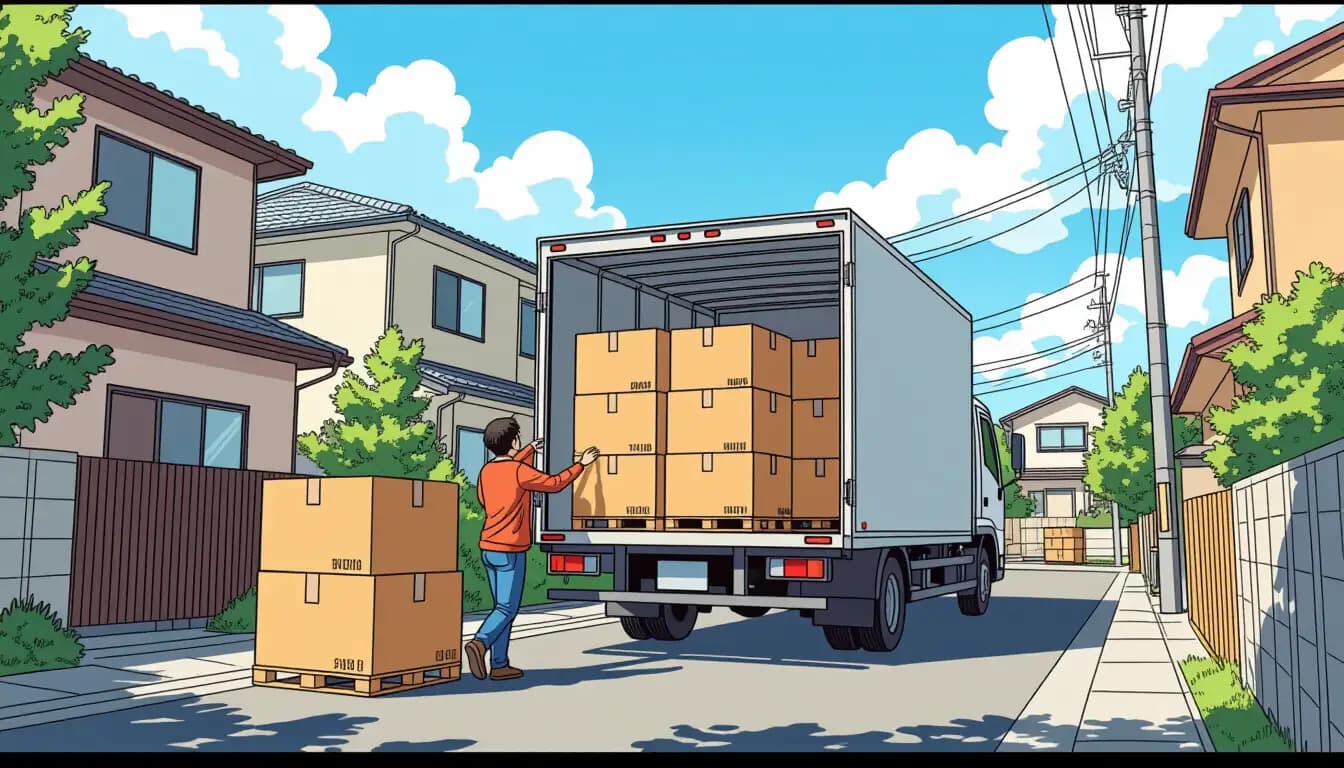
Overview: What Does It Cost to Move to a New Home in Japan?
The total cost of moving to a new home in Japan varies widely based on the distance of the move, the time of year, and the amount of belongings you have. Below is a summary of typical total moving costs across different scenarios:
| Move Type | Off-Season (May–Jan) | Peak Season (Feb–Apr) |
|---|---|---|
| Single person, local move | ¥25,000–¥50,000 | ¥50,000–¥100,000 |
| Couple, local move | ¥50,000–¥90,000 | ¥90,000–¥160,000 |
| Family (3–4), local move | ¥70,000–¥120,000 | ¥130,000–¥200,000 |
| Single person, long-distance | ¥50,000–¥100,000 | ¥100,000–¥180,000 |
| Family, long-distance (500+ km) | ¥150,000–¥300,000 | ¥250,000–¥450,000 |
These figures cover moving company fees only. You must also budget for furniture, appliances, neighbor gifts, utility connection fees, and other setup costs explained in this guide.
Domestic Moving Company Fees in Japan (引越し費用)
Hiring a professional moving company (引越し業者, hikkoshi gyōsha) is the most significant expense when moving within Japan. Major companies like Sakai Moving Service (with its iconic panda logo), Art Moving Center, Yamato Transport, and Nippon Express dominate the market.
How Pricing Works
Moving companies in Japan calculate fees based on:
- Volume and weight of belongings — the more items, the higher the cost
- Moving distance — local vs. intercity vs. long-distance (長距離)
- Time of year — peak season (February to April) sees prices 1.5 to 2 times higher
- Day of week and time slot — weekday afternoon slots are cheapest; weekend morning slots cost the most
- Packing service — opting for full packing service (full pack, フルパック) adds ¥20,000–¥50,000 but saves considerable time and effort
English-Friendly Moving Companies
As a foreigner, navigating Japan's moving industry in Japanese can be challenging. Several companies offer English-speaking staff or English documentation:
- Yamato Home Convenience — English-speaking staff available in major cities
- Tokyo Helping Hands — specializes in expat moves with multilingual support
- Fukuoka Soko Group — good for moves in the Kyushu region
- Nippon Express — international and domestic service with English support
Expect to pay a small premium (roughly ¥5,000–¥15,000 more) for English-language service compared to Japanese-only companies.
How to Save on Moving Company Fees
- Get at least 3 quotes — Using comparison services like Hikkoshi Samurai or Suumo's moving estimate tool, getting multiple quotes can reduce costs by 20–40%.
- Move in the off-season — June, September, October, November, and January are the cheapest months. March and April (when leases typically change) are by far the most expensive.
- Choose weekday afternoons — Moving on a Tuesday or Wednesday afternoon costs significantly less than a Saturday morning.
- Reduce your load — Sell or donate items before the move. Fewer boxes = lower fees.
- Do your own packing — Packing your own boxes instead of opting for full-pack service can save ¥20,000–¥50,000.
For more tips on navigating Japan's property purchasing process, see our Step-by-Step Home Buying Process in Japan for Foreigners.

Furniture and Appliance Costs for Your New Home
If you're moving into a new home in Japan — especially from overseas — you'll likely need to purchase furniture and major appliances. Japanese apartments are typically unfurnished, meaning you'll need to budget for essential items from the start.
Essential Item Cost Estimates
| Item | New (Nitori/IKEA) | Second-hand (2nd Street/Hard Off) |
|---|---|---|
| Refrigerator | ¥30,000–¥80,000 | ¥10,000–¥30,000 |
| Washing machine | ¥30,000–¥60,000 | ¥8,000–¥20,000 |
| Bed/futon set | ¥20,000–¥60,000 | ¥5,000–¥15,000 |
| Sofa | ¥20,000–¥80,000 | ¥5,000–¥20,000 |
| Dining table + chairs | ¥15,000–¥50,000 | ¥5,000–¥15,000 |
| Air conditioner | ¥50,000–¥120,000 + installation ¥15,000–¥25,000 | ¥20,000–¥60,000 |
| Microwave/oven | ¥8,000–¥30,000 | ¥3,000–¥10,000 |
| Vacuum cleaner | ¥5,000–¥30,000 | ¥2,000–¥8,000 |
Minimum setup budget: ¥70,000–¥150,000 for basic essentials if buying new from affordable retailers like Nitori, IKEA, or Donki (Don Quijote).
Second-hand stores like 2nd Street, Hard Off, and Treasure Factory can cut these costs significantly. Many foreigners leaving Japan also sell their appliances cheaply on Facebook Marketplace Japan or Jimoty.
Learn more about furniture and appliance costs in our dedicated guide: Furniture and Appliance Costs for Your New Home in Japan.
Utility Connection and Setup Fees
Setting up utilities in your new home is mostly straightforward in Japan, but it does require scheduling and some fees.
Electricity (電気)
- Connection fee: Free in most cases
- Action required: Register online or by phone with the local power company (TEPCO in Tokyo, Kansai Electric in Osaka, etc.)
- Deposit: Usually none required
Gas (ガス)
- Connection fee: Free, but you must be present for a gas technician to visit and turn on the supply
- Action required: Schedule an appointment with the gas company (typically 2–5 business days wait in busy seasons)
- Note: If you have a gas stove or water heater, this is critical — schedule early
Water (水道)
- Connection fee: Free
- Action required: Notify the local municipal water department of your move-in date
Internet
- Installation fee: ¥0–¥20,000 depending on provider and building type
- Fiber-optic installation in detached houses (ikkodate) may require router installation and can take 2–4 weeks to schedule
- Monthly cost: ¥3,000–¥6,000 for standard fiber plans
For context on the total costs of owning property in Japan, see our guide on Property Taxes and Annual Costs of Owning Property in Japan.
Neighbor Greeting Costs (引越し挨拶)
One of Japan's most important social customs when moving into a new home is the hikkoshi aisatsu (引越し挨拶) — greeting your new neighbors with a small gift. This custom is practiced widely across Japan and is especially important for maintaining good neighborly relations in Japanese communities.
What to Expect
- Who to greet: The households immediately adjacent to yours and above/below (in apartments). In detached houses, typically 3–5 neighboring homes.
- Gift cost: ¥500–¥1,500 per household, usually a consumable gift such as laundry detergent, coffee, tea, or snacks in a neat gift box (noshi)
- Total cost: ¥2,000–¥7,500 for 3–5 households
- Timing: Within the first 2–3 days of moving in, ideally in the morning or early afternoon
- Presentation: Gifts are presented in a small bag or wrapped box, sometimes with your business card or a handwritten note
While this cost is small, skipping it can set a poor precedent with neighbors — something important to avoid in Japan's relationship-oriented society.
Administrative Costs and Legal Requirements
Moving in Japan requires completing several administrative tasks, most of which are free but require time:
| Task | Cost | Deadline |
|---|---|---|
| Resident registration change (転出/転入届) | Free | Within 14 days of moving |
| Driver's license address update | Free | As soon as possible |
| Bank account address change | Free | Within a few weeks |
| Japan Post mail forwarding (転送サービス) | Free | Register before moving day |
| My Number card address update | Free | Within 14 days |
| Health insurance address change | Free | Within 14 days |
| Car registration address change (if applicable) | ¥1,000–¥3,000 | Within 15 days |
Japan Post offers a free mail forwarding service for up to one year — register at your local post office before you move out, and mail sent to your old address will be automatically forwarded.
As a foreigner, make sure your Residence Card (在留カード) address is also updated at the municipal office. Failure to update within 14 days is technically a legal violation.
For more on legal requirements related to property ownership, see Legal Procedures and Documentation for Japan Property Purchase.
International Relocation Costs: Moving to Japan from Abroad
If you're moving from overseas to your new Japanese property, the cost picture is substantially different and more complex.
International Moving Container Costs
| Origin Country | Small Shipment (shared container) | Full Container (20ft) | Full Container (40ft) |
|---|---|---|---|
| USA (West Coast) | $1,500–$3,500 | $5,000–$9,000 | $8,000–$14,000 |
| USA (East Coast) | $2,000–$5,000 | $7,000–$12,000 | $10,000–$18,000 |
| UK / Europe | $2,000–$5,000 | $6,000–$11,000 | $9,000–$15,000 |
| Australia | $1,500–$4,000 | $5,000–$10,000 | $8,000–$13,000 |
| Southeast Asia | $1,000–$2,500 | $3,000–$7,000 | $5,000–$10,000 |
Additional International Moving Costs
- Customs clearance: ¥30,000–¥80,000 if using a freight forwarder in Japan
- Import duties: Personal effects moved within one year of relocating are generally duty-free in Japan, but you must have used the items for at least one year
- Pet relocation: ¥100,000–¥400,000+ depending on origin country and quarantine requirements
- Vehicle import: Generally not cost-effective due to Japan's strict vehicle standards; budgeting ¥500,000–¥1,500,000 for modifications and registration is typical
For budgeting advice on your international relocation, Living in Nihon offers excellent guides for expats navigating life in Japan. If you're also managing the work visa side of your relocation, For Work in Japan has practical guidance on employment and visa requirements.
Currency Exchange Costs for International Buyers
If you're purchasing property in Japan with funds from abroad, currency conversion costs can be a significant hidden expense. Sending large sums through a bank can cost 1.5–3% in exchange rate margins and fees.
| Transfer Method | Typical Fee | Exchange Rate Margin |
|---|---|---|
| Japanese bank wire | ¥3,000–¥5,000 | 1.5–3% unfavorable |
| Wise (TransferWise) | 0.5–1% | Near mid-market rate |
| Revolut | Low/free (with limits) | Near mid-market rate |
| OFX / Currencies Direct | Low fixed fee | 0.5–1.5% |
For a ¥50,000,000 property purchase, the difference between a bank wire (2% margin) and Wise (0.5% margin) could be ¥750,000 — a substantial saving. Always compare exchange rates before transferring large sums.
See our full guide on Currency Exchange Costs for Foreign Buyers Purchasing Japan Property for more detail.
Total Moving Budget: What Should You Set Aside?
Here is a realistic total moving budget estimate depending on your situation:
| Scenario | Moving Company | Furniture/Appliances | Utilities/Admin | Misc | Total Estimate |
|---|---|---|---|---|---|
| Single person, local, furnished | ¥30,000–¥60,000 | ¥0–¥30,000 | ¥5,000–¥20,000 | ¥5,000–¥10,000 | ¥40,000–¥120,000 |
| Single person, local, unfurnished | ¥30,000–¥60,000 | ¥70,000–¥150,000 | ¥5,000–¥20,000 | ¥5,000–¥10,000 | ¥110,000–¥240,000 |
| Family, local, unfurnished | ¥80,000–¥150,000 | ¥150,000–¥400,000 | ¥10,000–¥30,000 | ¥10,000–¥20,000 | ¥250,000–¥600,000 |
| International move (with container) | $3,000–$15,000 | ¥0–¥400,000 | ¥50,000–¥100,000 | ¥50,000–¥200,000 | Variable |
Rule of thumb: Budget at least ¥300,000–¥500,000 for a domestic family move into an unfurnished home, and significantly more for international moves or peak-season timing.
Tips for Foreigners Moving in Japan
- Book your moving company early — At least 2–3 weeks in advance in normal times, 6–8 weeks during peak season (March–April).
- Use a comparison website — Sites like Hikkoshi Samurai, Suumo, and Moving Assistance (引越し侍) let you get multiple quotes at once.
- Negotiate — Japanese moving companies will often negotiate on price, especially off-season and for weekday moves.
- Ask about full-pack vs. self-pack — Get quotes for both options to see if the convenience is worth the premium.
- Check what's included — Some quotes include boxes and packing materials; others do not.
- Hire an English-speaking coordinator — If your Japanese is limited, consider paying a relocation service to manage the process.
For a comprehensive overview of all the expenses involved in buying property in Japan, see our Hidden Costs and Fees When Buying Property in Japan pillar article.
For more guidance on moving and settling into your new Japanese home, Gaijin Buy House provides an excellent resource specifically for foreign property buyers. You can also find detailed moving company reviews and cost comparisons at MailMate's Japan Moving Company Guide and moving tips from the expat community at GaijinPot.
Conclusion
Moving to a new home in Japan involves a range of costs beyond just the moving company's bill. From furniture and appliances to utility setup, neighbor gifts, and administrative tasks, planning ahead and budgeting carefully will help you avoid unwelcome surprises. The biggest lever you have for controlling costs is timing — moving outside of the February–April peak season can save you tens of thousands of yen on moving company fees alone. Get multiple quotes, book early, and use comparison services to ensure you're getting the best deal for your move.

Originally from Vietnam, living in Japan for 16+ years. Graduated from Nagoya University, with 11 years of professional experience at Japanese and international companies. Sharing information about buying property in Japan for foreigners.
View Profile →Related Articles

Currency Exchange Costs for Foreign Buyers Purchasing Japan Property
A complete guide to currency exchange costs when buying property in Japan as a foreigner. Learn about bank markups, wire transfer fees, AML requirements, and how to save thousands using specialist FX services.
Read more →
Repair Reserve Fund (Shuuzen Tsumitate Kin) in Japan Condos
Everything foreigners need to know about Japan's condo repair reserve fund (shuuzen tsumitatekin): monthly costs, red flags, due diligence checklist, and what happens if you don't pay.
Read more →
Condo Management and Maintenance Fees in Japan
Understand Japan condo management fees and repair reserve fund fees. Learn average costs, what they cover, payment methods for foreigners, and how to evaluate fees before buying.
Read more →
Fire and Earthquake Insurance Costs in Japan
Complete guide to fire insurance (kasai hoken) and earthquake insurance (jishin hoken) costs in Japan for foreign property owners. Premiums, coverage, providers, and tips for expats.
Read more →
Renovation Costs for Used Properties in Japan
Complete guide to renovation costs for used properties in Japan. Room-by-room cost breakdowns, real-world examples, government subsidies, and budgeting tips for foreign buyers.
Read more →
Furniture and Appliance Costs for Your New Home in Japan
Complete guide to furniture and appliance costs when setting up a new home in Japan. Realistic budgets, where to buy, rental options, and tips for foreigners.
Read more →