
Repair Reserve Fund (Shuuzen Tsumitate Kin) in Japan Condos

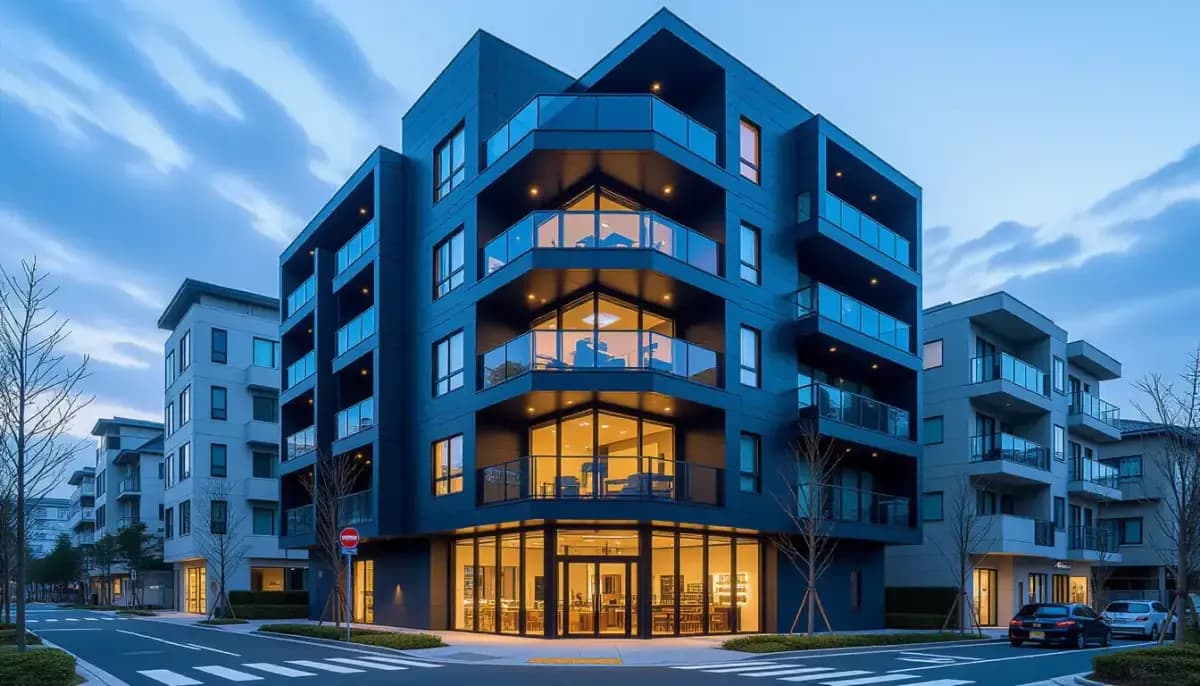
Everything foreigners need to know about Japan's condo repair reserve fund (shuuzen tsumitatekin): monthly costs, red flags, due diligence checklist, and what happens if you don't pay.
Repair Reserve Fund (Shuuzen Tsumitate Kin) in Japan Condos: A Complete Guide for Foreign Buyers
If you're buying a condominium (mansion/マンション) in Japan, you'll quickly encounter a mandatory ongoing cost that catches many foreign buyers off guard: the repair reserve fund, known in Japanese as 修繕積立金 (shuuzen tsumitatekin). Understanding this fee before you sign any contract is essential — it can significantly affect your monthly costs and your long-term investment value.
This guide explains everything you need to know about Japan's repair reserve fund system, from how it works and how much it costs, to the red flags to watch out for when evaluating a property.
What Is the Repair Reserve Fund (修繕積立金)?
The repair reserve fund (shuuzen tsumitatekin) is a monthly fee paid by every unit owner in a Japanese condominium building. These funds are pooled together by the building's management association (管理組合, kanri kumiai) and held in reserve specifically for future large-scale repair and renovation work on the common areas of the building.
Unlike management fees (管理費, kanrihi) that pay for day-to-day upkeep and services, the repair reserve fund is a savings mechanism. Money accumulates over years and decades until major construction work is needed. Every condo owner — whether Japanese or foreign — is legally obligated to pay this fee each month.
The fee is collected alongside your regular management fee, typically via automatic bank transfer. If you own a condo in Japan but live overseas, your property management company can set up a proxy bank payment arrangement on your behalf. Learn more in our guide on buying a condominium in Japan as a foreigner.
What Does the Repair Reserve Fund Cover?
The reserve fund is allocated for major structural and infrastructure work on the common areas of the building — not repairs inside individual units. Typical expenditures include:
- Exterior wall repairs and repainting — the single largest expense for most buildings
- Roof and rooftop waterproofing replacement
- Water tank, water supply equipment, and plumbing overhaul
- Elevator modernization and replacement
- Parking lot resurfacing and expansion
- Seismic (earthquake) retrofitting to comply with updated building codes
- Repair costs from natural disasters (earthquakes, typhoons, flooding)
- Entryway, lobby, and corridor renovation
Individual unit maintenance — such as replacing your kitchen fixtures, bathroom tiles, or interior flooring — is your own personal responsibility as the owner and is not covered by the reserve fund.
For a broader look at property ownership costs, see our article on hidden costs and fees when buying property in Japan.
How Much Does the Repair Reserve Fund Cost?
The amount varies by building size, age, amenities, and management policy — but national data gives us a useful benchmark.
| Category | National Average (FY 2023) |
|---|---|
| Monthly management fee (kanrihi) | ¥11,500/month |
| Monthly repair reserve fund | ¥13,054/month |
| Combined monthly total | ¥24,500/month |
| Tokyo area combined average | ¥26,400/month |
| Hokkaido area combined average | ¥23,000/month |
| Per square meter (repair reserve) | ¥149–¥182/sqm/month |
| Combined fees per sqm | ¥300–¥400/sqm/month |
For a typical 70 sqm condo, you can expect combined management and reserve fees of ¥21,000–¥28,000 per month. Add in property taxes and building-specific costs, and your total monthly ownership cost can easily exceed ¥30,000–¥50,000 before mortgage payments.
Buildings with premium amenities — gyms, swimming pools, 24-hour concierge, multiple elevators — tend to have significantly higher fees. Check out our full breakdown of property taxes and annual costs in Japan.
For a detailed breakdown of management fee structures, Housekey Japan's guide to management and repair fees is an excellent reference. The REthink Tokyo guide to condo management fees also provides in-depth Tokyo-specific data.
The 12–15 Year Major Renovation Cycle
Japanese condominium buildings are designed around a long-term repair plan (長期修繕計画, chouki shuuzen keikaku), typically spanning 30 years. This plan schedules large-scale renovation cycles, which usually occur every 12–15 years.
The estimated cost per unit for each major renovation cycle is substantial:
| Repair Type | Estimated Cost Per Unit |
|---|---|
| Exterior wall repainting and sealing | ¥800,000 – ¥1,200,000 |
| Roof waterproofing replacement | ¥300,000 – ¥500,000 |
| Plumbing and piping overhaul | ¥500,000 – ¥1,000,000 |
| Elevator modernization | ¥200,000 – ¥400,000 |
| Total per cycle (est.) | ¥1,800,000 – ¥3,100,000 |
When evaluating a property, ask to see the building's long-term repair plan and check how much has actually been accumulated in the reserve fund compared to what will be needed.
Red Flags: The Step-Up Method and Underfunded Buildings
One of the most important things foreign buyers need to understand is the step-up (段階増額) pricing method. Many newly built condos are sold with artificially low repair reserve fees to make the purchase price and ongoing costs look more attractive. These fees are structured to increase — sometimes dramatically — over time.
In practice, this means:
- A brand-new condo might charge ¥5,000/month in repair reserve fees
- After 5–10 years, the fee may increase to ¥10,000–¥15,000/month
- By the time the building is 20 years old, it could reach ¥20,000–¥30,000/month or more
This step-up approach is controversial because initial owners benefit from low fees while later buyers inherit a building that's chronically underfunded. It's estimated that more than 70% of Japanese condominiums have insufficient repair reserve funds, putting future residents at risk of being hit with special assessments (臨時徴収, rinji choushuu) — one-time lump-sum charges to cover funding shortfalls.
For more on managing renovation and repair costs, see our guide on home renovation and remodeling in Japan for foreign owners.
What Happens If You Don't Pay?
The repair reserve fund is legally mandatory in Japan under the Building Unit Ownership Act (区分所有法). Non-payment has serious consequences:
- Legal notices and demand letters from the management association
- Court proceedings to recover unpaid amounts
- Seizure and forced sale (foreclosure) of the condo unit in extreme cases
Importantly, if the previous owner was delinquent on repair reserve payments, the new owner inherits that debt. This is a critical due diligence point: always verify that the current owner is up to date on all fees before completing a purchase.
Get a written statement of any outstanding fees as part of your purchase documentation. Our article on legal procedures and documentation for Japan property purchase covers what documents to request during the buying process.
Due Diligence Checklist for Buyers
Before purchasing any condominium in Japan, request and review the following documents:
- 管理規約 (kanri kiyaku) — Management bylaws and rules
- 長期修繕計画 (chouki shuuzen keikaku) — Long-term repair plan (30-year schedule)
- 修繕積立金残高 (shuuzen tsumitatekin zandaka) — Current balance of the repair reserve fund
- 管理費・修繕積立金の滞納状況 — Arrears status (any unpaid fees from current/past owners)
- 大規模修繕の履歴 — History of past major renovation work and costs
- 管理会社の情報 — Management company details and track record
A certified real estate agent (宅地建物取引士, takken-shi) is legally required to explain these documents to you during the "Important Matters Explanation (重要事項説明, juuyou jikou setsumei)" session before any contract is signed.
For comprehensive guidance, Living in Nihon's property buying and mortgage guide walks through the full purchase process for foreign buyers, including how to evaluate condo documents.
Practical Tips for Foreign Owners
1. Set up automatic payments. Management associations may not accept overseas bank transfers. Work with your property manager to set up a Japanese bank account or proxy payment service.
2. Attend management association meetings. As an owner, you have voting rights on fee increases and major repair decisions. Even if you can't attend in person, you can submit a proxy vote.
3. Build a financial buffer. Assume that fees will increase over the life of your ownership. Budget for potential special assessments, especially in older buildings.
4. Check the renovation history. A building that recently completed a major renovation cycle may be more attractive than one where a big bill is looming.
5. Get professional advice. For overseas investors especially, professional property management is highly recommended. See our guide on property management for overseas owners in Japan.
For expats navigating life in Japan, For Work in Japan's housing and living infrastructure guide provides useful context on setting up your housing arrangements. And for an in-depth look at the financial side of condo ownership, Gaijin Buy House's property management and maintenance guide is specifically written for foreign property owners.
Also be sure to review your insurance options as a property owner in Japan — certain building defects and disaster damage may not be covered by the reserve fund alone.
Summary
The repair reserve fund (修繕積立金, shuuzen tsumitatekin) is one of the most important ongoing costs of condo ownership in Japan. With national averages around ¥13,054/month and major renovation cycles that can cost millions of yen per unit, understanding and evaluating this fund is critical for any buyer — especially foreigners unfamiliar with Japan's condominium management system.
Key takeaways:
- Always check the current reserve fund balance against the long-term repair plan
- Be wary of step-up pricing structures in new buildings
- Verify there are no outstanding arrears before completing a purchase
- Non-payment is a serious legal matter in Japan
- Factor in potential fee increases when calculating your long-term ownership costs
By doing your due diligence, you can make a confident, well-informed decision about your Japan condo purchase.
For more resources, read our detailed breakdown at Japan Real Estate's repair reserve fund fees explained.

Originally from Vietnam, living in Japan for 16+ years. Graduated from Nagoya University, with 11 years of professional experience at Japanese and international companies. Sharing information about buying property in Japan for foreigners.
View Profile →Related Articles

Currency Exchange Costs for Foreign Buyers Purchasing Japan Property
A complete guide to currency exchange costs when buying property in Japan as a foreigner. Learn about bank markups, wire transfer fees, AML requirements, and how to save thousands using specialist FX services.
Read more →
Condo Management and Maintenance Fees in Japan
Understand Japan condo management fees and repair reserve fund fees. Learn average costs, what they cover, payment methods for foreigners, and how to evaluate fees before buying.
Read more →
Fire and Earthquake Insurance Costs in Japan
Complete guide to fire insurance (kasai hoken) and earthquake insurance (jishin hoken) costs in Japan for foreign property owners. Premiums, coverage, providers, and tips for expats.
Read more →
Renovation Costs for Used Properties in Japan
Complete guide to renovation costs for used properties in Japan. Room-by-room cost breakdowns, real-world examples, government subsidies, and budgeting tips for foreign buyers.
Read more →
Furniture and Appliance Costs for Your New Home in Japan
Complete guide to furniture and appliance costs when setting up a new home in Japan. Realistic budgets, where to buy, rental options, and tips for foreigners.
Read more →
Moving Costs When Relocating to a New Home in Japan
Complete guide to moving costs in Japan for foreigners: domestic moving company fees, furniture costs, utility setup, neighbor gifts, international relocation expenses, and money-saving tips.
Read more →