
Japan Property Survey and Inspection Costs

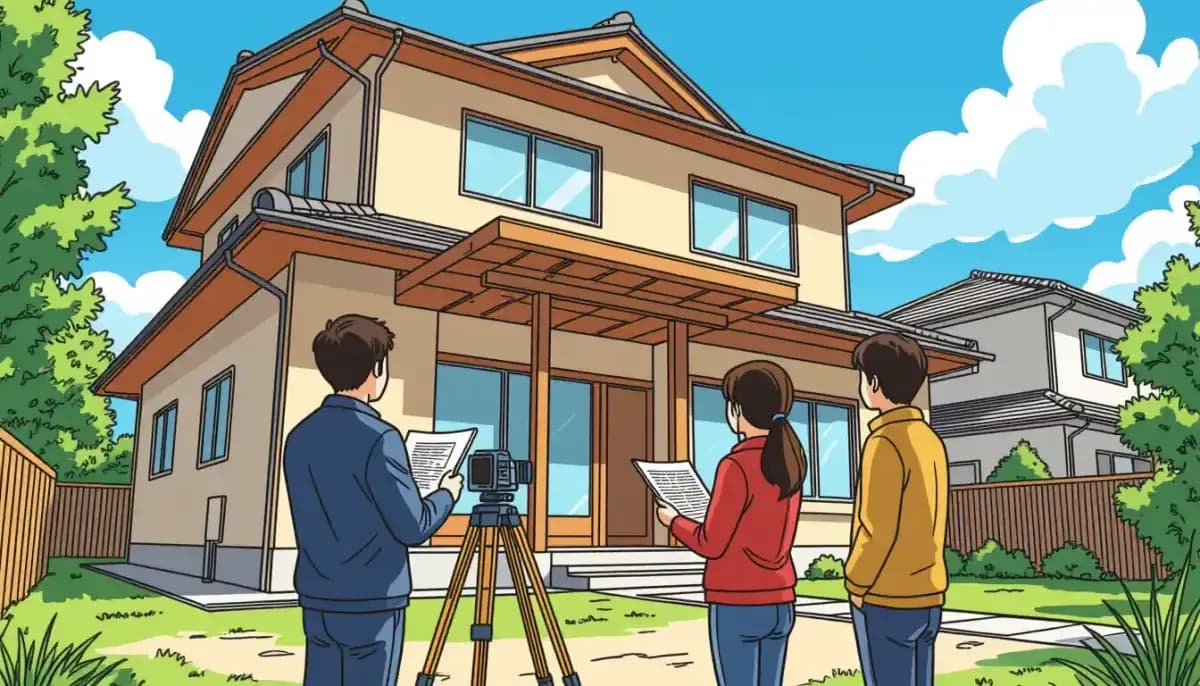
Understand property survey and inspection costs in Japan. Learn about home inspections, land surveys, seismic assessments, typical fees (¥50,000–¥600,000+), and essential tips for foreign buyers.
Japan Property Survey and Inspection Costs: What Foreign Buyers Need to Know
When buying property in Japan as a foreigner, the purchase price is only the beginning. Beyond stamp duties, registration taxes, and agent commissions, there are several survey and inspection fees that smart buyers should budget for. These costs are often overlooked, yet they can reveal problems worth hundreds of thousands — or even millions — of yen before you commit to a purchase.
This guide explains every type of property survey and inspection cost in Japan, typical fee ranges, what each service covers, and how to navigate these processes as a non-Japanese buyer.
Why Property Surveys and Inspections Matter in Japan
Japan has some of the world's highest earthquake risk. With thousands of tremors each year and major seismic events occurring every few decades, the structural integrity of a building is not just a quality concern — it's a safety issue. On top of that, Japan's aging housing stock means that many properties on the market today were built under older, less stringent building codes.
Home inspections (ホームインスペクション, hoomu inspekushon) and building surveys are not legally required when buying property in Japan. However, since the 2018 revision to the Real Estate Brokerage Act, real estate agents are legally required to explain the availability of inspections to both buyers and sellers at three stages of a transaction:
- When signing the brokerage contract
- When reviewing the important matters document (jyuuyou jikoo setsumei)
- When concluding the sales contract
This change reflects a government push to normalize inspections in the previously inspection-averse Japanese real estate market. For foreign buyers unfamiliar with local building standards, inspections are even more essential.
For a broader view of all fees involved, see our guide on Hidden Costs and Fees When Buying Property in Japan.
Types of Property Surveys and Inspections in Japan
Japan has several distinct types of property surveys and inspections, each serving a different purpose and carrying different costs.
1. Standard Home Inspection (ホームインスペクション)
The most common type for residential buyers, a standard home inspection is a visual assessment of the property's overall condition. A licensed architect or MLIT-certified professional examines:
- Exterior: roof, walls, gutters, drainage, foundation cracks
- Interior: floors, ceilings, walls, stairs, doors and windows
- Structural elements: framing, foundation integrity, signs of subsidence
- Major systems: plumbing, electrical, HVAC, water heaters, air conditioning
The inspector uses tools such as tilt meters, moisture detectors, and flashlights. A standard inspection takes 1–3 hours depending on property size and complexity.
2. Defect Insurance Inspection (既存住宅売買瑕疵保険, kekkan hoken kentei)
This specialized inspection verifies whether the property meets eligibility criteria for Japan's existing home defect warranty insurance. If the property passes, the seller (or buyer) can purchase a defect insurance policy, giving the buyer protection against hidden structural and equipment defects discovered after purchase.
This is a more thorough assessment than a basic inspection and specifically checks structural elements and waterproofing.
3. Land Boundary Survey (土地測量, tochi sokuryo)
For land purchases or detached house (ikkodate) purchases, a land boundary survey confirms the exact boundaries of the plot. This is critical because Japan has many properties with unclear or disputed boundaries — a legacy of historical land divisions that predate modern cadastral systems.
A land survey is performed by a licensed land surveyor (tochi kaoku chousashi) and may be required by the seller's agent to conclude a transaction. It is especially important in rural areas, older neighborhoods, and any situation where land dimensions in the registry differ from physical reality.
4. Building Status Survey (建物状況調査, tatemono jyoukyou chousa)
Introduced formally in 2018, the building status survey (kentan) is a standardized inspection format created by Japan's Ministry of Land, Infrastructure, Transport and Tourism (MLIT). Unlike general home inspections, kentan surveys follow strict protocols and are conducted only by certified professionals.
These surveys are particularly relevant when purchasing pre-owned properties through a real estate agent, as agents must explain the option to buyers and sellers.
5. Seismic Resistance Assessment (耐震診断, taishin shindan)
For older buildings — particularly those built before June 1981 when Japan updated its seismic codes — a seismic resistance assessment evaluates whether the building meets current safety standards. Buildings that pass receive a certified seismic conformance rating, which can also affect mortgage eligibility and insurance premiums.
Typical Inspection and Survey Costs in Japan
| Type of Survey/Inspection | Typical Cost (JPY) | Notes |
|---|---|---|
| Standard home inspection (apartment/condo) | ¥40,000 – ¥60,000 | Visual only, 1–2 hrs |
| Standard home inspection (detached house) | ¥50,000 – ¥70,000 | Visual only, 1–3 hrs |
| Detailed / comprehensive inspection | ¥80,000 – ¥150,000 | Includes advanced equipment |
| Defect insurance inspection (kentan) | ¥50,000 – ¥100,000 | Required for defect insurance eligibility |
| Seismic resistance assessment | ¥50,000 – ¥150,000 | Higher for complex structures |
| Land boundary survey | ¥300,000 – ¥600,000+ | Varies significantly by land size/complexity |
| English-language report surcharge | ¥30,000 – ¥50,000 | Essential for most foreign buyers |
Total budget for inspections (typical foreign buyer): ¥100,000 – ¥250,000 for building inspection + report translation; significantly more if a land survey is required.
Who Pays for Inspections in Japan?
In Japan, it is generally the buyer who pays for home inspections and surveys. This differs from some Western countries where sellers commission pre-listing inspections.
The exception is when a seller proactively orders a building status survey (kentan) or defect insurance inspection to make the property more attractive to buyers — in which case the seller bears the cost.
For land boundary surveys, the cost is sometimes negotiable between buyer and seller, particularly when disputed boundaries need to be resolved before the sale can proceed. In many cases, this is handled as part of the sales negotiation.
How to Find and Hire an Inspector in Japan as a Foreigner
English-Speaking Inspection Companies
Finding an inspector who can communicate effectively in English is important for foreign buyers. Some companies with English-language services include:
- Sakura Home Inspection — offers English-language reports and bilingual staff
- Anest — known for professional inspections with English support
- Plaza Homes and other international real estate agencies often have referral networks for English-speaking inspectors
Your real estate agent can also help connect you with qualified inspectors. For tips on working with agents effectively, see our guide on Working with Japanese Real Estate Agents as a Foreigner.
Verifying Qualifications
Inspectors in Japan should hold one of the following credentials:
- First-class or second-class licensed architect (kenchiku shi)
- Certification from Japan's MLIT for building status surveys
- Membership in professional bodies such as the Japan Association of Home Inspection
Always ask for credentials before hiring.
For more details on the full purchase process and professional requirements, see Step-by-Step Home Buying Process in Japan for Foreigners.
For useful guidance on property surveys and living costs in Japan, Living in Nihon's property and mortgage guide is a valuable resource for foreigners navigating the Japanese real estate market.
Special Considerations for Foreign Buyers
English-Language Reports
A critical cost that many foreign buyers don't account for is the English-language report surcharge. Standard inspection reports in Japan are written entirely in Japanese, using technical construction and architectural terminology. Having a report translated or produced in English typically costs an additional ¥30,000–¥50,000, but it is essential for understanding exactly what problems exist and what repairs may be needed.
Without an English report, you are relying entirely on your agent or interpreter to explain findings — which introduces potential for misunderstanding or omission.
Seismic Standards Are Non-Negotiable
As a foreign buyer, it is easy to focus on visible features like room size, finishes, and location, while overlooking the seismic safety question. Any property built before June 1, 1981 may not meet Japan's shin taishin kijun (new seismic standards), which were introduced after the devastating Miyagi Earthquake.
Properties that don't meet current seismic standards:
- May be harder to insure
- Can face mortgage rejection from many Japanese banks
- May require expensive retrofitting (¥500,000–¥3,000,000+)
- Present significantly higher risk in an earthquake event
A seismic resistance assessment is worth every yen spent on an older property.
Land Surveys for Rural and Older Properties
If you are considering rural property, akiya (vacant homes), or land in older residential areas, a land boundary survey is especially important. Many rural properties have boundaries that have never been officially surveyed, and discrepancies between registered land area and actual land area can cause significant legal and financial complications.
For information on rural and akiya property purchases, see Akiya (Vacant and Abandoned Houses) in Japan for Foreign Buyers and Rural and Countryside Properties in Japan for Foreign Buyers.
What Inspections Can and Cannot Do
It's important to understand the limitations of Japanese home inspections:
What a standard inspection covers:
- Visible defects in walls, floors, ceilings, and roof
- Observable plumbing and electrical conditions
- Obvious structural concerns such as cracks, tilting, and water damage
- Equipment age and basic functionality
What inspections typically do NOT cover:
- Inside walls, ceilings, or foundations (unless invasive inspection is specifically requested)
- Soil contamination or ground stability (requires a separate soil survey)
- Termite or pest infestations (requires a separate pest inspection)
- Legal compliance of unauthorized alterations or additions
- Future deterioration or maintenance requirements
For a thorough risk assessment, consider commissioning a combination of inspections rather than relying on a single standard survey.
Budgeting Inspections Into Your Total Purchase Cost
When planning your property purchase budget, allocate a specific line item for surveys and inspections. Here is a practical budget framework:
| Scenario | Recommended Inspections | Estimated Budget |
|---|---|---|
| New construction apartment | Basic handover inspection | ¥30,000 – ¥50,000 |
| Pre-owned apartment (post-1981) | Standard home inspection + English report | ¥80,000 – ¥130,000 |
| Pre-owned house (post-1981) | Comprehensive inspection + English report | ¥100,000 – ¥200,000 |
| Older house (pre-1981) | Comprehensive + seismic assessment + English report | ¥150,000 – ¥300,000 |
| Land or detached house w/ land | Above + land boundary survey | ¥450,000 – ¥900,000+ |
These amounts are small relative to the total property cost but can prevent enormously expensive post-purchase surprises.
For a complete picture of all closing costs, see our Hidden Costs and Fees When Buying Property in Japan guide, which covers all major fees from real estate agent commissions to registration taxes.
For further guidance on navigating property inspections and real estate in Japan as a foreigner, check out Gaijin Buy House's property viewing checklist — a practical resource for what to look for during property visits. Additional reference: Tokyo Portfolio's detailed home inspection guide and MailMate's guide on home inspections in Japan are excellent starting points for understanding the inspection landscape. For a broader overview of costs, Tokyo Portfolio's hidden costs breakdown is highly recommended. For housing infrastructure tips aimed at foreigners in Japan, For Work in Japan's housing guide provides useful context on living costs and setup.
Key Takeaways
- Home inspections are not required by law in Japan, but the 2018 law requires agents to explain the option to buyers and sellers
- Budget ¥50,000–¥150,000 for a standard to comprehensive building inspection
- Add ¥30,000–¥50,000 for an English-language report — essential for most foreign buyers
- Land boundary surveys can cost ¥300,000–¥600,000+ and are often needed for detached house or land purchases
- Seismic assessments are critical for any building constructed before June 1981
- English-speaking inspectors are available but require advance searching; your agent can help
- Inspections protect against expensive post-purchase repairs and are a small but vital part of your total budget
Understanding Japan's property survey and inspection landscape empowers you to make an informed purchase — and potentially save millions of yen in unforeseen repair costs. For everything you need to know about buying property in Japan as a foreigner, visit our Complete Guide to Buying Property in Japan as a Foreigner.

Originally from Vietnam, living in Japan for 16+ years. Graduated from Nagoya University, with 11 years of professional experience at Japanese and international companies. Sharing information about buying property in Japan for foreigners.
View Profile →Related Articles

Currency Exchange Costs for Foreign Buyers Purchasing Japan Property
A complete guide to currency exchange costs when buying property in Japan as a foreigner. Learn about bank markups, wire transfer fees, AML requirements, and how to save thousands using specialist FX services.
Read more →
Repair Reserve Fund (Shuuzen Tsumitate Kin) in Japan Condos
Everything foreigners need to know about Japan's condo repair reserve fund (shuuzen tsumitatekin): monthly costs, red flags, due diligence checklist, and what happens if you don't pay.
Read more →
Condo Management and Maintenance Fees in Japan
Understand Japan condo management fees and repair reserve fund fees. Learn average costs, what they cover, payment methods for foreigners, and how to evaluate fees before buying.
Read more →
Fire and Earthquake Insurance Costs in Japan
Complete guide to fire insurance (kasai hoken) and earthquake insurance (jishin hoken) costs in Japan for foreign property owners. Premiums, coverage, providers, and tips for expats.
Read more →
Renovation Costs for Used Properties in Japan
Complete guide to renovation costs for used properties in Japan. Room-by-room cost breakdowns, real-world examples, government subsidies, and budgeting tips for foreign buyers.
Read more →
Furniture and Appliance Costs for Your New Home in Japan
Complete guide to furniture and appliance costs when setting up a new home in Japan. Realistic budgets, where to buy, rental options, and tips for foreigners.
Read more →