
Osaka Property Market Analysis for Foreign Buyers

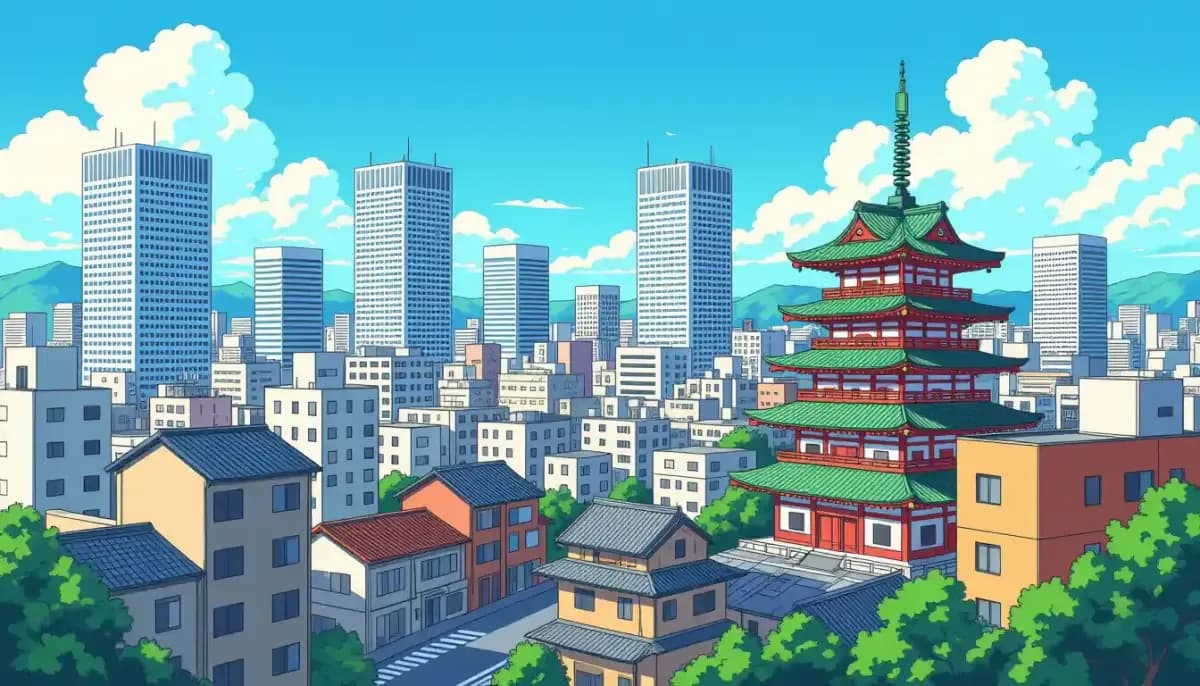
Comprehensive analysis of Osaka real estate market for foreigners: prices per sqm by neighborhood, market trends, infrastructure projects, mortgage options, and practical buying tips for expats and investors.
Osaka Property Market Analysis for Foreign Buyers: 2025-2026 Guide
Osaka has emerged as one of Japan's most compelling real estate destinations for foreign buyers — offering prices roughly 30% below Tokyo while delivering strong rental yields and dynamic urban growth. Whether you are an overseas investor, a relocating expat, or a long-term resident planning to put down roots, understanding Osaka's property market is essential before you commit. This guide breaks down prices, neighborhoods, trends, legal considerations, and practical tips to help you navigate the Osaka property market as a foreigner.
Why Osaka Attracts Foreign Property Buyers
Osaka is Japan's second-largest city and the commercial heart of the Kansai region. It offers a compelling mix of affordability, lifestyle appeal, and investment fundamentals that Tokyo simply cannot match on price.
Key reasons foreign buyers are drawn to Osaka:
- Price advantage: One-building (一棟) apartment buildings average approximately ¥81.42 million in Osaka compared to ¥116.88 million in Tokyo — a saving of nearly 30%.
- Strong rental demand: Tourism, international business, universities, and a large expat community keep vacancy rates low in central wards.
- Legal openness: Japan places no restrictions on foreign property ownership. Foreigners have identical legal rights to Japanese nationals when purchasing land and buildings.
- Expo 2025 legacy: The Osaka-Kansai World Expo 2025 is expected to generate ¥2.92 trillion in economic impact and has spurred major infrastructure investment across the city.
- Weaker yen: For buyers holding USD, EUR, AUD, or SGD, the exchange rate has made Osaka property exceptionally attractive over the past two years.
For a broader overview of the legal framework, see our guide on Can Foreigners Buy Property in Japan? Legal Rights Explained.
Current Market Overview: Prices and Trends
Price Per Square Meter by Area
| Neighborhood | Property Type | Price Range (¥/sqm) | Notes |
|---|---|---|---|
| Kita-ku (Umeda) | Premium condo | ¥2,000,000 – ¥3,900,000 | Highest appreciation; >10% land price growth |
| Chuo-ku (Namba/Shinsaibashi) | Central condo | ¥1,800,000 – ¥3,500,000 | Tourism & retail hub |
| Tennoji / Abeno | Mid-tier condo | ~¥396,882 (avg existing) | Strong urban renewal upside |
| Fukushima-ku | Gentrifying condo | ¥800,000 – ¥1,500,000 | Fastest transformation rate |
| Yodogawa (Shin-Osaka) | Transit-oriented | ¥600,000 – ¥1,200,000 | Growth driven by shinkansen hub |
| Naniwa Ward | Entry-level | ¥400,000 – ¥900,000 | Popular with foreign community |
Central Osaka properties average ¥1.2 million per square meter overall. The six central wards averaged 7.4% land price appreciation in the most recent data period, with Kita-ku exceeding 10%.
Market Velocity
- Days on market: Correctly priced properties typically sell in 75–95 days. Central condos near Umeda and Namba move faster (~75 days); suburban homes take closer to 95 days.
- Sale-to-asking price ratio: Most properties transact at 96–98% of the asking price, meaning you have limited but real negotiation room.
- Foreign buyer share: Foreign investors now account for approximately 27% of property transactions across Japan, with higher concentrations in central Osaka wards.
For a full picture of Japan-wide market dynamics, see our Japan Real Estate Market Overview and Trends.
Top Neighborhoods for Foreign Buyers in Osaka
Kita-ku (Umeda) — Premium Urban Living
Umeda is Osaka's primary business and transport hub, home to Japan's largest underground shopping complex and direct rail links to Kansai International Airport, Kyoto, and Kobe. Properties here command the city's highest prices but also deliver the strongest capital appreciation.
Who it suits: Professionals working in multinational companies, high-net-worth investors, buyers wanting maximum resale liquidity.
Chuo-ku (Namba / Shinsaibashi) — Tourism and Entertainment Hub
Chuo Ward is the pulse of Osaka's entertainment and retail scene. Dotonbori, Shinsaibashi, and Namba draw tens of millions of visitors annually. Short-term rental potential was strong here before regulatory tightening in late 2025 (see below), and long-term rental demand from hospitality workers and young professionals remains robust.
Who it suits: Investors targeting long-term rental income, buyers wanting walkable urban lifestyle.
Tennoji / Abeno — Emerging Value Play
Tennoji is undergoing significant urban renewal, with improved transport connections and the Abeno Harukas tower anchoring a growing commercial district. Existing condo prices average around ¥396,882 per sqm — significantly below central wards — while projected 3-year appreciation sits at 8–10%.
Who it suits: Value-oriented buyers willing to accept a longer investment horizon.
Fukushima-ku — The Gentrification Story
Fukushima sits just west of Umeda and has transformed rapidly over the past five years. Independent restaurants, cafes, and boutiques have replaced older commercial stock. It is now one of the strongest gentrification stories in the city.
Who it suits: Lifestyle buyers and investors seeking to buy before prices fully reflect the area's desirability.
Yodogawa / Shin-Osaka — Transport-Led Growth
Shin-Osaka Station is a shinkansen hub and the planned terminus of the Naniwasuji Line (expected 2031). Office-to-residential conversions and transit-oriented developments are reshaping this ward.
Who it suits: Budget-conscious buyers and investors with a medium-to-long horizon.
For guidance on evaluating individual properties, see our Types of Properties Available in Japan: A Complete Guide.
Infrastructure Driving Value: 2025 and Beyond
Infrastructure investment is one of the most reliable drivers of Osaka property prices. Key projects to track:
- Osaka Metro Chuo Line extension to Yumeshima — Opened January 19, 2025. Connects the Expo 2025 venue to the city network and unlocks the Yumeshima waterfront development zone.
- Naniwasuji Line — Targeted 2031 opening. Will connect Osaka-Umeda, Namba, Tennoji, and the airport corridor, boosting property values along the entire route.
- Nakanoshima redevelopment — Multi-phase commercial and cultural district upgrade underway, with spillover effects into adjacent residential areas.
- Osaka Bay / Yumeshima — Long-term mixed-use development following Expo 2025, with potential casino resort (IR) development that could reshape the western waterfront.
These projects represent genuine value catalysts — buying within easy access of confirmed future stations before lines open has historically delivered strong returns in Japanese cities.
Short-Term Rental Regulations: What Changed in 2025
Foreign investors attracted by Osaka's tourism boom should note a significant regulatory shift: minpaku (short-term rental) applications were suspended in late 2025, with occupancy rates for already-licensed properties running at 75–85% in tourist districts.
This means:
- New Airbnb-style investment plays are significantly harder to execute without an existing license.
- The regulatory environment may evolve further in 2026 as the government reviews national STR policy.
- Long-term rental demand, however, has absorbed much of the displaced tourism accommodation, keeping vacancy tight.
If short-term rental income is central to your investment thesis, consult a specialist property manager familiar with current Osaka licensing rules before purchasing.
Financing as a Foreign Buyer
Securing a mortgage in Japan as a foreigner remains one of the most common challenges. The landscape varies significantly by your residency status:
| Visa Status | Mortgage Access |
|---|---|
| Permanent Resident (PR) | Full access to most major bank mortgage products |
| Long-term work visa (5 years) | Some regional banks and credit unions may lend |
| Spouse of Japanese national | Generally accessible through major banks |
| Short-term / investor visa | Very limited — typically cash purchase or overseas financing |
| Non-resident foreigner | Japanese mortgage usually not possible; overseas options only |
Beyond the mortgage itself, budget 6–10% above the purchase price for transaction costs including:
- Real estate agent commission (typically 3% + ¥60,000 + tax)
- Registration and license tax
- Stamp duty
- Judicial scrivener (shiho shoshi) fees
- Property acquisition tax (paid ~6 months after purchase)
For a detailed breakdown, see our guide on Hidden Costs and Fees When Buying Property in Japan, and our Mortgages and Home Loans for Foreigners in Japan guide.
The Buying Process: A Brief Overview
Purchasing property in Osaka follows the same national process as elsewhere in Japan:
- Property search — Use major portals (SUUMO, At Home, LIFULL HOME'S) and bilingual agents.
- Offer and negotiation — Submit a purchase application (买付申し込み). Osaka typically allows 2–4% negotiation from asking price.
- Due diligence — Review the Explanation of Important Matters (重要事項説明書) prepared by a licensed agent.
- Signing and deposit — Sign the sales contract and pay a deposit (typically 10%).
- Settlement — Balance payment, registration transfer via judicial scrivener, key handover.
For the full process with checklists, see our Step-by-Step Home Buying Process in Japan for Foreigners.
Due Diligence Checklist for Osaka Properties
Before making an offer on any Osaka property, verify:
- Earthquake resistance standard: Buildings constructed after June 1981 comply with the New Seismic Standard (新耐震基準). Pre-1981 buildings require a separate structural assessment.
- Flood hazard map: Cross-reference the property against Osaka City's hazard maps. Low-lying areas near rivers and the bay carry flood risk.
- Building management: For condos (mansions), review management association minutes (管理組合議事録) for disputes, repair fund shortfalls, or upcoming special assessments.
- Vacancy rate: For investment properties, ask the agent for the historical vacancy rate of the building and the surrounding block.
- Zoning: Confirm the property's zoning category (用途地域) to understand what can be built nearby.
Is Osaka Right for You?
Osaka makes the most sense for buyers who:
- Want Japan exposure at a 25–30% discount to Tokyo prices
- Prioritize rental yield over pure capital gain (yields in Osaka typically exceed Tokyo's)
- Intend to live in Kansai or want a lifestyle base near Kyoto and Kobe
- Are prepared to hold for 5+ years to ride infrastructure-led appreciation
It is less suitable for buyers seeking maximum liquidity (Tokyo has a deeper resale market) or those wanting to run unregulated short-term rentals.
For region comparison, you may also want to read our analyses of Buying Property in Tokyo as a Foreigner and Buying Property in Kyoto as a Foreigner.
External Resources
For additional research, we recommend these authoritative sources:
- Osaka Kansai Real Estate Guide for Foreigners — Gaijin Buy House: Comprehensive guide covering popular Osaka areas, pricing benchmarks, and property characteristics for foreign buyers.
- Buying Property and Mortgage Guide — Living in Nihon: Detailed overview of Japan's property purchase and mortgage process for foreigners.
- Housing and Living Infrastructure Guide — For Work in Japan: Practical guide covering housing search, commuting, and living infrastructure across Japan.
- Osaka Real Estate Statistics 2025 — Bamboo Routes: Up-to-date market statistics including days-on-market, price appreciation, and neighborhood trends.
- Buying Real Estate in Osaka: Tips, Trends and Investment Insights — RE/MAX APEX: Professional agent perspective on Osaka's investment landscape.
- Osaka Real Estate Investment Guide — Japan-Property: Analysis of recommended Osaka areas for apartment investment.
Conclusion
Osaka's property market in 2025–2026 presents a genuine opportunity for foreign buyers who do their homework. Prices remain competitive against Tokyo, infrastructure investment is accelerating, and Japan's legal framework remains one of the most foreigner-friendly in Asia. The main hurdles — mortgage access, due diligence complexity, and short-term rental regulations — are manageable with the right professional support.
Start by clarifying your visa situation (it determines your mortgage options), identify two or three target neighborhoods based on your budget and goals, and engage a bilingual real estate agent who regularly works with foreign clients. Osaka is not a market where you need to rush — but it is a market where being well-informed pays.
For a complete framework on your Japan property purchase, return to our main guide: Complete Guide to Buying Property in Japan as a Foreigner.

Originally from Vietnam, living in Japan for 16+ years. Graduated from Nagoya University, with 11 years of professional experience at Japanese and international companies. Sharing information about buying property in Japan for foreigners.
View Profile →Related Articles
Weak Yen Impact on Japan Property Investment for Foreigners
Learn how Japan's weak yen creates major buying advantages for foreign property investors. Discover real savings, rental yields, legal framework, and key risks to navigate in 2025.
Read more →
Japan vs Other Asian Countries: Real Estate Market Comparison
Compare Japan's real estate market against Hong Kong, Singapore, Thailand and other Asian countries. Full analysis of prices, ownership rights, yields, and transaction costs for foreign buyers in 2025.
Read more →
Japan Construction Industry Trends and New Home Development
Understand Japan's construction industry trends, new home development statistics, prefab housing growth, labor challenges, and what it means for foreign buyers planning to purchase or build in Japan.
Read more →
Best Cities to Invest in Japan Real Estate in 2026
Discover the top Japanese cities for real estate investment in 2026. Compare Tokyo, Osaka, Fukuoka, Sapporo rental yields, prices, and tips for foreign buyers entering the market.
Read more →
Japan Property Market Bubble History: Lessons for Today's Buyers
Learn from Japan's 1991 property bubble collapse — when prices fell 90% — and apply those hard-won lessons to buying property in Japan as a foreigner in 2025's rising market.
Read more →
Japan Luxury Real Estate Market Trends for High-Net-Worth Buyers
Discover Japan's luxury real estate market trends for 2026. Tokyo prices, Niseko resort properties, foreign buyer rules, financing tips, and strategic insights for high-net-worth buyers.
Read more →