
Okinawa Retirement Living and Property Guide for Foreigners


Complete guide to retiring in Okinawa as a foreigner: property prices, buying process, best neighborhoods, visa options, healthcare, and daily life tips for expat retirees.
Okinawa Retirement Living and Property Guide for Foreigners
Dreaming of retiring somewhere warm, affordable, and steeped in a culture of longevity and well-being? Okinawa — Japan's southernmost island prefecture — might be exactly what you are looking for. Known as one of the world's original Blue Zones, Okinawa offers foreign retirees a unique combination of tropical climate, lower cost of living, beautiful beaches, and a deeply rooted community ethos that supports a long and healthy life. This guide covers everything you need to know about retiring in Okinawa as a foreigner, from property purchasing to daily life, visa considerations, and the best neighborhoods to call home.
Why Okinawa Is a Top Retirement Destination for Foreigners
Okinawa sits roughly 1,600 kilometers southwest of Tokyo, closer geographically to Taiwan than to the Japanese mainland. Its subtropical climate means mild winters (rarely below 15°C) and warm, sunny summers with average temperatures ranging from 23°C to 32°C throughout the year. For retirees escaping cold climates, this alone is a major draw.
The island's legendary longevity is backed by decades of research. Okinawa has historically had one of the highest concentrations of centenarians in the world, and the Okinawa Centenarian Study has been tracking this remarkable phenomenon since 1975. While modern dietary shifts have affected these numbers in younger generations, the traditional Okinawan lifestyle — built around the "hara hachi bu" principle (eating until 80% full), a plant-rich diet of sweet potatoes, tofu, and bitter melon, and strong social bonds — continues to attract health-conscious retirees from around the world.
Beyond health and climate, Okinawa offers a laid-back pace of life that differs sharply from the hustle of mainland Japanese cities. The Ryukyu cultural heritage, distinct music, colorful festivals, and friendly, welcoming community make it feel like a world apart — and for many expat retirees, that is precisely the appeal.
For broader retirement planning in Japan, see our Complete Guide to Buying Property in Japan as a Foreigner and review your Japan Visa Types for Property Buyers.
Can Foreigners Buy Property in Okinawa?
Yes — and this is one of the most important facts for prospective retirees to know. Foreigners can legally purchase land and property in Japan, including in Okinawa, with no ownership restrictions based on nationality or residency status. You do not need a visa, citizenship, or even to live in Japan to buy real estate here. Property rights are permanent, with no time limits on ownership, and foreign buyers pay the same taxes as Japanese nationals.
This openness makes Okinawa particularly attractive compared to many other countries in Asia, where foreigners face strict limitations on land ownership. For a full breakdown of your legal rights, see our article on Can Foreigners Buy Property in Japan? Legal Rights and Restrictions.
The buying process typically involves:
- Finding a licensed real estate agent who speaks English or can communicate with you effectively
- Identifying the property and making an offer
- Signing a purchase agreement (売買契約書) with a deposit of 5–10% of the purchase price
- Completing due diligence — your agent and a judicial scrivener (司法書士) will verify the title deed
- Paying the balance and additional costs (typically 6–10% of purchase price for agent fees, stamp duty, registration taxes)
- Registering ownership with the local Legal Affairs Bureau (法務局)
One important challenge for non-residents: obtaining a mortgage from a Japanese bank is often difficult without Japanese residency and a steady local income. Many foreign retirees purchase property with cash or arrange financing in their home country. However, if you already hold a long-term visa and have income in Japan, some banks may consider your application. For more details, see our guide on Japan Mortgage Requirements for Foreigners.
For comprehensive support throughout your search, For Work in Japan's Housing and Living Infrastructure Guide provides practical advice on setting up your life in Japan, including accommodation considerations.
Okinawa Property Prices: What to Expect
Property in Okinawa is significantly more affordable than Tokyo or Osaka, making it one of the most accessible markets in Japan for foreign buyers on a retirement budget.
| Property Type | Location | Price Range (JPY) | Price Range (USD approx.) |
|---|---|---|---|
| New Condominium | Naha City | ¥35–50 million | $230,000–$330,000 |
| Detached House | Chatan / Ginowan | ¥28–45 million | $185,000–$300,000 |
| Used Condominium | Okinawa City | ¥15–30 million | $100,000–$200,000 |
| Rural Property | Northern Okinawa | ¥10–25 million | $65,000–$165,000 |
| Akiya (Vacant House) | Various | ¥2–10 million | $13,000–$65,000 |
Rental costs are equally affordable: a 1LDK apartment in Naha typically rents for ¥55,000–80,000 per month, compared to ¥130,000+ for a similar unit in central Tokyo. In Okinawa City and Chatan, expect ¥45,000–70,000, while rural areas can be even cheaper at ¥30,000 or less.
For retirees on a fixed income, these numbers translate to a comfortable lifestyle. A single retiree can typically live well in Okinawa on ¥150,000–200,000 per month (approximately $1,000–$1,300 USD), covering rent, food, utilities, healthcare, and transportation.
If you are interested in the akiya (vacant house) market, our article What Is an Akiya? Japan's Vacant House Phenomenon Explained covers how to find and buy these often deeply discounted properties in rural Okinawa.
For more on the Okinawa property market and current housing trends, A-Realty's Okinawa Housing 2025 Guide provides detailed neighborhood-by-neighborhood pricing data.
Best Neighborhoods in Okinawa for Foreign Retirees
Okinawa is not a single city — it is an island prefecture with distinct communities, each offering a different lifestyle. Here are the key areas to consider:
Naha City — The capital and most urbanized area, Naha offers the best access to hospitals, international shopping, government services, and Naha Airport for easy travel home. The historic Kokusai-dori (International Street) area is vibrant and well-suited to foreign residents who want convenience alongside culture.
Chatan Town — Popular with US military families and the international community, Chatan's "American Village" area has English-friendly services, international restaurants, and a resort-like coastal atmosphere. Property prices are mid-range, and the expat community is well-established.
Ginowan — A quiet coastal city south of Chatan, Ginowan is family-oriented and offers proximity to beaches, parks, and international schools. It has a slower pace while remaining close to Naha's amenities.
Okinawa City (Koza) — One of the more budget-friendly options, Okinawa City has a multicultural history influenced by its American military presence and a thriving arts and music scene. Living costs are lower than Naha or Chatan.
Northern Okinawa (Yanbaru) — For retirees seeking tranquility and nature, the northern part of the main island (including areas like Nago and the Yanbaru forest region) offers rural living, stunning scenery, and very affordable properties. The trade-off is reduced access to medical facilities and English services.
For detailed neighborhood breakdowns and maps, see our dedicated article: Best Neighborhoods in Okinawa for Foreign Buyers.
Healthcare and Daily Life for Foreign Retirees in Okinawa
Access to quality healthcare is a primary concern for any retiree, and Okinawa is generally well-served — with one important caveat. General medical care, clinics, and hospitals are widely available across the island, particularly in Naha and major towns. However, for highly specialized treatments, patients may need to travel to Fukuoka or Osaka on the mainland.
Foreigners who hold a valid visa and are enrolled in the Japanese National Health Insurance (国民健康保険) system pay only 30% of medical costs out of pocket — a significant advantage over many countries. Long-term residents on appropriate visas are required to enroll.
Daily life in Okinawa is comfortable and affordable:
- Groceries are reasonably priced, particularly fresh fish, vegetables, and local produce
- Transportation within the island relies primarily on cars, as public transit outside Naha is limited (the Yui Rail monorail only covers central Naha)
- Internet and mobile coverage is generally strong across urban and suburban areas
- English-language support is available in many areas, particularly in military-adjacent communities around Chatan and Okinawa City
- Climate is warm year-round but comes with typhoon season (June–October), requiring preparation for strong storms
For homeowners, our guide on Earthquake Preparedness for Japan Homeowners — and understanding Fire Insurance (Kasai Hoken) for Japan Homeowners — is essential reading before finalizing your purchase.
Visa Options for Retiring in Okinawa
Japan does not have a dedicated "retirement visa" for foreigners. However, there are several pathways for long-term stays:
Long-Stay Tourist Visa — Citizens of many countries can enter Japan visa-free for 90 days. Some nationalities can access a "long stay" arrangement for sightseeing and recreation purposes, but this does not grant residency rights.
Spouse/Dependent Visa — If you are married to a Japanese national or a foreign resident with long-term visa status, you may qualify for a dependent visa allowing indefinite residence.
Investor/Business Manager Visa — Purchasing property in Japan does not automatically grant visa rights, but establishing a business or making qualifying investments may support this visa category.
Highly Skilled Professional / Work-Related Residency — If you have past work history in Japan or qualifying credentials, alternative residency pathways may be available.
For many foreign retirees, the practical approach is to enter on a tourist visa, spend extended periods in Okinawa, and potentially pursue permanent residency after spending enough years in Japan. Permanent residency (永住権) generally requires 10 years of continuous residence and offers the most stable long-term arrangement.
Living in Nihon's Retirement and Aging Planning Guide for Foreigners covers the financial and legal aspects of retirement planning in Japan in comprehensive detail.
Managing Your Okinawa Property from Abroad
Many foreign buyers — particularly those not yet living in Okinawa full-time — purchase property as a vacation or future retirement base and need to manage it remotely. This is entirely feasible with the right setup.
Key considerations for absentee owners:
- Property management companies can handle maintenance, tenant relations (if renting out), and emergency repairs
- Minpaku (short-term rental) regulations apply if you wish to list your property on Airbnb or similar platforms — see our Japan Minpaku Law and Regulations Explained for the full picture
- Fixed asset tax (固定資産税) is an annual obligation even for non-resident owners — our guide to Fixed Asset Tax in Japan for Foreign Property Owners explains how it works
- Inheritance planning is important for foreign-owned property; Japan's inheritance laws and tax rates apply to assets held in Japan — see Japan Inheritance Tax on Property
For a complete overview of running a Japanese property from outside the country, our article Managing Japan Property Remotely: Complete Guide for Overseas Owners covers all the practical steps.
For additional research on expat living in Okinawa, A Way Abroad's Expat Guide to Living in Okinawa offers a firsthand perspective on day-to-day life, community, and practical tips for settling in.
You can also explore regional property investment more broadly through Gaijin Buy House's Japan Regional Cities and Rural Property Guide, which puts Okinawa in the context of Japan's broader regional real estate market.
Is Okinawa the Right Retirement Choice for You?
Okinawa is not for everyone. If you need regular access to cutting-edge specialist medical care, a large international business hub, or the infrastructure of a major city, Tokyo or Osaka may be more practical. But for retirees who prioritize warmth, affordability, natural beauty, a healthy lifestyle, and a genuine sense of community, Okinawa is one of the most compelling retirement destinations in all of Asia.
The island rewards those who embrace its unique pace — the unhurried morning walks along seawalls, the neighborhood yuntaku (casual chats), the taste of fresh goya champuru and freshly caught sashimi. For foreigners willing to navigate the visa and language challenges, Okinawa offers a retirement lifestyle that is genuinely exceptional.
Start your journey by exploring the best neighborhoods in Okinawa for foreign buyers, getting a firm grasp of your legal property ownership rights in Japan, and connecting with a local real estate agent who works with foreign buyers. With the right preparation, your Okinawa retirement could be the best decision you ever make.

Originally from Vietnam, living in Japan for 16+ years. Graduated from Nagoya University, with 11 years of professional experience at Japanese and international companies. Sharing information about buying property in Japan for foreigners.
View Profile →Related Articles
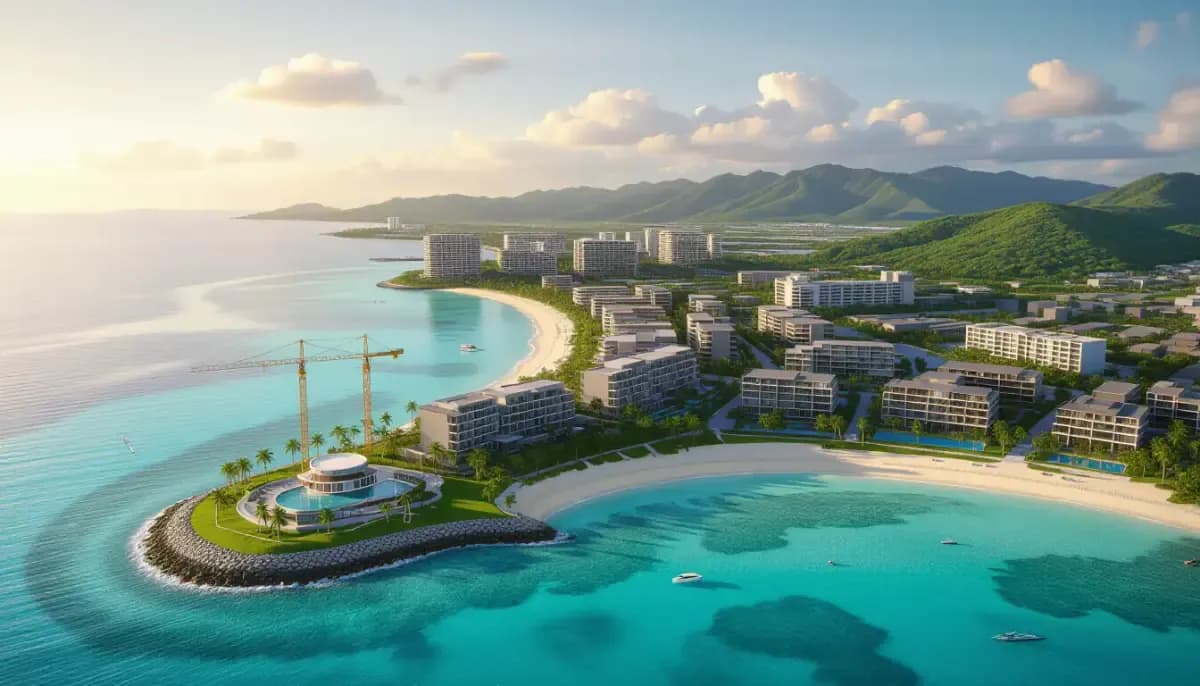
Okinawa New Development Projects and Growth Opportunities
Discover Okinawa's booming development landscape: JUNGLIA theme park, 264.7 billion yen government funding, Special Economic Zone tax incentives, and real estate growth opportunities for foreign investors in 2025 and beyond.
Read more →
American Village (Chatan) Area Property Guide
Complete guide to buying property in American Village (Chatan), Okinawa as a foreigner. Covers prices, neighborhoods, legal steps, investment potential, and expat living tips.
Read more →
Okinawa Property and Typhoon Weather Considerations
Buying property in Okinawa? Learn about typhoon season, RC construction standards, hazard maps, and the insurance coverage foreigners need for typhoon-proof homeownership.
Read more →
Miyako and Ishigaki Island Property Guide for Foreigners
Complete guide to buying property on Miyako and Ishigaki islands in Okinawa as a foreigner. Covers legal rights, prices, mortgages, buying process, and investment potential for these tropical Japanese islands.
Read more →
Okinawa Rental Property and Tourism Investment Guide
Complete guide to Okinawa rental property and tourism investment for foreign buyers. Covers Minpaku regulations, vacation rental yields, top investment areas, property management models, and tax obligations for non-resident investors.
Read more →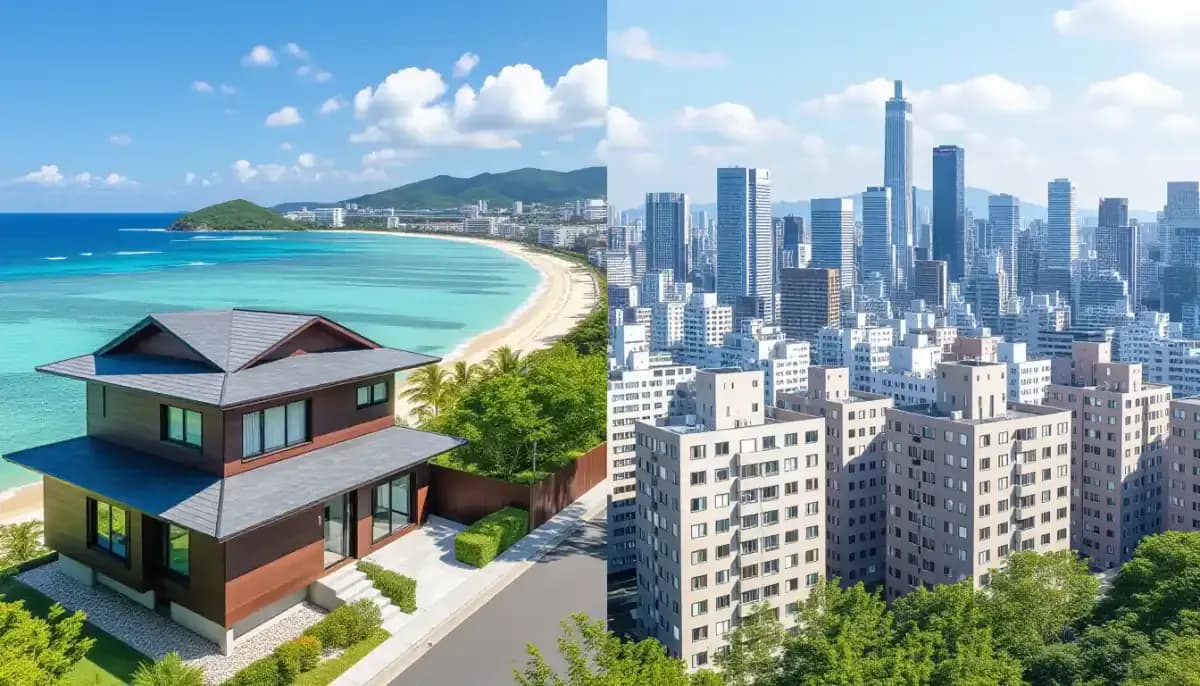
Okinawa vs Mainland Japan Property Comparison for Buyers
Comprehensive comparison of buying property in Okinawa vs mainland Japan. Explore prices, investment potential, lifestyle differences, and which location suits foreign buyers best in 2025.
Read more →