
Okinawa Property and Typhoon Weather Considerations

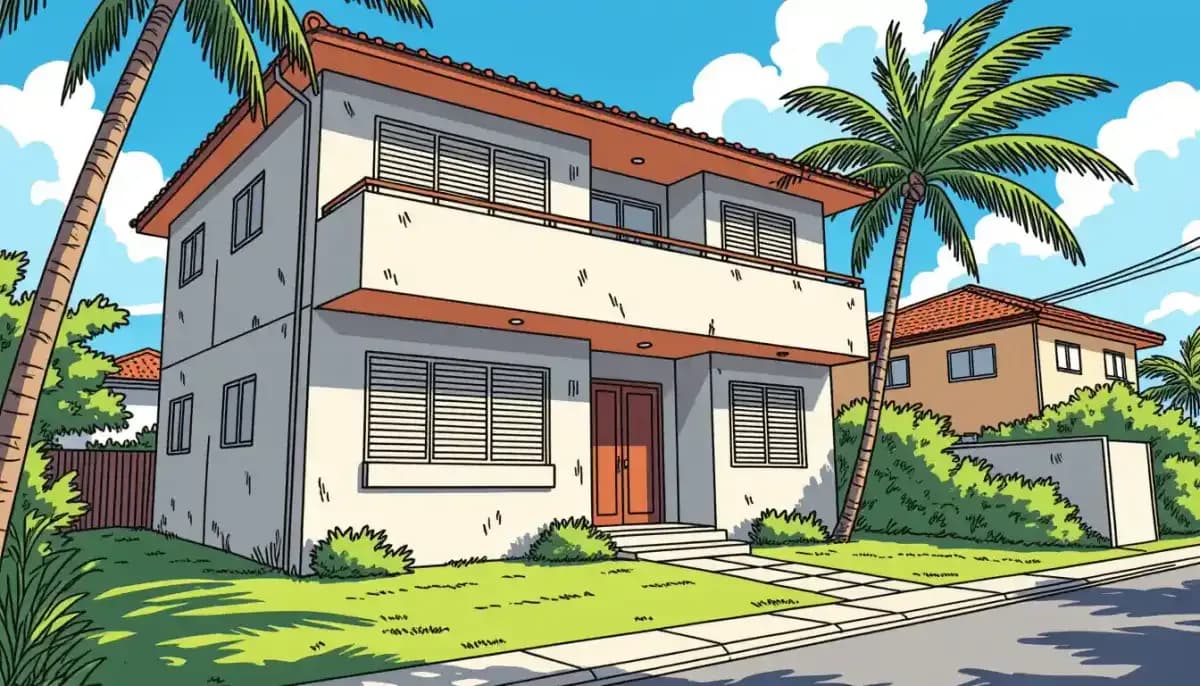
Buying property in Okinawa? Learn about typhoon season, RC construction standards, hazard maps, and the insurance coverage foreigners need for typhoon-proof homeownership.
Okinawa Property and Typhoon Weather Considerations: What Every Foreign Buyer Must Know
Okinawa is one of Japan's most alluring destinations for foreign property buyers. With its crystal-clear waters, subtropical climate, and relatively affordable real estate compared to Tokyo or Osaka, it's no wonder that expats and investors are increasingly drawn to this island paradise. However, buying property in Okinawa comes with a critical consideration that no buyer should overlook: typhoons.
Okinawa sits at the heart of the Pacific typhoon belt, making it the most typhoon-prone prefecture in all of Japan. On average, the islands experience 7–8 typhoons per year, and these storms can be powerful enough to cause significant property damage. Understanding how Okinawa's climate affects property selection, construction standards, and insurance requirements is not just helpful—it is essential for making a sound investment.
This guide walks you through everything you need to know about Okinawa's typhoon season, how it shapes local property construction, what insurance coverage you need, and how to evaluate properties with weather resilience in mind.
Understanding Okinawa's Typhoon Season
Okinawa's official typhoon season runs from June 1 to November 30, but the peak danger months are August and September. During this period, the Okinawa islands frequently find themselves in the path of typhoons forming in the western Pacific Ocean.
Unlike typhoons that hit mainland Japan, Okinawa storms often arrive with greater frequency and sometimes at higher intensity since the islands are closer to the typhoon's origin point. Winds can exceed 50 meters per second during severe storms, and storm surges pose a serious threat to coastal properties.
Key typhoon season facts for property buyers:
- Okinawa averages 7–8 typhoon approaches or direct hits per year
- Typhoon season overlaps with the rainy season (tsuyu), which runs May to June
- Even "weak" typhoons can cause flooding, roof damage, and broken windows
- Transportation, including flights and ferries, is frequently suspended during storms
- Power outages can last days after a severe typhoon
The official Okinawa travel guide on typhoon precautions notes that conditions can deteriorate rapidly and even post-storm coastal areas remain dangerous due to high waves and storm surges.
For expats considering a move to Okinawa, this climate reality should inform every aspect of property selection—from location to building materials to insurance policy details.
How Typhoons Have Shaped Okinawa's Construction Standards
Perhaps the most visible consequence of Okinawa's typhoon exposure is the island's distinctive built environment. Unlike mainland Japan, where wooden construction (mokuzou) remains common, Okinawa has developed a culture of typhoon-resistant building that sets it apart from every other Japanese prefecture.
Reinforced Concrete as the Standard
Approximately 80% of residential properties in Okinawa are built from reinforced concrete (RC)—a figure dramatically higher than Japan's national average. This shift happened gradually over the 20th century as repeated typhoon damage made the inadequacy of lighter construction unmistakably clear.
RC homes offer several advantages in typhoon conditions:
- Resistance to extreme wind loads
- Protection against flying debris impact
- Reduced fire risk in post-typhoon situations
- Greater longevity in Okinawa's humid, salt-air coastal environment
When evaluating properties, prioritize RC construction. Older wooden buildings or lightweight steel-frame structures (keishō steel) may be cheaper, but they carry significantly higher risk during typhoon season.
Traditional Ryukyuan Architectural Wisdom
Long before modern building codes, Okinawan builders developed the Ryukyuan architecture tradition specifically adapted to typhoon conditions. Key features include:
- Low-profile rooflines that reduce wind resistance
- Amahaji extended eaves that protect walls and windows from driving rain
- Hanaburokku (flower block) walls that allow wind to pass through garden walls rather than creating destructive pressure
- Heavy ceramic roof tiles (kawara) traditionally cemented in place rather than simply stacked
Modern homes in Okinawa often incorporate these traditional design principles alongside contemporary RC construction, creating buildings that are both beautiful and highly resistant to storm damage.
For a detailed look at climate-adaptive housing in Okinawa, Japan's National Institute for Environmental Studies maintains a database of climate adaptation measures that includes formal housing design guidelines established in 1997.
Property Location and Typhoon Risk
Not all Okinawa properties face equal typhoon risk. Location plays a critical role in determining how exposed a property will be during storms.
Coastal vs. Inland Properties
| Location Type | Typhoon Risk Factors | Considerations |
|---|---|---|
| Beachfront / Oceanfront | Storm surge, wave impact, salt erosion | Highest risk; requires premium insurance |
| Coastal hillside | Strong winds, potential landslides | Moderate-high risk; check hazard maps |
| Inland lowland | Flooding from rivers/drainage | Flood risk; check elevation |
| Elevated inland | Reduced flood/surge risk | Generally lower risk profile |
| Near mangroves | Natural storm buffer | Can reduce wave impact |
Properties within a few hundred meters of the coastline are most vulnerable to storm surges, which occur when typhoon-force winds push seawater onto land. In extreme cases, surge events can flood ground floors and cause catastrophic structural damage.
Before purchasing any coastal property in Okinawa, obtain the local hazard map (haza-do mappu) from the municipal office. These maps show flood zones, storm surge risk areas, landslide risk zones, and tsunami inundation areas. Understanding a property's hazard map designation is one of the most important steps in any Okinawa property purchase.
You can learn more about reading hazard maps in our guide on rural and countryside properties in Japan, which covers risk assessment in detail.
Insurance Requirements for Okinawa Property Owners
Insurance is where many foreign buyers—and even some Japanese buyers—get caught off guard. The Japanese insurance system distinguishes between several types of natural disaster coverage, and understanding what is and is not included in your policy is critical for Okinawa property ownership.
Fire Insurance (Kasai Hoken) — Mandatory
When financing a property through a Japanese mortgage, fire insurance is mandatory. This policy covers:
- Fire, lightning, and explosion damage
- Wind and typhoon damage (fuuryousai)
- Snow and hail damage
- Burst pipe water damage
- Flying/falling objects
- Vandalism and theft
The key point: standard fire insurance DOES cover typhoon wind damage. If your roof is damaged by typhoon winds, your windows are shattered by flying debris, or your exterior walls are damaged by the storm, this is typically covered.
However, fire insurance does NOT automatically cover flooding or storm surge damage.
Water Disaster Insurance (Suigai Hoken) — Separate Rider Required
For flood protection, you need to add a water disaster rider (suigaisai tokuyaku) to your fire insurance policy. This covers:
- Storm and flood damage from heavy rain
- Snowmelt flooding
- Storm surges
- Landslides and falling rocks
Critical caveat: Water disaster coverage has payout thresholds. To receive a payout, flooding must reach at least 45 centimeters above ground or floor level, AND property damage must total 30% or more of the replacement value. Minor flooding that damages personal belongings but doesn't reach these thresholds may not be covered.
For Okinawa property owners, this rider is strongly recommended given the island's exposure to both typhoon flooding and potential storm surges.
Earthquake Insurance — Optional But Important
Earthquake insurance is separate from both fire and water disaster coverage. While Okinawa is less seismically active than many parts of Japan, earthquakes do occur, and tsunami risk from offshore quakes is real. Given that the 2011 Tohoku earthquake generated tsunami warnings across all of Japan including Okinawa, many buyers choose to add earthquake coverage as well.
For a comprehensive breakdown of Japanese home insurance options, Realestate.co.jp's homeowners insurance guide provides an excellent overview.
Insurance Costs
Annual premiums vary widely depending on property size, location, age, and coverage selections. As a reference point, a 70-square-meter condominium built in 2021 in Japan carries annual premiums ranging from approximately ¥4,450 to ¥39,200 for five-year policies depending on the coverage package selected. Okinawa properties, especially coastal ones, are likely to sit at the higher end of premium ranges due to elevated risk.
For guidance on insurance and disaster preparation, see the typhoon and flood preparation guide at Living in Nihon and the disaster preparation guide at For Work in Japan.
Evaluating Properties: Typhoon Resilience Checklist
When viewing properties in Okinawa, use the following checklist to assess typhoon resilience:
Structural Assessment
- Construction type: Is it reinforced concrete (RC)? RC is strongly preferred over wood or light steel
- Roof construction: Are tiles cemented or simply stacked? Are there metal roof clips or reinforcing brackets?
- Window protection: Does the property have typhoon shutters (taifu shutter) or storm screens? Can they be operated easily?
- Exterior walls: Check for existing cracks, water infiltration marks, or salt damage—signs of previous storm damage
- Ground floor elevation: How high is the finished floor above ground level? Higher is better in flood/surge zones
Location Assessment
- Hazard map designation: Obtain from the local municipal office or online hazard map portal
- Proximity to coast: Under 200 meters from the beach carries significant storm surge risk
- Slope stability: Hillside properties in heavy-rain areas may have landslide risk
- Drainage: Is there adequate drainage infrastructure to handle heavy rain? Low-lying areas near rivers or drainage channels flood first
Building History
- Age and maintenance record: Has the property undergone regular typhoon damage repairs?
- Waterproofing: When was the roof and exterior waterproofing last renewed? In Okinawa's harsh UV and saltwater environment, waterproofing degrades faster than on the mainland
For buyers interested in the full property purchase process in Okinawa, our dedicated guide to buying property in Okinawa as a foreigner covers the complete purchasing process.
Living Through Typhoon Season as a Property Owner
Owning property in Okinawa means preparing for typhoon season as an annual reality. Here is what experienced residents do to protect their properties:
Before Typhoon Season (May-June)
- Inspect and repair roof waterproofing and exterior caulking
- Check and service typhoon shutters
- Trim trees and secure or remove garden furniture and outdoor items
- Confirm insurance policy coverage and contact details
- Stock emergency supplies: water, food, flashlights, portable chargers
When a Typhoon Warning is Issued
- Close and lock all typhoon shutters
- Bring in all outdoor items (plant pots, bicycles, anything that could become a projectile)
- Fill bathtubs and water containers in case of water supply disruption
- Charge all electronics and portable power banks
- Do NOT go outside once warning conditions are in effect
After the Typhoon
- Do NOT immediately go outside—conditions may still be dangerous
- Inspect the exterior carefully before entering any outbuildings or garages
- Document and photograph any damage for insurance claims
- Report damage to your insurance company promptly
The Gaijin Buy House guide on Okinawa property provides additional context on what foreign buyers should know about owning property in Okinawa, including seasonal maintenance considerations.
Okinawa Property: The Bottom Line on Typhoon Risk
Typhoons are not a reason to avoid buying property in Okinawa—they are simply a factor to build into your decision-making process. Thousands of expats and foreign property owners live comfortably in Okinawa, having made peace with typhoon season as a normal part of island life.
The keys to successful Okinawa property ownership in the context of typhoon risk are:
- Choose RC construction — preferably with typhoon shutters throughout
- Understand your hazard map — know your property's flood, landslide, and surge risk
- Get comprehensive insurance — mandatory fire insurance plus water disaster and earthquake riders
- Budget for maintenance — Okinawa's climate accelerates wear on roofs, waterproofing, and exterior materials
- Learn the preparedness routine — annual typhoon preparation is a part of local life
For the broader context of property investment in Japan, our complete guide to buying property in Japan as a foreigner and the section on property taxes and annual costs will help you understand the full financial picture.
With the right property, the right insurance, and the right preparation mindset, Okinawa's typhoon season becomes a manageable reality—and the island's extraordinary lifestyle and investment potential become even more compelling.

Originally from Vietnam, living in Japan for 16+ years. Graduated from Nagoya University, with 11 years of professional experience at Japanese and international companies. Sharing information about buying property in Japan for foreigners.
View Profile →Related Articles
Okinawa New Development Projects and Growth Opportunities
Discover Okinawa's booming development landscape: JUNGLIA theme park, 264.7 billion yen government funding, Special Economic Zone tax incentives, and real estate growth opportunities for foreign investors in 2025 and beyond.
Read more →
American Village (Chatan) Area Property Guide
Complete guide to buying property in American Village (Chatan), Okinawa as a foreigner. Covers prices, neighborhoods, legal steps, investment potential, and expat living tips.
Read more →
Miyako and Ishigaki Island Property Guide for Foreigners
Complete guide to buying property on Miyako and Ishigaki islands in Okinawa as a foreigner. Covers legal rights, prices, mortgages, buying process, and investment potential for these tropical Japanese islands.
Read more →
Okinawa Rental Property and Tourism Investment Guide
Complete guide to Okinawa rental property and tourism investment for foreign buyers. Covers Minpaku regulations, vacation rental yields, top investment areas, property management models, and tax obligations for non-resident investors.
Read more →
Okinawa vs Mainland Japan Property Comparison for Buyers
Comprehensive comparison of buying property in Okinawa vs mainland Japan. Explore prices, investment potential, lifestyle differences, and which location suits foreign buyers best in 2025.
Read more →
Okinawa Retirement Living and Property Guide for Foreigners
Complete guide to retiring in Okinawa as a foreigner: property prices, buying process, best neighborhoods, visa options, healthcare, and daily life tips for expat retirees.
Read more →