
Managing Japan Property Remotely: Complete Guide for Overseas Owners

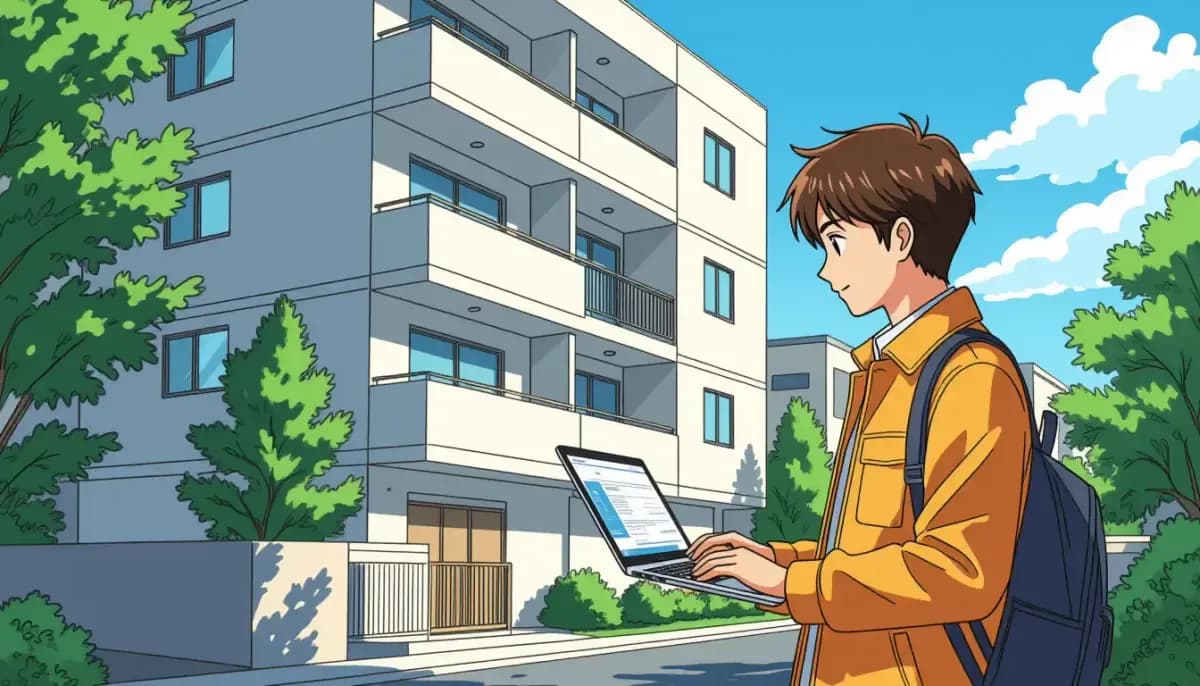
Complete guide to managing Japan property remotely as an overseas owner. Learn about bilingual management companies, tax obligations, digital tools, maintenance tips, and legal requirements for non-resident landlords.
Managing Japan Property Remotely: Complete Guide for Overseas Owners
Owning property in Japan as an overseas investor is an exciting opportunity — but managing it from abroad presents a unique set of challenges. From navigating Japanese bureaucracy and tax obligations to arranging maintenance and rent collection without being physically present, remote property management requires careful planning and the right local partners.
This guide covers everything you need to know about managing Japan property remotely, including how to choose a bilingual management company, legal requirements for non-residents, practical digital tools, and strategies to protect and grow your investment from anywhere in the world.
Why More Overseas Investors Are Buying Japan Property
Japan's real estate market has seen a dramatic surge in foreign buyer activity. Foreign investors now account for approximately 27% of property transactions nationwide, and up to 40% of new apartment sales in central Tokyo. Investment in residential assets by foreign entities grew 18% year-on-year, reaching JPY 740 billion ($5 billion USD) in 2024.
Several factors drive this trend:
- Weak yen: The yen has fallen over 35% against the US dollar since 1994, making Japanese properties extremely affordable in foreign currency terms.
- Stable legal framework: Japan allows foreigners to own property with no restrictions — freehold ownership, full title rights, and no expiry dates.
- Tourism boom: Record 42.7 million visitors arrived in Japan in 2025 with ¥9.5 trillion in annual spending, boosting short-term rental demand.
- Low vacancy risk in major cities: Tokyo, Osaka, and other major cities have robust rental markets with consistent tenant demand.
However, the same factors that make Japan attractive for investment also highlight why remote management is both necessary and complex for the growing class of overseas owners.
For a broader view of Japan's investment landscape, see our guide to Japan Real Estate Market Overview and Trends.
The Core Challenges of Remote Property Management in Japan
Managing Japanese property from overseas is not simply a matter of hiring a local agent. Several structural and legal factors make it distinctly more complicated than remote property management in most Western countries.
Language Barrier
Almost all official correspondence — tax bills, municipal notices, tenant communications, management reports — arrives in Japanese. Without bilingual support, non-Japanese-speaking owners can easily miss critical deadlines, leading to penalties, disputes, or unaddressed maintenance problems.
Mandatory Tax Representative
Japan law requires all non-resident property owners to appoint a tax representative (納税管理人). This person or company receives all tax correspondence on your behalf, makes payments when due, and ensures your compliance with annual property tax (固定資産税) and city planning tax (都市計画税) obligations.
Failure to appoint a tax representative can result in missed payment notices, late penalties, and complications with property records. Your judicial scrivener (司法書士), tax accountant (税理士), or property management company can serve in this role.
New Registration Requirement (April 2024)
Since April 2024, foreign property acquirers without a Japanese residential address are legally required to register a domestic emergency contact in the real estate registry. This contact — typically a management company or trusted local representative — assumes significant responsibility for ensuring the property complies with local regulations.
Overseas Remittances
Transferring rental income from Japan to an overseas bank account has become more complex due to anti-money laundering regulations. Japanese financial institutions now conduct stringent checks on international wire transfers, which can mean delays, identity verification requests, and documentation requirements each time you receive rent proceeds.
Property Deterioration Without Oversight
Japanese properties — especially older wooden houses — deteriorate rapidly without regular attention. High humidity, insects (termites in particular), and vegetation can cause serious structural damage within a single season if a property is left unmonitored.
For a full breakdown of what you'll pay each year, see our article on Property Taxes and Annual Costs of Owning Property in Japan.
Choosing the Right Japan Property Management Company
The most critical decision for remote owners is selecting a property management company. Not all Japanese property managers are equipped to work with overseas clients. You should verify three core capabilities before signing any agreement:
- Multilingual support: English (and ideally Chinese, Vietnamese, or Korean) communication for reports, contracts, and queries.
- Overseas remittance capability: The company must be able to transfer rental income to a foreign bank account efficiently.
- Tax and legal expertise: Knowledge of non-resident withholding taxes, property tax payment, and the new domestic contact registration requirements.
Management Fee Structures
| Fee Type | Typical Range | Notes |
|---|---|---|
| Monthly management fee (% of rent) | 5–10% | Most common structure for residential |
| Monthly flat fee | ¥20,000–¥80,000 | Better for stable, long-term tenants |
| Tenant placement fee | 1 month's rent | One-time on signing new lease |
| Lease renewal fee | ¥30,000–¥100,000 | Per renewal event |
| Setup/onboarding fee | ¥50,000–¥200,000 | One-time on starting management |
| Annual tax preparation | ¥100,000–¥300,000 | If handled by management company |
| Maintenance markup | 10–20% on contractor costs | On repair and maintenance work |
The national average for monthly property management and repair reserve funds combined is approximately ¥24,500 per unit (slightly higher in Tokyo at ~¥26,400).
Recommended Bilingual Management Companies
Several firms specialize in serving overseas property owners:
- PLAZA HOMES: Full English services across Tokyo, Osaka, and major metropolitan areas, with property acquisition support.
- Axios Management: Greater Tokyo luxury property specialist with advanced online reporting systems.
- wagaya Japan PM & L: Covers Tokyo, Kanagawa, Chiba, Saitama, Osaka, and Ehime with English and Chinese support (17,000+ managed properties).
For more guidance on property purchases, Living in Nihon's Japan Property Buying Guide provides comprehensive information for foreigners navigating the acquisition process.
Setting Up Remote Management: Step-by-Step
Once you've selected a management company, setting up an effective remote management system involves several practical steps.
Step 1: Open a Japanese Bank Account
Many management companies can deposit rent directly to an overseas account, but having a Japanese bank account significantly simplifies operations. It enables automatic payment of property taxes, condo association fees, utility bills, and repair costs without international transfer complications.
If you don't yet have a Japanese bank account, some management companies can establish one on your behalf as part of their services.
Step 2: Appoint a Tax Representative
Register your tax representative (納税管理人) with the relevant municipal tax office before your first property tax bill arrives. Your management company can typically handle this as an add-on service, or you can engage a specialist tax accountant.
Step 3: Set Up Mail Handling
Official tax notices, legal correspondence, and municipal communications are sent by post to the property address or your registered representative. Arrange for your representative to:
- Receive and scan all incoming mail
- Forward urgent documents electronically
- Pay tax bills and utility invoices promptly using automatic transfers or direct payment services
Some specialized companies offer full mail digitization services, converting physical mail to PDF and sending it to your email, often within 24 hours of receipt.
Step 4: Configure Financial Reporting
Establish monthly or quarterly financial reporting with your management company. Good reporting should include:
- Rent received and any arrears
- Management fees deducted
- Repair and maintenance costs
- Balance transferred to your account
- Currency conversion details
Request reports in your language and ask for a dedicated point of contact for all queries.
Step 5: Establish an Emergency Repair Fund
Maintain a reserve fund in Japan of at least ¥500,000–¥1,000,000 for emergency repairs. This prevents delays in addressing urgent maintenance issues due to international fund transfer times.
Technology Tools for Remote Management
Modern technology has significantly reduced the friction of overseas property management. Leading Japanese management firms now offer:
Online Portals and Mobile Apps
Many bilingual management companies provide owner portals with real-time access to:
- Rent payment status
- Maintenance request logs
- Financial statements and tax documents
- Tenant information and lease terms
IoT Property Monitoring
Smart home devices can provide peace of mind for properties that spend extended periods vacant:
- Smart locks: Allow remote access for cleaning services, inspectors, and management staff without physical key handovers.
- Water leak sensors: Alert your management company immediately if a pipe bursts or a water leak develops, preventing extensive damage.
- Humidity/temperature monitors: Essential for properties in humid climates — can alert to conditions that promote mold growth or structural damage.
- Security cameras (exterior): Deter vandalism and provide evidence in the event of damage disputes.
Mail Digitization Services
Companies like Traveling Mailbox and Japan-based equivalents scan and email physical mail, ensuring you never miss a tax notice or official letter sent to your Japan property address.
For further guidance on technology and infrastructure for life and property in Japan, see For Work in Japan's Housing and Infrastructure Guide.
Tax Obligations for Non-Resident Property Owners
Understanding and managing your Japanese tax obligations is critical for overseas owners. Failure to comply can result in penalties, back taxes, and complications when you eventually sell the property.
Property Taxes (Annual)
Every property owner in Japan pays two annual taxes:
- Fixed Asset Tax (固定資産税): Assessed on the officially appraised value of your land and building; standard rate is 1.4%.
- City Planning Tax (都市計画税): Applies to properties in urban planning zones; standard rate is 0.3%.
These bills arrive in April–June and can be paid in lump sum or up to 4 installments.
Rental Income Tax
Non-resident landlords are subject to 20.42% withholding tax on gross rental income (including the 2.1% reconstruction surtax). Your tenant or management company may be required to withhold this amount and pay it directly to the tax office.
You must file an annual Japanese income tax return even as a non-resident if you earn rental income in Japan. Many overseas owners engage a Japanese tax accountant (税理士) to handle this filing.
Capital Gains Tax on Sale
If you sell your property, capital gains are taxed at:
- Short-term (held ≤5 years): 39.63% (national + local taxes)
- Long-term (held >5 years): 20.315%
For a comprehensive cost overview including taxes and fees, see our article on Hidden Costs and Fees When Buying Property in Japan.
Maintaining Your Property Remotely
Regular maintenance is essential to preserve the value of Japanese property, which is notorious for aging rapidly without upkeep. Establish a maintenance schedule with your management company:
Routine Inspections
Schedule professional inspections at least once or twice a year, with reports and photos sent to you. Inspectors should check:
- Roof and gutters (especially after typhoon season, August–October)
- Plumbing and drainage
- Air conditioning filters and units
- Exterior paint and sealing
- Garden or vegetation if applicable
Long-Term Repair Budget
For detached houses, plan for approximately ¥5–8 million in major repairs over a 30-year period, including:
| Repair Type | Typical Interval | Estimated Cost |
|---|---|---|
| Exterior walls and roof | Every 10–15 years | ¥1.5–3 million |
| Plumbing replacement | Every 20–30 years | ¥800,000–2 million |
| Termite treatment | Every 5 years | ¥100,000–300,000 |
| Flooring and interior | Every 10–20 years | ¥500,000–1.5 million |
| Air conditioning units | Every 10–15 years | ¥200,000–500,000 |
Condominium owners pay into a building repair reserve fund (修繕積立金) monthly, which covers major structural repairs.
For a full overview of ownership costs, see Property Taxes and Annual Costs of Owning Property in Japan.
Managing Vacant Properties Remotely
If your property is not rented out, vacant property management presents its own challenges. Japanese properties deteriorate significantly faster when unoccupied due to humidity, lack of ventilation, insects, and vegetation growth.
Key steps for vacant property management:
- Monthly checks: Arrange for your management company or a trusted local contact to visit and air out the property monthly.
- Utility connections: Keep water and electricity connected to enable regular flushing of pipes and use of ventilation systems.
- Seasonal maintenance: Schedule post-typhoon inspections (September–October) and pre-winter checks in northern regions.
- Vacant property insurance: Standard Japanese home insurance typically covers fire and natural disaster, but confirm your policy covers unoccupied properties — some insurers require notification if a property will be vacant for more than 30 consecutive days.
For more information on the types of properties available and their specific maintenance needs, see our guide to Types of Properties Available in Japan.
Renting Out Your Japan Property: Key Considerations
If you intend to rent out your property while living overseas, here are the critical points to establish:
Tenant Screening
Japanese tenants are typically screened for employment stability, income (usually 3x monthly rent minimum), and guarantor status. Management companies handle this process, but ensure your contract specifies the screening criteria you require.
Lease Terms
Standard Japanese residential leases run for 2 years and can be renewed or converted to fixed-term contracts. Fixed-term leases (定期借家契約) cannot be renewed automatically and give landlords more control over reclaiming the property.
Short-Term Rentals (Minpaku)
Operating a registered minpaku (民泊) — Japanese short-term rental — is possible for overseas owners but requires:
- Local management company to handle guest operations
- Minpaku registration with the local municipality
- Compliance with the Minpaku New Law (2018)
- Maximum 180 nights per year for standard minpaku registrations
For a comprehensive look at minpaku and the rental business landscape, see Gaijin Buy House's Property Management Guide.
Summary: Building Your Remote Management System
Successfully managing Japan property remotely requires building a reliable team of local specialists:
| Role | Provider | Key Function |
|---|---|---|
| Property manager | Bilingual management company | Tenant relations, rent collection, maintenance |
| Tax representative | Tax accountant or management company | Tax filings, payment of taxes |
| Emergency contact | Management company or trusted person | Legal registration, urgent decisions |
| Financial advisor | International tax specialist | Cross-border tax optimization |
| Insurance broker | Japanese insurer or international broker | Property and liability coverage |
With the right team in place, overseas property ownership in Japan can be genuinely passive — delivering reliable rental income and long-term capital appreciation while you manage everything from a laptop screen.
For comprehensive guidance on the complete buying process, start with our Step-by-Step Home Buying Process in Japan for Foreigners.
For additional resources on seamless overseas investment management, GoConnect's Guide to Property Management for Overseas Investors offers a practical overview of current best practices.

Originally from Vietnam, living in Japan for 16+ years. Graduated from Nagoya University, with 11 years of professional experience at Japanese and international companies. Sharing information about buying property in Japan for foreigners.
View Profile →Related Articles
Common Challenges and Solutions for Overseas Japan Property Owners
Discover the 7 biggest challenges overseas Japan property owners face — from withholding tax to remote management — and practical solutions to overcome each one.
Read more →
Property Management Technology and Tools for Japan Owners
Complete guide to property management technology tools for overseas Japan property owners — PMS software, owner portals, smart home tech, financial tools, and rental platforms to manage your Japanese property from abroad.
Read more →
Power of Attorney for Japan Property Management
Complete guide to power of attorney for Japan property management as a foreigner. Learn how to create a valid POA, choose a representative, meet tax obligations, and manage your property remotely.
Read more →
Banking Requirements for Overseas Japan Property Owners
Complete guide to Japanese banking requirements for overseas property owners: non-resident accounts, mortgages, fund transfers, tax obligations, and practical strategies for managing Japan real estate remotely.
Read more →
Seasonal Property Care Guide for Overseas Owners in Japan
Complete seasonal property care guide for overseas owners in Japan. Spring inspections, rainy season mold prevention, typhoon prep, winter pipe protection, and year-round maintenance costs — everything you need to manage your Japan property remotely.
Read more →
Property Maintenance and Remote Monitoring in Japan
Complete guide to property maintenance and remote monitoring in Japan for foreign owners. Learn about smart home tech, management companies, caretaker services, and legal requirements for overseas property owners.
Read more →