
Fire Insurance (Kasai Hoken) for Japan Homeowners

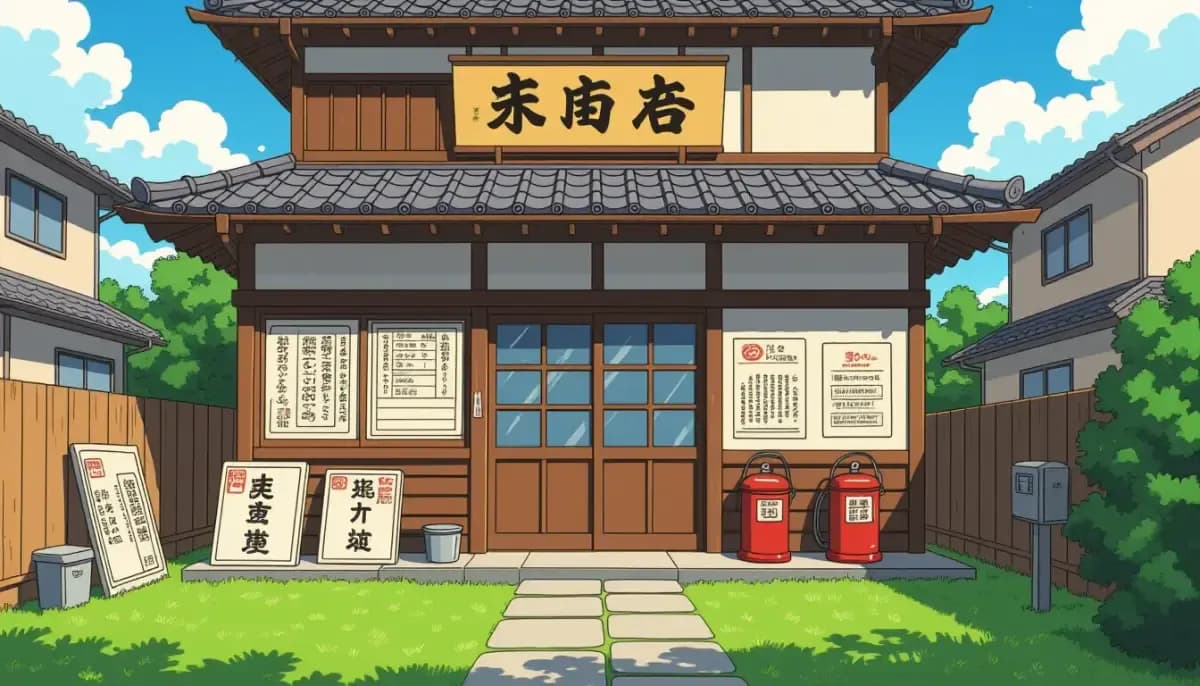
Learn everything about kasai hoken (火災保険) fire insurance in Japan: what it covers, costs, earthquake insurance add-ons, and how foreigners can purchase the right policy for their Japanese property.
Fire Insurance (Kasai Hoken) for Japan Homeowners: The Complete Guide for Foreigners
Owning a home in Japan is an exciting milestone, but it comes with important responsibilities—one of the most critical being fire insurance, known in Japanese as kasai hoken (火災保険). Despite its name, kasai hoken covers far more than just fire damage; it is the cornerstone of home protection in Japan, covering everything from typhoon damage to water leaks and theft. For foreign homeowners navigating an unfamiliar insurance landscape, understanding kasai hoken is essential before you finalize your property purchase.
Japan experiences approximately 4.5 fires every single hour, making fire insurance not just a legal formality but a genuine financial safety net. In this guide, we'll walk you through everything you need to know: what kasai hoken covers, how much it costs, how to choose the right policy as a foreigner, and why pairing it with earthquake insurance (jishin hoken) is strongly recommended.
For a broader look at the costs of owning property in Japan, see our guide on Property Taxes and Annual Costs of Owning Property in Japan.
What Is Kasai Hoken (火災保険)?
Kasai hoken literally translates as "fire insurance," but the name is misleading—this is a comprehensive home insurance policy that protects your property against a wide range of risks. When you purchase a home in Japan, your lender will almost certainly require you to hold kasai hoken as a condition of your mortgage.
What Does Kasai Hoken Cover?
A standard kasai hoken policy typically covers:
- Fire, smoke, and explosion damage
- Lightning strikes
- Wind, hail, and snow damage (from typhoons and winter storms)
- Flooding and water leaks (from burst pipes or leaking appliances)
- Theft and burglary
- Accidental breakage from daily life activities
- Water damage from neighboring units (important in condominiums)
One of the most important quirks of Japanese law is that neighbors are generally not held liable for fires that spread from their property to yours under Japan's fire liability law (失火責任法). This means if your neighbor's kitchen catches fire and damages your home, they typically have no legal obligation to compensate you. Having your own kasai hoken policy is therefore essential—do not assume that someone else's insurance will cover your losses.
What Kasai Hoken Does NOT Cover
Notably absent from kasai hoken coverage:
- Earthquake damage (requires separate jishin hoken)
- Tsunami damage
- Volcanic eruption damage
- War or civil conflict damage
- Natural aging and construction defects
- Gross negligence by the policyholder
This distinction is critical for Japan, which sits on the Pacific Ring of Fire and experiences frequent seismic activity. For more on the legal aspects of property ownership, see our guide on Legal Procedures and Documentation for Japan Property Purchase.
Building Structure Classifications and How They Affect Your Premium
One of the most significant factors affecting your kasai hoken premium is the construction type of your property. Japanese insurers classify buildings into three categories:
| Structure Type | Description | Relative Cost |
|---|---|---|
| M-Structure (M構造) | Reinforced concrete condos and apartments | Cheapest |
| T-Structure (T構造) | Fire-resistant homes; steel-frame or reinforced timber | Mid-range |
| H-Structure (H構造) | Traditional wooden homes | Most expensive |
Wooden homes (H-Structure) present the greatest fire risk and therefore carry the highest premiums—sometimes double or triple those of concrete condominiums. If you are considering buying an older traditional home, factor this into your annual ownership cost calculations.
For more information on the types of properties available in Japan, see our article on Types of Properties Available in Japan: A Complete Guide.
How Much Does Kasai Hoken Cost?
Premiums vary considerably depending on property type, location, and coverage options. Here is a general breakdown of annual costs:
| Coverage Type | Annual Cost Range (¥) | Notes |
|---|---|---|
| Fire insurance (concrete condo) | ¥10,000 – ¥20,000 | M-Structure rates |
| Fire insurance (wooden house) | ¥20,000 – ¥40,000 | H-Structure rates |
| Earthquake insurance | ¥7,300 – ¥27,500 | Varies by region and structure |
| Contents insurance | ¥2,500+ | Optional but recommended |
| Total (comprehensive) | ¥20,000 – ¥50,000+ | Full package estimate |
Wooden homes in earthquake-prone regions like Tokyo or Osaka can push comprehensive premiums significantly higher. Urban locations generally cost more than rural areas, and older properties tend to have elevated rates.
Cost reduction tip: Many insurers offer discounts for multi-year policies (up to 10 years), new construction, and properties with fire suppression systems. Cooperative-type insurance (kyosai) is significantly cheaper than private insurance but offers more limited coverage.
For a full picture of what owning property in Japan costs annually, see our guide on Hidden Costs and Fees When Buying Property in Japan.
Earthquake Insurance (Jishin Hoken): Why You Should Add It
Japan is one of the world's most seismically active countries, and earthquake insurance (jishin hoken/地震保険) is the essential companion to kasai hoken. Here are the key rules:
- Jishin hoken cannot be purchased on its own—it must be added as a rider to a kasai hoken policy
- The insured amount under earthquake insurance must be 30–50% of your fire insurance coverage limit
- Japan's government backs earthquake insurance through a public-private reinsurance system, making it more affordable and stable than pure private coverage
- It covers earthquake, volcanic eruption, and tsunami damage—all excluded from kasai hoken
Claims under jishin hoken are assessed in three tiers:
- Total Loss (全損): 100% of the insured amount paid
- Half Loss (半損): 50% payout
- Partial Loss (一部損): 5% payout
Given Japan's seismic reality, skipping earthquake insurance as a homeowner is a significant financial risk. For more on buying property safely in Japan, see our Step-by-Step Home Buying Process in Japan for Foreigners.
For more detailed guidance on home insurance and warranty systems in Japan, visit Gaijin Buy House's comprehensive insurance guide.
Kasai Hoken for Condominiums vs. Houses
Whether you buy a condominium (mansion) or a detached house (ikkodate) significantly affects how you approach fire insurance:
Condominiums
- The management association (kanri kumiai) typically holds insurance for shared areas (hallways, exterior walls, elevators)
- As an individual unit owner, you insure your unit interior and personal contents only
- M-Structure classification applies, keeping premiums lower
- Water leak coverage is especially important—leaks from upper floors are a common claim type
Detached Houses
- You are responsible for insuring the entire building, including exterior features like gates, fences, carports, and storage sheds
- H-Structure or T-Structure rates apply depending on construction materials
- You have more flexibility to customize coverage amounts and riders
How to Purchase Kasai Hoken as a Foreigner in Japan
Purchasing fire insurance in Japan as a foreign resident is straightforward, but you will need to prepare the right documents and understand some nuances.
Required Documents
- Valid residence card (在留カード) or passport
- Proof of address (residence certificate/juminhyo or utility bill)
- Property details: floor area, construction year, and building structure classification
- Building floor plans (if available)
- Japanese bank account for premium payments
English-Language Support
Most major Japanese insurers conduct business in Japanese, but the following options are available to foreign residents:
- Tokio Marine Nichido – Japan's largest insurer; has some international service capabilities
- Sompo Japan – Strong overseas network; more flexible underwriting for non-residents
- AIG Japan – Offers English-language support for international clients
- Bilingual insurance brokers – Highly recommended for foreigners; they can navigate paperwork and ensure you get appropriate coverage
For guidance on navigating Japanese systems as a foreigner, see Living in Nihon's comprehensive expat resources and For Work in Japan's housing guides.
Where to Buy
- Directly from an insurance company – Best for custom coverage; requires Japanese language ability
- Through your mortgage bank – Many banks bundle kasai hoken with home loans; convenient but may not be the cheapest
- Through a real estate agent – Often arranged at contract signing; double-check the policy details carefully
- Online comparison sites (hikaku sites) – Allow you to compare multiple insurers; some offer English interfaces
Important: If your real estate agent or bank is arranging insurance on your behalf, you are not obligated to use their recommended provider. You have the legal right to choose your own insurer.
Claims Process: What to Do If Damage Occurs
If your property sustains damage covered by your kasai hoken policy, follow these steps:
- Report immediately – Contact your insurer as soon as possible after the damage occurs
- Document everything – Take extensive photos and video of all damage before making any repairs
- Emergency repairs – You may make emergency repairs to prevent further damage; keep all receipts
- Wait for inspection – The insurer will send an adjuster to assess the damage; do not make permanent repairs before this visit
- Submit claim forms – Complete the required paperwork (often in Japanese; seek help if needed)
- Receive settlement – Once approved, payouts arrive via bank transfer
Claims with kasai hoken are categorized as:
- Full loss: 100% of insured amount
- Half loss: 50% payout
- Partial loss: 5% payout
For resources on living in Japan as a homeowner, Eco House Japan's fire insurance guide and MailMate's property insurance overview are both excellent references.
Key Tips for Foreign Homeowners
- Never skip earthquake insurance – The additional cost is modest compared to the risk in Japan's seismic environment
- Check your building structure classification – Ensure your insurer has correctly categorized your property; errors can affect your premiums and coverage
- Consider contents coverage – Household goods (kaden hoken) are not automatically included; add this rider if you have valuable possessions
- Review your policy annually – Coverage needs change as your home ages; reassess after major renovations
- Work with bilingual professionals – For complex properties or first-time buyers, a bilingual insurance broker is invaluable
- Don't just accept the bank's bundled insurance – Shop around; you can often find better rates independently
For more on the full process of purchasing property in Japan, visit our Complete Guide to Buying Property in Japan as a Foreigner.
Summary
Kasai hoken is an essential component of homeownership in Japan. While the name says "fire insurance," the coverage extends to typhoons, floods, theft, water damage, and more. As a foreign homeowner, you have full access to Japan's insurance market—but navigating it effectively requires understanding the building classification system, the critical role of earthquake insurance, and the documentation requirements for foreign residents.
The key takeaways:
- Kasai hoken covers most disasters but explicitly excludes earthquakes—always add jishin hoken
- Building structure (wooden vs. concrete) is the biggest driver of premiums
- Foreigners can purchase kasai hoken with a residence card and Japanese bank account
- Your neighbors are not liable for fires they cause under Japanese law—your own coverage is your only protection
- Annual costs range from ¥20,000 to ¥50,000+ depending on property type and location
With the right policy in place, you can enjoy your Japanese home with confidence knowing that you are protected against the unexpected.

Originally from Vietnam, living in Japan for 16+ years. Graduated from Nagoya University, with 11 years of professional experience at Japanese and international companies. Sharing information about buying property in Japan for foreigners.
View Profile →Related Articles
Natural Disaster Insurance Coverage Gaps in Japan
Discover dangerous coverage gaps in Japan's natural disaster insurance system — earthquake, flood, and typhoon risks foreign property owners frequently overlook, with practical steps to protect yourself.
Read more →
Japan Property Insurance Renewal and Annual Review Guide
A complete guide to reviewing and renewing property insurance in Japan as a foreign owner. Covers fire insurance, earthquake insurance, the 2025 policy term changes, costs, and annual review checklists.
Read more →
Insurance for Vacant Properties and Akiya in Japan
Learn how to insure your akiya or vacant property in Japan as a foreigner. Covers fire insurance, earthquake coverage, costs, providers, and tips for non-residents.
Read more →
Japan Property Insurance Exclusions and Limitations to Know
Learn what Japan property insurance does NOT cover: earthquake damage, flood exclusions, basement flooding, commercial use limits, and more. Essential guide for foreign buyers.
Read more →
Japan Property Insurance Companies: Comparison for Foreigners
Compare Japan's top property insurance companies for foreigners. Learn about fire insurance, earthquake insurance costs, English-friendly providers, and how to apply as an expat.
Read more →
How to File an Insurance Claim in Japan: Property Owner Guide
Step-by-step guide to filing property insurance claims in Japan for foreigners. Learn Japan's three-tier damage system, required documents, language tips, and non-resident claim strategies.
Read more →