
Kamakura Property Guide for Foreign Buyers

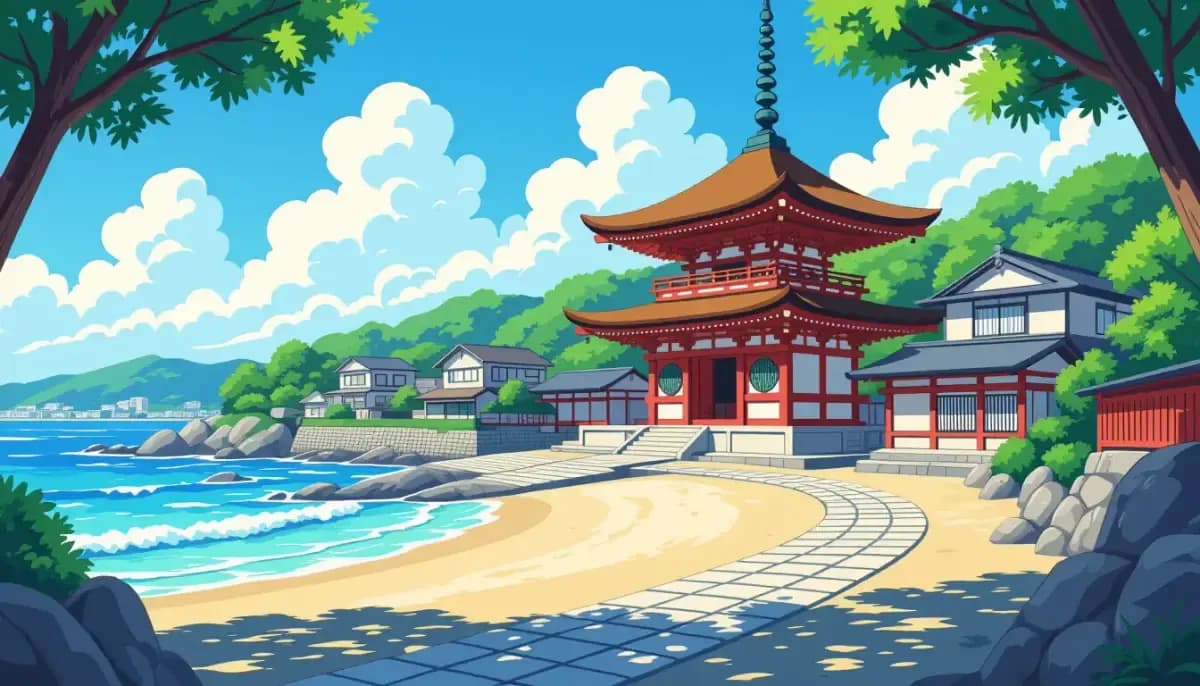
Complete guide to buying property in Kamakura as a foreigner. Covers prices, neighborhoods, legal process, costs, and tips for expats buying in Kamakura, Japan.
Kamakura Property Guide for Foreign Buyers
Kamakura is one of Japan's most coveted addresses — a seaside city steeped in samurai history, dotted with ancient Zen temples, and framed by mountain trails that spill down to turquoise Pacific beaches. For foreign buyers seeking a home within striking distance of Tokyo yet worlds away from its urban density, Kamakura offers a rare combination of lifestyle, culture, and long-term value. This comprehensive guide walks you through everything you need to know about buying property in Kamakura as a foreigner.
Why Foreigners Are Choosing Kamakura
Situated in Kanagawa Prefecture, roughly 50 kilometers south of central Tokyo, Kamakura has long attracted artists, writers, and weekenders. But since the pandemic accelerated remote work adoption, it has become a genuine "Zoom-town" — a desirable relocation destination for younger professionals and families who no longer need to commute daily. This shift has driven property demand upward, making early entry into the market increasingly attractive.
The city's appeal is multi-layered:
- Cultural richness — Over 180 temples and shrines including the iconic Great Buddha (Kotoku-in)
- Natural beauty — Beaches at Yuigahama and Shichirigahama, hiking trails through Kamakura Alps
- Tokyo accessibility — 50–60 minutes to Shinjuku or Shibuya via Yokosuka or Shonan-Shinjuku lines
- Established expat community — A long history of foreign residents, particularly artists and academics
- Quality of life — Lower crime, walkable neighborhoods, fresh seafood markets, craft cafés
Foreign buyers are not restricted from purchasing property in Japan. Under Japanese law, non-citizens and non-residents can buy land and buildings with the same rights as Japanese nationals. You do not need a visa, residency status, or special permits to complete a purchase. This open framework makes Kamakura an accessible market for international buyers.
For a broader overview of legal rights, see our guide: Can Foreigners Buy Property in Japan? Legal Rights and Restrictions
Kamakura Property Market Overview
Kamakura's real estate market is smaller and more premium than neighboring Yokohama or Tokyo's suburban corridors. Supply is naturally constrained by geography — the city is hemmed in by forested hills on three sides and the ocean on the fourth — making land scarce and prices relatively resilient.
Price Ranges (2025 Data)
| Property Type | Location | Size | Price Range (JPY) | Price Range (USD approx.) |
|---|---|---|---|---|
| Entry-level house | Inland, older build | 70–90 m² | ¥40M – ¥70M | $270K – $470K |
| Mid-range house | Central / Yuigahama area | 100–150 m² | ¥80M – ¥180M | $540K – $1.2M |
| Premium new-build | Shichirigahama / sea view | 150–200 m² | ¥180M – ¥400M | $1.2M – $2.7M |
| Ultra-premium | Shichirigahama oceanfront | 250 m²+ | ¥500M – ¥1.2B | $3.3M – $8M |
| Apartment (mansion) | Near station | 50–80 m² | ¥25M – ¥60M | $170K – $400K |
| Akiya (abandoned home) | Outlying areas | Varies | ¥5M – ¥25M | $33K – $170K |
Active listings on platforms like realestate.co.jp typically show 50–70 properties at any given time, reflecting the tight supply. Note that benchmark pricing in Kamakura runs at around ¥500,000 per square meter in central areas — comparable to premium Tokyo districts.
Property values in Kamakura have shown notable resilience. Unlike many regional Japanese markets affected by depopulation, Kamakura benefits from sustained demand from Tokyo professionals, second-home buyers, and foreign residents.
Top Neighborhoods in Kamakura for Foreign Buyers
Kamakura is not a single uniform neighborhood — it comprises distinct districts with very different characters, price points, and access profiles.
Kamakura City Center (Komachi / Hachimangu Area)
The historic core, walking distance from Kamakura Station, offers the most urban amenities: restaurants, shops, international supermarkets, and easy train access. Properties here are limited but command premium prices. Best for buyers who prioritize convenience and cultural immersion.
Yuigahama and Zaimokuza (Beach Districts)
Coastal neighborhoods with direct beach access. Yuigahama has a bohemian surf culture; Zaimokuza is quieter and more residential. High demand from lifestyle buyers. Expect to pay a significant premium for ocean-view properties.
Shichirigahama and Inamuragasaki
The most prestigious coastal corridor. Shichirigahama offers sweeping views of Sagami Bay and Mount Fuji on clear days. Many high-profile Japanese celebrities and executives own here. Prices are the highest in Kamakura. Served by the Enoden line (charming but slower access to Tokyo).
Ofuna and Kita-Kamakura
More practical, less glamorous options. Ofuna has direct shinkansen access at Shin-Yokohama and good local shopping. Kita-Kamakura (North Kamakura) offers a serene, temple-filled environment popular with those seeking traditional atmosphere at slightly lower prices.
Ogigayatsu and Inland Hills
Quieter residential neighborhoods away from the tourist crowds. Larger land plots, more space for families. Ideal for buyers who want more property for their budget and don't mind a longer walk to the station.
For context on the broader Kanagawa region, read: Buying Property in Yokohama and Kanagawa as a Foreigner
Step-by-Step Buying Process in Kamakura
Buying property in Kamakura follows Japan's standard real estate process, which is well-regulated and straightforward — though all official documentation is in Japanese. Plan for 60–90 days from agreement to completion.
Step 1: Define Your Budget and Financing
Determine your total budget including purchase price and transaction costs (add 5–6%). If you need a mortgage, pre-qualify before property hunting. Many Japanese banks (including Suruga Bank and some regional institutions) offer home loans to foreign residents. Non-residents face more limited options — some require a Japanese guarantor.
For full mortgage guidance: Mortgages and Home Loans for Foreigners in Japan
Step 2: Engage a Licensed Real Estate Agent
Work with a licensed fudosan (不動産) agent who has experience with foreign buyers. The agent fee is legally capped at 3% of purchase price + ¥60,000 + 10% consumption tax, paid by the buyer. Ask specifically about Kamakura specialists — local knowledge of flood risk, road access, and neighborhood dynamics is invaluable.
Step 3: Property Search and Inspection
View multiple properties. In Kamakura's hilly terrain, factor in:
- Walk time from station (affects daily commute and resale value)
- Natural disaster risk (landslide, tsunami, flood zones — check the city hazard maps)
- Building age and condition (older homes may need significant renovation)
- Proximity to tourist areas (can increase noise and foot traffic)
Step 4: Letter of Intent and Due Diligence
Once you identify a property, submit a letter of intent. Your agent will provide a jyuyo jikou setsumei (重要事項説明) — an important matters explanation document — that details all legal encumbrances, zoning, access rights, and known defects. Have this translated by a professional.
Step 5: Sales Contract and Earnest Money
Sign the baibai keiyaku (売買契約). At signing, pay earnest money (tetsukukin) of 5–10% of purchase price in cash. This is non-refundable if you withdraw without cause. The seller also forfeits double this amount if they withdraw.
Step 6: Settlement and Registration
Pay the remaining balance at settlement. A judicial scrivener (shiho shoshi) handles title registration. Budget ¥100,000–¥150,000 for their fee. Title transfer is registered with the local Legal Affairs Bureau.
Step 7: Post-Purchase Reporting
If you are a non-resident, you must report the acquisition to the Bank of Japan within 20 days under the Foreign Exchange and Foreign Trade Control Act. Your agent or judicial scrivener can assist.
Full process details at: Step-by-Step Home Buying Process in Japan for Foreigners
Costs and Taxes to Budget For
Beyond the purchase price, factor in these transaction costs and ongoing expenses:
| Cost Item | Amount |
|---|---|
| Agent commission | 3% + ¥60,000 + consumption tax |
| Registration and license tax | ~2% of assessed value |
| Real estate acquisition tax | 1.5% (land) to 4% (buildings) |
| Judicial scrivener fee | ¥100,000 – ¥150,000 |
| Stamp duty | ¥10,000 – ¥480,000 (varies by price) |
| Building inspection | ¥50,000 – ¥100,000 |
| Total transaction costs | ~5–6% of purchase price |
Annual ongoing costs include:
- Fixed asset tax (固定資産税): ~1.4% of assessed value annually
- City planning tax: ~0.3% of assessed value annually
- Maintenance and HOA fees (for apartments/condos): ¥15,000 – ¥40,000 per month
- Building management: Variable for detached houses
For a full breakdown: Property Taxes and Annual Costs of Owning Property in Japan and Hidden Costs and Fees When Buying Property in Japan
Unique Considerations for Kamakura Property
Building Restrictions
Kamakura is a nationally designated historic and scenic preservation area. This means significant restrictions apply to new construction and renovation — particularly in areas around temples, shrines, and the coastal zone. Height limits, setback requirements, and facade regulations are stricter than typical Japanese municipalities. Always check zoning restrictions before purchasing a property you plan to renovate extensively.
Disaster Risk Zones
Despite its beauty, parts of Kamakura carry elevated natural disaster risk:
- Landslide zones: The surrounding hills have triggered landslides historically. The Kamakura City hazard map (hazard map) identifies high-risk slopes.
- Tsunami inundation zones: Coastal areas below ~5m elevation are designated tsunami risk zones. Check the city's tsunami hazard map.
- Flood plains: The Namerigawa and Sakaigawa river valleys have recorded flooding.
Request the seller's hazard zone disclosure and cross-check with the Kamakura City official hazard maps before finalizing any purchase.
Akiya Opportunities
Like many Japanese cities, Kamakura has a growing inventory of akiya (空き家) — vacant and abandoned properties, particularly in older inland neighborhoods. These can be purchased at a fraction of typical prices but often require substantial renovation investment. The Japanese government's push to address the akiya problem has created new financing and subsidy programs. Platforms like AkiyaMart list available properties.
Renovation Costs
Older Japanese homes (pre-1981 seismic code) may require anti-seismic (taishin) reinforcement. Budget ¥500,000 – ¥3,000,000 for structural upgrades depending on the home's condition. Factor in the Kamakura building restriction environment — some renovations will require additional permits and may face aesthetic guidelines.
Foreign Buyer Resources and Community
Kamakura has a well-established international community that makes settling in relatively smooth. Several resources cater specifically to foreign property buyers in Japan:
- Living in Nihon — A comprehensive resource for foreigners navigating life and real estate in Japan, including property purchasing guides
- For Work in Japan — Helpful for understanding visa and residency options that affect your purchase eligibility and mortgage access
- Gaijin Buy House — Dedicated resource for foreigners buying real estate in Japan with regional guides
- Housing Japan — English-language real estate agency with Kamakura market expertise
- Solid Real Estate Japan — Bilingual agency with specific Kamakura listings
Kamakura also has active expat communities on Facebook and Meetup where residents share agent recommendations, neighborhood insights, and legal advice — invaluable for first-time buyers.
Renting vs. Buying in Kamakura: What Makes Sense?
Before committing to a purchase, consider whether renting first makes strategic sense:
| Factor | Renting | Buying |
|---|---|---|
| Initial cash required | 4–6 months rent (deposit + fees) | 5–6% of purchase price |
| Market knowledge needed | Low | High (recommended to explore first) |
| Flexibility | High | Low |
| Long-term value | No equity building | Equity accumulation |
| Renovation freedom | Limited | Full (subject to permits) |
| Access to hazard maps | Can test neighborhood | Commit before discovery |
Recommendation: If you are new to Kamakura, renting in your target neighborhood for 6–12 months before buying is wise. This lets you experience the commute, discover seasonal quirks (tourist crowds in autumn, humidity in summer), and build relationships with local agents who know which properties will hit the market before they're publicly listed.
Is Kamakura Right For You?
Kamakura is not for everyone. It is best suited for buyers who:
- Prioritize quality of life and cultural richness over metropolitan convenience
- Can tolerate a 50–60 minute commute to central Tokyo (or work remotely)
- Have sufficient budget for Kamakura's premium price points
- Are excited about living within a UNESCO tentative World Heritage landscape
- Want a stable, appreciating market in a supply-constrained location
If you are considering other high-quality Japanese markets, also explore:
- Buying Property in Kyoto as a Foreigner — Another historic preservation city with similar aesthetic restrictions
- Buying Property in Tokyo as a Foreigner — The metro core for maximum liquidity and access
- Rural and Countryside Properties in Japan for Foreigners — For buyers seeking maximum space and affordability
Getting Started
Buying property in Kamakura as a foreigner is entirely achievable. The legal framework welcomes international buyers, the market is transparent, and English-speaking agents and resources are accessible. The key steps are:
- Clarify your budget (including all costs) and financing options
- Visit Kamakura and explore neighborhoods on foot
- Engage a bilingual, Kamakura-specialist real estate agent
- Review the complete buying process and legal documentation requirements
- Build your professional team: agent, judicial scrivener, and tax advisor
Begin your research with the foundational guide: Complete Guide to Buying Property in Japan as a Foreigner
Kamakura rewards patient, well-informed buyers. With the right preparation and local expertise, your piece of this remarkable city is within reach.

Originally from Vietnam, living in Japan for 16+ years. Graduated from Nagoya University, with 11 years of professional experience at Japanese and international companies. Sharing information about buying property in Japan for foreigners.
View Profile →Related Articles
Kanagawa New Development Projects and Infrastructure Guide
A complete guide to Kanagawa's new development projects and infrastructure for foreign property buyers. Covers Minatomirai, Kawasaki Arena City, Musashi-Kosugi, Kannai redevelopment, rail expansion, and property value outlook through 2030.
Read more →
Yokohama Rental Property Investment Analysis
Complete analysis of Yokohama rental property investment for foreign buyers. Covers district yields (4–6.5%), vacancy rates, rental benchmarks, financing requirements, and risk factors with data-driven comparisons to Tokyo and other Japanese cities.
Read more →
Hakone Resort Property Investment Guide for Foreigners
Complete guide to buying resort property in Hakone as a foreigner. Covers prices, legal rights, buying process, taxes, financing, and key due diligence tips for this popular Japanese mountain resort town.
Read more →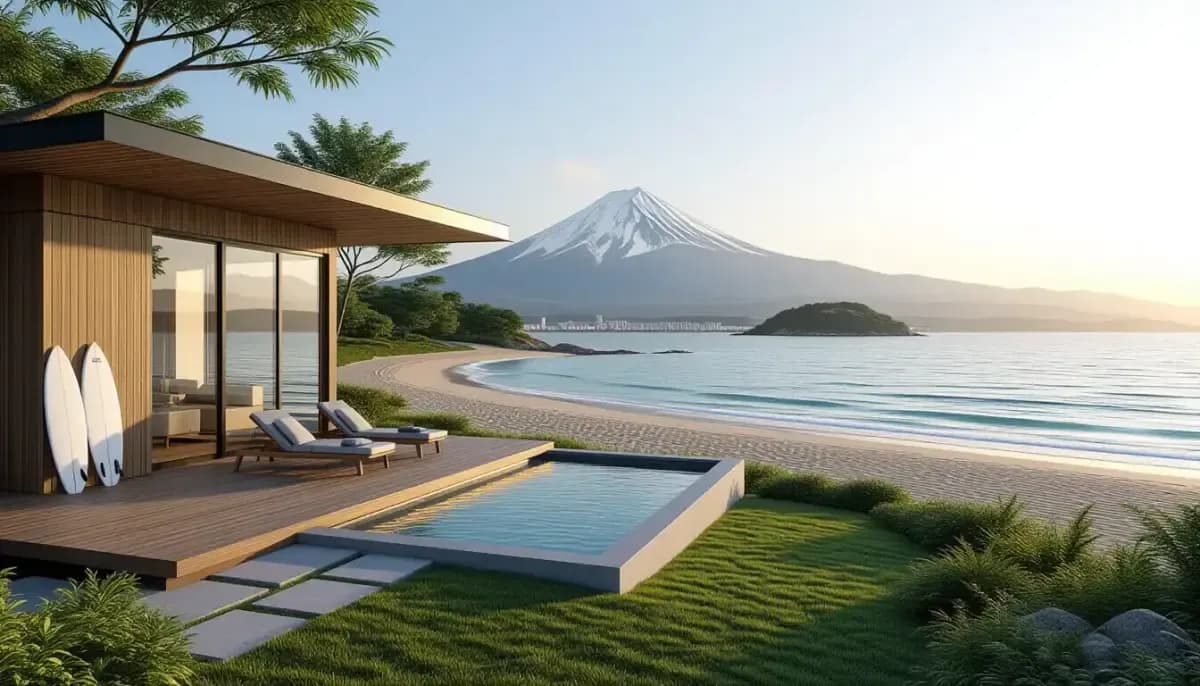
Shonan Area Beach Properties for Foreign Buyers
Everything foreign buyers need to know about purchasing beach property in Japan's Shonan coast — Kamakura, Hayama, Chigasaki, Fujisawa, Zushi. Prices, mortgages, process, and key tips.
Read more →
Kawasaki Property Guide: Commuter Town Between Tokyo and Yokohama
Complete guide to buying property in Kawasaki, Japan as a foreigner. Covers neighborhoods like Musashi-Kosugi, property prices, mortgage options, and step-by-step buying process.
Read more →
Yokohama Chinatown Area Property Guide
Complete guide to buying property in Yokohama's Chinatown area for foreigners. Covers neighborhood overview, property prices, rental yields, purchase process, and practical tips for foreign buyers in 2025.
Read more →