
Furniture and Appliance Shopping Guide for Foreigners in Japan

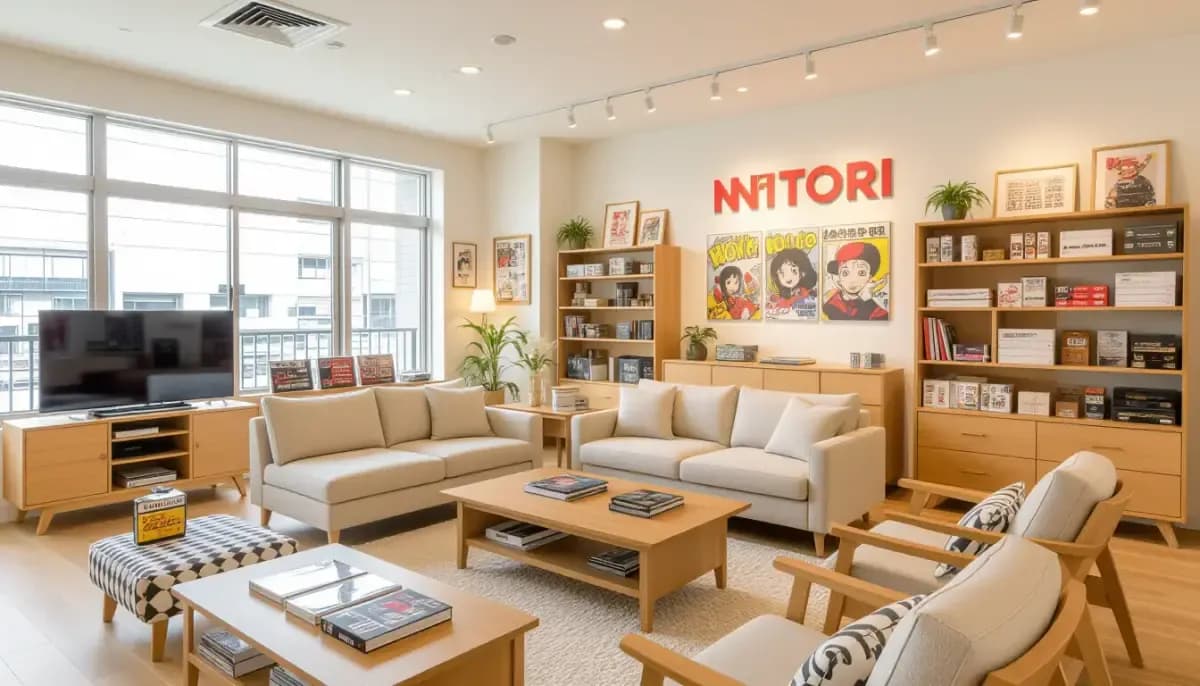
Complete guide to buying furniture and appliances in Japan as a foreigner. Covers Nitori, IKEA, recycle shops, Sayonara sales, voltage tips, and sodai gomi disposal rules.
Furniture and Appliance Shopping Guide for Foreigners in Japan
Moving into a new home in Japan is an exciting milestone, but furnishing it from scratch can feel overwhelming—especially if you're navigating Japanese retail culture for the first time. Whether you've just purchased property or signed a new lease, this guide walks you through every option for buying furniture and appliances in Japan as a foreigner, from brand-new department store finds to second-hand bargains and online marketplaces.
Japan's retail landscape is surprisingly foreigner-friendly once you know where to look. Prices can be very reasonable, quality is consistently high, and logistics like delivery and setup are well-organized. Here's everything you need to know.
Major Furniture Retailers: New Furniture Options
Japan has a strong selection of furniture chains catering to all budgets. The three most popular among foreign residents are Nitori, IKEA, and Muji.
Nitori is Japan's largest furniture and home goods chain, often called "the IKEA of Japan." With hundreds of stores across the country, Nitori is known for affordable pricing, practical designs sized for Japanese apartments, and excellent logistics. Many larger Nitori locations offer free truck borrowing for up to 90 minutes, which is incredibly useful when you need to transport a mattress or large shelving unit without paying for delivery.
IKEA is well-known to most foreigners and operates stores in major cities. In Tokyo, you'll find IKEA locations in Shinjuku, Harajuku, and Tachikawa. IKEA also offers online shopping with home delivery throughout Japan. One caveat: IKEA products are designed for international markets and may be slightly oversized for smaller Japanese apartments—always measure your rooms and doorways before ordering.
Muji (無印良品) is loved for its minimalist aesthetic and high-quality craftsmanship. Items range from furniture and bedding to kitchen goods and lighting. Muji is a great choice if you prefer a clean, neutral aesthetic and don't mind spending a little more for refined design. They offer free shipping on large orders and have an excellent online store.
| Store | Price Range | Best For | Delivery |
|---|---|---|---|
| Nitori | ¥ Budget | Everyday essentials, bedding, curtains | Yes + free truck borrow |
| IKEA | ¥¥ Mid-range | Larger furniture, Scandinavian style | Yes (online too) |
| Muji | ¥¥ Mid-range | Minimalist design, quality basics | Yes, free on large orders |
| Don Quijote | ¥ Budget | Small appliances, futons, kitchenware | No (in-store only) |
| Department stores | ¥¥¥ Premium | High-end furniture, custom pieces | Yes |
For a broader overview of consumer shopping in Japan, see the Shopping and Consumer Guide for Foreigners on Living in Nihon, which covers retail etiquette, payment methods, and practical tips for expats.
Electronics and Home Appliances: Where to Buy
Japan's electronics retail scene is world-class. The two dominant chains are Yodobashi Camera and Bic Camera, both of which have massive multi-floor stores in major cities stocking everything from rice cookers and washing machines to air conditioners and refrigerators.
Key things to know when buying appliances in Japan:
- Point reward systems: Both Yodobashi and Bic Camera offer loyalty point programs that return 10% or more of your purchase as points redeemable on future purchases. This can result in significant savings over time.
- Price negotiation: Unlike most Japanese retail, electronics stores sometimes allow price negotiation—especially if you're buying multiple items. Ask politely and you may get an extra discount or bonus points.
- Japan's voltage: Japanese appliances run on 100 volts, which is unique globally (most countries use 220–240V; even North America uses 120V). Appliances bought in Japan may not work in your home country, and vice versa.
- Warranty registration: Keep your receipts—many appliances include manufacturer warranties, and some stores offer extended protection plans.
Yamada Denki is another major electronics chain, particularly strong in suburban areas and smaller cities. It's great for competitive pricing and wide stock.
For foreigners setting up home for the first time, consider pairing your appliance purchases with Setting Up Utilities in Japan: Electricity, Gas and Water to ensure everything is connected before your appliances arrive.
Buying Second-Hand: Recycle Shops and Online Marketplaces
Second-hand shopping is one of the smartest moves a foreigner can make in Japan. The quality of used goods here is exceptional—Japanese consumers maintain their items carefully, and most second-hand pieces are in near-new condition.
Recycle Shops (リサイクルショップ)
Recycle shops are Japan's equivalent of thrift stores, but far more organized. They buy, inspect, clean, and resell furniture and appliances at significant discounts. Major chains include:
- Hard Off / Off House: A nationwide chain offering everything from sofas and shelving to used appliances like washing machines and refrigerators. A used washing machine typically costs around ¥10,000—roughly half the price of new.
- Second Street: Another large chain with online shopping and home appraisal visits for selling your own items.
- Treasure Factory: Popular in the Tokyo metro area, known for vintage pieces and good appliance selection.
Recycle shops often provide delivery for multiple items at very low rates—sometimes as little as ¥1,500 for an entire truckload within a local area.
Online Platforms
- Mercari: Japan's most popular peer-to-peer marketplace. Many listings are incredibly cheap, especially for furniture and small appliances. You'll need some Japanese ability to communicate with sellers.
- Facebook Marketplace & Facebook Groups: Very popular among the expat community. Search for "Japan foreigner buy sell" or city-specific expat groups.
- Sayonara Sales: A uniquely Japan phenomenon—foreigners leaving the country sell off their belongings quickly and cheaply. Watch expat Facebook groups, GaijinPot classifieds, and bulletin boards at international schools or your local international community center.
For more tips on saving money and finding deals, For Work in Japan has useful relocation and lifestyle guidance for expats across Japan.
Shopping Strategy: Timing and Budgeting
The Moving Season Advantage
Japan's major moving season runs from late February through April, driven by the end of the school and fiscal year when people change jobs, graduate, and relocate. This is actually the best time to find furniture deals:
- Retailers like Nitori and IKEA run significant sales during this period
- Sayonara sales peak as departing foreigners sell items before leaving
- Recycle shops are flooded with good-condition items from people downsizing
Estimated Budget for Furnishing a 1LDK
| Category | Budget Option | Mid-Range Option |
|---|---|---|
| Bed + mattress | ¥20,000–¥40,000 | ¥60,000–¥120,000 |
| Sofa | ¥15,000–¥30,000 | ¥50,000–¥100,000 |
| Dining table + chairs | ¥10,000–¥25,000 | ¥40,000–¥80,000 |
| Washing machine | ¥10,000 (used) | ¥40,000–¥80,000 (new) |
| Refrigerator | ¥15,000 (used) | ¥50,000–¥120,000 (new) |
| Microwave | ¥5,000 (used) | ¥15,000–¥40,000 (new) |
| Air conditioner | Often provided by landlord | ¥80,000–¥200,000 (new) |
Going the recycle shop route for large appliances and Nitori for furniture basics is a common strategy that can cut your startup costs by 40–60%.
Important: Furniture Sizing in Japanese Homes
Japanese apartments are generally smaller than Western homes, and this affects furniture shopping in important ways:
- Measure everything: Check doorway widths, elevator dimensions, and staircase turns before purchasing large items. A sofa that fits in your living room may not physically fit through the front door.
- Low-profile furniture is common: Traditional Japanese furniture sits low to the ground (futon beds, floor seating). This style actually works well in smaller spaces and makes rooms feel larger.
- Storage solutions: Japanese homes often lack built-in closets by Western standards. Freestanding wardrobes, shelving units, and storage furniture from Nitori and Muji are essential purchases.
- Air conditioners: Most Japanese apartments have pre-installed AC units included in the rental. If you're buying property, confirm whether units are included before budgeting for new ones.
See Types of Properties Available in Japan for details on what to expect from different home types and their standard inclusions.
Disposing of Furniture and Appliances in Japan
Understanding disposal rules in Japan is essential—improper disposal can result in fines, and the system is more complex than in many countries.
Sodai Gomi (粗大ごみ) for Furniture
Large items like sofas, tables, mattresses, and shelving must be disposed of through the sodai gomi (bulky waste) system:
- Contact your city or ward office to register your items for pickup (can be done online in most areas)
- Purchase disposal stickers (called "seals") from a convenience store—typically ¥200–300 each
- Attach the stickers and leave the items at a designated spot on the scheduled collection day
Important: Schedule this 2–3 weeks in advance, as pickup slots fill quickly. If you're moving out, plan accordingly.
Home Appliance Recycling Law (家電リサイクル法)
Certain large appliances—televisions, refrigerators, washing machines, dryers, and air conditioners—are covered by the Home Appliance Recycling Law and cannot be put out as sodai gomi. Instead, you must:
- Return them to the retailer when buying a replacement
- Pay a recycling fee and have them collected by a certified recycling company
- Use a municipal drop-off facility
Recycling fees typically range from ¥1,000–¥5,000 depending on the appliance type. See Japan Garbage Disposal and Recycling Rules for Homeowners for a complete breakdown.
For more guidance on disposal options, MailMate's furniture disposal guide offers practical step-by-step advice in English.
Furniture Rental: A Smart Option for Short-Term Residents
If you're in Japan on a temporary contract (1–3 years) or uncertain about your stay length, furniture rental is worth considering. Several companies offer flexible rental packages for foreigners:
- Tokyo Lease Corporation: Caters specifically to foreign residents with English-speaking staff, European-style furniture options, and flexible lease terms
- Cort Furniture: International rental company with Japan presence
- Rental services via real estate agents: Some agencies bundle furniture rental with apartment rental agreements
Rental costs typically run ¥10,000–¥30,000 per month for a basic package (bed, sofa, table, appliances). It eliminates the hassle of purchasing and later disposing of everything when you leave—a major advantage for expats.
For more context on settling into your new home, read our Moving to Japan Checklist for New Homeowners and check the complete guide on Setting Up Your New Home in Japan.
You can also find additional relocation tips at Gaijin Buy House and Japan Handbook's furniture buying guide.
Final Tips for Furniture and Appliance Shopping in Japan
- Measure before you buy: Japanese homes are compact—always check dimensions for doorways, elevators, and room space
- Shop during moving season (March–April) for the best deals on new furniture
- Start with recycle shops for appliances—quality is high and savings are significant
- Watch expat groups for Sayonara sales, especially in Tokyo and Osaka
- Keep all receipts for warranty claims and recycling obligations
- Check voltage before bringing any appliances from abroad—Japan uses 100V
- Plan disposal in advance if you know you'll be leaving Japan within a set timeframe

Originally from Vietnam, living in Japan for 16+ years. Graduated from Nagoya University, with 11 years of professional experience at Japanese and international companies. Sharing information about buying property in Japan for foreigners.
View Profile →Related Articles
Joining the Community Association (Jichikai/Chonaikai) in Japan
Learn how to join Japan's neighborhood association (jichikai or chonaikai) as a foreigner. Covers fees, activities, practical tips, and how to integrate into your local Japanese community.
Read more →
Local Government Services for New Residents in Japan
Complete guide to local government services for new foreign residents in Japan: address registration, health insurance, national pension, My Number, and multilingual support at city hall.
Read more →
Japan Home Maintenance Seasonal Calendar and Guide
Complete seasonal home maintenance calendar for foreign homeowners in Japan. Covers rainy season mold prevention, typhoon prep, winter condensation, osoji deep cleaning, and long-term repair budgeting.
Read more →
Japan Postal and Mail System Setup Guide for New Homes
Complete guide to setting up mail at your new Japanese home: Tenkyo Todoke forwarding, mailbox setup, missed deliveries, and notifying important institutions as a foreign resident.
Read more →
Juuminhyou (Resident Registration) Guide for Property Owners in Japan
Complete guide to juuminhyou (juminhyo) for foreign property owners in Japan. Learn how to register, obtain copies, and meet the April 2024 name registration requirements for property transactions.
Read more →
Home Security System Options in Japan for Foreign Owners
Complete guide to home security systems in Japan for foreign owners and expats. Compare SECOM, ALSOK, Leafee, Secual, and DIY options with costs and rental rules.
Read more →