
Property Inspection and Building Survey in Japan

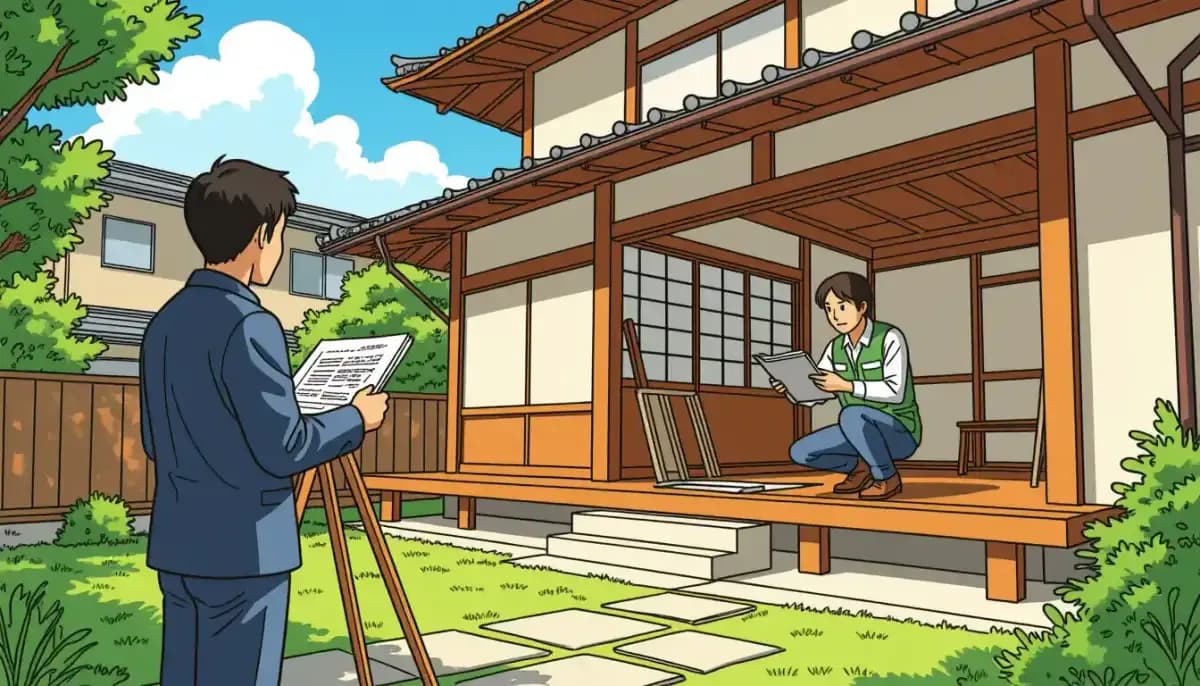
Learn everything about property inspection and building surveys in Japan for foreigners. Costs, qualified inspectors, what to check, and how to use findings to negotiate your purchase.
Property Inspection and Building Survey in Japan: A Complete Guide for Foreign Buyers
Buying property in Japan is an exciting milestone, but it comes with unique due diligence challenges—especially for foreign buyers unfamiliar with local practices. Unlike many Western countries where home inspections are standard, Japan's property inspection culture is still developing. Understanding the inspection process, what to look for, and how to find qualified English-speaking inspectors can save you from costly surprises after closing. This guide covers everything you need to know about property inspection and building surveys in Japan.
Why Property Inspections Matter in Japan
Japan has approximately 62 million units of existing housing stock, and the government has been actively promoting the used housing market. However, many older properties have never been professionally inspected, leaving buyers to rely on visual impressions alone.
Home inspections in Japan are not legally required. However, the 2018 Real Estate Brokerage Act revision (宅地建物取引業法) introduced a standardized building condition survey system, and the 2024 revisions tightened disclosure requirements further. Real estate agents are now required to explain to buyers whether a building condition survey has been conducted—and if not, to provide a reason.
For foreign buyers, the stakes are even higher. Language barriers can make it harder to ask the right questions or notice warning signs in documentation. A professional inspection provides an objective, written assessment that transcends language obstacles and protects your investment.
Key reasons to always get an inspection:
- Identify structural defects, water damage, or foundation issues before purchase
- Plan your renovation and maintenance budget realistically
- Gain negotiation leverage if issues are discovered
- Satisfy due diligence requirements for mortgage lenders
- Understand earthquake resilience and compliance status
For more on the overall purchase process, see our guide to Step-by-Step Home Buying Process in Japan for Foreigners.
Types of Property Inspections in Japan
There are several types of inspection and survey services available to buyers in Japan:
1. Building Condition Survey (建物状況調査 / Tatemono Jokyo Chosa)
This is the standardized inspection introduced by Japan's Ministry of Land, Infrastructure, Transport and Tourism (MLIT). It focuses on the main structural components and is conducted by a certified inspector. The survey is designed to provide buyers with objective information during the resale of existing homes.
What it covers:
- Structural frame (foundations, walls, columns, beams)
- Exterior walls and roof condition
- Signs of moisture intrusion or leaks
- Overall condition rated with a standardized report
2. Standard Home Inspection (ホームインスペクション)
A broader assessment that goes beyond the MLIT-standardized survey. A qualified home inspector—typically a licensed architect—will examine virtually all accessible systems and components.
What it covers:
- Exterior: roof, walls, gutters, balconies, drainage
- Interior: doors, windows, floors, stairs, railings
- Structural tilt measurement (傾き測定)
- Foundation and subfloor (crawlspace/basement if accessible)
- Plumbing, electrical, HVAC, and air conditioning systems
- Comprehensive written report with photographs
3. Earthquake Safety Assessment (耐震診断 / Taishin Shindan)
Japan sits on multiple tectonic plates, making earthquake resilience a critical factor. Buildings with construction permits issued before June 1, 1981 were built under the old earthquake standards (旧耐震基準). Those permitted after this date comply with the new earthquake standards (新耐震基準).
For older buildings, a formal seismic assessment is strongly recommended. Some local governments subsidize the cost of these assessments for properties within their jurisdiction.
4. Pest and Termite Inspection (シロアリ調査)
Termite damage is a serious concern in Japan, particularly for wooden structures. Many inspection companies offer pest inspections as an add-on service. Damage from termites can compromise structural integrity significantly and is not always visible to the naked eye.
Inspection Costs in Japan
Understanding the cost structure helps you budget properly. Keep in mind that for hidden costs and fees when buying property in Japan, inspections are an additional line item beyond standard transaction costs.
| Inspection Type | Property Type | Cost Range |
|---|---|---|
| Basic visual inspection | Detached house | ¥50,000 – ¥70,000 |
| Basic visual inspection | Apartment/condo | ¥40,000 – ¥60,000 |
| Detailed inspection (attic/basement included) | Detached house | ¥100,000 – ¥140,000 |
| Earthquake safety assessment | Any | ¥50,000 – ¥150,000 |
| Termite/pest inspection | Wooden structure | ¥20,000 – ¥50,000 |
| Comprehensive pre-purchase package | Post-2000 building | ¥135,000+ |
| Comprehensive pre-purchase package | Pre-1981 older building | ¥300,000 – ¥555,000 |
Prices vary by company, region, and property size. Always get multiple quotes before committing to an inspector.
How to Find a Qualified Inspector in Japan
Finding a trustworthy inspector is crucial. Here's what to look for:
Qualifications to Check
Look for inspectors holding one of the following credentials:
- 一級建築士 (First-class licensed architect) — the highest qualification, capable of inspecting all types of buildings
- 二級建築士 (Second-class licensed architect) — qualified for smaller residential structures
- MLIT-Certified Home Inspector — certified under the standardized building condition survey system
English-Language Services
Several companies offer inspection services in English, which is invaluable for foreign buyers:
- Anest — provides English-language home inspection services
- Sakura Home Inspection — specializes in serving foreign clients
- Japan Inspection Organization (JIO) — offers professional inspection services; contact at japaninspection.org
- Plaza Homes — Tokyo-based agency with experience assisting foreign buyers; see their home inspection guide
Your real estate agent can also help connect you with qualified inspectors. If your agent does not speak English, ask them to help arrange a bilingual inspector or interpreter.
Questions to Ask Before Hiring
- Are you licensed as a 一級建築士 or MLIT-certified inspector?
- Do you provide reports in English or with English summaries?
- What does your inspection cover specifically?
- How long does the inspection take, and can I attend?
- Do you carry professional liability insurance?
What Inspectors Look For: A Room-by-Room Overview
Knowing what inspectors examine helps you conduct preliminary checks during property viewings. For a detailed self-inspection checklist, see Gaijin Buy House's property viewing checklist.
Exterior
- Roof: Look for missing, cracked, or curling tiles. Flat roofs should show no pooling water stains.
- Exterior walls: Cracks wider than 0.3mm are a warning sign; hairline cracks are common but require monitoring.
- Foundation: Check for cracks, settling, or soil erosion around the base.
- Drainage: Confirm gutters and downspouts direct water away from the foundation.
Interior
- Floors: Use a level app or marble to check for tilt. Floors sloping more than 3/1000 (3mm per meter) indicate structural settling.
- Walls and ceilings: Water stains, discoloration, or bubbling paint suggest past or active leaks.
- Windows and doors: Difficulty opening or closing can indicate structural movement.
Utilities
- Plumbing: Check water pressure, drainage speed, and look for rust or corrosion on pipes.
- Electrical: Verify the breaker panel is up to date. Older homes may have 100-amp service, insufficient for modern appliances.
- HVAC and water heater: Check manufacturing dates—units over 10 years old may need replacement within a few years of purchase.
Moisture and Mold
Moisture problems are among the most expensive issues in Japanese homes. Inspect:
- Under kitchen and bathroom sinks
- Behind washing machine connections
- Inside closets (especially ones on exterior walls)
- Around window frames and sliding doors
Special Considerations for Older Japanese Homes
Japan's housing stock includes many properties built before the 1981 earthquake code revision. If you're considering an older property—including traditional wooden machiya townhouses or akiya vacant homes—additional due diligence is essential.
Pre-1981 buildings:
- Must be assessed for seismic compliance before many banks will lend
- May require significant seismic retrofitting (耐震補強) costing ¥500,000–¥3,000,000+
- Local government subsidies for seismic assessment are often available
Wooden construction:
- More susceptible to termite damage and rot
- Requires inspection of subfloor, beams, and posts
- Foundation type (concrete perimeter vs. traditional stone) affects structural stability
For buyers interested in rural properties, see our guide to Rural and Countryside Properties in Japan for Foreign Buyers.
The Inspection Process: Step by Step
Here's what to expect when you arrange a property inspection in Japan:
- Book the inspection — Contact the inspector 1–2 weeks before your desired date. Coordinate with the seller and real estate agent for access.
- Attend the inspection — You should be present if possible. Bring a notebook, camera, and any questions about specific concerns.
- Inspection duration — A standard inspection takes 2–4 hours for a detached house; 1–2 hours for an apartment.
- Receive the report — Reports are typically delivered within 3–5 business days. English-language reports may take longer.
- Review findings with your agent — Discuss whether any issues warrant price renegotiation or further specialist assessments.
- Decide — Use the report to make an informed decision to proceed, renegotiate, or withdraw.
For comprehensive guidance on the full legal and documentation process, visit Living in Nihon's property buying guide.
Using Inspection Results in Negotiations
One of the most valuable aspects of a professional inspection is its potential to improve your negotiating position. If the inspector identifies significant issues:
- Request repairs before closing — sellers may agree to fix structural or safety issues
- Request a price reduction equivalent to the estimated repair cost
- Ask for a warranty — sellers of existing homes can be liable for concealed defects (隠れた瑕疵) for a legally defined period
- Walk away — if problems are severe enough, a thorough inspection may save you from a costly mistake
In Japan's competitive property market, particularly in Tokyo and Osaka, buyers sometimes skip inspections to move quickly. This is a risk not worth taking. Budget the inspection cost into your due diligence from the start—it's a small investment relative to the property price.
For information on managing overall acquisition costs, see our article on Property Taxes and Annual Costs of Owning Property in Japan.
Resources for Foreign Buyers
Navigating property inspections in Japan is much easier with the right resources. Here are some trusted sources:
- MailMate: Home Inspection in Japan — comprehensive overview of costs, laws, and process
- Tokyo Portfolio: Home Inspection Guide — practical tips for what to check
- For Work in Japan — resources for foreigners navigating life and real estate in Japan
- Japan Inspection Organization — professional inspection services
If you're at the beginning of your Japan property journey, start with our Complete Guide to Buying Property in Japan as a Foreigner for a full overview of every step.
Conclusion
Property inspections and building surveys are an essential—though often overlooked—part of buying real estate in Japan. While not legally required, they provide critical protection for foreign buyers who may be less familiar with Japanese construction standards, seismic codes, and disclosure practices.
Budget ¥50,000–¥150,000 for a standard inspection depending on property type and size. Seek a licensed architect or MLIT-certified inspector, and prioritize finding one who can communicate in English or provide an English-language report. Use the findings to negotiate confidently and make a fully informed purchase decision.
With the right inspection in place, you can buy your Japanese property with confidence and peace of mind.

Originally from Vietnam, living in Japan for 16+ years. Graduated from Nagoya University, with 11 years of professional experience at Japanese and international companies. Sharing information about buying property in Japan for foreigners.
View Profile →Related Articles

Common Delays in Japan Property Purchase and How to Avoid Them
Discover the 7 most common causes of delays when buying property in Japan as a foreigner — from mortgage rejections to unregistered buildings — and practical steps to avoid them.
Read more →
Japan Property Closing Costs Complete Breakdown
A full breakdown of Japan property closing costs for foreign buyers: agent fees, stamp duty, registration tax, acquisition tax, scrivener fees, and mortgage costs. Budget accurately with our detailed guide.
Read more →
Using Power of Attorney for Japan Property Purchase
Learn how to use power of attorney (委任状) to buy property in Japan as a foreign non-resident buyer. Covers POA types, notarization, apostille, costs, and who can represent you.
Read more →
Hanko Seal Requirements for Property Purchase in Japan
Learn everything about hanko seal requirements for buying property in Japan as a foreigner. Covers jitsuin registration, Inkan Shomeisho, non-resident alternatives, and the 2022 digital reform.
Read more →
Property Registration (Touki) in Japan Explained
Learn how Japan's touki property registration system works, including process steps, costs, required documents, and special rules for foreign buyers. Updated for 2025-2026.
Read more →
Closing and Settlement Process in Japan Real Estate
Complete guide to closing and settlement in Japan real estate for foreign buyers. Learn what happens on closing day, required documents, costs (6-10%), judicial scrivener role, and post-closing obligations.
Read more →