
Minpaku Registration Process in Japan: Step by Step

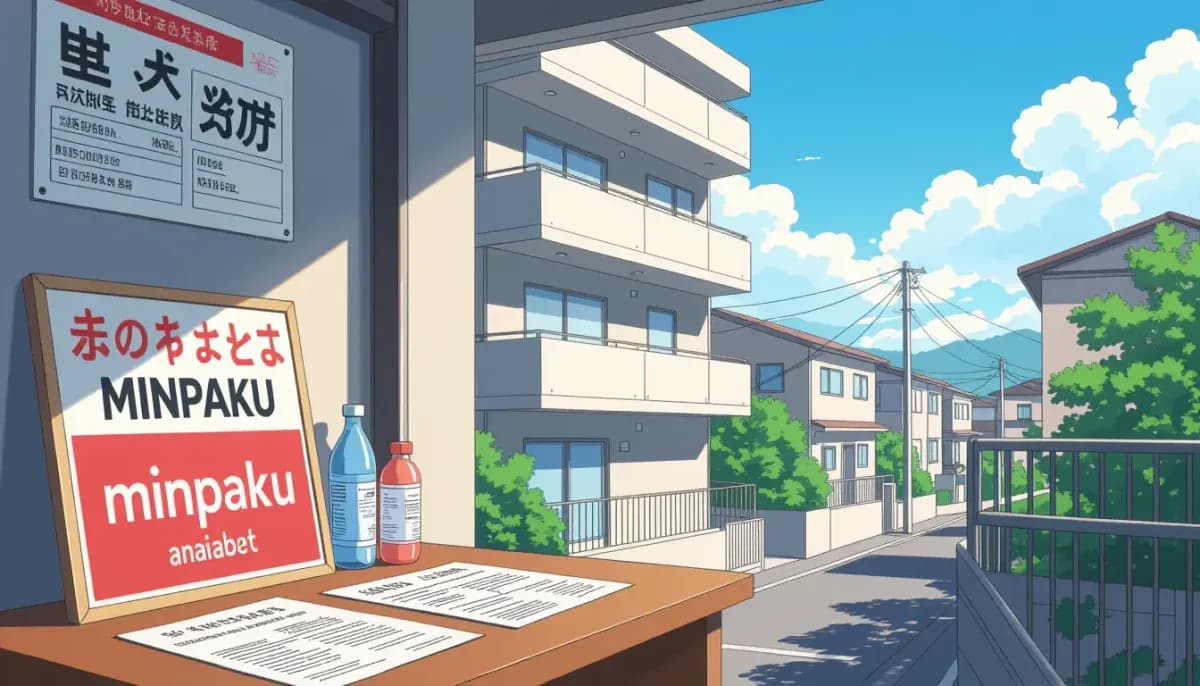
Complete step-by-step guide to the minpaku registration process in Japan for foreigners. Documents needed, fire safety, neighbor notification, costs, and ongoing compliance explained.
Minpaku Registration Process in Japan: Step by Step
If you own property in Japan and want to rent it out on Airbnb or similar platforms, you need to go through Japan's official minpaku registration process. Since the Minpaku New Law came into effect on June 15, 2018, operating a short-term rental without a registration number is illegal and can result in significant fines. This guide walks you through exactly what you need to do — whether you are a resident foreigner or an overseas investor.
As of July 2025, there are 33,618 registered minpaku properties in Japan — an all-time high — fueled by record inbound tourism and a weak yen. Getting registered correctly puts you in a strong position to tap into this growing market.
For a broader overview of minpaku rules, see our guide on Japan Minpaku Law and Regulations Explained and Short-Term Rentals and Airbnb (Minpaku) in Japan for Foreign Owners.
Understanding the Three Legal Frameworks
Before starting the registration process, you need to decide which legal framework applies to your situation:
| Framework | Max Operating Days | Who It Suits | Key Restriction |
|---|---|---|---|
| Minpaku New Law (民泊新法) | 180 days/year | Most residential owners | Requires notification only |
| Hotel Business Law (Simplified Lodging) | No limit | Full-time hosts | High fire safety bar |
| National Strategic Special Zone (特区民泊) | No annual limit | Osaka, Ota Ward (Tokyo) | Min. 2-night stay; Osaka suspended new apps in late 2025 |
Most foreign property owners use the Minpaku New Law route. It is the most accessible and only requires notification (not a full license). However, it caps you at 180 operating days per year. If you want to operate year-round, you need the Hotel Business Law route, which involves much stricter fire safety and building compliance requirements.
For a deeper comparison, see Ryokan and Hotel License vs Minpaku in Japan: Which to Choose?
Step 1: Confirm Your Property Qualifies
Not every property can be registered as a minpaku. Before spending time on paperwork, verify the following:
Physical requirements:
- The property must have a kitchen, bathroom, toilet, and bathing area
- Guest room space must be at least 3.3 m² per guest
- Fire prevention equipment must be installed (specifics depend on property size and local rules)
Legal and ownership checks:
- If you own a condominium (マンション), check the building management rules (管理規約). Many condominiums explicitly ban minpaku. You will need written approval from the management association (管理組合) before proceeding.
- Confirm local zoning rules. Some municipalities restrict minpaku to specific zones or time periods (e.g., Kyoto limits operations in residential zones to certain months).
City-by-city differences:
| City | Regulation Level | Notable Rules |
|---|---|---|
| Tokyo | Varies by ward | Some wards allow weekends only; others are more flexible |
| Osaka | Most permissive | Special Zone Minpaku available; new applications suspended in 2025 |
| Kyoto | Most restrictive | Residential zones: limited seasonal operation |
| Fukuoka / Sapporo | Moderate | Fewer local restrictions than major tourist hubs |
Step 2: Prepare Your Documents
This is where many applicants get stuck — particularly foreign nationals. Here is a complete checklist of what you typically need:
For all applicants:
- Notification form (届出書) — available from your local public health center or prefectural government
- Floor plan of the property
- Photo or diagram showing the location of fire safety equipment
- Property Registry Certificate (登記事項証明書) confirming ownership
- Written oath (誓約書) confirming you meet legal requirements
Additional documents for foreign nationals:
- If you are a resident foreigner: Your residence card (在留カード) serves as your ID. You must also provide a certificate of non-bankruptcy from your embassy in Japan, along with a certified Japanese translation.
- If you are a non-resident overseas investor: You must appoint a licensed minpaku management company (管理業者) to act on your behalf in Japan. The management company will handle the application and ongoing compliance. You will need to provide a power of attorney document.
For help navigating the management company route, read our guide on Hiring a Minpaku Management Company in Japan.
MailMate's guide on minpaku licensing in Japan is an excellent English-language resource with additional document checklists.
Step 3: Fire Safety Inspection and Neighbor Notification
Two procedural requirements often surprise first-time applicants: fire safety and neighbor notification.
Fire Safety
Before submitting your application, you must consult with the local fire department (消防署). Bring your property floor plan. They will advise on what equipment you need based on property size:
- Properties under 45 m²: Smoke detectors in every room, evacuation map posted on wall, emergency light or exit sign
- Larger properties or multi-floor homes: May require additional emergency lighting, fire extinguishers, and automatic fire alarms
After installing the required equipment, obtain a Fire Law Conformity Certificate from the fire department. This document is required for your application.
Neighbor Notification
Under the Minpaku New Law, you are legally required to notify neighboring residents before starting operations. The required notification range depends on your property type:
- Detached house: Neighboring properties within a specified distance
- Apartment building: Units on the same floor, plus the units directly above and below
The notification must explain the nature of your minpaku business and provide a contact number for complaints. You will need to show evidence of this notification when submitting your application.
Step 4: Submit Your Application
Once your documents are in order, submit them to the relevant authority:
- Minpaku New Law applications: Submit to your prefectural government (都道府県庁) or designated local office. In some jurisdictions, online submission is available via the Minpaku Portal Site. In others, you must submit in person.
- Hotel Business Law applications: Submit to the local public health center (保健所).
Processing times typically range from 1 to 3 months. During this time, the authority may contact you with questions or requests for additional documents.
Once approved, you will receive a Private Lodging Business Notification Number (届出番号). This number must be displayed on any online listing — on Airbnb, Booking.com, or wherever you advertise.
Tracey Northcott's detailed guide on navigating minpaku compliance in Japan is highly recommended for those wanting a practitioner's perspective on the process.
Step 5: Set Up Ongoing Compliance Obligations
Registration is only the beginning. Once you are operating, you have ongoing legal obligations:
Bi-monthly reporting: You must submit usage reports to the prefectural governor by the 15th of every even month (February, April, June, August, October, December). The report covers the preceding two months and must include the number of guests, operating nights, and guest nationalities.
Guest identity verification: You must verify the identity of all guests. For foreign guests, this means collecting a copy of their passport.
Display the notification number: Your registration number must appear on your listing page and on a physical sign at the property.
180-day limit: Under the Minpaku New Law, you cannot rent your property for more than 180 nights per year. Some municipalities impose even stricter caps. For strategies on maximizing income within this constraint, see Japan's 180-Day Rule for Minpaku: How It Works and Workarounds.
Costs and Financial Reality
Here is a realistic breakdown of startup costs for the registration process:
| Item | Estimated Cost |
|---|---|
| Administrative scrivener (行政書士) fee | ¥50,000–¥150,000 |
| Fire safety equipment installation | ¥30,000–¥100,000 |
| Property Registry Certificate | ¥600 per document |
| Embassy certificate (non-bankruptcy) | Varies by country |
| Translation of embassy document | ¥5,000–¥15,000 |
| Government application fee | Free (Minpaku New Law) |
Using an administrative scrivener is optional but strongly recommended for non-Japanese speakers. They handle the entire filing process and ensure nothing is missed.
Income potential: A 1LDK apartment in Tokyo that earns ¥150,000 per month as a long-term rental can generate approximately ¥300,000 per month as an Airbnb — roughly double the income. However, operating at maximum occupancy is uncommon, and management costs (typically 15–20% commission if you use a management company) need to be factored in.
For a detailed income analysis, see Japan Airbnb Income Potential and Revenue Analysis.
Working With a Management Company
If you are an overseas investor or simply prefer a hands-off approach, a licensed minpaku management company handles everything: registration paperwork, guest check-in and check-out, cleaning, maintenance, and compliance reporting. This is mandatory for non-resident owners and for properties with five or more guest rooms.
Management fees typically run 15–20% of rental revenue. Look for companies registered with the Ministry of Land, Infrastructure, Transport and Tourism (MLIT) — you can verify registration on their official database.
Gaijin Buy House has an in-depth guide on rental and minpaku business options for foreigners that covers how to evaluate and select a management partner.
For housing, lifestyle, and daily life resources as a foreigner in Japan, Living in Nihon and For Work in Japan are useful English-language references.
Common Mistakes to Avoid
- Starting before registration is complete: Operating before receiving your notification number is illegal, even if your application is submitted. Wait for the official approval.
- Ignoring condominium rules: Many foreigners are surprised to discover their condo's management rules prohibit minpaku. Always check before buying specifically for this purpose.
- Missing the bi-monthly report: Failure to file usage reports on time can result in fines or revocation of your registration.
- Exceeding 180 days: Platforms like Airbnb automatically block bookings when you hit the limit in some regions, but the legal responsibility is yours to track.
- Not linking guest records to identity: Japanese law requires host-verified identity for every guest. Using automated check-in without a verification step may violate this requirement.
For a full list of penalties and what to watch out for, see Minpaku Penalties and Non-Compliance Risks in Japan.
Summary: Your Minpaku Registration Checklist
- Choose your legal framework (Minpaku New Law, Hotel Business Law, or Special Zone)
- Confirm property eligibility — physical requirements and building rules
- Consult with the local fire department and install required equipment
- Notify neighbors in writing
- Prepare all required documents (including embassy certificate if non-Japanese)
- Submit application to prefectural government or public health center
- Wait for approval (1–3 months) and receive your notification number
- Display the notification number on your listing and at the property
- Set up ongoing compliance: bi-monthly reporting, guest ID verification, 180-day tracking
Minpaku registration in Japan is a detailed process, but it is well within reach for foreign owners who prepare carefully. With Japan's tourism numbers at record highs and short-term rental demand growing, getting registered is the essential first step to making your property work for you.
For everything you need to know about starting the business side, read our complete guide on Starting an Airbnb Business in Japan as a Foreigner.

Originally from Vietnam, living in Japan for 16+ years. Graduated from Nagoya University, with 11 years of professional experience at Japanese and international companies. Sharing information about buying property in Japan for foreigners.
View Profile →Related Articles
Minpaku Penalties and Non-Compliance Risks in Japan
Learn about minpaku penalties in Japan including fines up to ¥1,000,000, real enforcement cases, and how to avoid non-compliance risks as a foreign property owner.
Read more →
Minpaku Insurance and Liability Guide for Japan Property Owners
Essential insurance and liability guide for minpaku operators in Japan. Covers fire insurance, earthquake coverage, personal liability, Airbnb Host Insurance, and compliance requirements under Japan's minpaku law.
Read more →
How to Set Up and Furnish a Minpaku Property in Japan
Complete guide to setting up and furnishing a minpaku short-term rental property in Japan. Covers legal requirements, mandatory furnishings, city restrictions, registration steps, and financial realities for foreign owners.
Read more →
Tax Obligations for Minpaku Operators in Japan
Complete guide to tax obligations for minpaku (short-term rental) operators in Japan. Covers income tax rates, deductible expenses, non-resident rules, local taxes, and filing requirements for foreign property owners.
Read more →
Special Zone Minpaku (Tokku) in Japan Explained
Learn how Special Zone Minpaku (Tokku Minpaku) works in Japan. Covers eligible zones, certification process, stay rules, and whether foreign owners can operate year-round Airbnb properties.
Read more →
Japan Airbnb Income Potential and Revenue Analysis
How much can you earn from Airbnb in Japan? Detailed revenue analysis by city: Tokyo earns ¥6.3M/year, Osaka ¥4.4M/year. Income projections, cost breakdowns, and ROI data for foreign owners.
Read more →