
Osaka Rental Property Investment for Foreign Investors

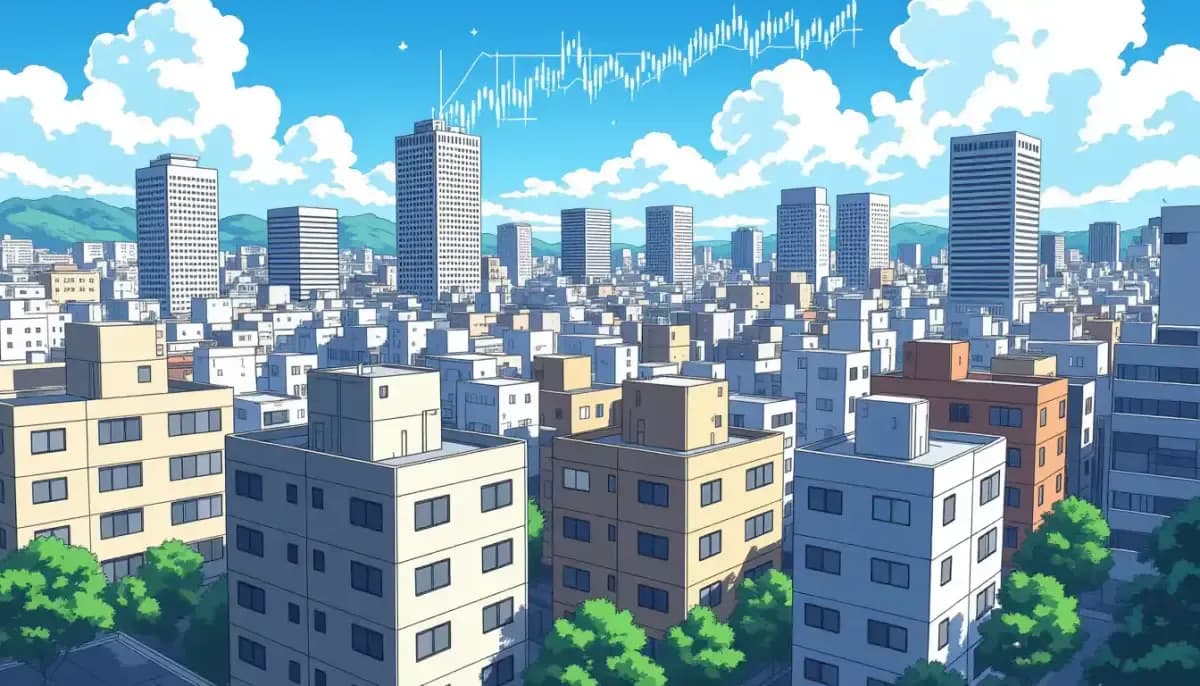
Complete guide to Osaka rental property investment for foreigners. Learn about rental yields (4.47%), best neighborhoods, taxes, mortgages, and how to buy as a non-Japanese investor in 2025.
Osaka Rental Property Investment for Foreign Investors: The Complete 2025 Guide
Osaka has quietly become one of Asia's most compelling real estate investment destinations for foreigners. With rental yields significantly outpacing Tokyo, property prices roughly 60-70% of the capital, and a surging tourism and expat economy, Osaka offers a rare combination of affordability, strong cash flow, and long-term appreciation potential. Whether you're looking for a buy-to-let apartment, a short-term rental near Namba, or a mid-sized residential unit in a commuter suburb, this guide walks you through everything you need to know about rental property investment in Osaka as a foreign investor.
Why Osaka Is Attracting Foreign Rental Property Investors
Osaka's investment case rests on several structural advantages that distinguish it from both Tokyo and other Asian markets.
Higher rental yields than Tokyo. Osaka delivers gross rental yields averaging 4.26-4.47%, compared to Tokyo's 3.44%. For investors prioritizing cash flow, that spread is significant—especially when combined with lower entry prices. A ¥30 million studio in Namba can generate net monthly income that would require a ¥50 million Tokyo property to match.
Lower barriers to entry. Prime residential condominiums in Osaka's central wards typically range from ¥25 million to ¥60 million. Comparable properties in Tokyo's 23 wards routinely exceed ¥70-100 million. This pricing difference allows investors to enter the market, spread risk across multiple units, or achieve positive cash flow with a smaller total investment.
Foreign investment momentum. International capital is increasingly flowing into Osaka. Foreign investment in Japanese residential assets rose 18% year-over-year, reaching JPY 740 billion in 2024. Over 27% of all property purchases in Japan in 2025 were made by international investors—up from 21% five years ago. The weak yen has amplified returns for USD, EUR, and AUD-denominated investors.
Post-Expo infrastructure legacy. The Osaka-Kansai Expo 2025 accelerated major infrastructure improvements across the city. The Chuo Line Extension opened in January 2025, connecting central Osaka to the Yumeshima Expo site and transforming accessibility along that corridor. The planned Naniwasuji Line (targeted 2031) is expected to further boost property values along the north-south corridor connecting Osaka Station with Namba and beyond.
Tourism and short-term rental demand. Osaka saw 14 million foreign visitors in 2024—a 10% increase over 2019 levels. This tourism-driven demand supports both traditional rentals in expat-favored neighborhoods and licensed short-term rental operations, subject to Japan's Minpaku Law regulations.
For a broader understanding of the Japanese real estate landscape, see our Japan Real Estate Market Overview and Trends.
Best Areas in Osaka for Rental Property Investment
Location is the single most important factor in Japanese rental property performance. Proximity to major train stations drives tenant demand, vacancy rates, and long-term price appreciation. Here are Osaka's top investment zones:
Kita Ward (Umeda Area)
Umeda is Osaka's premier business and commercial hub, home to Japan's third-busiest rail interchange. Rental demand here is driven by corporate tenants, high-income professionals, and expats working for international companies. Properties command premium rents, and vacancy is minimal. New-build supply near Umeda is constrained by high land costs, which supports existing property values.
Chuo Ward (Shinsaibashi, Honmachi, Nakanoshima)
Chuo Ward offers the most diverse investment opportunities in Osaka. Shinsaibashi attracts tourism-facing retail and hospitality investors. Honmachi is a financial and business district with strong white-collar rental demand. Nakanoshima, a peninsula flanked by the Dojima and Tosabori rivers, is undergoing significant redevelopment and is increasingly popular with design-conscious tenants.
Nishi Ward (Horie)
Horie is Osaka's most fashionable residential neighborhood—sometimes compared to Tokyo's Daikanyama. The area attracts creative professionals, young families, and the expat community. Rental prices are high relative to neighboring wards, but so is tenant quality and stability. Gentrification from the Umeda boom has spilled into Fukushima-ku, adjacent to Horie, where land prices have risen 5-10% over two to three years.
Tennoji / Abeno
Tennoji is a strong value investment zone. The completion of Abeno Harukas—Japan's tallest skyscraper—revitalized the area's image, and ongoing commercial development continues to attract residents. Rental yields here tend to be higher than in more expensive central wards, offering a better immediate cash flow profile.
Commuter Suburbs: Suita, Toyonaka, Takatsuki
These northern suburbs offer family-sized properties at lower price points with stable, long-term tenant profiles. They're well-connected to central Osaka via the Hankyu and JR networks and attract tenants priced out of central wards. Ideal for investors seeking lower volatility and steady occupancy over high short-term returns.
For neighborhood-specific guidance on purchasing property in Osaka, see our Buying Property in Osaka as a Foreigner: Complete Area Guide.
Rental Yields and Financial Performance by Area
Understanding gross vs. net yields is critical for accurate investment modeling. Gross yields are calculated on purchase price; net yields account for vacancy, management fees, taxes, and maintenance.
| Area | Typical Property Price | Estimated Monthly Rent | Gross Yield | Net Yield (Est.) |
|---|---|---|---|---|
| Umeda (Kita) | ¥40-70M | ¥130,000-220,000 | 4.0-4.8% | 2.8-3.5% |
| Shinsaibashi (Chuo) | ¥35-65M | ¥110,000-190,000 | 3.8-4.6% | 2.6-3.3% |
| Horie (Nishi) | ¥30-55M | ¥100,000-170,000 | 4.2-5.0% | 3.0-3.6% |
| Tennoji / Abeno | ¥20-45M | ¥75,000-140,000 | 4.5-5.5% | 3.2-4.0% |
| Suita / Toyonaka | ¥18-40M | ¥65,000-120,000 | 4.8-6.0% | 3.5-4.5% |
| Namba / Minami | ¥25-50M | ¥90,000-160,000 | 4.3-5.2% | 3.0-3.8% |
Note: Net yield estimates assume 5% vacancy, 10% property management fee, and annual maintenance/tax costs of approximately 1% of property value. Individual results vary.
The key takeaway: Tennoji and the commuter suburbs deliver the strongest cash flow. Central wards offer lower yields but higher appreciation and tenant stability.
How to Buy Rental Property in Osaka as a Foreigner: Step by Step
Japan is one of the few countries in Asia where foreigners can purchase real estate—including land—with the same legal rights as Japanese citizens. There are no nationality-based restrictions on property ownership, and no minimum residency requirement to buy. Here is the standard purchase process:
Step 1: Define your investment strategy. Before viewing properties, determine your target yield, budget, area, property type (new vs. used, apartment vs. house), and whether you want to self-manage or use a property management company.
Step 2: Engage a licensed real estate agent (fudosan). Working with a bilingual agent experienced in serving foreign investors will save significant time. They will search the REINS database (Japan's MLS equivalent), arrange viewings, and guide you through the offer process.
Step 3: Submit a purchase offer and sign the sales contract (baibai keiyakusho). Once you agree on price, the buyer pays a deposit (usually 10% of purchase price). A judicial scrivener (shiho shoshi) handles the title transfer process.
Step 4: Foreign Exchange Law notification. Foreign investors must file a notification with the Bank of Japan within 20 days of signing a purchase contract. Your real estate agent or legal representative can handle this.
Step 5: Final settlement and registration. The remaining balance is paid, and ownership is registered at the Legal Affairs Bureau. Budget approximately 10% of the property price for transaction costs: registration taxes, acquisition taxes, agent commission (3% + ¥60,000 + tax), judicial scrivener fees, and insurance.
Step 6: Set up property management. For non-resident investors or those without Japanese language ability, engaging a licensed property management company is essential. Management fees typically range from 5-10% of monthly rent. The management company handles tenant sourcing, rent collection, maintenance coordination, and communication.
For a detailed walkthrough of the complete purchase process, see our Step-by-Step Home Buying Process in Japan for Foreigners.
Financing: Can Foreigners Get a Mortgage for Osaka Investment Property?
Securing a mortgage as a foreign buyer in Japan is possible but more complex than for Japanese nationals. The key variable is whether you hold permanent residency (eijuken).
With permanent residency: You can access mortgages from major Japanese banks under nearly identical conditions to Japanese citizens. Interest rates remain historically favorable: approximately 0.5-0.8% variable or 1.8-2.1% for 35-year fixed loans. A 20% down payment is typical, and income requirements are relatively accessible.
Without permanent residency: Options are more limited but available. The following banks offer investment mortgages to non-permanent residents:
- Aeon Bank – Requires 2+ years continuous employment
- Suruga Bank – Known for flexibility with foreign borrowers
- Tokyo Star Bank – English-speaking staff, accommodating for international applicants
- Asuka Credit Union – Smaller but experienced with non-resident applicants
Key conditions for non-permanent residents typically include: 2-3 years continuous residency in Japan, ¥3 million+ annual income, 30%+ down payment, and sometimes a Japanese spouse or permanent resident guarantor.
Non-resident (overseas) buyers: If you are purchasing from outside Japan without a Japanese residence card, conventional bank mortgages are generally not available. International lenders, developer financing, or cash purchase are the primary routes. Some overseas property investment funds also offer access to Osaka real estate through pooled structures.
For comprehensive mortgage guidance, see our Mortgages and Home Loans for Foreigners in Japan and the detailed mortgage application guide at Gaijin Buy House.
Tax Obligations for Foreign Rental Property Investors
Understanding Japan's tax framework for foreign investors is essential before committing capital. The rules differ significantly depending on whether you are a resident or non-resident of Japan.
Rental income tax:
- Residents in Japan: Rental income is added to total income and taxed at Japan's progressive income tax rates (5-45%) plus local inhabitant tax (~10%).
- Non-residents: A flat 20.42% withholding tax applies to rental income. Tenants or property management companies are typically responsible for deducting and remitting this tax. Non-resident landlords must appoint a tax representative (zeinkanrinin) in Japan to handle filing obligations.
Property holding taxes:
- Fixed Asset Tax (kotei shisan zei): 1.4% of assessed value annually
- City Planning Tax (toshi keikaku zei): 0.3% of assessed value annually
- These taxes apply regardless of residency status.
Capital gains tax on sale:
- Within 5 years of ownership: approximately 39% (national + local)
- After 5 years of ownership: approximately 20%
- Non-residents face a 10.21% source withholding on the sale price in addition to final capital gains tax
Consumption tax (JCT): Residential rents are exempt from Japan's consumption tax. Commercial and short-term rental income may be subject to 10% JCT if annual taxable sales exceed ¥10 million.
For a full breakdown of tax and holding costs, see our Property Taxes and Annual Costs of Owning Property in Japan and Hidden Costs and Fees When Buying Property in Japan.
For comprehensive guidance on the buying process including tax registration requirements, the Living in Nihon: Buying Property and Mortgage Guide provides an excellent overview for foreign residents.
Managing Your Osaka Rental Property
Effective property management is what separates profitable rental investments from expensive headaches. For foreign investors, particularly those not based in Japan, this layer of the investment is arguably more important than the property selection itself.
Licensed management companies (kanri kaisha): Full-service managers handle everything: tenant sourcing, background checks, lease execution, rent collection, maintenance requests, and annual reporting. Fees range from 5-10% of monthly rent. This is the standard approach for non-resident foreign investors.
Sublease (master lease) arrangements: Some management companies offer a guaranteed rent arrangement, typically paying 80-90% of market rent regardless of occupancy. This eliminates vacancy risk but reduces upside in strong markets. Evaluate the financial stability of the management company carefully before committing to a long-term sublease agreement.
Short-term rentals (Minpaku): Operating a short-term rental through platforms like Airbnb or booking platforms in Japan requires a license under the Minpaku Law (Act for Facilitating the Use of Private Lodgings). License applications go through the local ward office. Osaka's Namba, Shinsaibashi, and Dotonbori areas are popular for short-term rental operations due to high tourist density. Yields from licensed short-term operations can significantly exceed traditional long-term rentals, but management complexity and regulation compliance are higher.
Tenant market dynamics: Osaka's rental market favors landlords in central wards due to constrained supply and sustained demand. Days-on-market for quality rentals in Umeda and Honmachi areas are typically short, with vacancy dropping to low single digits in the best-performing neighborhoods. Properties near major train stations and with modern facilities command the strongest tenant interest and pricing power.
For information on working conditions and the expat community that forms a key part of Osaka's rental tenant base, For Work in Japan provides valuable context on the foreign workforce in the Kansai region.
Key Risks and How to Mitigate Them
No investment is without risk, and Osaka real estate is no exception. Understanding the main risk factors allows you to structure your investment accordingly.
Currency risk: For foreign investors, yen depreciation has worked in favor of USD/EUR buyers in recent years, but currency movements can reverse. Consider whether rental income in yen meets your home-currency return requirements at multiple exchange rate scenarios.
Interest rate risk: Japan's interest rates began rising from ultra-low levels in 2024. While rates remain low by global standards, further normalization could compress yields and increase borrowing costs for leveraged investors.
Aging building stock: Many properties in Osaka's rental market are older buildings. Japan's construction standards were significantly updated after the 1981 earthquake law revision (shin taishin). Pre-1981 buildings carry higher seismic risk and typically require more maintenance investment. The Global Property Guide's Japan rental yield data provides market-level context for evaluating return expectations.
Regulatory changes: Japan has been tightening property ownership transparency rules. Recent changes require non-residents to register domestic contact information in property records. Minpaku regulations are also subject to municipal-level amendments. Staying current with regulatory updates is important for compliance.
Vacancy risk: While Osaka's central market is strong, outer suburban properties can experience extended vacancies, particularly as Japan's overall population continues to gradually decline. Investing in well-connected, supply-constrained locations is the primary hedge against this risk.
For more information on legal considerations and documentation requirements, see our Legal Procedures and Documentation for Japan Property Purchase.
Is Osaka Rental Property Investment Right for You?
Osaka offers a compelling combination of accessible entry prices, strong rental yields, a growing international tenant base, and legal simplicity for foreign investors. The market is at an elevated but not bubble-territory price level—properties in prime areas are expensive relative to historical norms, but supported by genuine demand drivers including constrained supply, ongoing infrastructure investment, and demographic concentration.
The ideal Osaka rental property investor is one who:
- Has a 7-10 year minimum investment horizon
- Prioritizes yield over speculative appreciation
- Selects well-connected properties in central or near-central wards
- Uses professional property management to handle day-to-day operations
- Maintains awareness of Japan's tax obligations and engages appropriate local advisors
For those still exploring whether to buy or how to structure ownership, our Complete Guide to Buying Property in Japan as a Foreigner and Visa and Residency Considerations for Property Buyers in Japan provide essential background context.
Osaka is not a get-rich-quick market. It is a disciplined, long-term investment that rewards patient capital with consistent cash flow, gradual appreciation, and exposure to one of Asia's most stable economies. For the right investor, it remains one of the most accessible and rewarding real estate markets available to non-Japanese nationals anywhere in Asia.
For additional insights on Osaka market statistics, Bamboo Routes' Osaka property investment analysis and the 11 Osaka Real Estate Statistics for 2025 provide excellent market-level data.

Originally from Vietnam, living in Japan for 16+ years. Graduated from Nagoya University, with 11 years of professional experience at Japanese and international companies. Sharing information about buying property in Japan for foreigners.
View Profile →Related Articles
Osaka Short-Term Rental Investment Guide for Foreign Owners
Complete guide to Osaka short-term rental investment for foreigners: Minpaku licensing, best neighborhoods, financial projections, yields up to 4.47%, and step-by-step setup for non-resident foreign owners.
Read more →
Sakai City: Affordable Property Near Osaka for Foreigners
Discover why Sakai City is one of the most affordable property options near Osaka for foreigners. Learn about neighborhoods, prices, transport links, and the buying process for expats.
Read more →
Tennoji and Abeno Area Property Guide for Foreigners
Complete guide to buying property in Tennoji and Abeno, Osaka as a foreigner. Property prices, rental yields, mortgage options, and investment analysis for 2025.
Read more →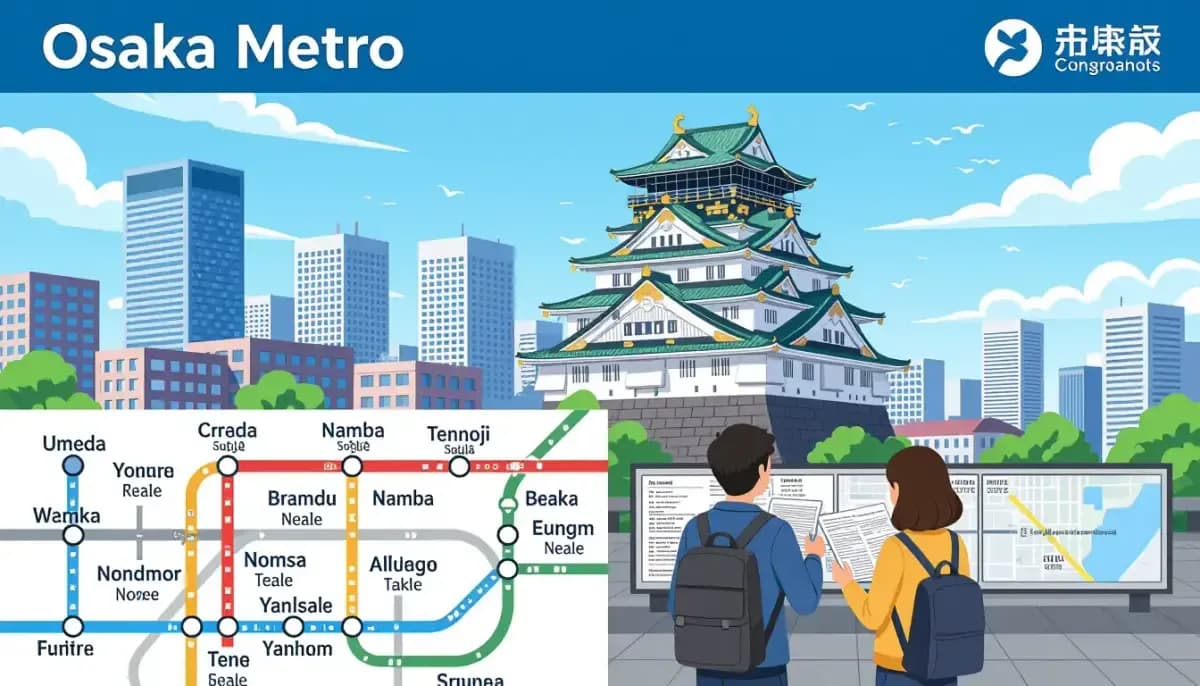
Osaka Subway and Transit Accessibility Property Guide
Complete guide to Osaka subway and transit accessibility for property buyers. Compare prices by metro line, find the best neighborhoods, and learn how transit proximity affects property values in Osaka.
Read more →
Post-Expo 2025 Impact on Osaka Property Market
Expo 2025 reshaped Osaka real estate with record land price gains and a 2.9 trillion yen economic boost. Discover what the post-Expo market means for foreign buyers and investors in 2026 and beyond.
Read more →
Osaka New Development Projects and Growth Areas for 2026
Discover Osaka's biggest development projects in 2026 — Grand Green Osaka, the ¥1.27 trillion Yumeshima IR, and the top growth neighborhoods for foreign property buyers.
Read more →