
Gifu and Takayama Property Guide for Foreign Buyers

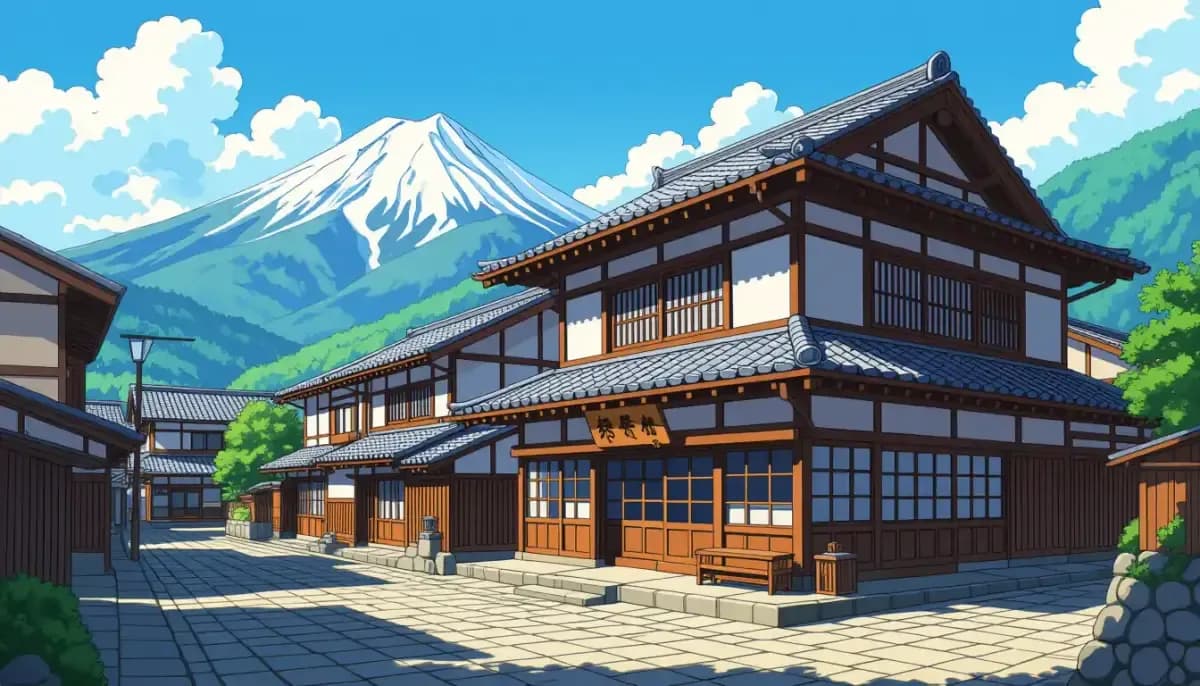
Complete guide to buying property in Gifu and Takayama as a foreigner. Covers legal rights, market prices, akiya/kominka opportunities, buying process, and costs for international buyers.
Gifu and Takayama Property Guide for Foreign Buyers
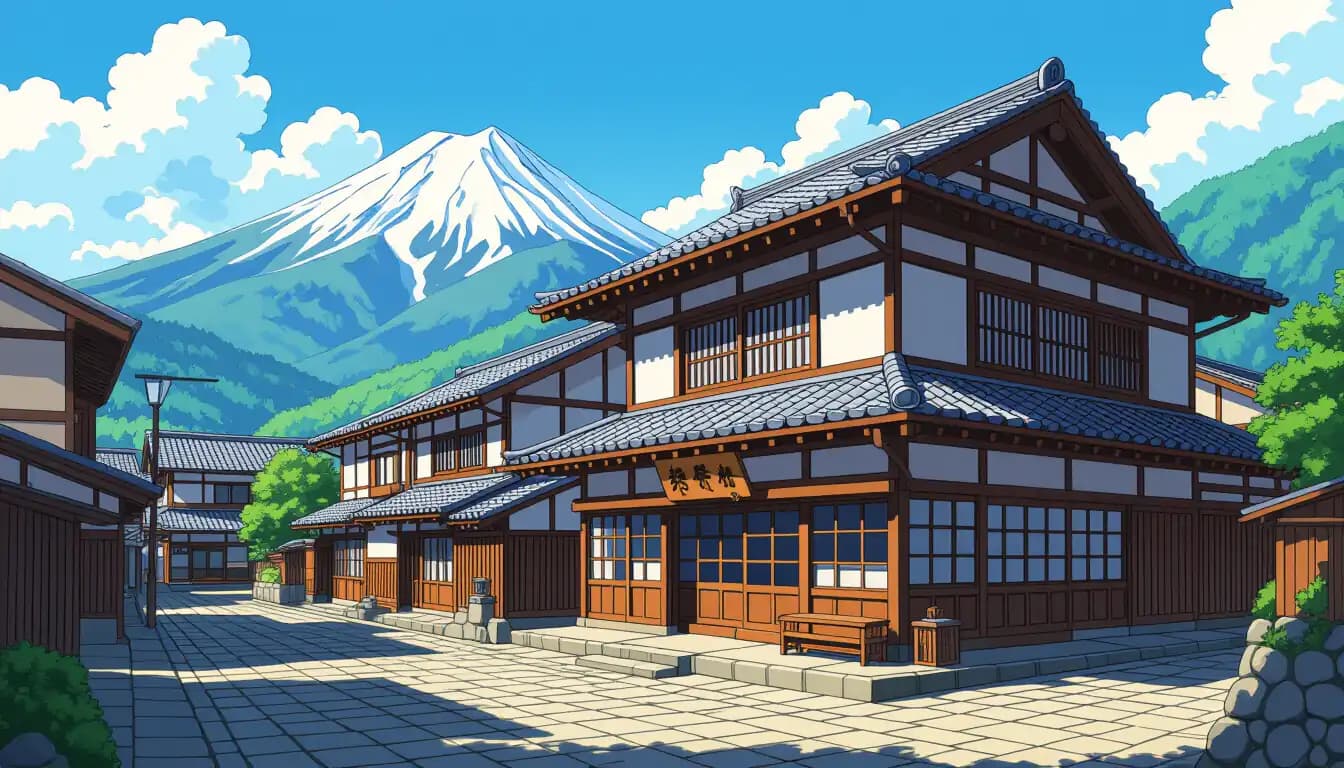
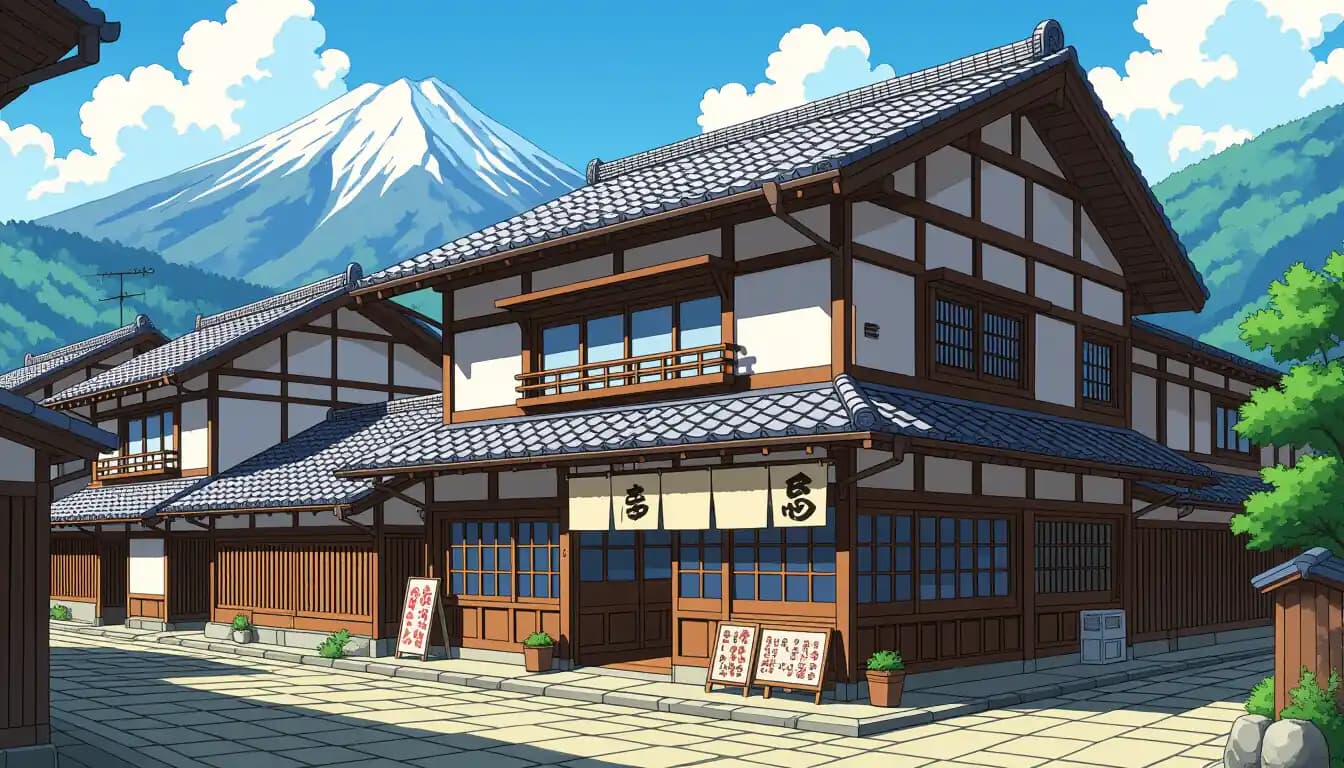
Gifu Prefecture, and its crown jewel Takayama, represent one of Japan's most compelling destinations for foreign property buyers seeking a combination of natural beauty, cultural richness, and affordable real estate. Nestled in the mountainous Hida region of central Japan, Takayama—often called "Hida-Takayama"—is renowned for its remarkably preserved Edo-period streetscapes, world-class festivals, and proximity to iconic sites like Shirakawa-go. For foreigners dreaming of owning a traditional Japanese kominka townhouse or a countryside retreat away from urban congestion, Gifu offers extraordinary opportunities at a fraction of Tokyo or Osaka prices.
This comprehensive guide covers everything you need to know about buying property in Gifu and Takayama as a foreigner—from the legal framework and market conditions to the buying process, costs, and practical tips for navigating this unique market.
Can Foreigners Buy Property in Gifu and Takayama?
The good news is that Japan has some of the most foreigner-friendly property ownership laws in Asia. Foreigners can purchase property in Japan with no citizenship or residency requirement. Whether you hold a tourist visa, a work visa, or live abroad entirely, you are legally entitled to buy and own property on a full freehold basis—exactly the same rights as Japanese citizens.
This applies to properties in Gifu Prefecture, including Takayama, with one important caveat: agricultural land and forest land require special government permission under the Agricultural Land Act. Since much of the rural Gifu landscape consists of rice paddies, mountain forests, and traditional farmland, this restriction is particularly relevant for buyers interested in kominka properties with extensive land. Always verify the land classification (農地 nōchi for agricultural, 山林 sanrin for forest) before making an offer.
Key legal rights for foreign property owners in Japan:
- Full ownership of land and buildings
- No expiration on ownership rights
- Freedom to rent, sell, or inherit the property
- Equal treatment under Japanese property law
For a deeper understanding of the legal framework, Living in Nihon offers practical guides on settling into Japanese life as a foreigner.
The Gifu and Takayama Property Market
Market Overview
Takayama occupies a unique position in Japan's real estate landscape. It is ranked #22 of 209 most visited destinations in Japan with a rating of 4.2/5 from nearly 1,000 reviews—making it one of the country's premier tourist destinations. This popularity has two contrasting effects on the property market:
- Tourism-driven appreciation: The weak yen combined with Japan's tourism boom drove notable land price increases in popular tourist areas like Takayama during 2023–2024.
- Rural depopulation pressure: Like many rural Japanese municipalities, Takayama faces an aging and declining population, resulting in a significant stock of vacant homes known as akiya (空き家).
The result is a bifurcated market: well-located properties in or near Takayama's historic Old Town command premium prices due to tourism potential, while more remote properties in surrounding Hida villages can be extraordinarily affordable.
Current Listings and Pricing
Based on active market data, here is what buyers can expect in the Takayama area:
| Property Type | Price Range (JPY) | Price Range (USD) | Land Area | Notes |
|---|---|---|---|---|
| Entry-level akiya/kominka | ¥800,000–¥3,000,000 | ~$5,000–$20,000 | 171–500 m² | Often requires major renovation |
| Mid-range family homes | ¥3,000,000–¥10,000,000 | ~$20,000–$65,000 | 300–800 m² | Built 1970s–1990s |
| Historic kominka (premium) | ¥6,500,000–¥20,000,000 | ~$42,000–$130,000 | 500–1,942 m² | May include fields, rice paddies |
| Mountain villas | ¥1,000,000–¥5,000,000 | ~$6,500–$32,000 | 1,000+ m² | Remote locations, large plots |
One standout example: a historic house built in 1897 in the Asahi-cho area listed at ¥6.5 million, complete with attached fields and rice paddies on expansive land. Another entry-level option: a mountain villa at ¥1,000,000 with 1,689 m² of land and panoramic mountain views.
For the most current listings, allakiyas.com maintains an active database of Takayama properties and is one of the best English-language resources for akiya hunting in the region.
The Buying Process for Foreigners in Takayama
Purchasing property in Gifu and Takayama follows the same process as the rest of Japan, though the rural character of the market means you'll want to engage specialists with regional experience. The process typically takes 60–90 days from offer to completion.
Step-by-Step Buying Process
Step 1: Engage a Bilingual Real Estate Agent Finding an English-speaking or bilingual agent in rural Gifu is more challenging than in Tokyo or Osaka. Consider working with national bilingual agencies that can source properties remotely, or connect with local Takayama agents through referrals in expat communities. For Work in Japan's community resources at forworkinjapan.com can be a useful starting point for finding professional networks in regional Japan.
Step 2: Property Search and Tours Visit properties in person when possible. Takayama is accessible by direct Limited Express "Hida" train from Nagoya (approximately 2.5 hours) or by highway bus from Nagoya and Osaka. Factor in potential renovation costs, especially for older kominka properties. Always confirm land classification and check for any agricultural use restrictions.
Step 3: Mortgage Pre-Approval (If Needed) Non-resident foreigners often face challenges securing Japanese mortgages. Banks typically require:
- Permanent residency or stable long-term visa status
- Annual income of ¥4–5 million or more
- Down payment of 20–30%
SMBC Trust Bank PRESTIA and Suruga Bank are among the institutions that work with foreign buyers. For detailed mortgage options, see our guide on mortgages and home loans for foreigners in Japan.
Step 4: Submit Offer and Review Disclosures Your agent will prepare an offer. Upon acceptance, you receive the Jūyō Jikō Setsumei-sho (重要事項説明書)—the legally required disclosure document. This document is in Japanese; translations are for reference only. The disclosure covers legal status, encumbrances, zoning, and known defects.
Step 5: Sign Contract and Pay Deposit The purchase contract (売買契約 baibai keiyaku) is signed and a deposit of 5–10% of the purchase price is paid. Note that earnest money is paid directly to the seller under Japan's trust-based system, not held in escrow.
Step 6: Final Closing at Legal Affairs Bureau Registration is completed at the local Legal Affairs Bureau (Hōmushō Hōmyoku). A licensed judicial scrivener (shihō shoshi) handles the registration paperwork.
For a detailed walkthrough of the entire process, see our step-by-step home buying guide.
Costs and Fees When Buying in Gifu/Takayama
Understanding the total cost of acquisition is essential. Beyond the purchase price, expect to pay approximately 5–10% in additional acquisition costs:
| Cost Item | Amount | Notes |
|---|---|---|
| Agent commission | 3% + ¥60,000 + consumption tax | Paid to your real estate agent |
| Judicial scrivener fee | ¥50,000–¥150,000 | Handles registration |
| Stamp duty | ¥10,000–¥60,000 | Reduced rates through March 2027 |
| Registration/license tax | 1.5–2.0% of assessed value | Paid at closing |
| Property acquisition tax | 3% of assessed value | One-time; reduced rates through March 2027 |
| Home inspection (optional) | ¥50,000–¥100,000 | Strongly recommended for older properties |
Annual Ownership Costs
Once you own property in Takayama, expect the following ongoing costs:
- Fixed asset tax (固定資産税): 1.4% of assessed value annually
- City planning tax (都市計画税): Up to 0.3% annually (may not apply in rural Gifu areas)
- Maintenance costs: Older kominka require significant ongoing maintenance; budget ¥100,000–¥500,000+ annually depending on property condition
For a full breakdown of all ownership costs, see our dedicated guide on property taxes and annual costs in Japan.
Remittance and Foreign Exchange Rules
If purchasing from abroad, note that transfers of ¥30 million or more must be reported to the Bank of Japan within 10 days under the Foreign Exchange and Foreign Trade Act (FEFTA). Cash carried across the Japanese border exceeding ¥1 million must also be declared at customs. Working with a foreign exchange specialist like Wise or OFX can save significant costs compared to standard bank wire transfers.
Unique Opportunities: Akiya and Kominka Properties
One of the most distinctive aspects of the Gifu/Takayama property market is the abundance of traditional properties. Two categories deserve special attention:
Akiya (空き家) — Vacant Houses
Japan's akiya problem is acute in rural prefectures like Gifu. As of the most recent housing census, Japan has over 8 million vacant homes nationally, with rural areas accounting for a disproportionate share. Many Gifu municipalities, including Takayama, operate akiya banks (空き家バンク)—official registries where property owners list vacant homes for sale or rent, often at highly subsidized prices or even for free (in exchange for renovation commitments).
Contact Takayama City Hall's Housing Division or check the national akiya bank portal (全国版空き家・空き地バンク) for registered vacant properties. Some listings are available for as little as ¥0 with conditions attached, though renovation costs can be substantial.
Kominka (古民家) — Traditional Farmhouses
Kominka are historic Japanese farmhouses, often featuring:
- Irori (囲炉裏): Traditional sunken hearths
- Engawa: Wooden verandas running along the exterior
- High-pitched thatched or tiled roofs in the gassho-zukuri style
- Thick earthen walls and heavy wooden beams
Gifu, particularly the Hida region around Takayama and Shirakawa-go, is one of Japan's richest areas for authentic kominka. Restoring a kominka can be a deeply rewarding project, but costs are significant. Budget ¥5–20 million or more for full renovation of a traditional farmhouse. Some municipalities offer renovation subsidies to buyers who commit to preserving traditional architectural elements.
For broader context on rural property opportunities across Japan, see our guide on rural and countryside properties in Japan.
Why Buy in Gifu and Takayama?
Beyond price advantages, there are compelling lifestyle and investment reasons to consider this region:
Cultural immersion: Takayama's Sanmachi Suji historic district preserves original Edo-period sake breweries, craft shops, and merchant houses. Living here means being immersed in genuine Japanese heritage culture.
World-class festivals: The Takayama Festival (高山祭), held in spring (April) and autumn (October), is considered one of Japan's three greatest festivals, featuring ornate festival floats dating to the 17th century.
Natural environment: Surrounded by the Japanese Alps, Gifu offers exceptional outdoor recreation—hiking, skiing, hot spring bathing (onsen), and access to World Heritage Site Shirakawa-go (50 minutes by bus from Takayama).
Investment potential: Tourism infrastructure continues to develop, and the weak yen has made Japanese properties increasingly attractive to international buyers. Properties near Takayama's historic center with short-term rental potential (民泊 minpaku) may offer attractive yields as tourism continues to grow.
Proximity to major cities: Direct train service connects Takayama to Nagoya (2.5 hours) and onward connections to Tokyo (total ~4 hours) and Osaka (~3.5 hours via highway bus).
Gaijin Buy House at gaijinbuyhouse.com is another community resource for foreigners navigating the Japanese real estate market, with practical perspectives from expats who have gone through the purchase process themselves.
Practical Considerations for Buyers
Language barrier: Real estate transactions in Japan are conducted entirely in Japanese. All contracts, disclosure documents, and official registrations are in Japanese only. Hire a licensed bilingual agent or a professional interpreter for all key meetings.
Remote buying: Many foreign buyers complete their Gifu/Takayama purchase remotely. This is legally feasible but requires granting power of attorney (inin jō) to a trusted representative in Japan for the closing.
Building inspection: Japan does not have a standardized home inspection industry equivalent to Western markets. For older properties (especially pre-1981 construction that may predate updated earthquake building codes), engage a licensed kenchiku shi (architect) to assess structural condition before signing.
Earthquake resistance: Check whether properties meet current earthquake resistance standards. The 1981 New Seismic Standard (shin taishin kijun) and the 2000 updated standards are critical benchmarks. Pre-1981 properties may require expensive seismic retrofitting (taishin kōji).
Residency implications: Property ownership in Japan does not confer any visa or residency rights. If you plan to live in the property, ensure you have an appropriate visa. For foreigners interested in the relationship between property ownership and residency, see our guide on visa and residency considerations for property buyers.
Conclusion: Is Gifu and Takayama Right for You?
Gifu Prefecture and Takayama represent a compelling proposition for foreign buyers who value authenticity, natural beauty, and affordability over urban convenience. With properties ranging from ¥800,000 entry-level akiya to multi-million-yen restored kominka, the market accommodates a wide range of budgets and ambitions.
The key to success is doing thorough due diligence—particularly around land classification, property condition, and renovation costs. Work with bilingual professionals, engage the local municipality's akiya support programs, and approach the purchase as a long-term commitment to a community rather than a quick investment flip.
For broader context on the Japanese property market as a whole, start with our complete guide to buying property in Japan as a foreigner before diving into region-specific research.
Whether you're drawn by the dream of waking up in a centuries-old farmhouse with mountain views, or by the prospect of owning a piece of Japan's most authentically preserved historic townscape, Gifu and Takayama deserve serious consideration from any foreigner exploring Japanese real estate.

Originally from Vietnam, living in Japan for 16+ years. Graduated from Nagoya University, with 11 years of professional experience at Japanese and international companies. Sharing information about buying property in Japan for foreigners.
View Profile →Related Articles

Chubu Region New Development and Infrastructure Projects
Explore Chubu region's major infrastructure projects including the maglev Chuo Shinkansen, Meitetsu Nagoya Station redevelopment, and smart city initiatives. Essential guide for foreign property buyers in Nagoya and the Chubu region.
Read more →
Toyota City and Industrial Area Property Near Nagoya
Complete guide to buying property in Toyota City and industrial areas near Nagoya. Prices, zoning rules, mortgages, and tips for foreign buyers in Aichi Prefecture.
Read more →
Nagoya Rental Property Investment Guide for Foreigners
A complete guide to investing in Nagoya rental property as a foreigner: yields 4-8%, neighborhoods, taxes, mortgages, and property management tips for 2025.
Read more →
Chubu Region Rural Property: Affordable Options for Foreigners
Discover affordable rural property options in Japan's Chubu region. Complete guide for foreigners on buying homes in Nagano, Gifu, Toyama, and Shizuoka — including prices, akiya banks, and the purchase process.
Read more →
Karuizawa Resort Property Investment Guide for Foreigners
Complete guide to buying resort property in Karuizawa as a foreigner: market overview, price ranges by area, buying process, annual costs, rental income potential, and legal considerations.
Read more →
Nagano Mountain and Resort Property Guide for Foreigners
Complete guide to buying mountain and resort property in Nagano as a foreigner. Covers Hakuba, Karuizawa, Nozawa Onsen — prices, legal rules, taxes, and rental income potential.
Read more →