
Tokyo New Construction and Development Projects Guide

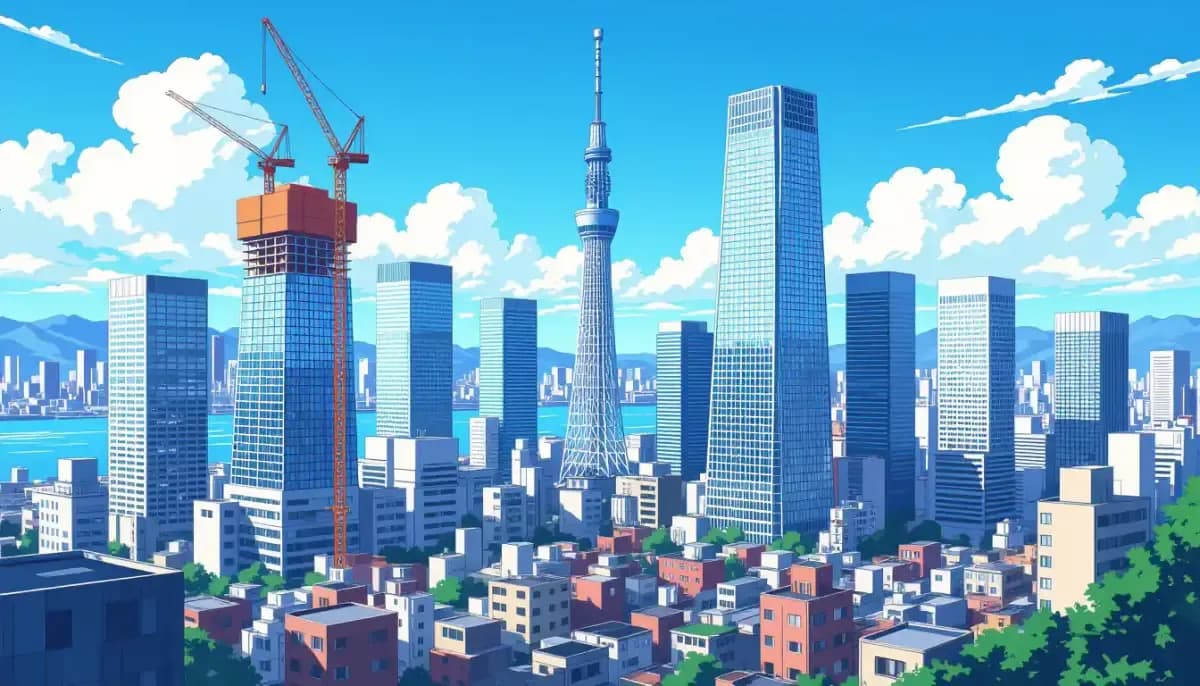
Complete guide to Tokyo's major new construction and development projects for foreign buyers in 2025. Covers Azabudai Hills, Takanawa Gateway, Blue Front Shibaura, investment zones, prices, and the buying process for expats.
Tokyo New Construction and Development Projects Guide for Foreign Buyers
Tokyo is undergoing one of the most dramatic urban transformation periods in its modern history. From the towering heights of Azabudai Hills to the visionary smart city of Takanawa Gateway, major new construction and development projects are reshaping the Japanese capital at breathtaking speed. For foreign investors and expats looking to buy or rent property in Tokyo, understanding these developments is essential — they create new neighborhoods, drive property value appreciation, and open doors to premium residential opportunities that simply did not exist a few years ago.
This guide covers the most significant Tokyo new construction and development projects currently underway, what they mean for foreign buyers, where the hottest investment zones are, and how to navigate the market as a foreigner in 2025 and beyond.
Major Tokyo Development Projects Transforming the City
Tokyo's skyline is being redefined by a wave of large-scale mixed-use developments, many of which include significant residential components. Here are the key projects every foreign buyer should know about.
Azabudai Hills opened in November 2023 and immediately became a landmark of luxury urban living. The 8.1-hectare development in Minato ward is anchored by Japan's tallest building — a soaring 330-meter, 64-story tower — and contains approximately 1,400 residential units. The complex also houses the British School in Tokyo, the teamLab Borderless digital art museum, and an extensive retail and dining precinct. For high-net-worth foreign buyers, Azabudai Hills represents Tokyo's most prestigious new address; average residential unit prices are approximately ¥2 billion (~$14 million USD), placing it firmly in the ultra-luxury tier.
Takanawa Gateway City in Shinagawa is arguably Tokyo's most ambitious smart city project. Developed by JR East on former train depot land stretching 1.6 kilometers north to south, Phase I opened on March 27, 2025. The grand "smart city" opening is scheduled for spring 2026. The development features a 44-story high-rise with premium rental apartments explicitly targeting expatriate professionals, a JW Marriott hotel, an international school, MICE (Meetings, Incentives, Conferences, and Exhibitions) facilities, and cutting-edge urban infrastructure. Its location next to Takanawa Gateway Station — the first new station on the Yamanote Line in 49 years — makes it one of the most exciting new residential addresses in Tokyo.
Blue Front Shibaura (Hamamatsucho) is a 4.7-hectare twin-tower development by JR East and Nomura Real Estate. Tower S (43 stories, 230 meters) was completed in February 2025, with Japan's first Fairmont Hotel (217 rooms) opening in July 2025. The full development will be complete by 2030. Located between Hamamatsucho and Tamachi stations, Blue Front Shibaura is positioning itself as Tokyo's new gateway for international business and luxury living.
Shibuya Sakura Stage opened in mid-2024 in the Sakuragaoka district, developed by Tokyu Land Corporation. The 2.6-hectare project features twin towers of 39 and 30 stories, housing the largest office space in Shibuya's redevelopment pipeline, approximately 90 retail stores, and serviced apartments ideal for foreign executives. After opening, pedestrian traffic in the area increased by 1.43 times — a sign of the foot traffic and community vitality these mega-developments generate. Google Japan is among the major tenants.
Tsukiji Grand Redevelopment will transform the famous former fish market site into a 900-billion-yen mixed-use destination. Covering 190,000 square meters, the project plans a 50,000-person all-weather multi-functional stadium, a 1,200-seat theater, MICE facilities, a food hall preserving the Tsukiji brand, and infrastructure supporting autonomous vehicles and air mobility. Phased openings are planned through 2030, and surrounding residential values are already rising in anticipation.
Key Investment Zones: Where to Focus Your Search
Not all areas benefit equally from Tokyo's construction boom. Smart foreign buyers focus on zones where multiple projects converge, creating neighborhood-level transformation.
| Zone | Key Projects | Completion | Why It Matters for Buyers |
|---|---|---|---|
| Shinagawa / Takanawa | Takanawa Gateway City | 2025–2026 | Smart city, expat-friendly rentals, new Yamanote station |
| Hamamatsucho / Shibaura | Blue Front Shibaura | 2025–2030 | Luxury towers, Fairmont Hotel, bayside living |
| Shibuya / Sakuragaoka | Shibuya Sakura Stage | 2024 | Revitalized Shibuya south, serviced apartments |
| Azabudai / Minato | Azabudai Hills | Completed 2023 | Ultra-luxury, international school, tallest tower |
| Tsukiji / Harumi | Tsukiji Redevelopment, Harumi Flag | 2027–2030 | Waterfront living, stadium, Olympic legacy housing |
| Nihonbashi | Nihonbashi 1-chome North Area | 2026 | Historic district revival, 52-story tower, riverside |
| Kachidoki / Toyomi | Grand Marina Tokyo, Toyomi Tower | 2027–2028 | Waterfront towers, future subway line by 2040 |
| Yaesu / Tokyo Station | Yaesu 2-chome Central Redevelopment | 2028 | Prime central location, international school, 43-story tower |
For foreign buyers seeking appreciation potential, the Kachidoki and Toyomi waterfront area deserves special attention. Two major luxury residential projects — Grand Marina Tokyo (completion 2028) and Toyomi Tower Marine & Sky (completion 2027) — are under development, and a new Tokyo Rinkai Subway Line planned for 2040 will cut Haneda Airport travel time from 35 minutes to just 20 minutes, boosting long-term value significantly.
For more on Tokyo property buying as a foreigner, see our Complete Guide to Buying Property in Tokyo as a Foreigner and the Japan Real Estate Market Overview and Trends.
Tokyo New Condominium Market: Prices and Supply in 2025
The new condominium market in Tokyo is robust and increasingly international. The Real Estate Economic Institute forecasts approximately 26,000 new condominiums will be launched in the Greater Tokyo Area in 2025 — a roughly 13% increase from 2024. However, prices are also rising sharply.
Average prices for newly launched condominiums (as of early 2025):
- Greater Tokyo Area: ¥81.35 million (~$543,000 USD)
- Tokyo's 23 Wards: ¥116.3 million (~$776,000 USD)
- Central 5 Wards (Chiyoda, Chuo, Minato, Shinjuku, Shibuya): ¥150 million+ for premium new builds
Residential land values in Tokyo's five central wards grew over 10% year-on-year, and property prices across Tokyo are forecast to increase 5–6% annually in 2025 according to Mitsubishi UFJ Trust and Banking. This trajectory makes purchasing new construction in Tokyo both a lifestyle choice and a compelling investment.
Foreign buyers should note that new construction (shinchiku, 新築) in Japan typically comes with a 10-year builder's warranty on structural elements, making it a lower-risk entry point compared to older resale properties. For a comprehensive look at the buying process, visit the Step-by-Step Home Buying Process in Japan for Foreigners guide.
Foreign Investment in Tokyo Real Estate: The Big Picture
Tokyo has become one of the world's most sought-after real estate markets for international capital. Foreign investment in Japanese real estate reached JPY 2.3 trillion (~$15.7 billion USD) in 2024, a 12% year-on-year increase. Foreign buyers now account for 27% of total real estate transactions — up from 21% just five years ago. North American and European institutional funds account for 68% of all foreign investment.
Individual foreign buyers are also increasingly active. Foreign investment in residential assets specifically grew 18% year-on-year to JPY 740 billion (~$5 billion USD) in 2024, driven by strong demand for multifamily rentals, co-living spaces, and build-to-rent developments.
Several structural factors make Tokyo's new construction market particularly attractive to international buyers:
- Yen weakness: The JPY has been significantly weaker against major currencies, making Tokyo real estate considerably cheaper in USD, EUR, or GBP terms compared to 2020.
- No restrictions on foreign ownership: Japan has no legal barriers to foreign property ownership. Foreigners enjoy identical ownership rights to Japanese nationals. See Can Foreigners Buy Property in Japan? Legal Rights and Restrictions.
- Low interest rates: Japan maintains some of the lowest mortgage rates in the world, though rates have started to rise modestly in 2024–2025.
- Strong rental yields: New construction in central Tokyo can yield 3–5% gross rental income annually, competitive with other major global cities.
- Infrastructure investment: The Olympic legacy, new train lines, and government-backed smart city initiatives continue to improve urban livability.
For in-depth information about the foreign investment landscape, resources like Japan Luxury Realty Group's Tokyo Redevelopment Projects Guide and PropertyAccess's analysis of Tokyo's Top Redevelopment Hotspots for Foreign Investors provide detailed market perspectives.
For expat lifestyle context while navigating the Tokyo property market, Living in Nihon covers daily life and housing topics for foreigners in Japan, while For Work in Japan can be helpful if your property search is tied to a work relocation. The blog Gaijin Buy House is another practical resource specifically for foreigners navigating the Japanese real estate purchase process.
How to Buy New Construction in Tokyo as a Foreigner
Buying a newly constructed condominium or house in Tokyo follows a distinct process from purchasing existing properties. Here's what foreign buyers need to know.
Pre-sale (Jizenhanbaiki, 事前販売期): Most new condominiums in Japan are sold before construction is complete, often 1–3 years in advance. Developers hold model room viewings and registration events. Foreign buyers should register interest early, as desirable units in sought-after developments can be oversubscribed.
Purchase Agreement (Baibai Keiyaku, 売買契約): Once a unit is selected, buyers sign a purchase contract and pay a deposit (typically 5–10% of the purchase price). The remaining balance is paid upon completion and handover.
Financing: Foreign buyers can apply for mortgages in Japan, though eligibility varies by visa type and employment status. Many banks require permanent residency or a Japanese national guarantor. For details, see Mortgages and Home Loans for Foreigners in Japan.
Costs: Budget for registration tax, stamp duty, real estate agent fees (if applicable), and ongoing costs including property tax, urban planning tax, and monthly maintenance fees for condominiums. See Hidden Costs and Fees When Buying Property in Japan for a full breakdown. Annual costs are detailed in Property Taxes and Annual Costs of Owning Property in Japan.
Legal documentation: Ensure all contracts and disclosures are reviewed carefully. It is advisable to engage a licensed judicial scrivener (shiho shoshi) to handle registration. See Legal Procedures and Documentation for Japan Property Purchase.
Language: Most new development marketing materials and contracts are in Japanese. Working with a bilingual real estate agent who specializes in foreign clients is strongly recommended. Companies like Plaza Homes (realestate-tokyo.com) and Housing Japan (housingjapan.com) offer English-language services for foreign buyers.
Visa and Residency Considerations
One of the most common misconceptions among foreign buyers is that purchasing property in Tokyo will help them obtain residency or a visa. This is not the case. Japan does not have a "golden visa" or investment visa program tied to real estate ownership. Property ownership does NOT grant residency rights of any kind.
Foreign buyers must have a valid reason to reside in Japan (employment, spouse visa, investor/business manager visa, etc.) independent of their property ownership. For full details, see Visa and Residency Considerations for Property Buyers in Japan.
That said, Tokyo's new development zones — especially Takanawa Gateway, Blue Front Shibaura, and Azabudai Hills — are designed with international residents in mind, featuring international schools, multilingual services, and amenities catering to expatriate professionals on work visas.
What's Coming Next: Future Projects to Watch
Tokyo's development pipeline extends well beyond 2025. Key upcoming projects that will shape the next decade include:
- Nihonbashi 1-chome Naka Area Redevelopment: A 3-hectare Mitsui Fudosan-led project with a planned 52-story, 284-meter central tower on the Nihonbashi River, scheduled for completion in March 2026. ~30 minutes from Haneda Airport.
- Yaesu 2-chome Central District Redevelopment: 317.2 billion yen project near Tokyo Station; 43-floor tower with offices, serviced apartments, international school, and airport bus terminal. Groundbreaking August 2024, completion expected 2028.
- Kachidoki Waterfront (Grand Marina Tokyo + Toyomi Tower): Two luxury waterfront towers completing 2027–2028, with the planned Tokyo Rinkai Subway Line by 2040 set to dramatically increase accessibility.
- Harumi Flag Phase 2+: The Olympic Athletes' Village legacy redevelopment continues, with additional residential towers planned through the early 2030s.
- Shibuya Stream Excel Hotel Tokyu Area Redevelopment: Continued transformation of the Shibuya station surroundings with additional high-rise towers in the pipeline.
Tokyo's construction boom shows no signs of slowing. For foreign buyers with a long-term horizon, entering the market now — particularly in emerging zones like Takanawa, Kachidoki, and Nihonbashi — positions them to benefit from decades of planned infrastructure investment and urban improvement.
For a comprehensive overview of buying across different property types in Japan, see Types of Properties Available in Japan: A Complete Guide, and for the full buying guide, visit Complete Guide to Buying Property in Japan as a Foreigner.

Originally from Vietnam, living in Japan for 16+ years. Graduated from Nagoya University, with 11 years of professional experience at Japanese and international companies. Sharing information about buying property in Japan for foreigners.
View Profile →Related Articles
Tokyo Expat Neighborhoods and International Community Guide
A complete guide to the best Tokyo neighborhoods for expats and foreigners. Compare Minato, Shibuya, Shinjuku and more with rent costs, community info, and practical tips for living in Tokyo.
Read more →
Tokyo Waterfront and Bay Area Property Guide
Complete guide to buying property in Tokyo's waterfront and bay area for foreigners. Covers Toyosu, Kachidoki, Ariake, prices, legal rights, financing, and investment tips.
Read more →
How Train Station Proximity Affects Tokyo Property Value
Discover how walking distance to train stations drives Tokyo property prices. Learn the 10-minute rule, price tiers, Yamanote Line data, and key insights for foreign buyers investing in Tokyo real estate.
Read more →
Tokyo Property Investment Yield Analysis by Area
Compare rental yields across Tokyo's 23 wards. Eastern wards like Edogawa (5.17%) and Adachi (5.03%) deliver the highest returns, while Minato and Shibuya yield 3–3.6%. Full area-by-area breakdown for foreign investors.
Read more →
Tokyo Suburbs: Affordable Property Options for Foreign Buyers
Discover the most affordable Tokyo suburbs for foreign property buyers in 2025. Compare prices in Nakano, Edogawa, Kichijoji, and more — with buying tips for foreigners.
Read more →
Setagaya Ward Property Guide for Foreign Families
Complete guide to buying property in Setagaya Ward Tokyo as a foreigner. Neighborhoods, prices, schools, mortgage options, and practical tips for foreign families relocating to Setagaya.
Read more →