
Tokyo Expat Neighborhoods and International Community Guide

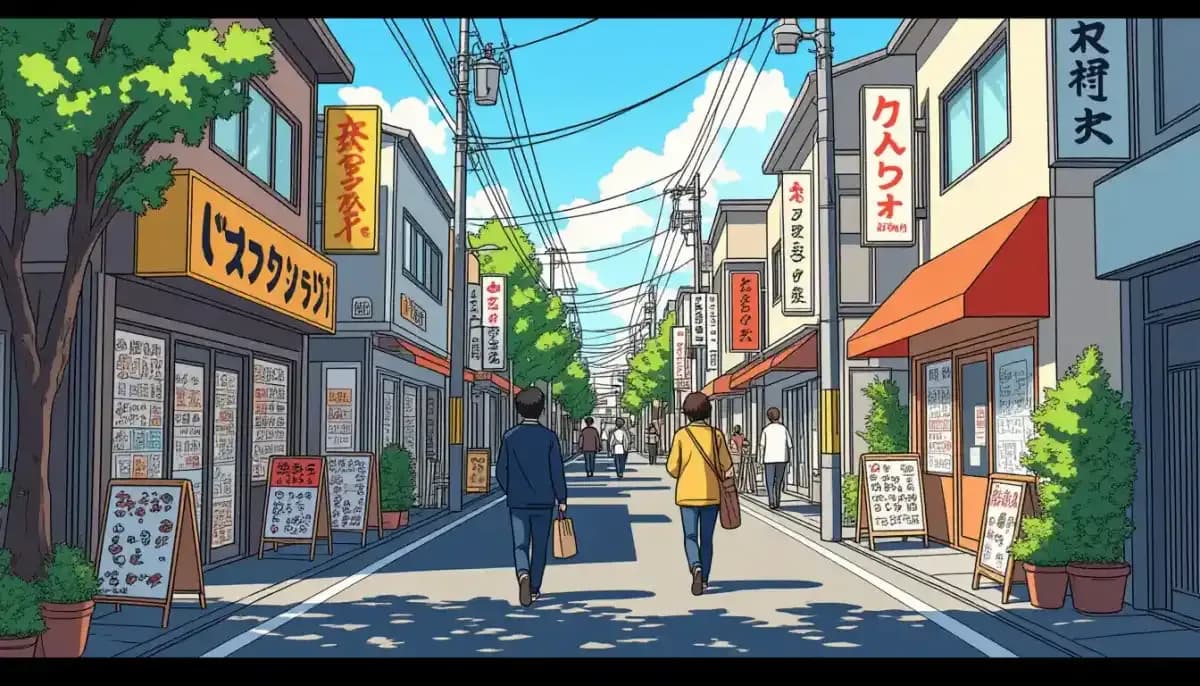
A complete guide to the best Tokyo neighborhoods for expats and foreigners. Compare Minato, Shibuya, Shinjuku and more with rent costs, community info, and practical tips for living in Tokyo.
Tokyo Expat Neighborhoods and International Community Guide
Tokyo is home to over 721,000 foreign residents as of 2025, making it the undisputed hub of expat life in Japan. Whether you are relocating for work, buying property, or simply exploring your options, understanding where expats live in Tokyo—and why—is essential for making the right decision. This guide covers the best neighborhoods for foreigners in Tokyo, the international communities that thrive there, rental costs, and practical tips for settling in.
!Tokyo expat neighborhood street scene in Minato ward
Why Tokyo Is Japan's Top Expat Destination
Tokyo attracts more foreign residents than any other city in Japan, and for good reason. The city offers world-class infrastructure, excellent public transport, a vast array of international schools and medical facilities, and a lifestyle that can accommodate virtually any budget or preference.
As of 2025, approximately 1 in 10 people living in central Tokyo wards is a non-Japanese national. The Tokyo Metropolitan Government actively supports foreign residents through multilingual services, international exchange associations, and cultural programs. Online communities like the Tokyo Expat Network (TEN)—a Facebook group with over 30,000 members—make it easy to connect with other foreigners for housing tips, job leads, and social events.
For those considering purchasing property, Tokyo offers strong investment fundamentals alongside expat lifestyle benefits. See our complete guide to buying property in Tokyo as a foreigner for a full breakdown of the process.
Minato Ward: The International Hub
Best for: Corporate expats, diplomats, families, high-income professionals
Minato Ward is Tokyo's most internationally oriented ward, and arguably its most prestigious address for foreign residents. The ward hosts 81 embassies—more than half of all embassies in Tokyo prefecture—which naturally creates a dense concentration of foreign diplomats, executives, and international professionals.
Key neighborhoods within Minato:
- Roppongi / Roppongi Hills: The social heart of expat Tokyo, with international bars, restaurants, and the famous Roppongi Hills complex. Ideal for those who want an active social scene.
- Hiroo: Quieter and more residential than Roppongi, Hiroo is especially popular with expat families. The area has international supermarkets, English-speaking clinics, and Arisugawa-no-miya Memorial Park nearby.
- Azabu-Juban: Upscale shopping and dining in a walkable, residential atmosphere. Known for its mix of Japanese residents and long-term foreign residents.
- Akasaka: A business and entertainment district with high-end apartments favored by corporate expats.
Foreign resident ratio: ~8.2% of ward population
Typical monthly rent: ¥200,000–¥300,000 for a family-sized apartment
International schools in the area include Nishimachi International School and the Sacred Heart International School, making Minato particularly attractive for expat families.
For more on the Tokyo real estate market by neighborhood, see Gaijin Buy House's Tokyo Real Estate Guide, which covers pricing, property types, and foreigner-specific purchasing considerations.
Shibuya Ward: Trendy and Well-Connected
Best for: Young professionals, creatives, digital nomads, tech workers
Shibuya Ward offers a blend of vibrant city life and established expat amenities. It attracts younger foreign professionals, IT workers, and those who want to be close to Tokyo's creative and startup scenes.
Key neighborhoods:
- Daikanyama: Often described as Tokyo's Brooklyn, Daikanyama has boutique shops, independent cafes, and a relaxed, village-like atmosphere. Popular with design professionals and lifestyle-focused expats.
- Ebisu: A mature, upscale residential area with excellent restaurants and direct access to Shibuya and Roppongi. Quieter than Daikanyama but equally well-serviced.
- Yoyogi-Uehara: Tree-lined streets and a family-friendly atmosphere; popular with European expats. Easy access to Yoyogi Park.
Typical monthly rent: ¥180,000–¥250,000
Shibuya's IT hub status means many tech companies and startups have offices here, making the commute short for employees. The ward also benefits from strong public transport links on the JR Yamanote Line and multiple private rail lines.
Shinjuku Ward: Most Diverse and Accessible
Best for: Singles, students, budget-conscious expats, those wanting local immersion
Shinjuku Ward has the largest absolute number of foreign residents in Tokyo, with roughly 40,000+ registered foreign nationals. Approximately 13% of the ward's population is non-Japanese. This diversity makes Shinjuku one of the most international places in Japan.
Key neighborhoods:
- Shin-Okubo (Koreatown): Tokyo's most famous ethnic enclave, with Korean supermarkets, restaurants, and community organizations. Also home to significant Southeast Asian communities.
- Kagurazaka: Often called "Tokyo's Little Paris," this charming hillside neighborhood has a substantial French expat community, French restaurants, and a Franco-Japanese cultural atmosphere.
- Shinjuku (central): High-energy, excellent transit, affordable housing compared to Minato and Shibuya. Multilingual services are widely available at the ward office.
Typical monthly rent: ¥40,000–¥300,000 (wide range depending on property type and exact location)
Shinjuku is a top choice for expats who want easy access to everywhere in Tokyo while maintaining more affordable living costs. For networking and community resources, Living in Nihon's expat communities guide provides an excellent overview of how to connect with other foreigners in Japan.
Ethnic Enclaves and Community Hotspots
Tokyo's expat and immigrant communities are not evenly distributed—specific areas have developed reputations as hubs for particular nationalities:
| Area | Ward | Notable Community | Key Features |
|---|---|---|---|
| Shin-Okubo | Shinjuku | Korean | Koreatown, K-pop shops, Korean food |
| Nishi-Kasai | Edogawa | Indian ("Little India") | Indian grocers, temples, schools |
| Ikebukuro (west exit) | Toshima | Chinese | Restaurants, supermarkets, services |
| Roppongi | Minato | Mixed Western/International | Nightlife, embassies, international schools |
| Kagurazaka | Shinjuku | French | Bistros, French school, cultural events |
| Hiroo | Shibuya | Western/European | International supermarkets, clinics |
Toshima Ward deserves special mention: with the highest foreign resident ratio in Tokyo at 13.0%, it has been designated Japan's first "Special Zone for Multicultural Coexistence," offering dedicated multilingual support and integration programs for foreign residents.
Edogawa Ward's Nishi-Kasai is known throughout Asia as "Little India"—the neighborhood has Indian grocery stores, temples, a Japanese-language school with Indian teachers, and a tight-knit community of Indian IT professionals and their families.
!International community gathering in Tokyo expat neighborhood
Family-Friendly Neighborhoods in Tokyo
Expat families with children often look beyond the central wards for more space, parks, and international schools at reasonable prices.
Setagaya and Meguro Wards are consistently popular with families. Areas like Jiyugaoka, Nakameguro, and Futako-Tamagawa offer:
- Larger apartment sizes compared to central wards
- Green spaces and parks
- Good schools (both Japanese and international)
- Calmer residential atmosphere
- Monthly rents of ¥120,000–¥200,000
Kichijoji (on the western edge of Suginami Ward, often considered its own area) is frequently voted Tokyo's most desirable neighborhood to live in. It offers:
- Inokashira Park with large green spaces
- Art culture and independent shops
- Monthly rents of ¥100,000–¥180,000
- Easy access to central Tokyo via Chuo Line
For budget-conscious expats or those prioritizing space over central location, Nerima and Edogawa Wards offer monthly rents of ¥80,000–¥130,000, though commutes to central business districts will typically be 45–60 minutes.
Practical Tips for Renting as an Expat in Tokyo
Renting in Tokyo as a foreigner comes with some unique challenges, but the process is manageable with the right preparation.
Budget for move-in costs: Initial move-in expenses in Tokyo typically total 3–5 months' rent. This includes security deposit (shikikin), key money (reikin, though less common now), agency fees, and the first month's rent. Always clarify which fees apply before signing.
Guarantors: Many landlords still require a Japanese guarantor (hoshounin). If you don't have one, look for apartments that use a guarantor company (hoshō gaisha) instead—these are increasingly common, especially in expat-friendly areas.
Foreigner-friendly landlords: Not all landlords will rent to foreigners, though this has improved significantly over the past decade. Using a real estate agent experienced with foreign clients dramatically increases your chances. Services like Sakura House, Oakhouse, and expat-focused agencies in Minato and Shibuya cater specifically to foreign renters.
Language: In Minato, Shibuya, and parts of Shinjuku, you can often find English-speaking real estate agents, ward office staff, and medical facilities. In more residential wards, you may need a Japanese-speaking friend or colleague to help with paperwork.
For those considering buying rather than renting, our guide on mortgages and home loans for foreigners in Japan explains the financing options available to non-Japanese residents.
Building Community: How Expats Connect in Tokyo
One of the biggest concerns for newcomers to Tokyo is building a social network. Fortunately, Tokyo has one of the world's most active expat community scenes.
Online communities:
- Tokyo Expat Network (TEN): Facebook group with 30,000+ members for housing, jobs, and social connections
- Meetup.com: The most popular platform for organized expat events, language exchanges, sports groups, and hobby meetups
- InterNations: Professional networking platform popular with corporate expats
Professional networks:
- ACCJ (American Chamber of Commerce in Japan)
- BCCJ (British Chamber of Commerce in Japan)
- CCCJ (Canadian Chamber of Commerce in Japan)
These organizations hold regular business events and offer networking opportunities for foreign professionals.
Cultural exchange programs: Tokyo's ward offices operate International Exchange Associations that offer Japanese language classes, cultural events, and multilingual support services. These are free or low-cost and a great way to meet both Japanese residents and fellow expats.
For more on finding work and building your career in Japan, For Work in Japan offers resources on the job market, visa categories, and industry-specific guidance for foreign workers in Tokyo and beyond.
Comparing Tokyo's Top Expat Neighborhoods
| Neighborhood Area | Ward | Monthly Rent | Best For | Foreign Ratio |
|---|---|---|---|---|
| Roppongi/Hiroo/Azabu | Minato | ¥200K–¥300K | Families, corporates | ~8.2% |
| Daikanyama/Ebisu | Shibuya | ¥180K–¥250K | Young professionals | ~5–6% |
| Shin-Okubo/Kagurazaka | Shinjuku | ¥80K–¥200K | Singles, students | ~13% |
| Jiyugaoka/Nakameguro | Setagaya/Meguro | ¥120K–¥200K | Expat families | ~3–4% |
| Kichijoji | Suginami | ¥100K–¥180K | Lifestyle seekers | ~3–5% |
| Ikebukuro | Toshima | ¥80K–¥150K | Budget, young | ~13% |
| Nishi-Kasai | Edogawa | ¥70K–¥120K | Indian community | ~8% |
Conclusion: Choosing the Right Tokyo Neighborhood
The best Tokyo neighborhood for you as a foreigner depends on your priorities: budget, lifestyle, community, family needs, and commute. Minato Ward offers the quintessential expat experience with strong international community support, top schools, and proximity to embassies—but comes at a premium. Shinjuku provides affordability and diversity. Setagaya and Meguro offer space and calm for families.
Regardless of where you choose to live, Tokyo's expat infrastructure is among the best in Asia. Strong online communities, professional networks, and multilingual city services make it easier than ever to build a fulfilling life in the Japanese capital.
If you are also considering property ownership, see our complete guide to buying property in Japan as a foreigner and our overview of the Japan real estate market for investment context and market trends.

Originally from Vietnam, living in Japan for 16+ years. Graduated from Nagoya University, with 11 years of professional experience at Japanese and international companies. Sharing information about buying property in Japan for foreigners.
View Profile →Related Articles
Tokyo Waterfront and Bay Area Property Guide
Complete guide to buying property in Tokyo's waterfront and bay area for foreigners. Covers Toyosu, Kachidoki, Ariake, prices, legal rights, financing, and investment tips.
Read more →
How Train Station Proximity Affects Tokyo Property Value
Discover how walking distance to train stations drives Tokyo property prices. Learn the 10-minute rule, price tiers, Yamanote Line data, and key insights for foreign buyers investing in Tokyo real estate.
Read more →
Tokyo New Construction and Development Projects Guide
Complete guide to Tokyo's major new construction and development projects for foreign buyers in 2025. Covers Azabudai Hills, Takanawa Gateway, Blue Front Shibaura, investment zones, prices, and the buying process for expats.
Read more →
Tokyo Property Investment Yield Analysis by Area
Compare rental yields across Tokyo's 23 wards. Eastern wards like Edogawa (5.17%) and Adachi (5.03%) deliver the highest returns, while Minato and Shibuya yield 3–3.6%. Full area-by-area breakdown for foreign investors.
Read more →
Tokyo Suburbs: Affordable Property Options for Foreign Buyers
Discover the most affordable Tokyo suburbs for foreign property buyers in 2025. Compare prices in Nakano, Edogawa, Kichijoji, and more — with buying tips for foreigners.
Read more →
Setagaya Ward Property Guide for Foreign Families
Complete guide to buying property in Setagaya Ward Tokyo as a foreigner. Neighborhoods, prices, schools, mortgage options, and practical tips for foreign families relocating to Setagaya.
Read more →