
Minato Mirai and Central Yokohama Property Guide

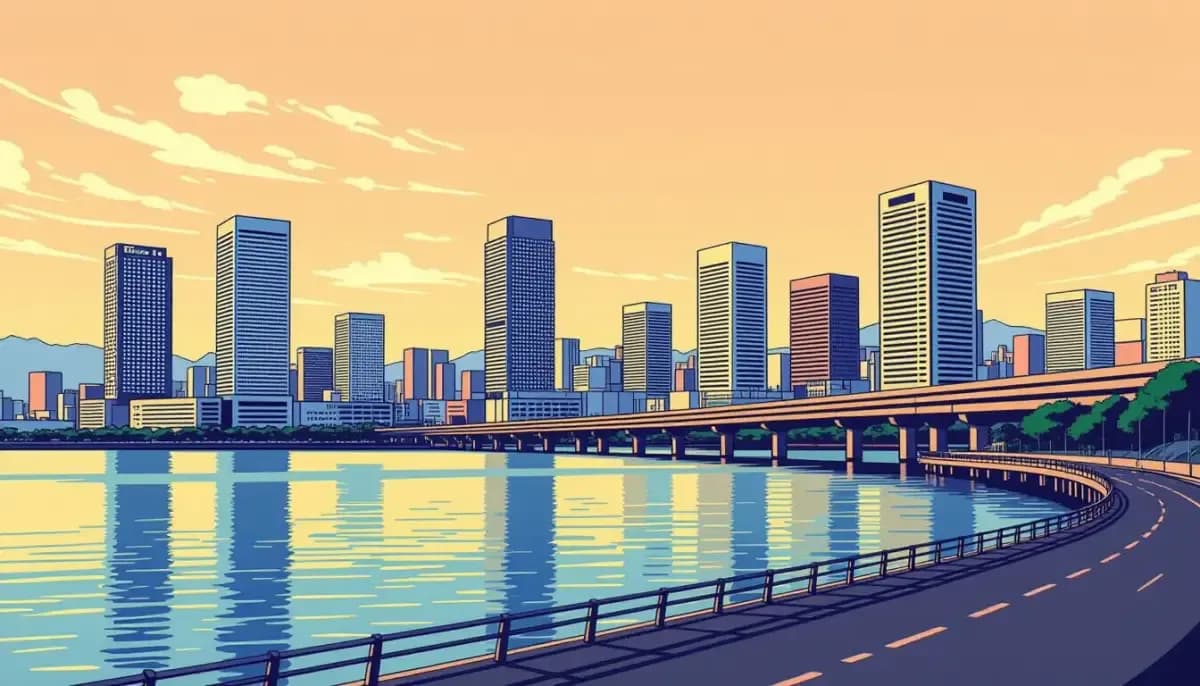
Complete guide to buying or renting property in Minato Mirai and central Yokohama as a foreigner. Property prices, neighborhoods, investment yields, transport access, and step-by-step buying tips.
Minato Mirai and Central Yokohama Property Guide for Foreign Buyers
Minato Mirai — literally "Harbor of the Future" — is one of Japan's most stunning urban development success stories. This waterfront district in central Yokohama combines gleaming high-rise towers, world-class shopping, bay views, and excellent transport links into a neighborhood that has become increasingly attractive for foreign buyers and expats. If you're considering purchasing or renting property in the greater Yokohama area, understanding Minato Mirai and the surrounding central districts is essential.
Yokohama is Japan's second-largest city by population, and its central wards offer a compelling alternative to Tokyo: competitive property prices, easy commute access to central Tokyo, a cosmopolitan lifestyle, and a welcoming environment for international residents. This guide covers everything you need to know about navigating the Minato Mirai and central Yokohama property market as a foreigner.
Why Minato Mirai Attracts Foreign Property Buyers
Minato Mirai 21 (MM21) was purpose-built as a modern business and residential district beginning in the 1980s, and today it ranks among the most livable urban areas in Japan. The district is home to landmark buildings like the Landmark Tower, Cosmo World amusement park, the iconic Ferris wheel, and the Red Brick Warehouse — a converted historic venue now housing shops and restaurants.
For foreign residents, Minato Mirai offers a uniquely international atmosphere. Many global companies have established regional offices in MM21, meaning the surrounding community is accustomed to non-Japanese residents. Local shops and restaurants frequently have English-language menus or English-speaking staff, making daily life considerably easier for those still building Japanese language skills.
The area also benefits from excellent English-language infrastructure:
- Keiyu Hospital and MM Wanpaku Kodomo Clinic offer English-speaking medical services
- Yokohama International School (ages 3–18) is located nearby, offering an international curriculum
- Several international preschools including Imagine International Preschool and CGK International School serve families in the area
- Major shopping centers like Queen's Square and Mark Is have comprehensive English support
From an investment perspective, Minato Mirai is one of Yokohama's most dynamic real estate markets. Official land price data for 2025 shows the Minato Mirai 21 Central District recorded land price growth of over 10% year-on-year — one of the highest growth rates in the entire Kanagawa Prefecture.
Central Yokohama Neighborhoods: A Comparison
Central Yokohama encompasses several distinct neighborhoods, each with its own character and price point. Understanding these differences is key to finding the right property for your lifestyle and budget.
| Neighborhood | Character | 1BR Monthly Rent | Investment Yield | Best For |
|---|---|---|---|---|
| Minato Mirai (MM21) | Modern high-rise, waterfront | ¥190,000–¥350,000 | 3.5%–4.5% | Urban professionals, luxury buyers |
| Motomachi/Chinatown | Historic, cosmopolitan | ¥180,000–¥350,000 | 4.0%–5.0% | Culture-seekers, families |
| Yamate/Bluff | Residential hillside, international schools | ¥160,000–¥240,000 | 4.0%–5.0% | Families with school-age children |
| Kannai/Bashamichi | Business district, historic charm | Lower than MM21 | 4.5%–5.5% | Investors, business professionals |
| Honmoku | Family-oriented, former US base | ¥500,000+ (houses) | 4.5%–5.5% | Families wanting garden homes |
Minato Mirai is the prestige choice for buyers seeking luxury high-rise living with stunning bay views. The trade-off is higher purchase prices, but also the strongest long-term capital appreciation potential given active redevelopment plans.
Motomachi and Chinatown offer a vibrant, historically rich environment with a wide variety of dining and shopping options. This area has been home to foreign residents since the Meiji era and retains a distinctly cosmopolitan character.
Yamate (Bluff) is a leafy hillside neighborhood that has traditionally attracted diplomats and long-term expat families. It's close to Yokohama International School and offers a quieter, more residential pace of life.
Kannai and Bashamichi blend business and pleasure — Kannai is the administrative heart of Yokohama, while Bashamichi is a trendy heritage district with brick-paved streets, cafes, and galleries. Property prices here are slightly lower than Minato Mirai while yields are more attractive for investors.
Property Prices and Market Trends in 2025
One of the most compelling reasons to consider central Yokohama over Tokyo is the price differential. Properties in Yokohama are approximately 20–30% cheaper than comparable properties in Tokyo's 23 wards, while offering faster commute access to the city center than many Tokyo suburbs.
According to 2025 official land price surveys, the average residential land price in Yokohama reached 257,000 yen per square meter, reflecting continued strong demand. Nishi Ward (which includes the area around Yokohama Station) saw commercial land prices increase 9.84% year-on-year, driven by major redevelopment expectations.
For buyers, this translates into attractive market conditions:
- New condominiums in Minato Mirai: ¥80–¥150 million for 2–3 bedroom units
- Resale condominiums: ¥50–¥100 million in prime MM21 locations
- Land and detached houses: More common in Yamate, Honmoku, and outer wards; ¥60–¥120 million range
- Rental yields: 3.5%–4.5% in Minato Mirai; 4.5%–5.5% in Kannai/Bashamichi
For more details on the broader Yokohama market, including outer wards and Kanagawa Prefecture, see our complete Yokohama and Kanagawa property guide.
Transport Access: Commuting from Minato Mirai
One of Minato Mirai's greatest strengths is its exceptional transport connectivity. The district is served by the Minatomirai Line, which connects directly to Yokohama Station and Shibuya Station in Tokyo without transfers. Travel times are highly competitive:
- Yokohama Station: 4 minutes (Minatomirai Line)
- Shibuya (Tokyo): approximately 28 minutes (direct via Tokyu Toyoko Line)
- Shinjuku: approximately 32 minutes via Shibuya
- Tokyo Station: approximately 30–35 minutes via JR Yokosuka Line from Yokohama
- Shin-Yokohama (Shinkansen): 12–15 minutes by subway
This puts much of central Tokyo within a 30-minute commute — comparable to or better than many Tokyo neighborhoods. For professionals who need to commute to central Tokyo regularly, Minato Mirai offers a genuine lifestyle upgrade at lower cost.
The area is also served by the Blue Line (subway), JR Sakuragichō Station, and numerous bus routes. Bicycle infrastructure is excellent, with wide waterfront paths making cycling a practical option for local errands.
How to Buy Property in Minato Mirai as a Foreigner
Foreigners face no legal restrictions on purchasing property in Japan, including in Minato Mirai and central Yokohama. The process is identical to that for Japanese nationals, though navigating it requires English-language support and a trusted real estate agent.
Here are the key steps for foreign buyers:
- Secure financing — Japanese banks offer mortgages to foreigners with permanent residency (永住者). Some will also lend to holders of other long-term visas. Interest rates are historically low (1.0%–2.0% for fixed-rate mortgages). For a full breakdown, see our mortgage and home loan guide for foreigners.
- Find a bilingual real estate agent — Several agencies in Yokohama specialize in serving foreign buyers. They can provide property listings, neighborhood guidance, and support throughout the purchase process.
- Conduct due diligence — Review the property registration (登記簿), earthquake resistance certification, building inspection reports, and management association records for condominiums.
- Use a certified judicial scrivener (司法書士) — This professional handles title transfer, registration, and coordinates the closing process.
- Budget for additional costs — Expect 5–8% of the purchase price in transaction costs, including real estate agent fees (3% + ¥60,000 + consumption tax), registration taxes, stamp duties, and acquisition tax. See our hidden costs guide for a full breakdown.
- Understand ongoing ownership costs — Annual property taxes in Yokohama, management fees for condominiums, and maintenance reserve funds need to be factored into your long-term budget. Learn more in our property taxes and annual costs guide.
For a complete step-by-step walkthrough, refer to our home buying process guide for foreigners in Japan.
Living in Minato Mirai: Daily Life and Amenities
Life in Minato Mirai is characterized by convenience and a resort-like atmosphere. Wide, tree-lined streets, open bay views, and proximity to major shopping centers make everyday living genuinely enjoyable.
Shopping and dining is outstanding. Queen's Square, Mark Is Minatomirai, Yokohama World Porters, and the ACELA complex provide virtually every retail and dining option imaginable. The Yokohama Chinatown (a short walk or subway ride away) is the largest Chinatown in Japan and offers an extraordinary range of cuisines.
Outdoor recreation is a highlight of the area. The Yokohama waterfront promenade offers excellent cycling and walking paths with views of the bay, cruise ships, and the Yokohama skyline. Yamashita Park, Rinko Park, and the Minato Mirai waterfront area are popular weekend destinations.
Cultural attractions near central Yokohama include:
- Yokohama Museum of Art (MM21)
- Yokohama Red Brick Warehouse
- Kanagawa Prefectural Museum of Cultural History (Bashamichi)
- Yokohama Landmark Tower observation deck (70th floor)
- Cosmo World amusement park
For expats with children, the area's international school options, English-language pediatric clinics, and family-friendly infrastructure make Minato Mirai one of the most supportive environments for raising a family in Japan outside of central Tokyo.
Investment Potential and Long-Term Outlook
Minato Mirai is undergoing continued large-scale development. New mixed-use towers, hotel projects, and commercial complexes are regularly being announced, maintaining strong demand for residential property in the area.
For investors, Yokohama's slightly higher yields compared to the 23 wards of Tokyo (typically 0.2–0.5 percentage points higher) combined with ongoing redevelopment make central Yokohama an attractive addition to a Japan real estate portfolio.
Key factors supporting long-term value in Minato Mirai:
- Ongoing infrastructure investment: Continued expansion of commercial and residential high-rises
- Strong rental demand: High-income earners, corporate tenants, and international residents create stable occupancy
- Scarcity value: Waterfront property with bay views is inherently limited in supply
- Tokyo connectivity: The area's commuter accessibility to Tokyo ensures sustained demand even as remote work trends evolve
For broader context on the Japan real estate investment landscape, see Japan's real estate market overview and trends and our complete guide to buying property in Japan as a foreigner.
Additional Resources for Foreigners in Yokohama
Navigating a Japanese property purchase requires reliable information and trusted partners. Here are some resources to support your research:
- Living in Nihon: Buying Property & Mortgage Guide for Foreigners — A comprehensive overview of the legal and financial aspects of buying property in Japan as a foreign resident.
- For Work in Japan: Housing & Living Infrastructure Guide — Practical guidance on setting up housing and daily life infrastructure in Japan.
- Gaijin Buy House: Japan Regional Cities Property Guide — Comparative guides for buying property across Japan's major regional cities, including the Yokohama area.
- All Japan Relocation: Yokohama Housing Rates — Current rental market data for Yokohama's main expat neighborhoods.
- Japan Luxury Realty Group: Yokohama Investment Analysis — Detailed yield analysis and investment tips for Yokohama's key districts.
Minato Mirai and central Yokohama represent one of the most attractive property markets in Japan for foreign buyers who want the benefits of Tokyo proximity without Tokyo prices. Whether you're looking for a luxury waterfront apartment, a family home near international schools, or a buy-to-let investment, the central Yokohama market deserves a close look. Start by understanding the legal rights and restrictions for foreign buyers in Japan, then explore the specific neighborhoods and property types that best fit your needs.

Originally from Vietnam, living in Japan for 16+ years. Graduated from Nagoya University, with 11 years of professional experience at Japanese and international companies. Sharing information about buying property in Japan for foreigners.
View Profile →Related Articles
Kanagawa New Development Projects and Infrastructure Guide
A complete guide to Kanagawa's new development projects and infrastructure for foreign property buyers. Covers Minatomirai, Kawasaki Arena City, Musashi-Kosugi, Kannai redevelopment, rail expansion, and property value outlook through 2030.
Read more →
Yokohama Rental Property Investment Analysis
Complete analysis of Yokohama rental property investment for foreign buyers. Covers district yields (4–6.5%), vacancy rates, rental benchmarks, financing requirements, and risk factors with data-driven comparisons to Tokyo and other Japanese cities.
Read more →
Hakone Resort Property Investment Guide for Foreigners
Complete guide to buying resort property in Hakone as a foreigner. Covers prices, legal rights, buying process, taxes, financing, and key due diligence tips for this popular Japanese mountain resort town.
Read more →
Shonan Area Beach Properties for Foreign Buyers
Everything foreign buyers need to know about purchasing beach property in Japan's Shonan coast — Kamakura, Hayama, Chigasaki, Fujisawa, Zushi. Prices, mortgages, process, and key tips.
Read more →
Kawasaki Property Guide: Commuter Town Between Tokyo and Yokohama
Complete guide to buying property in Kawasaki, Japan as a foreigner. Covers neighborhoods like Musashi-Kosugi, property prices, mortgage options, and step-by-step buying process.
Read more →
Yokohama Chinatown Area Property Guide
Complete guide to buying property in Yokohama's Chinatown area for foreigners. Covers neighborhood overview, property prices, rental yields, purchase process, and practical tips for foreign buyers in 2025.
Read more →