
Japan Retail Shop Property Investment Guide

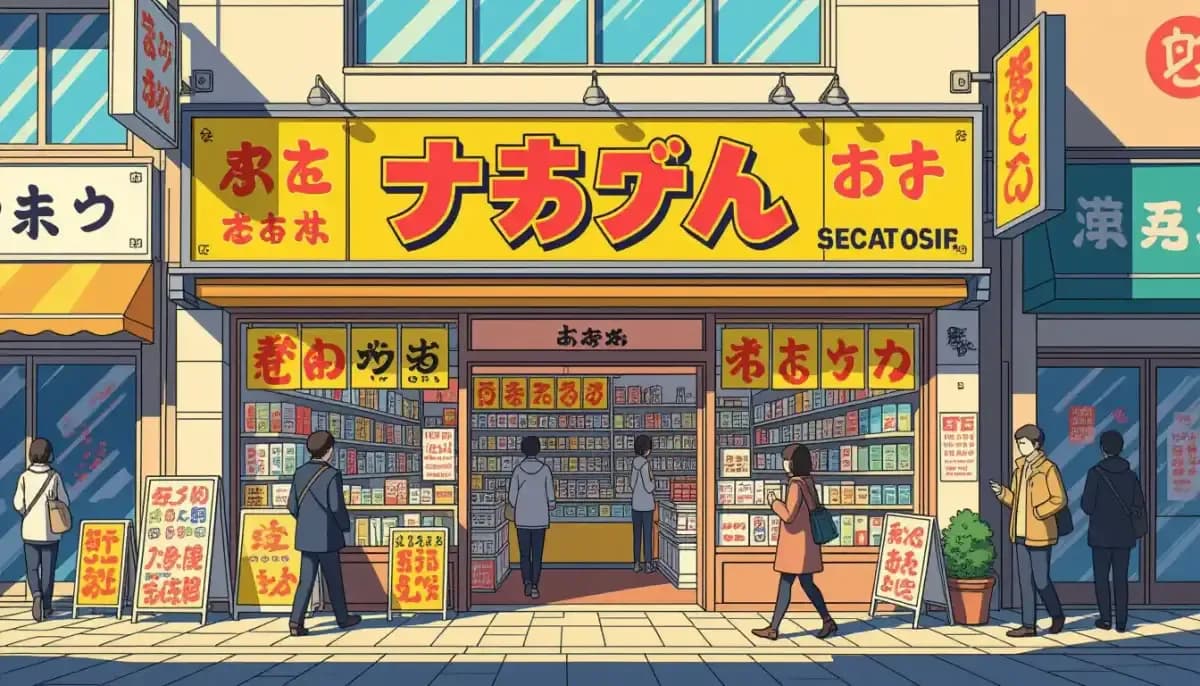
Complete guide to investing in retail shop property in Japan as a foreigner. Covers yields, financing, taxes, best locations, legal steps, and key risks for commercial real estate investors.
Japan Retail Shop Property Investment Guide for Foreigners
Investing in retail shop property in Japan offers a compelling opportunity for foreign investors seeking stable rental income and long-term capital appreciation. Japan's retail real estate market is the world's second-largest, valued at over $1.3 trillion, and remains underpinned by strong consumer culture and robust tourist foot traffic. Unlike many Asian countries that restrict foreign land ownership, Japan places no legal barriers on foreigners purchasing commercial or retail property — making it a uniquely accessible market for international investors.
This guide walks you through everything you need to know about buying and investing in retail shop properties in Japan as a foreigner, from understanding property types and yields to navigating financing and legal requirements.
Why Invest in Japan Retail Property?
Japan's retail landscape presents several distinct advantages for foreign investors:
No foreign ownership restrictions: Foreigners can purchase land and buildings — including commercial and retail properties — on essentially the same terms as Japanese nationals. There are no requirements for local partnerships or special permits.
Currency advantage: The prolonged weakness of the Japanese yen makes property prices relatively affordable for investors holding US dollars, euros, Australian dollars, or other major currencies. This has attracted significant global investment interest in recent years.
Stable tenant base: Commercial tenants in Japan typically sign multi-year leases, reducing vacancy risk. Major chains, franchise operators, and established businesses make up a reliable pool of potential tenants. Vacancy rates for well-located retail spaces in major cities remain comparatively low.
Strong tourism demand: Shopping is cited as the primary reason for 35% of Asian tourists visiting Japan. High-traffic areas near tourist destinations — particularly in Tokyo, Osaka, and Kyoto — see sustained demand for retail space from both domestic and international tenants.
Transparent legal system: Japan's well-established property rights framework and transparent transaction processes give foreign investors confidence in their investments.
For a broader overview of the Japanese real estate market, see Japan Real Estate Market Overview and Trends and Can Foreigners Buy Property in Japan? Legal Rights and Restrictions.
Types of Retail Properties Available in Japan
Not all retail properties are created equal. Understanding the different categories helps you identify the right investment strategy.
Street-Level Shops in Mixed-Use Buildings
These are the most accessible entry point for foreign retail investors. Ground-floor commercial units in residential or mixed-use buildings (called "テナント" or tenant spaces) can be purchased just like residential apartments — through standard property purchase contracts. These properties are individually title-deeded, can be managed via straightforward rental leases, and are widely available across Japan's major cities.
Best for: Remote investors, first-time commercial property buyers, those seeking moderate price points.
Stand-Alone Retail Buildings
Older standalone retail buildings on land plots in established shopping streets can offer attractive gross yields, particularly in secondary cities. These may require more hands-on management and renovation investment.
Best for: Investors with local contacts or property management support.
Shopping Center Units
Ground-floor shops within larger shopping complexes are sometimes available for individual purchase. However, wholly commercial complexes typically operate under a single licensed operator. Buying into these structures adds operational complexity beyond standard rental property management.
Best for: Experienced investors with business operation expertise.
Logistics-Adjacent Retail
Driven by the e-commerce boom, retail properties with warehouse or logistics components are seeing strong demand. Same-day delivery infrastructure is expanding rapidly, making hybrid retail/logistics spaces a growing niche.
Best for: Investors targeting long-term sector trends.
For a complete overview of Japanese property types, visit Types of Properties Available in Japan: A Complete Guide.
Rental Yields for Retail Properties in Japan
Understanding expected returns is essential before committing capital. Here's a snapshot of typical yields across property types and locations:
| Property Type | Location | Gross Yield (Approx.) |
|---|---|---|
| Street-level retail unit | Tokyo 23 Wards | 4–6% |
| Street-level retail unit | Osaka / Nagoya | 5–7% |
| Street-level retail unit | Secondary cities | 6–9% |
| Stand-alone retail building | Regional cities | 7–10% |
| Mixed-use building (residential + retail) | Tokyo | 5–7% |
| Single-unit condominium (residential) | National average | ~7.44% |
| Whole apato building | National average | ~8.59% |
Important distinction — Gross vs. Net Yield:
- Gross yield = Annual rental income ÷ Purchase price × 100 (shown in most listings)
- Net yield = Gross yield minus operating costs (management fees, repairs, property taxes, insurance)
A property listed at 8% gross yield may deliver 5–6% net yield after expenses. Always model your investment on net yield.
Key insight: Older properties tend to show higher gross yields, but factor in potential renovation and repair costs. Properties outside Tokyo's 23 Wards generally offer higher yields but present greater resale challenges.
For more on ownership costs, see Property Taxes and Annual Costs of Owning Property in Japan and Hidden Costs and Fees When Buying Property in Japan.
Financing Retail Property Purchases in Japan
Securing financing is often the most challenging aspect for foreign investors. Japanese banks are notably cautious about lending to non-residents.
Financing Options
Cash purchase: The most straightforward route. Many foreign investors purchase retail properties outright, particularly given the favorable exchange rates. This avoids financing complexity entirely.
Overseas financing: Some international banks with Japan operations — or home-country banks offering international mortgage products — can finance Japanese property purchases. Rates and LTV ratios vary significantly.
Japanese bank mortgage: Possible, but difficult without Permanent Residency (PR). Banks will assess your residence status, income stability, employment type, and credit history. Permanent Residents have the broadest access to Japanese mortgage products.
Corporate purchase (GK structure): Establishing a Japanese Godo Kaisha (GK) company to hold the property can open up corporate financing options and offer tax efficiency. This is a common structure used by foreign investors making multiple property purchases.
For detailed guidance, see Mortgages and Home Loans for Foreigners in Japan and Visa and Residency Considerations for Property Buyers in Japan.
Taxes and Ongoing Costs
Understanding your tax obligations is critical to calculating true investment returns.
Annual Property Taxes
- Fixed asset tax (固定資産税): 1.4% of assessed value annually
- City planning tax (都市計画税): 0.3% of assessed value annually
- Total annual property tax: Approximately 1.7% of assessed value
Note: The assessed value used for tax purposes is typically lower than the market purchase price.
Acquisition Taxes
- Real estate acquisition tax: Approx. 3–4% of assessed value (one-time, paid after purchase)
- Registration and license tax: Approx. 0.4–2% of assessed value
- Agent fees (仲介手数料): Up to 3% + ¥60,000 + consumption tax of the purchase price
Income Tax on Rental Income
Rental income from Japanese property is subject to Japanese income tax for both residents and non-residents. Non-residents must file annual tax returns in Japan and appoint a tax representative. The tax rate depends on total income and residency status.
Depreciation Benefits
Commercial buildings in Japan can be depreciated over their useful life (typically 22–47 years depending on construction type), providing a tax shield against rental income.
Step-by-Step: Buying a Retail Property in Japan
- Define your investment criteria — budget, location, property type, target yield, and management approach
- Engage a licensed real estate agent (宅建士) who specializes in commercial properties
- Property search — use platforms like Real Estate Japan, PLAZA HOMES, or work with specialized commercial brokers
- Due diligence — review title, zoning, building inspection reports, existing leases, and rental history
- Sign a letter of intent / purchase agreement and pay earnest money deposit (usually 10% of purchase price)
- Legal documentation — review the Important Matters Explanation (重要事項説明) with a licensed agent
- Final settlement — transfer remaining balance, register ownership transfer at the Legal Affairs Bureau
- Property management setup — appoint a local property management company for ongoing tenant relations and maintenance
For a complete walkthrough, see Step-by-Step Home Buying Process in Japan for Foreigners and Legal Procedures and Documentation for Japan Property Purchase.
Best Locations for Retail Property Investment in Japan
Location is paramount in retail investment. Here's how Japan's major markets compare:
Tokyo: Highest prices, most liquid market. Premium retail corridors in Ginza, Harajuku, Shibuya, and Shinjuku command top rents and attract luxury brands and international chains. Lower yields but strongest capital appreciation potential. See Buying Property in Tokyo as a Foreigner.
Osaka: Japan's second retail hub with strong commercial culture. Dotonbori, Shinsaibashi, and Umeda offer high foot traffic. Generally better yields than Tokyo with strong tourism support. See Buying Property in Osaka as a Foreigner.
Nagoya: Japan's fourth-largest city with a strong manufacturing and business base. Less tourist-dependent retail demand but solid local consumer spending. See Buying Property in Nagoya and Chubu Region as a Foreigner.
Fukuoka: Rapidly growing city with strong youth demographic and tourism. More affordable entry prices with improving yield profile. See Buying Property in Fukuoka and Kyushu as a Foreigner.
Secondary cities and resort areas: Higher gross yields but more exposure to demographic decline and lower liquidity. Niseko and Kyoto tourist areas can be exceptions due to strong international demand.
Key Risks to Consider
Demographic decline: Japan's shrinking and aging population is a structural headwind for retail demand in many regional markets. Focus on cities with stable or growing populations.
E-commerce disruption: Online retail growth is pressuring "brick and mortar" stores, keeping rents stagnant except in the very best high-street locations.
Earthquake and natural disaster risk: Japan sits on a seismically active zone. Factor in earthquake insurance and building age when evaluating properties. Post-1981 buildings comply with the updated seismic codes (新耐震基準).
Liquidity: Commercial retail properties can be harder to sell than residential apartments, particularly outside major cities. Plan your exit strategy before purchasing.
Management complexity: Unlike residential properties, retail tenants have different lease structures, fit-out requirements, and negotiation dynamics. Professional property management is strongly recommended.
External Resources
For comprehensive guides on navigating Japan's property market as a foreigner:
- Living in Nihon — Japan Property & Mortgage Guide — An essential resource for foreigners navigating Japanese real estate
- Gaijin Buy House — Practical residential property buying guidance for foreigners in Japan
- For Work in Japan — Information on living and working in Japan, including housing considerations
- PLAZA HOMES — Commercial & Retail Investment Guide — Detailed analysis of retail property investment strategies
- Real Estate Japan — Average Yields Guide — Authoritative data on investment property yields across Japan
- InvestAsian — Japan Property Investment — Comprehensive foreign investor guide to Japanese real estate
Conclusion
Japan's retail property market offers genuine investment potential for foreign buyers — particularly those who can navigate the financing challenges and focus on well-located, street-level commercial units. The combination of no foreign ownership restrictions, strong tenant demand in major cities, and the current yen weakness creates a favorable entry environment. However, success requires careful location selection, realistic yield expectations, and strong local support from experienced agents and property managers.
Start with a clear investment strategy, work with licensed professionals, and conduct thorough due diligence on every property. For your broader property purchase journey, our Complete Guide to Buying Property in Japan as a Foreigner is the ideal starting point.

Originally from Vietnam, living in Japan for 16+ years. Graduated from Nagoya University, with 11 years of professional experience at Japanese and international companies. Sharing information about buying property in Japan for foreigners.
View Profile →Related Articles
Japan Commercial Property Zoning Regulations Explained
Learn how Japan's 13 land use zones affect commercial property purchases. Understand FAR limits, permitted uses, environmental rules, and what foreign buyers need to know before investing.
Read more →
Financing Options for Commercial Property in Japan
Complete guide to financing commercial property in Japan as a foreigner. Learn about investment loan types, lender options, corporate structure routes, and eligibility requirements for expats and non-residents.
Read more →
Managing Commercial Property in Japan as a Foreign Owner
Complete guide to managing commercial property in Japan as a foreign owner. Covers legal requirements, property management, taxes, tenant relations, and overseas remittance tips.
Read more →
Commercial Property Due Diligence in Japan
Master commercial property due diligence in Japan with this complete guide for foreign investors. Covers title checks, seismic compliance, environmental assessments, lease review, tax costs, and regulatory obligations.
Read more →
Japan Mixed-Use Building Investment Guide
Complete guide to investing in Japan mixed-use buildings as a foreigner. Covers yields, financing, due diligence, taxes, and the buying process for retail-residential properties.
Read more →
Commercial Property Tax Differences in Japan
Learn how commercial property taxes in Japan differ from residential. Full guide covering acquisition tax (4% vs 3%), fixed asset tax, capital gains, and tips for foreign investors.
Read more →