
Japan Commercial Property Zoning Regulations Explained

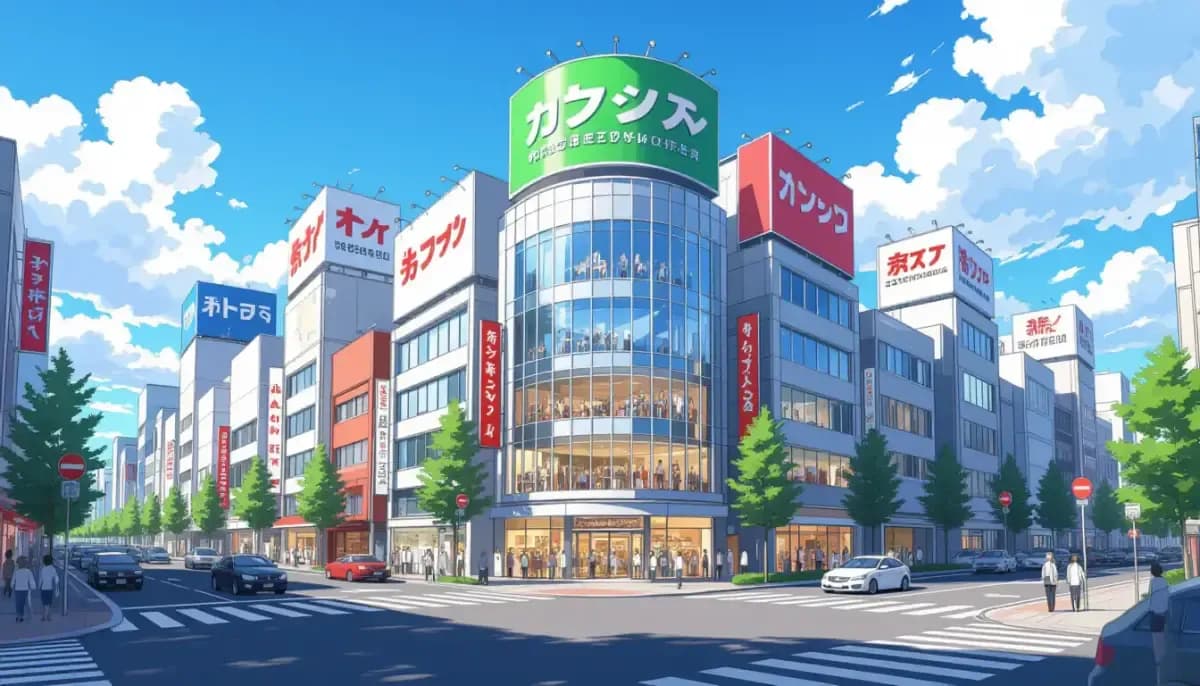
Learn how Japan's 13 land use zones affect commercial property purchases. Understand FAR limits, permitted uses, environmental rules, and what foreign buyers need to know before investing.
Japan Commercial Property Zoning Regulations Explained
If you're considering buying or leasing commercial property in Japan as a foreigner, understanding the country's zoning system is essential. Japan's land use zones — called 用途地域 (yoto chiiki) — determine what kinds of buildings and businesses are permitted in any given area. Whether you're planning to open a restaurant, office, retail shop, or warehouse, the zone designation of your target property dictates what you can and cannot do with it.
This guide breaks down Japan's commercial property zoning system, explains the key regulations, and helps you navigate the process with confidence.
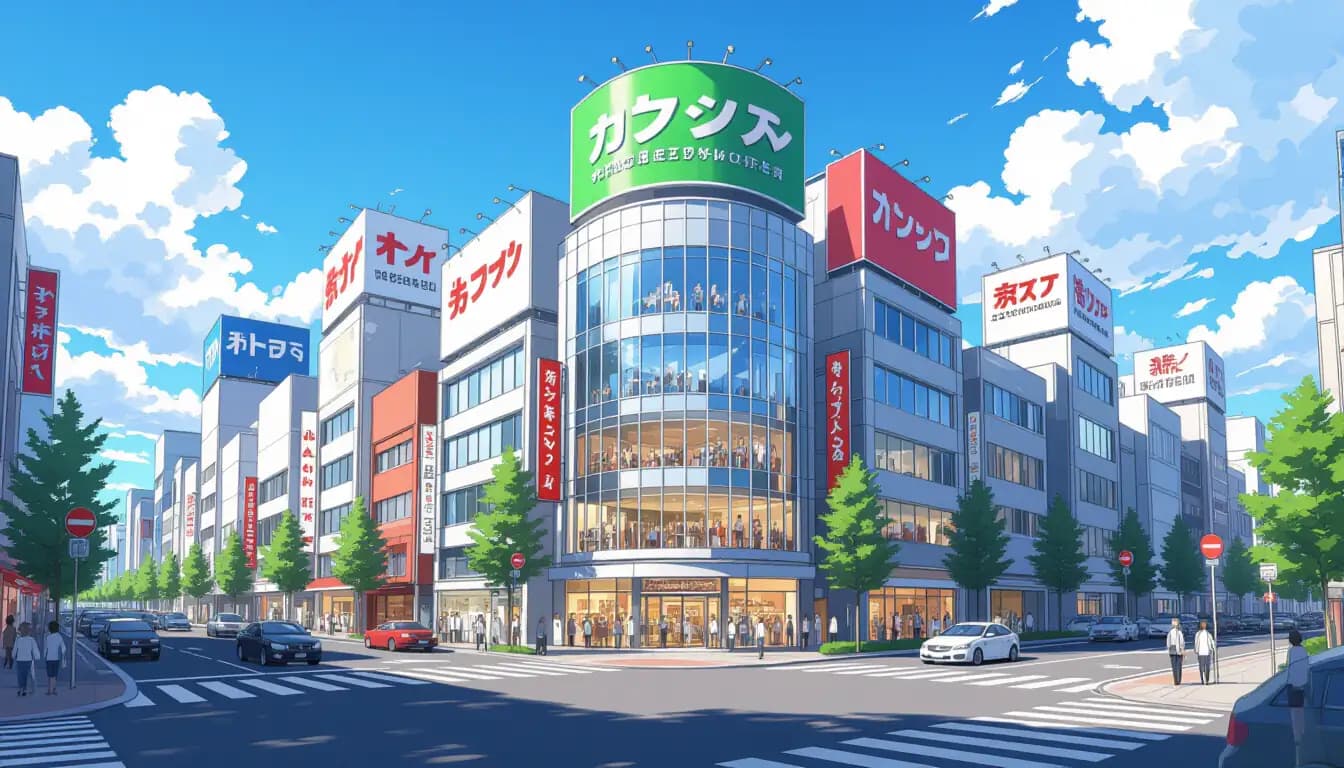
Japan's Zoning System: An Overview
Japan's land use zones are established under the City Planning Law (都市計画法) and administered by local municipalities. The system divides all urban areas into 13 designated Land Use Zones, each with specific rules about:
- What types of buildings and businesses are permitted
- Maximum floor area ratios (FAR / 容積率)
- Maximum building coverage ratios (BCR / 建蔽率)
- Height restrictions and setback requirements
Unlike North American zoning systems that strictly segregate land uses, Japan's zones are cumulative and mixed-use by design. Each zone permits everything allowed in lower-intensity zones plus additional uses. This is why you'll often find small shops, cafes, and offices nestled among residential neighborhoods across Japanese cities.
The 13 zones are grouped into three major categories:
| Category | Zones | Key Characteristics |
|---|---|---|
| Residential | 8 zones | Primarily housing; limited commercial use |
| Commercial | 2 zones | Broad range of shops, offices, entertainment |
| Industrial | 3 zones | Factories and industrial facilities |
The Two Commercial Zone Types Explained
For those looking at commercial property, the two dedicated commercial zones are most relevant.
1. Neighborhood Commercial Zone (近隣商業地域)
This zone is designed to serve the daily needs of nearby residents. It allows a wide variety of neighborhood-oriented businesses while maintaining a balance with surrounding residential areas.
What's permitted:
- Convenience stores, supermarkets, and small shops
- Restaurants and cafes
- Banks and post offices
- Small factories (limited scale)
- Residential buildings
Building limits: Floor area ratios typically range from 100% to 300%, and building coverage ratios up to 80%. These limits ensure that commercial development doesn't overwhelm the surrounding neighborhood.
2. Commercial Zone (商業地域)
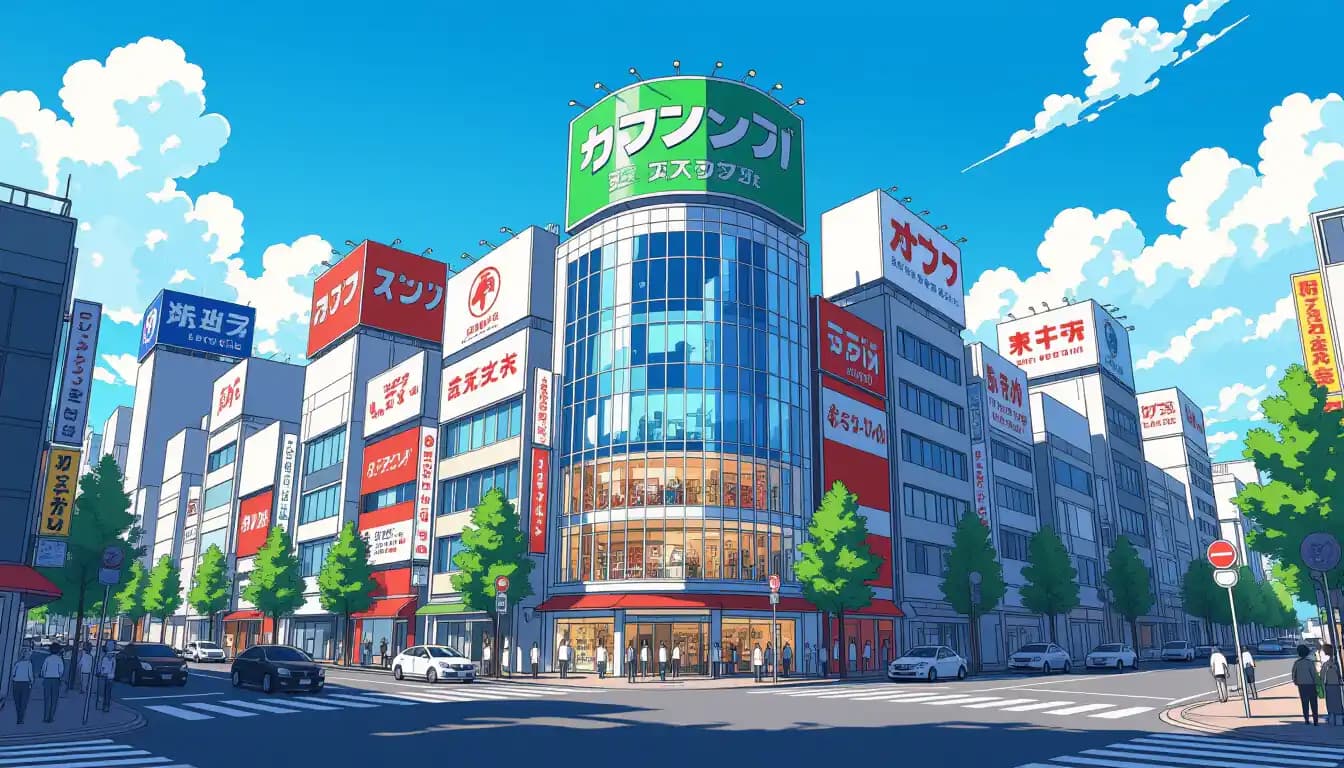
The Commercial Zone is the highest-intensity commercial designation in Japan. It permits virtually all types of commercial activity and is typically found in city centers, major train station areas, and shopping districts.
What's permitted:
- All types from lower zones
- Department stores and large shopping centers
- Movie theaters and entertainment venues
- Hotels and office buildings
- Banks and financial institutions
- Nightlife establishments (bars, nightclubs, entertainment venues)
- Residential buildings (apartments are allowed but not the primary use)
Building limits: Floor area ratios can reach up to 1,300% in some areas, and building coverage ratios up to 80%. This allows for the dense, high-rise commercial development typical of Tokyo's Shinjuku or Osaka's Namba districts.
Key Regulations Affecting Commercial Property
Beyond zone designation, several critical regulations affect commercial property in Japan.
Floor Area Ratio (FAR / 容積率)
The Floor Area Ratio defines the maximum total floor area of a building relative to the size of the land plot. For example, on a 200 m² plot with an FAR of 400%, you could build up to 800 m² of total floor space across multiple floors.
FAR limits vary significantly by zone and location:
| Zone Type | Typical FAR Range |
|---|---|
| Neighborhood Commercial | 100% – 300% |
| Commercial Zone | 200% – 1,300% |
| Quasi-Industrial | 100% – 400% |
| Industrial | 100% – 400% |
Violations of FAR limits can result in enforced removal or downsizing of buildings, so verifying compliance before purchase is critical.
Building Coverage Ratio (BCR / 建蔽率)
The Building Coverage Ratio limits what percentage of the land plot can be covered by the building's footprint. This ensures adequate space for ventilation, light, and fire safety access.
Seismic and Fire Safety Standards
Japan's Building Standards Law (建築基準法) mandates strict structural and safety requirements:
- Earthquake resistance: Buildings constructed after 1981 must meet current seismic standards. Pre-1981 buildings may require structural evaluation and retrofitting.
- Fire safety: Commercial buildings require fire department approvals, including installation of sprinklers, alarms, and fire-resistant materials. Non-compliance can trigger stop-work orders.
- Asbestos inspections: These are mandatory before any demolition or significant renovation. Asbestos was completely banned in Japan on September 1, 2006.
Environmental Liability
A critical consideration for commercial property buyers: Japanese law places strict liability for soil contamination on the current landowner, regardless of when contamination occurred or who caused it.
Before purchasing any commercial property — especially former industrial or gas station sites — it's strongly recommended to:
- Conduct a Phase I Environmental Site Assessment
- Conduct a Phase II assessment (soil sampling) if Phase I raises concerns
- Review historical land use records
How to Check a Property's Zoning Designation
Verifying the zone designation of any property you're considering is straightforward:
Method 1: Online Search Search for (city/town name) 用途地域 (e.g., "渋谷区 用途地域") on Google. Most municipalities publish interactive zoning maps online.
Method 2: City Hall or Ward Office Visit or contact the local municipal office (市区町村役場). Planning departments can provide official zoning certificates.
Method 3: Ask Your Real Estate Agent Licensed real estate agents (宅建士) are legally required to disclose zoning information before any transaction. Request the 重要事項説明書 (Important Matters Explanation Document) which includes zone designation.
Method 4: Legal Mapping Platforms Several online real estate platforms in Japan display zoning overlay maps. Your agent or lawyer can access these databases.
For a broader overview of the property purchase process in Japan, see our complete guide to buying property in Japan as a foreigner.
Can Foreigners Buy Commercial Property in Japan?
Yes — and with relatively few restrictions. Japan imposes no nationality-based restrictions on foreign ownership of commercial property. Foreigners have the same property ownership rights as Japanese citizens.
Key points for foreign buyers:
- No visa requirement: You do not need a Japanese visa or residency status to purchase commercial property.
- No blanket foreign ownership bans: Unlike some countries, Japan does not prohibit foreign ownership of commercial real estate.
- National security filings: Under recent amendments to national security legislation, acquisitions of land near designated critical facilities (military bases, ports, nuclear plants) or remote territorial islands may require advance filing with the government. This applies regardless of nationality.
- Agricultural and forest land restrictions: Under the Foreign Exchange and Foreign Trade Act (FEFTA), purchasing land designated as agricultural or forest land requires special permission.
For a detailed look at your legal rights as a foreign buyer, see Can Foreigners Buy Property in Japan? Legal Rights Explained.
Quasi-Residential and Industrial Zones: Borderline Cases
Commercial activity isn't limited to the two official commercial zones. Several other zone types permit significant commercial use:
Quasi-Residential Zone (準住居地域): Allows vehicle-related businesses (car dealers, repair shops, drive-throughs) alongside residential buildings. Good for auto-industry businesses.
Quasi-Industrial Zone (準工業地域): Permits most factories, warehouses, and commercial facilities. Popular for logistics businesses, light manufacturing, and showrooms. Schools and hospitals are allowed.
Industrial Zone (工業地域): Allows any factory type; residential buildings and shops are permitted but schools and hospitals are not. Suitable for heavy industrial operations with commercial ancillary use.
Exclusively Industrial Zone (工業専用地域): The strictest industrial designation — factories only. Residential, retail, school, hospital, and hotel buildings cannot be constructed. Avoid if you need any commercial-retail component.
Learn more about property types and what to look for in our types of properties available in Japan guide.
Practical Tips for Foreign Commercial Property Buyers
- Hire a bilingual real estate attorney: Commercial transactions are more complex than residential purchases. Legal counsel familiar with both Japanese property law and foreign investment is essential.
- Verify the permitted use before signing anything: Confirm that your intended business operation is explicitly permitted in the target zone. "Commercial zone" doesn't automatically mean everything is allowed — especially for nightlife, large entertainment venues, or industrial operations.
- Check local ordinances: Municipalities can impose additional restrictions beyond national zoning laws. Local noise ordinances, signage restrictions, and special district rules may apply.
- Conduct due diligence on environmental history: Especially for former industrial or retail fuel station properties. See the Japanese Real Estate Development guide at HRT Law Firm for detailed guidance.
- Review the City Planning Tax: Zoning affects how City Planning Tax (都市計画税) is assessed. Properties in commercial and urban zones typically have higher tax assessments.
- Consider professional help: For comprehensive information on property ownership in Japan as a foreigner, resources like Living in Nihon and Gaijin Buy House offer valuable guidance.
For information on the ongoing costs of property ownership, see property taxes and annual costs of owning property in Japan.
Summary: Japan's Commercial Zoning at a Glance
| Zone | Typical Uses | FAR | BCR |
|---|---|---|---|
| Neighborhood Commercial | Shops, cafes, banks, small offices | 100–300% | Up to 80% |
| Commercial Zone | Department stores, offices, hotels, entertainment | 200–1,300% | Up to 80% |
| Quasi-Residential | Auto dealerships, car repair, mixed residential | 100–400% | Up to 60–80% |
| Quasi-Industrial | Light factories, warehouses, logistics | 100–400% | Up to 60% |
| Industrial | Heavy factories, warehouses, limited retail | 100–400% | Up to 60% |
| Exclusively Industrial | Factories only | 100–400% | Up to 60% |
Japan's zoning regulations are detailed but navigable. Understanding the 13-zone framework, verifying zone designations early in your search, and working with qualified local professionals will help you make sound commercial property decisions in Japan.
For more information on the legal process of purchasing property in Japan, see our guide to legal procedures and documentation for Japan property purchase.
For expat-specific guidance on working and living in Japan, For Work in Japan provides useful resources on building a life in the country.
Sources: Japan's City Planning Law (都市計画法), Building Standards Law (建築基準法), MailMate Japanese Zoning Laws Guide, Plaza Homes Land Use Zones Overview

Originally from Vietnam, living in Japan for 16+ years. Graduated from Nagoya University, with 11 years of professional experience at Japanese and international companies. Sharing information about buying property in Japan for foreigners.
View Profile →Related Articles
Financing Options for Commercial Property in Japan
Complete guide to financing commercial property in Japan as a foreigner. Learn about investment loan types, lender options, corporate structure routes, and eligibility requirements for expats and non-residents.
Read more →
Managing Commercial Property in Japan as a Foreign Owner
Complete guide to managing commercial property in Japan as a foreign owner. Covers legal requirements, property management, taxes, tenant relations, and overseas remittance tips.
Read more →
Commercial Property Due Diligence in Japan
Master commercial property due diligence in Japan with this complete guide for foreign investors. Covers title checks, seismic compliance, environmental assessments, lease review, tax costs, and regulatory obligations.
Read more →
Japan Mixed-Use Building Investment Guide
Complete guide to investing in Japan mixed-use buildings as a foreigner. Covers yields, financing, due diligence, taxes, and the buying process for retail-residential properties.
Read more →
Commercial Property Tax Differences in Japan
Learn how commercial property taxes in Japan differ from residential. Full guide covering acquisition tax (4% vs 3%), fixed asset tax, capital gains, and tips for foreign investors.
Read more →
Japan Commercial Property Lease Structure and Terms
Complete guide to Japan commercial property lease structure for foreign investors. Covers ordinary vs fixed-term leases, costs, deposits, tenant rights, and foreigner-specific requirements.
Read more →