
Best Neighborhoods in Yokohama for Foreign Property Buyers

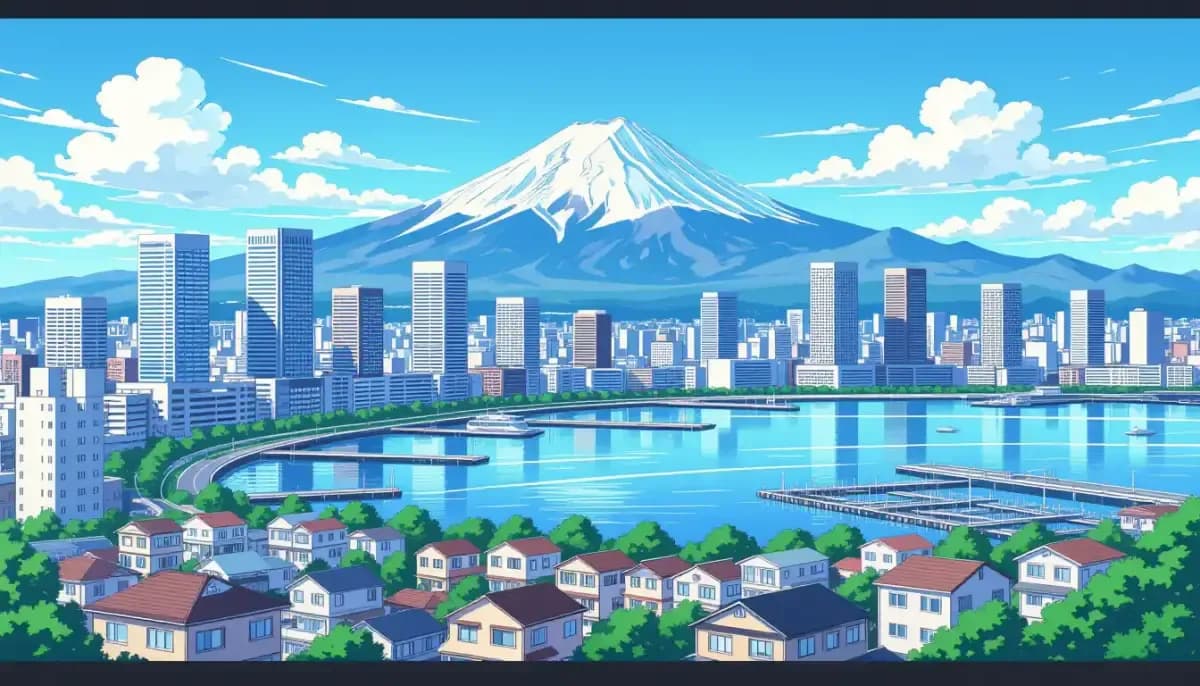
Discover the best neighborhoods in Yokohama for foreign buyers — from historic Yamate/The Bluff to modern Minato Mirai. Compare prices, transport, and expat amenities to find your ideal area.
Best Neighborhoods in Yokohama for Foreign Property Buyers
Yokohama is Japan's second-largest city and one of the most foreigner-friendly places in the country to buy property. With a long history as Japan's gateway to the world, international communities have called Yokohama home since the 1800s. Today, the city blends cosmopolitan energy with residential calm, offering foreign buyers a compelling alternative to Tokyo's sky-high prices — while keeping you within 30 minutes of the capital by train.
Whether you are looking for a modern waterfront condominium, a spacious family house, or a historic hillside retreat, Yokohama has a neighborhood to match your lifestyle and budget. This guide breaks down the best areas for foreign property buyers, with real data on prices, transport, and expat infrastructure to help you make a confident decision.
Why Yokohama Attracts Foreign Property Buyers
Yokohama sits at the heart of the Greater Tokyo Area, yet it has its own distinct identity. The city has welcomed foreign residents since it opened as a treaty port in 1859, and that tradition of international openness continues today. Foreigners can purchase freehold property in Japan with full ownership rights — no special visa or residency status is required.
The property market has been on a strong upward trend. According to market data, the average price for pre-owned condominiums reached approximately ¥65.4 million in Q4 2024, representing a 14.6% year-on-year increase. New single-family homes averaged around ¥47.2 million as of January 2025. Despite this growth, prices remain considerably lower than comparable properties in central Tokyo.
Property prices per square meter in Yokohama average ¥966,667 in the city center and ¥660,500 outside the center, with gross rental yields of 4.39% and 2.28% respectively. For investors, the city center offers noticeably stronger rental returns.
Yokohama has also earned international recognition as a business hub — it ranked third in fDi Magazine's Global Cities of the Future for FDI Strategy among large cities, and its Tech Hub Yokohama opened in late 2024, attracting startups and multinationals alike.
For a broader understanding of buying property in Japan as a foreigner, including legal rights and purchase procedures, see our complete guide to buying property in Japan as a foreigner.
Yamate / The Bluff — Best for Expat Families and History
Yamate, commonly known as "The Bluff," is the most established expat neighborhood in Yokohama — and arguably in all of Japan. Foreign residents have lived here continuously since the 1860s, and the area retains a distinctly international character to this day.
The neighborhood sits on a hillside overlooking the harbor and downtown Yokohama, with tree-lined streets, Western-style villas, rose gardens, and historic churches. Two of Japan's most respected international schools — Yokohama International School (YIS) and St. Maur International School — are located on The Bluff, making it the top choice for expat families with school-age children.
Property here leans toward detached houses and older apartment buildings. Land prices are among the highest in Yokohama, reflecting the premium location and strong demand. Buyers should expect to pay a significant premium for the address, but the neighborhood holds its value well and has low vacancy rates.
Yamate is connected to central Yokohama via the Negishi Line, and Motomachi-Chukagai Station on the Minato Mirai Line provides easy access to the wider city. The adjacent Motomachi shopping street and Chinatown are within walking distance.
Best for: Expat families, history lovers, those prioritizing international schools
Minato Mirai — Best for Modern Urban Living
Minato Mirai (literally "port of the future") is Yokohama's flagship urban development zone and one of the most recognizable cityscapes in Japan. The area wraps around a bay-front that was once a shipyard and has been transformed into a gleaming district of towers, museums, hotels, and shopping centers.
For foreign buyers who want a lock-up-and-leave lifestyle with no compromise on amenities, Minato Mirai is hard to beat. High-rise condominiums here offer sweeping views of Yokohama Bay, the Landmark Tower, and on clear days, Mount Fuji. Buildings are modern, earthquake-resistant, and typically come with concierge services, fitness facilities, and parking.
Rental demand is consistently strong in this area, with 1-bedroom apartments in the premium tower blocks running between ¥190,000–¥350,000 per month, and larger 2-bedroom units reaching ¥250,000–¥730,000. This makes the district attractive for both owner-occupiers and investors.
Minato Mirai Station connects directly to Shinjuku in about 37 minutes on the Tokyu Toyoko Line, and Yokohama Station is just one stop away, giving access to the entire JR, subway, and private rail network.
Best for: Young professionals, investors, those wanting walkable urban convenience
Honmoku — Best for Spacious Family Living
Honmoku has a unique origin story: much of the area was previously occupied by a US military base, and when it was returned to the city in the 1970s, it was developed with wide streets and spacious lots that are rare in Japanese urban areas. The result is a neighborhood that feels unusually open and family-friendly by Japanese standards.
Western-style standalone houses with gardens are available here at prices far below those in Yamate. The flat terrain, large supermarkets (including AEON, Life, and Ito-Yokado), international restaurants, and a safe residential atmosphere have kept Honmoku popular with long-term expat residents and diplomatic families for decades.
The area lacks a direct train connection, so residents typically rely on bus lines or cars. This is worth factoring in for daily commuters, though many families with children find the neighborhood's lifestyle benefits outweigh the slightly longer commute.
Average house rentals in Honmoku range from ¥500,000–¥700,000 per month for full detached homes, making it one of the more affordable areas for spacious family living compared to Yamate.
Best for: Families seeking space, those with cars, long-term residents
Chinatown / Motomachi — Best for Convenience and Culture
The Motomachi-Chukagai area clusters two of Yokohama's most famous districts into one highly livable zone. Motomachi is a historic western-style shopping street dating from the treaty port era, and Yokohama Chinatown — the largest in Japan — sits right beside it, offering hundreds of restaurants, food stalls, and specialty shops.
Living here means immediate access to everything: waterfront parks, cultural venues, international cuisine, and the vibrant energy of Yokohama's commercial heart. The area skews more toward apartment living than standalone houses, with older buildings mixed alongside newer developments.
Rent and purchase prices are competitive for the convenience offered — 1-bedroom apartments typically run ¥180,000–¥350,000 per month, and larger units ¥230,000–¥730,000. The Minato Mirai Line's Motomachi-Chukagai Station connects residents directly to Yokohama Station and onward to Shibuya and Shinjuku.
For buyers interested in the cultural and commercial dimensions of Yokohama, this is the area that captures the city's most distinctive character.
Best for: Culture-seekers, those who want walkable urban life, international cuisine fans
Naka-ku and Isogo-ku — Best for Value Near the Center
For buyers who want proximity to central Yokohama without paying Minato Mirai prices, the broader Naka-ku ward and neighboring Isogo-ku offer good value. These areas contain a mix of residential neighborhoods at various price points, with established local shopping, good schools, and reasonable commute times.
Naka-ku encompasses some of Yokohama's most historic areas (including The Bluff and Chinatown), but its less prestigious residential pockets offer significantly lower entry prices while keeping you within easy reach of major transit hubs. Isogo-ku sits just south and offers quieter residential streets, parks, and access to the waterfront.
These areas suit buyers who are on a tighter budget but still want to be within Yokohama's inner ring — and for investors, they can offer better cap rates than the premium zones.
Seya-ku and Sakae-ku — Best for Budget Buyers
For those with the most price-sensitive requirements, the outer wards of Seya and Sakae represent Yokohama's most affordable residential options. Studio apartments in Seya Ward start from approximately ¥38,000 per month, and 1LDK apartments in Sakae Ward are available from around ¥67,000 per month.
These are suburban residential areas with good schools, parks, and local shopping, oriented toward Japanese commuter families. The trade-off is a longer commute to Yokohama's center (typically 25–45 minutes by train or bus) and fewer English-language services. However, for buyers looking to maximize space per yen, or for investors targeting the local rental market, these wards offer real value.
The Sotetsu and Yokohama Municipal Subway lines serve these outer areas, with connections to Yokohama Station and beyond.
Best for: Budget buyers, families prioritizing space over location, investors in the local market
Neighborhood Comparison Table
| Neighborhood | Best For | Property Type | Price Level | Train Access | International Schools |
|---|---|---|---|---|---|
| Yamate / The Bluff | Expat families | Detached houses, older apartments | High | Moderate | Excellent (YIS, St. Maur) |
| Minato Mirai | Urban professionals, investors | High-rise condominiums | High | Excellent | Limited |
| Honmoku | Families needing space | Detached houses | Medium-High | Bus only | Some |
| Chinatown / Motomachi | Culture, convenience | Apartments | Medium-High | Excellent | Some |
| Naka-ku / Isogo-ku | Value near center | Mix of apartments and houses | Medium | Good | Limited |
| Seya-ku / Sakae-ku | Budget buyers | Apartments, smaller houses | Low | Good | Very limited |
Key Considerations for Foreign Buyers in Yokohama
Budget for purchase costs: In addition to the property price, plan for an additional 8–12% in transaction costs including registration taxes, agent fees, judicial scrivener fees, and stamp duty. Our guide to hidden costs and fees when buying property in Japan covers this in detail.
Mortgage access: Foreign buyers without permanent residency can still access Japanese mortgages from certain lenders, though conditions vary. See our guide to mortgages and home loans for foreigners in Japan for details on what to expect.
Language support: Minato Mirai and the central neighborhoods closest to Yokohama Station have the best availability of English-speaking agents and property management companies. Outer wards may have fewer English-language resources.
Transport priorities: If you plan to commute to Tokyo, proximity to the Tokyu Toyoko Line (to Shibuya), JR Yokosuka Line (to Tokyo Station), or the Keikyu Line is valuable. Confirm journey times from any property you seriously consider.
Property taxes: Annual property ownership costs in Japan include fixed asset tax and city planning tax, typically totaling 1.4–1.7% of the assessed value per year. See our guide to property taxes and annual costs for the full breakdown.
For comprehensive information on living across different regions of Japan, Living in Nihon's regional living guide offers useful context on comparing Yokohama to other cities.
If you are also evaluating other Japanese cities, Gaijin Buy House provides property search resources for foreign buyers across Japan. For workplace and housing infrastructure guidance, For Work in Japan's housing guide is a helpful starting point.
Finding a Property in Yokohama as a Foreigner
The practical process of buying property in Yokohama follows the standard Japanese purchase procedure: selecting a property, signing a letter of intent, conducting due diligence, signing the formal purchase agreement, and completing registration. A judicial scrivener (shiho-shoshi) handles the title transfer and registration.
The key difference for foreign buyers is documentation. You will need a valid passport, your Residence Card (if resident in Japan), a personal seal (hanko) or signature, and in some cases, proof of funds or mortgage pre-approval. A tax registration number is also required.
For an end-to-end walkthrough, our step-by-step home buying process guide for foreigners in Japan covers each stage in detail.
Working with an English-speaking buyer's agent is strongly recommended for your first purchase. Agents familiar with the expat market in Yokohama — such as those listed on Yokohama Apartments For Sale at Real Estate Japan — can help you navigate listings, negotiations, and paperwork.
Yokohama's combination of international history, strong transport links, diverse neighborhoods, and relatively accessible prices compared to central Tokyo makes it one of the most compelling destinations for foreign property buyers in Japan. Whether you are drawn to The Bluff's colonial charm, Minato Mirai's waterfront towers, or Honmoku's spacious family homes, there is a neighborhood here that matches both your lifestyle and your investment goals.

Originally from Vietnam, living in Japan for 16+ years. Graduated from Nagoya University, with 11 years of professional experience at Japanese and international companies. Sharing information about buying property in Japan for foreigners.
View Profile →Related Articles
Kanagawa New Development Projects and Infrastructure Guide
A complete guide to Kanagawa's new development projects and infrastructure for foreign property buyers. Covers Minatomirai, Kawasaki Arena City, Musashi-Kosugi, Kannai redevelopment, rail expansion, and property value outlook through 2030.
Read more →
Yokohama Rental Property Investment Analysis
Complete analysis of Yokohama rental property investment for foreign buyers. Covers district yields (4–6.5%), vacancy rates, rental benchmarks, financing requirements, and risk factors with data-driven comparisons to Tokyo and other Japanese cities.
Read more →
Hakone Resort Property Investment Guide for Foreigners
Complete guide to buying resort property in Hakone as a foreigner. Covers prices, legal rights, buying process, taxes, financing, and key due diligence tips for this popular Japanese mountain resort town.
Read more →
Shonan Area Beach Properties for Foreign Buyers
Everything foreign buyers need to know about purchasing beach property in Japan's Shonan coast — Kamakura, Hayama, Chigasaki, Fujisawa, Zushi. Prices, mortgages, process, and key tips.
Read more →
Kawasaki Property Guide: Commuter Town Between Tokyo and Yokohama
Complete guide to buying property in Kawasaki, Japan as a foreigner. Covers neighborhoods like Musashi-Kosugi, property prices, mortgage options, and step-by-step buying process.
Read more →
Yokohama Chinatown Area Property Guide
Complete guide to buying property in Yokohama's Chinatown area for foreigners. Covers neighborhood overview, property prices, rental yields, purchase process, and practical tips for foreign buyers in 2025.
Read more →