
Tennoji and Abeno Area Property Guide for Foreigners

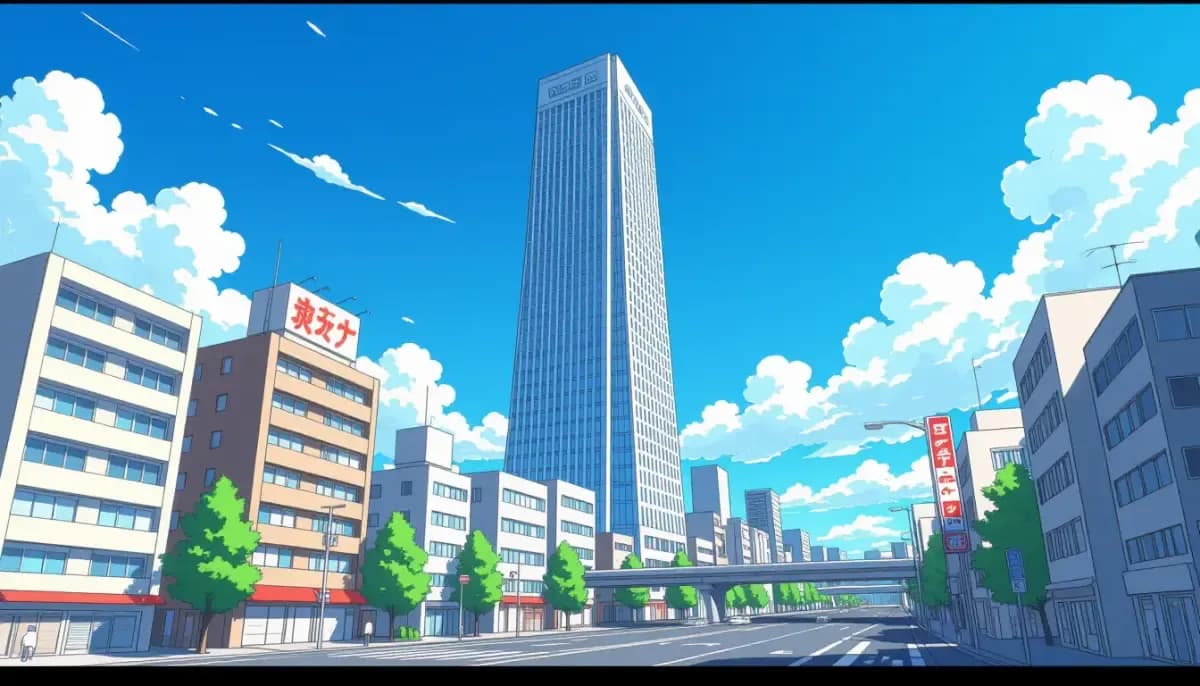
Complete guide to buying property in Tennoji and Abeno, Osaka as a foreigner. Property prices, rental yields, mortgage options, and investment analysis for 2025.
Tennoji and Abeno Area Property Guide for Foreigners
Tennoji and Abeno are two of Osaka's most dynamic residential neighborhoods — blending historic temples, modern skyscrapers, excellent transit connections, and a welcoming community atmosphere. For foreigners looking to buy property in Osaka, these adjacent areas offer a compelling mix of affordability (relative to central wards), strong rental yields, and outstanding lifestyle amenities. This guide covers everything you need to know to navigate the Tennoji and Abeno property market as a foreign buyer.
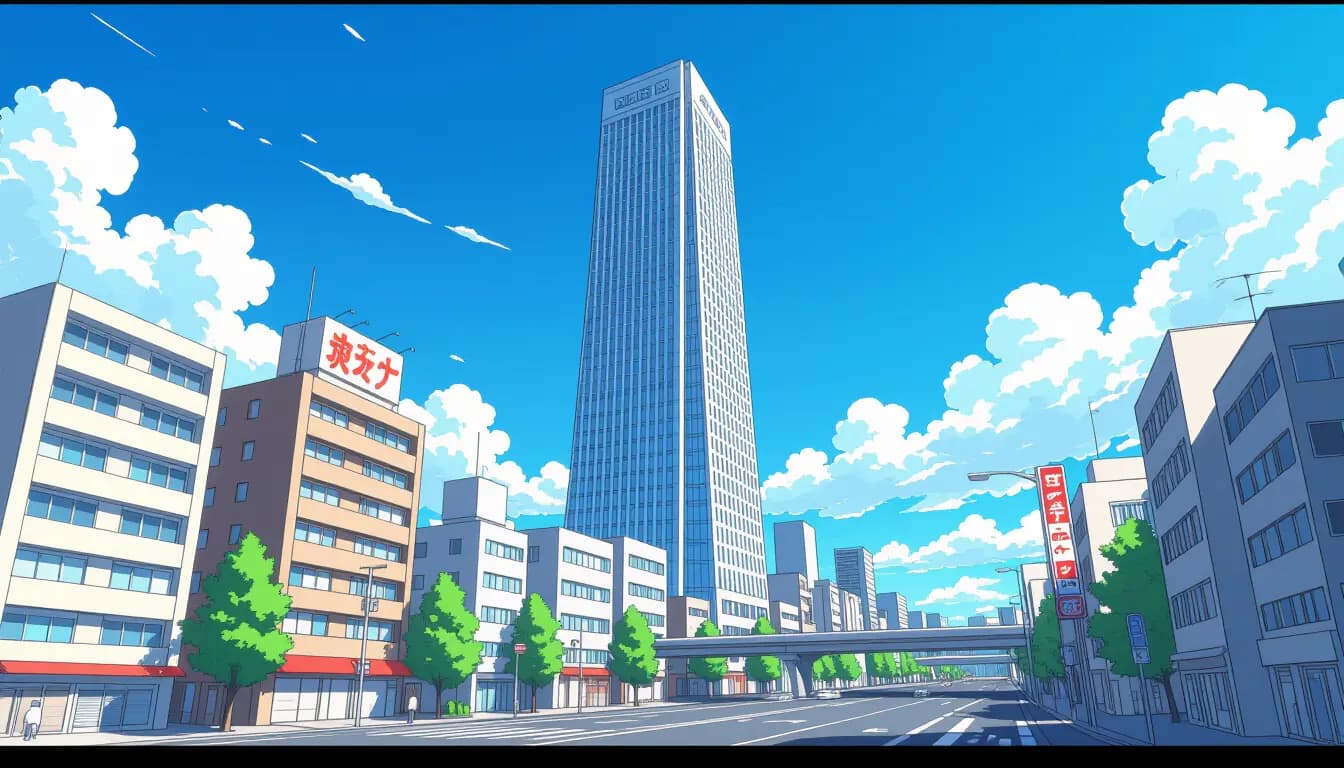
Why Tennoji and Abeno Attract Foreign Property Buyers
Tennoji and Abeno sit in the southern part of Osaka's urban core, anchored by the iconic Abeno Harukas — Japan's tallest building at 300 meters — which houses a luxury hotel, observation deck, and the Kintetsu department store. The area draws a diverse mix of residents: families, medical professionals, students, and international buyers seeking a balanced urban lifestyle.
Key reasons foreigners choose Tennoji and Abeno:
- Strong transport links: Tennoji Station connects the JR Osaka Loop Line, Midosuji Subway Line, Tanimachi Subway Line, and Yamatoji Line — making it one of Osaka's best-connected hubs. Travel time to Osaka Station (Umeda) is about 10 minutes, and to Namba roughly 5 minutes.
- Medical and educational facilities: The area is home to major hospitals and universities, creating steady demand from healthcare workers and students.
- Cultural depth: Shitennoji Temple (Japan's oldest Buddhist temple, founded 593 AD), Tennoji Zoo, Tennoji Park, and the Osaka Municipal Museum of Art all sit within walking distance.
- Rental yield potential: Tennoji and Uehommachi deliver among Osaka's highest gross rental yields, approximately 5–6% annually, thanks to firm rents and prices that remain below peak-demand areas like Umeda.
- Price appreciation: In 2025, the six central Osaka wards — including Tennoji — recorded average residential land price increases of 7.4%, outpacing the city-wide average of 5.8%.
For a broader overview of Osaka's property market, see our Complete Guide to Buying Property in Osaka as a Foreigner.
Property Types and Prices in Tennoji and Abeno
The Tennoji-Abeno corridor features a mix of high-rise condominiums, mid-rise apartments, older machiya-style townhouses, and newer detached homes on compact urban lots.
| Property Type | Typical Price Range (JPY) | Notes |
|---|---|---|
| Studio/1K Condominium | ¥15M – ¥25M | Near station, strong rental demand |
| 2LDK Condominium | ¥28M – ¥45M | Family-sized, good resale value |
| 3LDK Condominium | ¥40M – ¥65M | New builds can exceed ¥65M |
| Detached House | ¥35M – ¥70M | Larger lots, less common near core |
| Investment Apartment (1K) | ¥10M – ¥20M | Gross yield ~5–6% |
Land price context: Tennoji-ku carries an average land price of approximately 630,000 JPY per sqm — significantly above the Osaka City average of 282,800 JPY/sqm — reflecting the ward's premium connectivity and central position. Land values in Tennoji have risen 40.6% over the past decade.
Abeno ward average house price is around ¥31,740,000, which is above the Osaka City average of ¥28,500,000 but well below the most expensive central ward of Chuo at ¥57,790,000.
Rental market: A 3-bedroom apartment in Tennoji or Abeno typically rents for ¥150,000–¥190,000 per month, making it more affordable than equivalent space in Umeda or Shinsaibashi.
Navigating the Buying Process as a Foreigner
Japan's property market is legally open to foreign nationals regardless of nationality or visa status — you do not need permanent residency to purchase real estate. However, there are practical differences that affect the buying process.
Steps to buying property in Tennoji or Abeno:
- Budget and financing: Determine your budget including purchase price, taxes (registration, real estate acquisition, fixed asset), and transaction fees (typically 6–8% of the purchase price).
- Find a bilingual agent: Many Osaka real estate agencies have English-speaking staff. Specify your interest in Tennoji-ku and Abeno-ku when searching listings.
- Property inspection: Visit properties in person if possible, or hire a licensed building inspector for second-hand properties.
- Sign the Explanation of Important Matters (重要事項説明): A licensed realtor must present this document before the sale contract is signed.
- Sale contract and deposit: Pay a deposit (typically 10% of price) upon contract signing.
- Final settlement: Pay the remaining balance and receive the property deed (登記).
For a detailed walkthrough of the legal and paperwork process, see our guide on Legal Procedures and Documentation for Japan Property Purchase.
You can also find an overview of all property types available in Japan at Types of Properties Available in Japan.
For comprehensive guidance on buying property as a foreigner across Japan, Living in Nihon's property and mortgage guide covers the full process from visa considerations to finalizing your purchase.
Mortgage Options for Foreigners in Tennoji and Abeno
Obtaining a mortgage in Japan as a foreigner is possible but requires meeting specific criteria. Permanent residency (永住権) is the most important factor — holders can apply under conditions nearly identical to Japanese nationals.
For non-permanent residents:
- Down payment of 30% or more of the purchase price is typically recommended
- Minimum 2–3 years of residency in Japan required
- Minimum 2 years at current employer
- Debt-to-income ratio: annual repayment should not exceed 30–35% of annual income
- Age at final repayment: must be 80 or younger
Banks that accept non-permanent residents:
| Bank | Residency Requirement | Income Requirement |
|---|---|---|
| Aeon Bank | 3+ years in Japan | Stable income |
| Suruga Bank | 1+ year in Japan | ¥2M+ annual income |
| Tokyo Star Bank | 3+ years in Japan | ¥5M+ annual income |
| Asuka Credit Union | 2+ years in Japan | Stable income |
For a full breakdown of the mortgage application process including required documents, see our article on Mortgages and Home Loans for Foreigners in Japan.
Gaijin Buy House's mortgage application guide provides additional detail on required documentation and strategies to improve your approval odds, including the value of applying to 2–3 banks simultaneously.
Investment Potential: Tennoji and Abeno as Rental Markets
For investors — not just owner-occupiers — Tennoji and Abeno represent some of Osaka's most attractive sub-markets.
Why investors target this area:
- Gross rental yields of 5–6% — among the highest in Osaka's central wards — driven by strong demand from hospital workers, university students, and families
- Quick leasing timelines due to multi-line rail access and proximity to employment centers
- Expected 3–4% annual price appreciation underpinned by rail-hub demand stability
- Tourism upside: Tennoji's proximity to Namba, Dotonbori, and Kansai International Airport routes supports short-term rental demand (subject to regulations)
- Abeno Harukas effect: The Kintetsu flagship store and international hotel create ongoing foot traffic and tenant demand
Important for short-term rental investors: Japan's Minpaku Law (民泊新法) limits short-term rental to 180 nights per year for standard residences. Osaka City applies additional restrictions in many residential zones — verify zoning status before purchasing for Airbnb-style operation.
See our Japan Real Estate Market Overview and Trends for broader market context and investment statistics.
For insights on current Osaka pricing trends, Bamboo Routes' Osaka property area guide and Real Estate Japan's Osaka listings provide up-to-date market comparisons.
Living in Tennoji and Abeno: Lifestyle and Amenities
Beyond the investment numbers, Tennoji and Abeno are genuinely excellent places to live.
Daily life highlights:
- Shopping: Q's Mall (one of Osaka's largest shopping centers), Abeno Harukas Kintetsu, and the covered Tennoji shotengai shopping street offer everything from groceries to luxury goods.
- Green space: Tennoji Park and its botanical garden provide 26 hectares of urban green space — rare in central Osaka.
- Dining and nightlife: The area has a strong local food culture with yakitori alleys, izakayas, Korean BBQ, and international restaurants around Tsuruhashi (5 minutes away by train).
- Families: Multiple well-regarded public and private schools, Tennoji Zoo (one of Japan's oldest), and safe, walkable neighborhoods make this ideal for families with children.
- International community: While Tennoji is less internationally dense than Namba or Shinsaibashi, the area around Tsuruhashi hosts one of Japan's largest Zainichi Korean communities, giving the neighborhood a distinctive multicultural character.
Getting around: Tennoji Station is a major transfer point for Kansai International Airport (KIX) access via the Haruka limited express, and Shin-Osaka (shinkansen) is approximately 20 minutes away.
For housing infrastructure considerations including utilities setup and registration requirements, For Work in Japan's housing guide for foreigners provides practical setup advice.
Annual Costs and Taxes to Budget For
Beyond the purchase price, property ownership in Japan carries ongoing costs that all buyers — foreign or Japanese — must plan for.
| Cost Item | Approximate Annual Amount | Notes |
|---|---|---|
| Fixed Asset Tax (固定資産税) | 1.4% of assessed value | Billed in 4 instalments |
| City Planning Tax (都市計画税) | Up to 0.3% of assessed value | Applies in urban planning areas |
| Management Fee (管理費) | ¥10,000–¥30,000/month | For condominiums |
| Repair Reserve Fund (修繕積立金) | ¥5,000–¥20,000/month | For condominiums |
| Fire/Earthquake Insurance | ¥50,000–¥150,000/year | Highly recommended in Japan |
For a comprehensive breakdown of all ownership costs, see our guide on Property Taxes and Annual Costs of Owning Property in Japan and Hidden Costs and Fees When Buying Property in Japan.
Getting Started: Practical Next Steps
If you're ready to explore the Tennoji and Abeno property market, here's how to begin:
- Research listings on platforms like Real Estate Japan and wagaya Japan, which support English-language searches.
- Get pre-qualified for a mortgage or confirm your cash purchase capacity before approaching agents.
- Engage a bilingual real estate agent familiar with Tennoji-ku and Abeno-ku — ask specifically about their experience with foreign buyers.
- Visit the area — walk from Tennoji Station south toward Abeno Harukas, then explore the residential streets behind Q's Mall to get a feel for the neighborhood.
- Verify your visa situation — while no visa is required to buy, your visa status affects mortgage eligibility and tax obligations. See our guide on Visa and Residency Considerations for Property Buyers.

Tennoji and Abeno offer foreigners a rare combination: central Osaka location, strong rental fundamentals, genuine neighborhood character, and relative affordability compared to the trendiest addresses. Whether you are buying to live, invest, or both, this corridor deserves a close look.
For the full framework of buying property in Japan as a foreigner — from legal rights to final settlement — our Complete Guide to Buying Property in Japan as a Foreigner is the ideal starting point.

Originally from Vietnam, living in Japan for 16+ years. Graduated from Nagoya University, with 11 years of professional experience at Japanese and international companies. Sharing information about buying property in Japan for foreigners.
View Profile →Related Articles
Osaka Short-Term Rental Investment Guide for Foreign Owners
Complete guide to Osaka short-term rental investment for foreigners: Minpaku licensing, best neighborhoods, financial projections, yields up to 4.47%, and step-by-step setup for non-resident foreign owners.
Read more →
Sakai City: Affordable Property Near Osaka for Foreigners
Discover why Sakai City is one of the most affordable property options near Osaka for foreigners. Learn about neighborhoods, prices, transport links, and the buying process for expats.
Read more →
Osaka Subway and Transit Accessibility Property Guide
Complete guide to Osaka subway and transit accessibility for property buyers. Compare prices by metro line, find the best neighborhoods, and learn how transit proximity affects property values in Osaka.
Read more →
Post-Expo 2025 Impact on Osaka Property Market
Expo 2025 reshaped Osaka real estate with record land price gains and a 2.9 trillion yen economic boost. Discover what the post-Expo market means for foreign buyers and investors in 2026 and beyond.
Read more →
Osaka New Development Projects and Growth Areas for 2026
Discover Osaka's biggest development projects in 2026 — Grand Green Osaka, the ¥1.27 trillion Yumeshima IR, and the top growth neighborhoods for foreign property buyers.
Read more →
Osaka Rental Property Investment for Foreign Investors
Complete guide to Osaka rental property investment for foreigners. Learn about rental yields (4.47%), best neighborhoods, taxes, mortgages, and how to buy as a non-Japanese investor in 2025.
Read more →