
Seasonal Property Care Guide for Overseas Owners in Japan

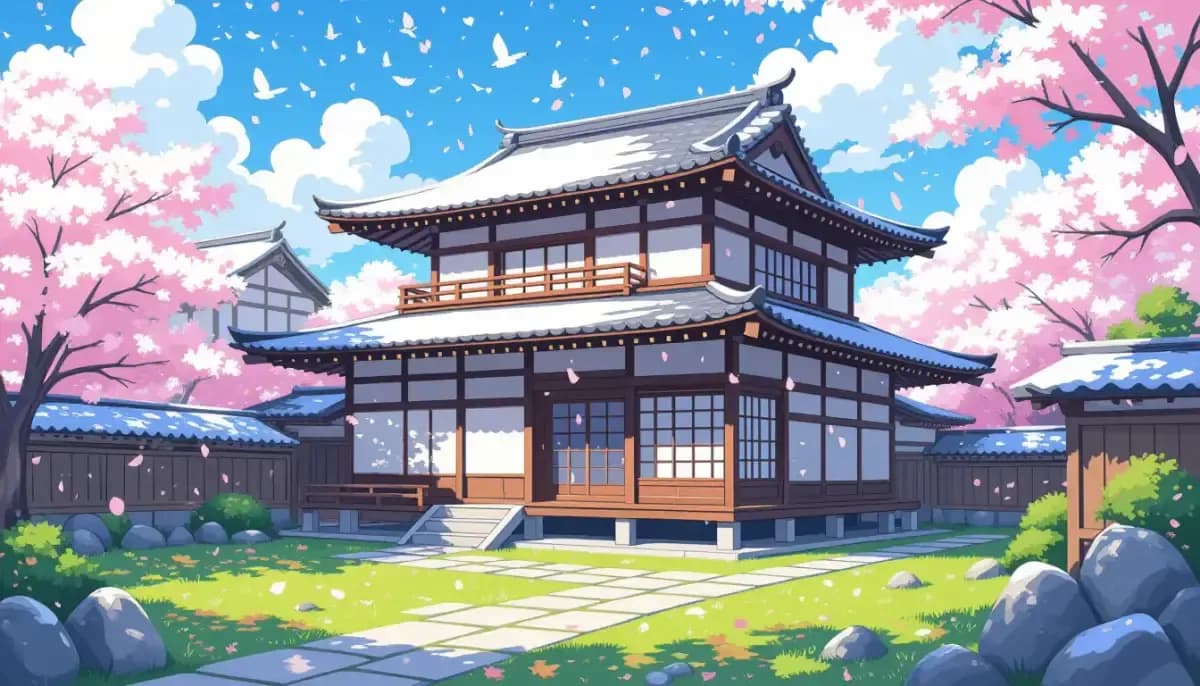
Complete seasonal property care guide for overseas owners in Japan. Spring inspections, rainy season mold prevention, typhoon prep, winter pipe protection, and year-round maintenance costs — everything you need to manage your Japan property remotely.
Seasonal Property Care Guide for Overseas Owners in Japan
Owning property in Japan while living abroad comes with a unique set of challenges — and the seasons are one of the biggest variables you need to plan for. Japan's climate swings between freezing winters with heavy snow (in some regions), a humid and wet rainy season, powerful typhoons, and pleasant but transition-heavy spring and autumn periods. Each season brings specific risks to your property, and as an overseas owner who can't quickly jump on a plane to check on things, understanding these seasonal demands is critical to protecting your investment.
This guide gives you a practical, season-by-season breakdown of what to watch for, what maintenance tasks matter most, and how to stay on top of things remotely. Whether you own an apartment in Tokyo, an akiya in the countryside, or a ski chalet in Hokkaido, this guide is designed to help you manage your Japan property with confidence — no matter where in the world you're based.
For a broader view of remote property ownership, see our guide on Managing Japan Property Remotely: Complete Guide for Overseas Owners.
Understanding Japan's Four Seasons and What They Mean for Your Property
Japan has four distinct seasons, and each poses different maintenance challenges. The country's geography also means there is huge regional variation — coastal subtropical Okinawa and frigid snow-country Niigata are technically part of the same country but require very different property care strategies.
Here's a high-level overview of seasonal risks by region:
| Season | Period | Main Risks | Most Affected Regions |
|---|---|---|---|
| Spring | March–May | Pollen, post-winter inspection window | All regions |
| Rainy (Tsuyu) | June–mid July | Mold, water ingress, humidity | All, especially Pacific coast |
| Typhoon / Summer | July–October | Wind damage, flooding, roof leaks | All, especially Pacific coast, Okinawa |
| Autumn | Oct–November | Moderate risk, pre-winter prep | All regions |
| Winter | December–February | Frozen pipes, snow load, heating failure | Hokkaido, Tohoku, Niigata, Japanese Alps |
Understanding which risks apply to your specific property location is the first step in building an effective seasonal care plan.
Spring (March–May): Inspection Season and a Prime Maintenance Window
Spring is the ideal time to assess winter damage and make proactive repairs before the rainy season hits. In most of Japan, this is the calmest weather period — mild temperatures, moderate humidity, and a relatively small number of contractors competing for jobs.
Key Spring Tasks:
- Post-winter structural inspection: Check the roof, gutters, and exterior walls for any damage caused by winter frost or (in northern regions) snow load. Even in Tokyo, winter freezing can cause small cracks in mortar and grout.
- Gutter cleaning: Winter debris accumulates in gutters. Blocked gutters will cause water to overflow and potentially seep into wall cavities during the rainy season. Schedule a professional gutter clean in April or May.
- Air conditioning check: Summer in Japan is brutal. Have your AC units serviced in spring so they're ready before the heat peaks. AC filters should be cleaned or replaced.
- Exterior wall check: Look for cracks, peeling paint, or discoloration. Any gaps should be sealed before the rainy season.
- Pest inspection: Termites become active in spring. Japanese wooden homes are especially vulnerable — a professional termite inspection every few years (¥20,000–¥50,000) is well worth it.
Why Spring Timing Matters for Rental Properties:
Japan's rental peak season runs January–March, when companies notify employees of spring transfers. By April, tenant turnover has largely settled, which makes April–June the optimal window for renovations and maintenance work. Contractors are more available and competitive on pricing. If you need to make repairs that would displace tenants or require property access, this is the time to schedule it. Missing the January–March rental window due to unfinished repairs can cost you 12% or more in annual rental income.
For detailed guidance on property maintenance costs and obligations, see Japan Detached House Maintenance Costs and Responsibilities.
Rainy Season / Tsuyu (June–Mid July): Mold Prevention is Everything
Japan's rainy season (tsuyu) typically runs from early June to mid-July on the main islands, bringing weeks of near-continuous rain and oppressive humidity. For overseas owners with vacant or lightly occupied properties, mold is the single biggest risk during this period.
Why Mold is So Dangerous in Vacant Japanese Properties:
In an occupied home, residents naturally ventilate by opening windows, running fans, and using the property regularly. In a vacant property, humidity accumulates unchecked. Mold can develop on walls, under flooring, inside closets, and behind furniture within just a few weeks of inattention. Once established, mold remediation is expensive and can cause permanent staining or structural damage to traditional Japanese interiors (especially wood and shoji paper).
Rainy Season Maintenance Tasks:
- Schedule caretaking visits: For vacant properties, have your property management company or caretaker service conduct ventilation visits at least 2–3 times during tsuyu. A qualified caretaker will open windows, run fans, check for leaks, and report any issues. Costs range from ¥5,000–¥50,000 per visit depending on service level.
- Install dehumidifiers: Place electric dehumidifiers in key rooms, especially closets and bathrooms. Have your property manager empty the tanks regularly.
- Check anti-mold products: Silica gel packets, anti-mold sheets for closets, and ventilating fans should be checked and replaced annually.
- Roof and exterior pre-inspection: Before tsuyu starts (late May is ideal), inspect the roof and all window seals for gaps. Even a small crack can allow significant water ingress over weeks of continuous rain.
- Bathroom and kitchen ventilation: Ensure exhaust fans in bathrooms and kitchens are operational. These are the most moisture-heavy areas of any home.
For vacant property management strategies, see Japan Property Caretaker Services for Absent Owners and Utility Management for Vacant Japan Properties.
Living in Nihon has additional resources for foreigners navigating Japan's climate and lifestyle: Living in Nihon — Japan Resources for Expats.
Typhoon Season (July–October): Storm Preparation and Post-Damage Response
Japan is hit by an average of 25 typhoons per year, with roughly 11 making landfall or closely approaching the coast. The Pacific coast, Okinawa, and the Kyushu/Shikoku regions face the highest typhoon risk, though powerful storms can reach the Kanto plain (Tokyo area) and beyond.
For overseas owners, the challenge is that you often can't be there when a typhoon strikes — and immediate response is critical, especially for insurance claims.
Pre-Typhoon Season Preparation (Ideally Completed by July):
- Window and door seal check: Verify all windows close fully and seal properly. Older Japanese windows (especially sliding aluminium frames) can warp over time. Replace deteriorated seals or weather stripping.
- Outdoor items: Instruct your property manager or tenant to secure or bring inside any outdoor furniture, potted plants, bicycles, or equipment before a typhoon warning is issued. Unsecured items become projectiles in typhoon winds.
- Roof inspection: Have a qualified roofer check for loose tiles, damaged ridge caps, and vulnerable flashing. Roof damage is the most common and costly typhoon outcome.
- Drainage check: Ensure all drains, gutters, and downpipes are clear. Typhoons can dump 200mm+ of rain in a few hours — blocked drainage leads to rapid flooding.
- Insurance review: Confirm your property insurance covers typhoon damage and flooding. Review the deductible, maximum payout, and claims process with your property manager. Japan's For Work in Japan property guidance offers useful context for foreigners navigating property obligations.
After a Typhoon — Act Immediately:
- Photo documentation: Before any cleanup, photograph all damage from multiple angles. Your insurance claim depends on this evidence.
- Temporary repairs: If the roof or windows are breached, arrange emergency temporary repairs (blue tarps, boarding) to prevent further water intrusion. Keep all receipts.
- Contact your property manager: Have them conduct an in-person inspection within 24–48 hours.
- File insurance claim promptly: Japanese insurers typically require claims to be filed within 30–60 days of the event.
Autumn (October–November): Prepare for Winter
Autumn in Japan is mild and pleasant — and strategically, it's the most important season for maintenance scheduling. This is your last clear window before winter to complete exterior work, and it's also when rental demand begins to pick up again as companies announce spring transfer plans.
Key Autumn Maintenance Tasks:
- Exterior painting and sealing: Exterior paint protects your walls from moisture and temperature extremes. Paint typically lasts 10–15 years; if it's approaching that window, autumn is the best time for a repaint (¥500,000–¥1,500,000 for a full repaint). Seal any cracks before winter frost can enlarge them.
- Roof and gutter inspection: Another inspection pass before winter. Check for damaged or missing roof tiles, clear gutters of autumn leaves, and verify downpipes drain freely.
- Weatherstripping and window insulation: Japanese homes, especially older ones, have notoriously poor insulation. Replacing weatherstripping on doors and windows is inexpensive and dramatically reduces winter heating costs.
- Heating system service: Have boilers, floor heating systems (床暖房), and kerosene heaters serviced before winter demand peaks. Technician availability drops sharply once winter arrives.
- Smoke and CO detectors: Test all detectors and replace batteries. Carbon monoxide risk increases significantly when kerosene heaters are used in poorly ventilated spaces.
Rental Market Timing:
For investment properties, November–December is when companies begin notifying employees of spring transfers, triggering early rental searches. If you're planning to list a property for rent, have it ready by December to capture early January inquiries. Review our guide on Rental Property Maintenance Obligations for Japan Landlords.
Winter (December–February): Cold, Snow, and the Risks to Vacant Properties
For most of Japan's major cities (Tokyo, Osaka, Nagoya), winter brings cold and dry conditions but relatively little snow. The main concerns are window condensation, heating efficiency, and general wear from temperature cycling.
For snow-country regions — Hokkaido, Tohoku, Niigata, Ishikawa, Fukui, and the Japanese Alps — winter is an entirely different level of challenge.
Standard Winter Maintenance (All Regions):
- Condensation management: Japanese double-pane windows weren't common until the 2000s; older properties may have significant single-pane window condensation. Condensation that sits on wooden frames causes rot. Insulating window film, dehumidifiers, and regular ventilation help manage this.
- Heating system check: Ensure all heaters are operational before tenants or caretakers need them. Budget for higher utility costs in winter — Tokyo heating bills can double or triple.
- Pipe awareness: Even in mild-winter regions, occasional freezing nights can cause problems in poorly insulated external pipes. Know where your water shutoff is located.
Snow Country Special Considerations:
Snow-country property ownership is one of the most complex scenarios for overseas owners. Wet Japanese snow weighs 300–500 kg per cubic meter. A 2-meter accumulation on a 100m² roof creates 60–100 tonnes of pressure. This can cause roof collapse if the structure is not rated for snow loads.
Snow-Country Winter Tasks:
| Task | Frequency | Cost Estimate |
|---|---|---|
| Roof snow removal | When >1m accumulation | ¥20,000–¥50,000/visit |
| Yukigakoi (snow fencing) installation | Once per season | ¥50,000–¥150,000/season |
| Pipe heating cable operation | Continuous (winter) | ¥3,000–¥8,000/month |
| Caretaker weekly checks | Weekly | ¥10,000–¥20,000/month |
| Kerosene fuel | Monthly | ¥30,000–¥72,000/month |
Pipe Freeze Prevention (Critical):
When leaving a snow-country property vacant, perform mizunuki (水抜き) — draining all water from the plumbing system. Water expands when it freezes, splitting pipes and potentially causing severe flooding when it thaws. This is not optional; it's mandatory for any vacant property in a freezing climate. Many overseas owners hire local caretakers specifically for weekly visits to verify heating systems, perform mizunuki when necessary, and ensure the property is secure.
Annual Winter Cost Range (Snow Country): ¥320,000–¥940,000 beyond standard taxes and insurance, according to detailed analysis from Akiya Japan's winterization guide.
For Hokkaido-specific guidance, see Hokkaido Winter Property Maintenance and Snow Management Guide.
Building a Remote Management System That Works Year-Round
The common thread across all seasons is that overseas owners cannot rely on reactive management — by the time you hear about a problem, damage has usually already occurred. Effective seasonal property care for overseas owners requires a proactive system.
Essential Components:
- Bilingual property management company: Your manager acts as your eyes, ears, and hands on the ground. Choose one with experience managing properties for overseas clients. See How to Choose a Property Management Company in Japan.
- Annual maintenance calendar: Work with your manager to pre-schedule key seasonal tasks: spring post-winter inspection, pre-tsuyu roof check, pre-typhoon outdoor prep, autumn repaint inspection, winter heating service.
- Property technology tools: Modern property management in Japan increasingly offers digital owner portals with maintenance tracking, financial reporting, and real-time alerts. See Property Management Technology and Tools for Japan Owners.
- Emergency contact protocol: Establish clear escalation procedures. Who contacts you, and how, if there is typhoon damage, a tenant emergency, or a burst pipe at 2am?
- Maintenance reserve fund: Industry guidance recommends setting aside 3–5% of annual gross rental income for maintenance. Major one-time costs (exterior repaint, roof replacement, window upgrades) should be budgeted separately.
For broader advice on overseas property ownership challenges, see Common Challenges and Solutions for Overseas Japan Property Owners.
Gaijin Buy House also provides resources specifically designed for foreign buyers managing property in Japan: Gaijin Buy House — Foreign Property Ownership in Japan.
Annual Maintenance Budget: What to Expect
Planning your budget is as important as planning your maintenance tasks. Here's a realistic cost overview for overseas owners:
| Expense Category | Annual Cost Range | Notes |
|---|---|---|
| Routine upkeep (minor repairs, cleaning) | ¥10,000–¥50,000 | Standard occupied property |
| Property caretaker (vacant property) | ¥60,000–¥600,000 | ¥5,000–¥50,000 per visit |
| Termite inspection | ¥20,000–¥50,000 | Every 3–5 years |
| Gutter cleaning | ¥10,000–¥30,000 | Twice yearly recommended |
| AC service | ¥15,000–¥30,000 | Annually |
| Heating system service | ¥10,000–¥25,000 | Annually |
| Exterior repaint (amortized) | ¥33,000–¥100,000 | Every 10–15 years |
| Snow country winter extras | ¥320,000–¥940,000 | Hokkaido/Tohoku/Niigata only |
For detailed cost analysis, see Japan Property Management Company Fees and Services Explained and Akiya Hub's ongoing ownership costs guide.
A-Realty's blog also provides practical maintenance reserve fund guidance for overseas investors: Japan Property Management for Investors.
Summary: Seasonal Action Checklist for Overseas Owners
| Season | Top 3 Actions |
|---|---|
| Spring | Post-winter structural inspection; gutter clean; AC service |
| Tsuyu | Schedule caretaking ventilation visits; activate dehumidifiers; check roof seals |
| Typhoon | Pre-season roof/window inspection; establish post-storm photo protocol; review insurance |
| Autumn | Exterior repaint check; weatherstripping; heating system service |
| Winter | Pipe freeze prevention; heating operation check; snow removal plan (snow country) |
Owning property in Japan from overseas is absolutely manageable — thousands of foreign investors do it successfully. The key is building systems and relationships in Japan that let you act proactively rather than reactively. With the right property management partner, a pre-planned seasonal calendar, and an adequate maintenance reserve fund, your Japan property can remain in excellent condition and generate reliable returns year after year.
For the full picture on managing your investment from abroad, start with our Property Management for Overseas Owners in Japan pillar guide.

Originally from Vietnam, living in Japan for 16+ years. Graduated from Nagoya University, with 11 years of professional experience at Japanese and international companies. Sharing information about buying property in Japan for foreigners.
View Profile →Related Articles
Common Challenges and Solutions for Overseas Japan Property Owners
Discover the 7 biggest challenges overseas Japan property owners face — from withholding tax to remote management — and practical solutions to overcome each one.
Read more →
Property Management Technology and Tools for Japan Owners
Complete guide to property management technology tools for overseas Japan property owners — PMS software, owner portals, smart home tech, financial tools, and rental platforms to manage your Japanese property from abroad.
Read more →
Power of Attorney for Japan Property Management
Complete guide to power of attorney for Japan property management as a foreigner. Learn how to create a valid POA, choose a representative, meet tax obligations, and manage your property remotely.
Read more →
Banking Requirements for Overseas Japan Property Owners
Complete guide to Japanese banking requirements for overseas property owners: non-resident accounts, mortgages, fund transfers, tax obligations, and practical strategies for managing Japan real estate remotely.
Read more →
Property Maintenance and Remote Monitoring in Japan
Complete guide to property maintenance and remote monitoring in Japan for foreign owners. Learn about smart home tech, management companies, caretaker services, and legal requirements for overseas property owners.
Read more →
Managing Japan Tenants from Overseas: Remote Landlord Guide
A complete guide to managing Japanese tenants remotely as an overseas landlord — property management companies, taxes, tenant law, repairs, and compliance for foreign owners.
Read more →