
Common Challenges and Solutions for Overseas Japan Property Owners

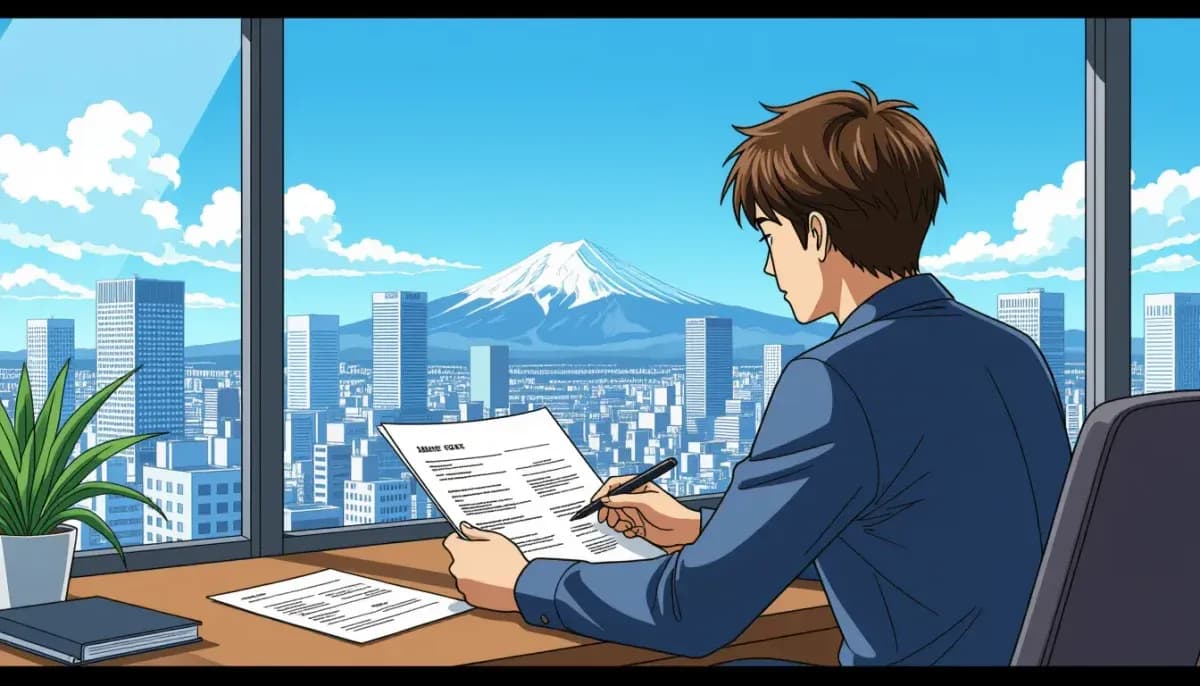
Discover the 7 biggest challenges overseas Japan property owners face — from withholding tax to remote management — and practical solutions to overcome each one.
Common Challenges and Solutions for Overseas Japan Property Owners
Owning property in Japan while living abroad can be one of the most rewarding investments a foreigner makes — but it comes with a distinct set of challenges. From navigating Japan's complex tax system as a non-resident to managing a property thousands of miles away in a language you may not speak fluently, the obstacles are real. The good news is that for every challenge, there are proven solutions that countless overseas owners have used successfully.
This guide covers the most common problems overseas Japan property owners face and provides practical, actionable solutions so you can protect your investment and make the most of it from anywhere in the world.
Challenge 1: The 20.42% Withholding Tax on Rental Income
One of the biggest financial surprises for overseas Japan property owners is the withholding tax on rental income. When a corporate tenant or a tenant using the property for business purposes rents from a non-resident, they are legally required to withhold 20.42% of the monthly rent and remit it directly to Japanese tax authorities before paying you anything.
This doesn't mean you're stuck with a 20.42% tax forever, but it does mean your cash flow can look dramatically lower than expected if you haven't planned for it.
Solutions
Check Your Tax Treaty Status: Japan has bilateral tax treaties with many countries. Most notably, the Japan–US Tax Treaty exempts US residents from this withholding tax obligation on rental income. If your country has a similar treaty, you may be partially or fully exempt. File the appropriate forms in your home country — this is not applied automatically.
File an Annual Tax Return in Japan: Even if withholding tax is deducted, you can file a final tax return (確定申告) between February 16 and March 15 each year to claim deductions for depreciation, property management fees, maintenance costs, and mortgage interest. This can significantly reduce your effective tax rate below the headline 20.42%.
Use a Master Lease Arrangement: Some property management companies offer to enter into a master lease, where they take the lease in their name and sublet to the actual tenant. They handle the withholding tax themselves, simplifying your cash flow management.
For a comprehensive breakdown of property-related taxes, see our guide on Property Taxes and Annual Costs of Owning Property in Japan.
Challenge 2: Appointing a Tax Agent and Managing Compliance
Japan requires non-resident property owners to appoint a tax management agent (納税管理人) — a Japanese resident who handles tax notices, payments, and filings on your behalf. Without one, you risk missing critical deadlines and incurring penalties.
Additionally, a 2024 regulatory change now requires non-resident owners to register a domestic contact address in their property registration record. Properties near defense facilities or border islands also require pre-notification under the Important Land Survey Act.
Solutions
Hire a Bilingual Tax Accountant (税理士): The most reliable solution is retaining a certified tax accountant (税理士) based in Japan who specializes in foreign-owned property. They serve as your tax agent, handle annual filings, manage property tax (固定資産税) payments, and keep you compliant with changing regulations.
Coordinate with Your Property Manager: Many full-service property management companies work alongside tax accountants or can refer you to trusted partners. Keeping your management company, tax accountant, and legal advisor in the same communication loop prevents compliance gaps.
Stay Updated on Regulatory Changes: Japan's regulatory environment for foreign real estate ownership is evolving. Staying informed through resources like Living in Nihon's Property Purchase and Mortgage Guide and Nippon Tradings helps you anticipate changes before they affect you.
Challenge 3: Remote Property Management
Managing a property from overseas requires trusting other people to handle everything — from finding tenants and collecting rent to coordinating repairs and responding to neighbor complaints. When something goes wrong, you can't simply drop by. Tenant disputes over unpaid rent, noise complaints, or damage deposits must all be navigated remotely, often across time zones and language barriers.
Solutions
Partner with a Bilingual, Full-Service Property Management Company: This is the single most important decision for overseas owners. Look for companies with:
- Bilingual (Japanese/English) staff for smooth communication
- Online owner portals with real-time financial reporting
- 24/7 emergency maintenance response
- Experience specifically with non-resident foreign owners
Leading firms such as PLAZA HOMES, Axios Management, and wagaya Japan offer these services. See Tokyo Luxury Towers' guide to property management for overseas investors for a detailed comparison.
Understand the Fee Structure: Standard property management fees range from 5–10% of monthly gross rental income or flat monthly fees of ¥20,000–¥80,000 per property, plus charges for tenant placement (typically one month's rent) and major repairs. Build these into your investment calculations from the start.
Use Technology to Stay Connected: Modern management companies offer digital reporting dashboards, video inspection reports, and instant messaging. Insist on monthly financial summaries and quarterly property condition reports.
For housing infrastructure considerations, For Work in Japan's Housing and Living Guide offers practical advice for understanding how Japan's rental ecosystem works.
Challenge 4: Vacancy Risk and Cash Flow Management
Vacancy is a silent killer for overseas property investors. Unlike an owner-occupied home, a vacant rental property still incurs mortgage payments, management fees, property taxes, and maintenance costs. Overseas owners, who may not have a clear view of local market conditions, are particularly vulnerable to extended vacancy periods.
Solutions
Choose Location Strategically: Properties in high-demand urban areas (Tokyo's central 23 wards, Osaka's Namba/Shinsaibashi, Kyoto's central districts) maintain lower vacancy rates. Before purchasing, research the area's average vacancy rate and rental demand trajectory. Our Buying Property in Tokyo as a Foreigner guide covers this in detail.
Build a Cash Reserve: Plan for 1–2 months of vacancy per year. Maintain a reserve fund equal to at least 3–6 months of your total property holding costs (mortgage + management fee + taxes).
Review Your Pricing Regularly: Overpriced rentals stay vacant. Ask your management company to benchmark your rent against comparable units in the area every 6–12 months and adjust accordingly.
Challenge 5: Language and Cultural Barriers in Legal Documentation
All property contracts, tenant agreements, tax notices, repair estimates, and legal documents in Japan are in Japanese. Even if you speak conversational Japanese, legal and contractual Japanese is a specialized language. Misunderstanding a lease clause or missing a legal notice can have serious financial consequences.
Solutions
Never Sign Anything Without Translation: Require your management company or legal representative to provide full English translations of all key documents before signing. Reputable firms serving international clients do this as standard practice.
Understand Japan's Tenant Protection Laws: Japan's tenant protection laws strongly favor tenants. Evicting a non-paying tenant can take 6–12 months even with valid grounds. Your property manager should handle all tenant legal matters, but you should understand the framework to set realistic expectations.
Consult a Bilingual Real Estate Lawyer (弁護士): For complex situations — lease disputes, property inheritance, or sale proceedings — retain a bilingual real estate attorney. This is particularly important if you're navigating the process described in Legal Procedures and Documentation for Japan Property Purchase.
Challenge 6: Capital Gains Tax and the Sell-or-Hold Decision
When you eventually decide to sell, non-resident owners face a 10.21% withholding tax on the sale proceeds, which the buyer withholds and remits to Japanese authorities. The actual capital gains tax rate depends on how long you've owned the property:
| Holding Period | Capital Gains Tax Rate (Non-Resident) |
|---|---|
| Short-term (under 5 years) | 30.63% |
| Long-term (5+ years) | 15.315% |
| Sale proceeds withholding | 10.21% |
| Rental income withholding | 20.42% |
A 5-year ownership simulation comparing holding versus selling showed that rental income over five years can generate approximately ¥5.2 million in net income, versus approximately ¥2.5 million in net proceeds from an immediate sale — though outcomes vary significantly with vacancy rates, property condition, and market timing.
Solutions
Hold for 5+ Years When Possible: The jump from 30.63% to 15.315% capital gains tax makes a dramatic difference in your net proceeds. If your financial situation allows, holding property for at least five full years before selling is almost always advantageous.
Plan Your Sale Timeline Carefully: Work with your tax accountant to model the tax outcome of different sale timings. Factor in the interaction between Japanese capital gains tax and your home country's foreign income reporting requirements.
Consider the Sell vs. Rent Decision Framework: Our partner site Gaijin Buy House offers a detailed Sell vs. Rent guide specifically for foreigners leaving Japan, covering tax implications, revenue simulations, and step-by-step procedures.
Challenge 7: Property Maintenance and Emergency Repairs
Japan's climate creates specific property maintenance challenges: humid summers cause mold; typhoon season brings water damage; earthquakes require structural vigilance. An overseas owner who hasn't arranged proper maintenance protocols may face expensive repair bills that were entirely preventable.
Solutions
Schedule Annual Property Inspections: Instruct your management company to conduct a formal interior inspection at least once per year (typically between tenancies) and send you a written report with photos. Pay particular attention to water-related issues — roof, pipes, drainage, and condensation.
Build a Repair Reserve: Budget ¥100,000–¥300,000 per year for routine maintenance and repairs, more for older properties. Properties built before 1981 predate Japan's modern earthquake resistance standards — factor this into your maintenance planning.
Confirm Adequate Insurance Coverage: Japan's standard fire insurance (火災保険) is mandatory for mortgaged properties but may not cover all scenarios. Review your policy annually to ensure coverage is appropriate for your property type, location, and tenant use.
For a complete understanding of what you're taking on before purchase, review Hidden Costs and Fees When Buying Property in Japan.
Putting It All Together: A Framework for Overseas Owners
Successfully owning property in Japan from overseas requires building a small professional team:
- Property Management Company — Your frontline operator for tenant relations, rent collection, and maintenance
- Tax Accountant (税理士) — Your compliance backbone for annual filings, withholding tax management, and regulatory updates
- Real Estate Lawyer (弁護士) — On call for disputes, sales, or inheritance matters
- Insurance Broker — For annual policy reviews and claims support
With this team in place, most overseas Japan property owners find the experience far less daunting than they anticipated. The key is selecting professionals with genuine international client experience and maintaining regular, proactive communication rather than waiting for problems to arise.
Japan's property market continues to attract significant overseas investor interest, and the infrastructure for supporting foreign owners has matured considerably. By understanding the challenges in advance and taking a systematic approach to each one, you can enjoy the financial and lifestyle benefits of Japan property ownership with confidence — wherever in the world you happen to be living.
For the full picture on owning property in Japan as a foreigner, start with our Complete Guide to Buying Property in Japan as a Foreigner.

Originally from Vietnam, living in Japan for 16+ years. Graduated from Nagoya University, with 11 years of professional experience at Japanese and international companies. Sharing information about buying property in Japan for foreigners.
View Profile →Related Articles
Property Management Technology and Tools for Japan Owners
Complete guide to property management technology tools for overseas Japan property owners — PMS software, owner portals, smart home tech, financial tools, and rental platforms to manage your Japanese property from abroad.
Read more →
Power of Attorney for Japan Property Management
Complete guide to power of attorney for Japan property management as a foreigner. Learn how to create a valid POA, choose a representative, meet tax obligations, and manage your property remotely.
Read more →
Banking Requirements for Overseas Japan Property Owners
Complete guide to Japanese banking requirements for overseas property owners: non-resident accounts, mortgages, fund transfers, tax obligations, and practical strategies for managing Japan real estate remotely.
Read more →
Seasonal Property Care Guide for Overseas Owners in Japan
Complete seasonal property care guide for overseas owners in Japan. Spring inspections, rainy season mold prevention, typhoon prep, winter pipe protection, and year-round maintenance costs — everything you need to manage your Japan property remotely.
Read more →
Property Maintenance and Remote Monitoring in Japan
Complete guide to property maintenance and remote monitoring in Japan for foreign owners. Learn about smart home tech, management companies, caretaker services, and legal requirements for overseas property owners.
Read more →
Managing Japan Tenants from Overseas: Remote Landlord Guide
A complete guide to managing Japanese tenants remotely as an overseas landlord — property management companies, taxes, tenant law, repairs, and compliance for foreign owners.
Read more →