
Utility Management for Vacant Japan Properties

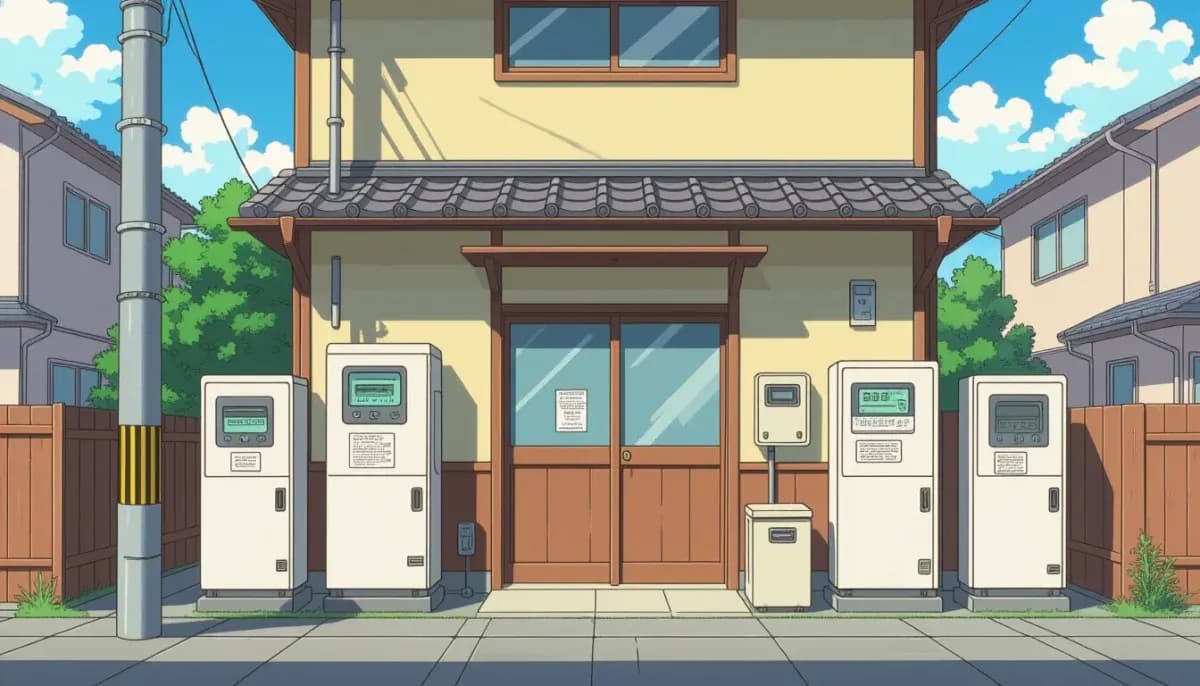
Learn how to manage electricity, gas, and water utilities for vacant properties in Japan as a foreign owner. Covers costs, remote management, legal requirements, and seasonal preparation.
Utility Management for Vacant Japan Properties: A Complete Guide for Foreign Owners
Owning a vacant property in Japan comes with a unique set of responsibilities — and one of the most overlooked is utility management. Whether you purchased an akiya (vacant house) as an investment, a holiday retreat, or a future residence, keeping the electricity, gas, and water connected (or correctly disconnected) is essential to protect your property and avoid costly problems. This guide walks foreign owners through everything they need to know about managing utilities for vacant Japanese properties.
Why Utility Management Matters for Vacant Properties in Japan
Japan is home to approximately 9 million akiya as of 2023, representing roughly 13.8% of all residential properties in the country. That figure has doubled since 1993, and it highlights a growing challenge: vacant properties left without proper utility management deteriorate rapidly.
When a property sits empty with utilities improperly managed, several problems can arise:
- Moisture and mold: Without heating or ventilation, Japanese homes — particularly older wooden structures — are prone to damp conditions that accelerate decay.
- Burst pipes: During cold winters in regions like Hokkaido or the Japan Alps, unheated pipes can freeze and crack.
- Pest infestations: Stagnant water in pipes attracts insects. An empty, unventilated house is an ideal environment for pests.
- Utility company penalties: Accounts left in arrears can lead to disconnection fees or legal notices delivered to a Japanese address — which an absentee foreign owner may never see.
- Fire hazards: Gas appliances left improperly shut off create safety risks that can affect neighboring properties.
Understanding how to manage — or appropriately suspend — your property's utilities is a core part of responsible ownership. For a broader look at purchasing vacant homes, see our guide to akiya and abandoned houses in Japan for foreigners.
Understanding Japan's Utility System: The Three Main Services
Japan's residential utility landscape involves three primary services, each managed differently.
Electricity (Denki, 電気)
Electricity is the most straightforward utility to manage. Regional monopolies serve different parts of Japan: TEPCO (Tokyo Electric Power) covers the Kanto region, Kansai Electric serves Osaka and Kyoto, and so on. Setup and cancellation can typically be done online or by phone.
For a vacant property, you have two main options:
- Maintain a minimal contract — Keep the electricity connected at a low base rate to run dehumidifiers, motion-sensor lighting, or security cameras.
- Cancel and reconnect as needed — Cancellation is simple, but reconnection for future visits requires advance notice (usually 1-2 weeks).
TEPCO and most major providers now offer English-language support, making this process more accessible for non-Japanese speakers.
Gas (Gasu, ガス)
Gas is the most complex utility to manage, particularly for vacant properties. Japan uses two gas systems:
- City gas (toshi gas): Piped natural gas, available mainly in urban areas and cheaper overall.
- Propane (LPG): Used in rural areas; typically 1.5–2x more expensive than city gas.
The critical rule with gas: the supply is always cut between contracts for safety reasons. When you want to reconnect gas — even if only for a visit — you must schedule an in-person appointment with a gas company technician. There is no remote activation option. During busy move-in seasons (March–April in Japan), technician availability can be limited, so plan ahead.
For vacant properties, most experts recommend canceling gas service entirely between uses and scheduling reconnection 1-2 weeks before your next visit.
Water (Mizu, 水道)
Water services in Japan are managed by local municipalities rather than private companies. The process varies slightly by city or ward.
For vacant properties:
- You can close the stopcock (止水栓, suisenkan) yourself to prevent water flow to the property.
- Leaving water accounts active but unused typically involves only the base monthly charge (around ¥500-1,000 per month depending on the municipality).
- Full cancellation and reconnection is possible but requires administrative notice.
Leaving minimal water service active is often advisable to prevent damage from frozen or degraded pipes during reconnection.
For a detailed breakdown of all annual costs including utilities, see our article on property taxes and annual costs of owning property in Japan.
Annual Cost Overview for Vacant Property Utilities in Japan
One of the most important things to understand as a foreign property owner is that utilities cost money even when a property is unoccupied. Here is a realistic breakdown:
| Utility | Monthly Cost (Minimal Use) | Annual Cost |
|---|---|---|
| Electricity (base contract) | ¥500 – ¥1,500 | ¥6,000 – ¥18,000 |
| Gas (if kept active) | ¥1,000 – ¥2,000 | ¥12,000 – ¥24,000 |
| Water (base rate) | ¥500 – ¥1,000 | ¥6,000 – ¥12,000 |
| Internet (if kept) | ¥4,000 – ¥6,000 | ¥48,000 – ¥72,000 |
| Total (utilities only) | ¥6,000 – ¥10,500 | ¥72,000 – ¥126,000 |
If you maintain active utility connections (e.g., running dehumidifiers or security systems), annual utility costs for a vacant property typically fall in the range of ¥120,000–¥150,000, as reported by akiya cost analysts at Akiya Hub. Combined with property taxes (fixed asset tax ~1.4% of assessed value plus city planning tax ~0.3%), insurance, and maintenance reserves, total annual ownership costs average around ¥247,520 ($1,690 USD) for a modest akiya.
For a comprehensive view of what expats pay for living utilities in Japan generally, The Expat's Guide to Japan provides a solid overview.
Managing Utilities Remotely: Options for Non-Resident Foreign Owners
For foreign owners who do not live in Japan, managing utilities remotely is a significant challenge — but it is very manageable with the right setup.
Hire a Property Management Company
The most reliable solution is to engage a Japanese property management company. As of 2024, overseas property owners are legally required under Japan's real estate registration law to designate a domestic contact address in Japan. A property management company can serve this function.
Full-service property management in Japan typically costs around 5% of monthly rental income (if rented) or a flat monthly fee for vacant property caretaking. Key services for vacant property management include:
- Monthly inspection visits
- Utility bill payment on your behalf
- Responding to utility company notices
- Coordinating gas reconnection appointments before your visits
- Reporting property condition via email or app
MailMate is one example of a bilingual service that assists overseas owners — see Top Property Management Companies in Japan for a comparison of available options.
For a dedicated guide to overseas ownership management, our article on property management for overseas owners in Japan covers the subject in full detail.
Set Up Automatic Bill Payments
Even if you manage utilities yourself, linking your accounts to automatic payments is essential. Options include:
- Japanese bank account with auto-debit (furikomi): The most reliable method; many utilities offer a small discount (around ¥55/month) for automatic bank transfer.
- Credit card autopay: Accepted by most major utility providers; earn rewards points.
- Property management company: They collect and pay bills on your behalf and report to you monthly.
International bank transfers for utilities are not typical in Japan — you will generally need either a Japanese bank account or credit card. If you lack these, a property manager or trusted local contact is the practical solution.
Digital Monitoring Tools
Modern technology makes remote oversight more practical than ever:
- Smart plugs and dehumidifiers: Set humidity-controlled dehumidifiers to run automatically, preventing mold without continuous power draw.
- IoT water leak sensors: Detect pipe leaks or flooding before major damage occurs.
- Security cameras: Monitor property access and condition remotely via smartphone apps.
- Smart meters: Many Japanese utilities now offer digital meter reading with online access.
For more on setting up utilities as a foreigner, For Work in Japan's utility setup guide explains payment methods and setup processes clearly.
The 2024 Law Change: What Foreign Owners Must Know
In April 2024, Japan enacted changes to real estate registration requirements that directly affect overseas property owners. The key obligation: all property owners residing overseas must register a domestic contact address in Japan.
This contact point serves as the legal recipient for:
- Tax notices (property tax, acquisition tax)
- Utility company correspondence
- Municipal notifications (including any notices under the Vacant House Special Measures Act)
- Court or legal documents related to the property
Failure to comply can result in fines and complications with property ownership records. Your designated contact can be:
- A property management company
- A trusted friend or family member residing in Japan
- A legal representative (judicial scrivener or attorney)
For foreign buyers navigating Japanese property law, Living in Nihon's property purchase guide provides a useful step-by-step overview of ownership obligations.
Preparing Your Vacant Property for Seasonal Visits
If you plan to use your vacant Japanese property seasonally, utility preparation is essential. Here is a recommended timeline:
4 Weeks Before Your Visit
- Contact the gas company to schedule a reconnection appointment (mandatory in-person technician visit required)
- Confirm electricity is active or schedule reconnection
- Notify your property manager of your visit dates
2 Weeks Before
- Confirm the gas technician appointment date
- Arrange for a property inspection to check for any issues
- Ensure water is flowing and check for leaks
1 Week Before
- Gas technician performs reconnection and safety check
- Property manager or caretaker does final walkthrough
- Confirm internet/Wi-Fi if needed during your stay
After Your Visit
- Decide whether to cancel gas or leave on a minimal contract
- Set dehumidifiers to automatic mode for ongoing moisture control
- Notify property manager of any issues to address
For advice on renovation and maintenance during visits, see our guide on home renovation and remodeling in Japan for foreign owners.
Insurance and Utility Safety Considerations
Utility mismanagement is one of the leading causes of vacant property damage claims in Japan. When taking out insurance on a vacant property, insurers typically require:
- Regular inspection records (usually at least every 3-6 months)
- Confirmation that utilities are properly managed or suspended
- Documentation that the property is not classified as "neglected" under local regulations
Japan's fire insurance (kasai hoken) and comprehensive homeowner's policies generally cover damage from burst pipes, electrical faults, and similar incidents — but only if the property is being reasonably maintained. Leaving a property completely unattended for years without utility management may void coverage.
See our complete guide to insurance for property owners in Japan for details on selecting appropriate coverage.
Gaijin Buy House also provides an excellent English-language guide to utility setup for electricity, gas, and water in Japan which covers the technical setup process in detail.
Common Mistakes Foreign Owners Make with Vacant Property Utilities
Understanding what not to do is just as important as knowing the right steps:
- Canceling all utilities and doing nothing else: This leaves the property vulnerable to mold, pests, and pipe damage — and means you have no monitoring capability.
- Forgetting to pay utility base charges: Unpaid accounts sent to a Japanese address you never check can escalate to disconnection and debt collection.
- Assuming gas can be reconnected immediately: Many foreign owners arrive at their vacant property expecting to cook and bathe, not realizing gas requires a scheduled technician visit that cannot happen same-day.
- Not having a domestic contact: Post-2024, this is a legal requirement — and practically, it is essential for receiving utility company notices and municipal correspondence.
- Ignoring seasonal risks: Properties in Hokkaido, Nagano, or other cold regions face real freeze risk if heating and water management are neglected in winter.
Conclusion
Managing utilities for a vacant Japanese property is a manageable but detail-oriented responsibility. The key pillars are: understanding each utility's unique reconnection requirements (especially gas), maintaining a domestic contact in Japan as legally required, setting up automatic payments, and ideally engaging a property management company for regular oversight.
Japan's vacant property situation presents real opportunity for foreign buyers — but sustainable ownership means treating the property as an active asset, not a forgotten one. Proper utility management is the foundation of that approach.
For the full picture of what it means to buy and own property in Japan as a foreigner, start with our complete guide to buying property in Japan as a foreigner.

Originally from Vietnam, living in Japan for 16+ years. Graduated from Nagoya University, with 11 years of professional experience at Japanese and international companies. Sharing information about buying property in Japan for foreigners.
View Profile →Related Articles
Common Challenges and Solutions for Overseas Japan Property Owners
Discover the 7 biggest challenges overseas Japan property owners face — from withholding tax to remote management — and practical solutions to overcome each one.
Read more →
Property Management Technology and Tools for Japan Owners
Complete guide to property management technology tools for overseas Japan property owners — PMS software, owner portals, smart home tech, financial tools, and rental platforms to manage your Japanese property from abroad.
Read more →
Power of Attorney for Japan Property Management
Complete guide to power of attorney for Japan property management as a foreigner. Learn how to create a valid POA, choose a representative, meet tax obligations, and manage your property remotely.
Read more →
Banking Requirements for Overseas Japan Property Owners
Complete guide to Japanese banking requirements for overseas property owners: non-resident accounts, mortgages, fund transfers, tax obligations, and practical strategies for managing Japan real estate remotely.
Read more →
Seasonal Property Care Guide for Overseas Owners in Japan
Complete seasonal property care guide for overseas owners in Japan. Spring inspections, rainy season mold prevention, typhoon prep, winter pipe protection, and year-round maintenance costs — everything you need to manage your Japan property remotely.
Read more →
Property Maintenance and Remote Monitoring in Japan
Complete guide to property maintenance and remote monitoring in Japan for foreign owners. Learn about smart home tech, management companies, caretaker services, and legal requirements for overseas property owners.
Read more →