
Home Internet Setup Guide for Foreigners in Japan

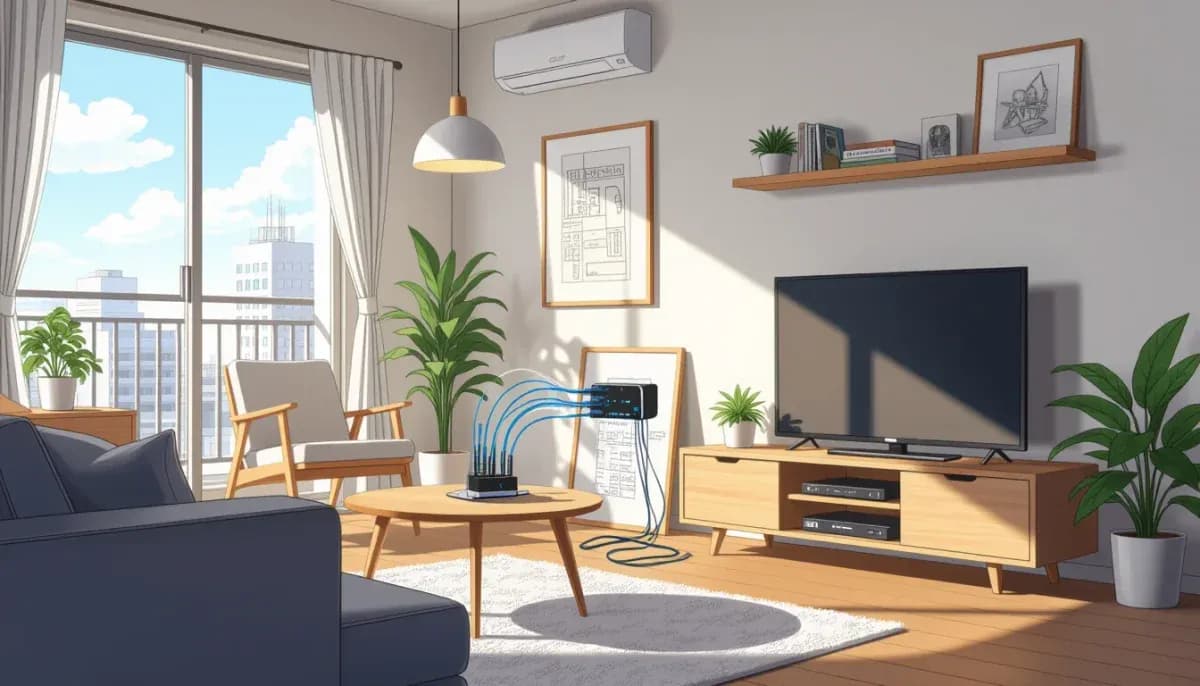
Complete guide to setting up home internet in Japan as a foreigner. Compare fiber providers, understand costs, and learn step-by-step how to get connected quickly in your Japanese home.
Home Internet Setup Guide for Foreigners in Japan
Setting up home internet in Japan is one of the first practical tasks after moving into your new place. Japan boasts some of the fastest and most reliable internet infrastructure in the world, with fiber optic (hikari) networks reaching approximately 99.9% of premises nationwide. However, the process can be confusing for foreigners — especially since most providers operate primarily in Japanese. This guide walks you through everything you need to know to get connected quickly and affordably.
Understanding How Internet Works in Japan
Japan's internet system is different from many Western countries. The service is unbundled, meaning you typically need two separate contracts:
- Line provider — the company that owns and maintains the physical fiber optic cable to your home (e.g., NTT's Flets Hikari, Docomo Hikari)
- ISP (Internet Service Provider) — the company that provides your actual internet connection over that line
This means your monthly bill will often show two charges: one for the line and one for the ISP. Some all-in-one providers simplify this by bundling both together.
As of 2024, Japan had 104.4 million internet users with an 84.9% internet penetration rate. Over 93% of households with internet access use broadband, and about 59.1% use fiber optic connections. This world-class infrastructure means once you're set up, you can expect consistently fast speeds.
For a broader look at what to arrange when moving in, check out our guide on setting up utilities in Japan: electricity, gas, and water and our comprehensive moving to Japan checklist for new homeowners.
Types of Home Internet Connections in Japan
Fiber Optic (Hikari / FTTH)
Fiber optic is the gold standard for home internet in Japan. Known locally as hikari (光), which means "light," these connections deliver speeds of up to 1 Gbps or even 10 Gbps. Fiber is available in virtually every part of Japan, making it the recommended option for most households.
Cable TV (CATV) Internet
Cable internet uses the existing cable TV infrastructure and offers moderate speeds. It is less common than fiber but can be a good fallback if fiber installation is not feasible in your building.
Mobile/Pocket Wi-Fi
Portable Wi-Fi devices (pocket Wi-Fi) use mobile data networks and require no installation. They are ideal while waiting for your fiber connection to be set up — installation typically takes 2 to 4 weeks, and up to 6 to 8 weeks during the peak moving season in March and April. Pocket Wi-Fi typically costs ¥2,500–¥4,000 per month.
ADSL
ADSL (copper telephone line-based internet) is a legacy option with much slower speeds. Most providers are phasing it out, so this is not recommended unless no other option is available.
Major Internet Providers for Foreigners in Japan
Choosing a provider can be overwhelming when everything is in Japanese. The good news is that several providers offer English support or are specifically designed for foreign residents.
| Provider | Monthly Cost | Max Speed | Contract Length | English Support |
|---|---|---|---|---|
| NTT Docomo Hikari | ¥4,400–¥5,720 | 1 Gbps | 2 years | Yes |
| SoftBank Hikari | ¥4,180–¥7,590 | 1–10 Gbps | 2 years | Yes |
| au Hikari (KDDI) | ¥4,180–¥5,610 | 1 Gbps | 2 years | 13 languages |
| NURO Hikari (Sony) | ¥2,090–¥5,200 | 2 Gbps | 3 years | Limited |
| GTN Hikari | ¥4,400–¥5,500 | 1 Gbps | 1–2 years | 7 languages |
| Sakura Fiber Internet | ¥4,500–¥6,000 | 1 Gbps | Flexible | Strong English |
GTN Hikari (Global Trust Networks) is specifically designed for foreign residents in Japan. It supports 7 languages (English, Chinese, Korean, Vietnamese, and others), requires no Japanese guarantor, and offers flexible payment options. Sakura Fiber Internet is another foreigner-friendly option with strong English-language customer support, flexible contracts without the typical 2–3 year lock-in, and even accepts cash payment — helpful if you do not yet have a Japanese bank account.
For more information on living in Japan as a foreigner, Living in Nihon is a useful resource for expat lifestyle tips. Those looking for work-related information in Japan can also check For Work in Japan.
How to Set Up Home Internet: Step-by-Step
Step 1: Check Your Apartment Building Type
Before applying, determine what type of building you live in:
- Mansion type (マンションタイプ): Apartment buildings with 4 or more units. These typically already have fiber infrastructure installed, so setup takes around 2 weeks.
- Family/Home type (ファミリータイプ/戸建て): Houses or buildings with 3 or fewer units. These require individual fiber cable installation, which may take longer.
Also check your lease agreement — some landlords need to approve internet installation before you begin, especially if the technician needs to drill new holes or run cables.
Step 2: Gather Required Documents
Most providers require the following from foreign residents:
- Residence Card (Zairyu Card) — your official ID as a foreign resident
- Proof of address — resident registration or a utility bill
- Japanese bank account or credit card for monthly payments (Sakura Fiber accepts cash)
- Landlord permission — if your rental agreement requires it
Step 3: Apply Online or In-Store
Many providers allow online applications, but the forms are typically in Japanese. If you need English assistance, use GTN Hikari, Sakura Fiber, or call the English support line for au Hikari (available in 13 languages). You can also visit a provider's store with a Japanese-speaking friend or use a translation app.
Step 4: Schedule Installation
A technician will visit your home to install the fiber cable and set up the optical network terminal (ONT). The visit usually takes 1 to 2 hours. If your building already has fiber infrastructure (mansion type), installation may be faster.
Step 5: Set Up Your Router
Most providers offer a rental router for ¥300–¥600 per month, or you can purchase your own compatible device. Once the technician completes installation, connect your router, configure the Wi-Fi settings, and you are online.
For those who are also navigating other aspects of settling in Japan, see our full guide on moving to Japan and setting up your new home.
Costs and Fees Breakdown
Home fiber internet in Japan generally costs ¥3,000–¥9,000 per month including both line and ISP fees. Here is a breakdown of the costs to expect:
- Monthly service fee: ¥3,000–¥7,500 depending on provider and plan
- Installation fee: ¥3,000–¥30,000 (many providers waive this or spread it across the contract)
- Internal wiring fee: Up to ¥40,000 if new cables need to be run inside your home
- Router rental: ¥300–¥600 per month (or buy your own)
- Early termination fee: ¥10,000–¥25,000 if you cancel before the contract ends
Money-saving tip: Bundle your home fiber internet with your mobile phone plan from the same carrier. NTT Docomo, SoftBank, and au all offer discounts of ¥1,000–¥1,650 per month when you use their fiber and mobile services together.
For detailed information on internet connectivity in rural areas of Japan, visit our article on internet and infrastructure in rural Japan for remote workers.
Tips for Foreigners Setting Up Internet in Japan
Apply immediately after signing your lease. The 2–4 week installation wait starts from the date you submit your application, not your move-in date. Applying as soon as you sign will minimize the gap.
Use pocket Wi-Fi in the meantime. Available at electronics stores and airports, these devices cost ¥2,500–¥4,000 per month and provide immediate internet access while you wait for installation.
Choose a foreigner-friendly provider if you do not speak Japanese. GTN Hikari and Sakura Fiber are both excellent options designed with international residents in mind. For a broader guide on buying property and settling in Japan, Gaijin Buy House offers resources specifically for foreign buyers and residents.
Be aware of peak season delays. March and April are peak moving season in Japan, and internet installation wait times can stretch to 6–8 weeks. If you are moving during this period, apply early and have a pocket Wi-Fi plan ready.
Read your contract carefully. Most major providers require a 2–3 year commitment with significant early termination fees. If you are on a short-term visa or unsure of your stay, opt for flexible contract providers like Sakura Fiber or GTN Hikari.
Check what is already in your building. Many newer apartment buildings (mansions) already have fiber lines installed. Ask your landlord or real estate agent, as this can dramatically speed up the setup process.
For more details on setting up as a homeowner in Japan, including tips on banking and finances, see banking requirements for overseas Japan property owners.
Additional Resources
For more detailed comparisons of internet providers and pricing, these resources are highly recommended:
- Setting Up Internet at Home in Japan | RealEstate.co.jp
- Best Internet Providers in Japan for Foreigners | ExpatDen
- How to Set Up Your Home Internet in Japan | Jobs in Japan
- What's The Best Internet Provider in Japan? | GaijinPot
Setting up internet in Japan is straightforward once you understand the two-contract system and know which providers are foreigner-friendly. With Japan's exceptional fiber infrastructure, you can look forward to fast, reliable internet that supports everything from remote work to streaming — all at a competitive price.

Originally from Vietnam, living in Japan for 16+ years. Graduated from Nagoya University, with 11 years of professional experience at Japanese and international companies. Sharing information about buying property in Japan for foreigners.
View Profile →Related Articles
Joining the Community Association (Jichikai/Chonaikai) in Japan
Learn how to join Japan's neighborhood association (jichikai or chonaikai) as a foreigner. Covers fees, activities, practical tips, and how to integrate into your local Japanese community.
Read more →
Local Government Services for New Residents in Japan
Complete guide to local government services for new foreign residents in Japan: address registration, health insurance, national pension, My Number, and multilingual support at city hall.
Read more →
Japan Home Maintenance Seasonal Calendar and Guide
Complete seasonal home maintenance calendar for foreign homeowners in Japan. Covers rainy season mold prevention, typhoon prep, winter condensation, osoji deep cleaning, and long-term repair budgeting.
Read more →
Japan Postal and Mail System Setup Guide for New Homes
Complete guide to setting up mail at your new Japanese home: Tenkyo Todoke forwarding, mailbox setup, missed deliveries, and notifying important institutions as a foreign resident.
Read more →
Juuminhyou (Resident Registration) Guide for Property Owners in Japan
Complete guide to juuminhyou (juminhyo) for foreign property owners in Japan. Learn how to register, obtain copies, and meet the April 2024 name registration requirements for property transactions.
Read more →
Home Security System Options in Japan for Foreign Owners
Complete guide to home security systems in Japan for foreign owners and expats. Compare SECOM, ALSOK, Leafee, Secual, and DIY options with costs and rental rules.
Read more →