
Japanese Neighborhood Introduction Customs and Etiquette

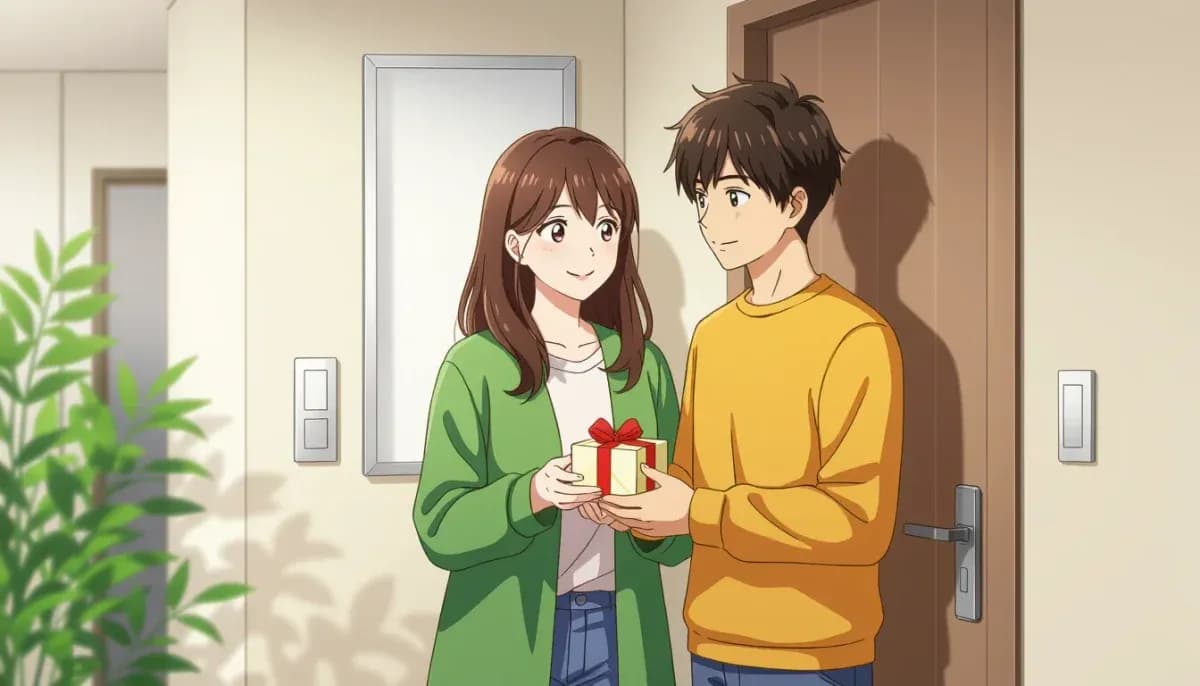
Learn hikkoshi aisatsu — Japan's neighbor introduction custom. What gift to bring, who to visit, what to say, and how foreigners can make a great first impression in their new Japanese neighborhood.
Japanese Neighborhood Introduction Customs and Etiquette: A Complete Guide for Foreigners
Moving into a new home in Japan is an exciting milestone — but it comes with a unique and important cultural obligation most foreigners don't know about: the hikkoshi aisatsu (引越し挨拶), or "moving greeting." This custom of introducing yourself to your new neighbors and presenting a small gift is one of Japan's most enduring social traditions, rooted in centuries of close-community living.
For foreigners buying or renting property in Japan, understanding this custom is not just polite — it is a powerful way to start your new life in Japan on the right foot. This guide covers everything you need to know: what to do, when to do it, what to bring, and how to introduce yourself even if your Japanese is limited.
If you are still in the process of choosing the right neighborhood in Japan, or have already completed your home purchase in Japan, this guide will help you make the best possible first impression with your new community.
What is Hikkoshi Aisatsu? (引越し挨拶)
The term hikkoshi aisatsu literally means "moving greeting." It refers to the Japanese practice of visiting neighboring households — in person — when you move into a new home or apartment, introducing yourself, and presenting a small gift as a gesture of goodwill.
This custom is notably different from Western norms in one key way: the newcomer brings gifts to the neighbors, not the other way around. You are entering an established community, and the aisatsu signals that you respect your neighbors and hope to coexist harmoniously.
The tradition has deep roots. During the Edo period (1603–1868), residents of tightly-packed urban nagaya (row houses) depended heavily on neighborly goodwill for daily life — helping with fires, floods, illness, and community resources. Introducing yourself was not merely polite; it was essential for survival. Today, the custom has softened but remains meaningful, especially in residential buildings and rural communities.
Even if you are a foreigner unfamiliar with Japanese customs, making the effort to do hikkoshi aisatsu sends a powerful message: you are thoughtful, respectful, and serious about being a good neighbor. Japanese neighbors generally do not expect foreigners to know this tradition — so when you uphold it, the impression is extremely positive.
For more guidance on settling into your new Japanese home, check out resources at Living in Nihon and practical relocation tips at For Work in Japan.
When to Do Your Neighbor Introduction
Timing matters in Japanese neighbor introductions. Here are the key guidelines:
Before or on moving day: Ideally, you should visit neighbors on the day of your move or the day before. Moving trucks and activity in hallways can disturb neighbors, so a pre-emptive introduction is especially considerate.
As soon as possible after moving: If you could not introduce yourself on moving day, do it within the first few days. The longer you wait, the more awkward the situation becomes. After a week, some neighbors may already have formed an impression of you — and it may not be a positive one.
Time of day: Visit during mid-morning (9–11 AM) or early afternoon (1–4 PM) on weekdays or weekends. Avoid early mornings, dinner time, and evenings. In Japan, unexpected visitors in the evening can cause anxiety.
Duration: Keep visits short — five minutes or less. This is not a social call; it is a brief, respectful acknowledgment. Hand over your gift, say a few words, exchange a bow, and excuse yourself. Do not linger unless the neighbor invites you in.
If no one is home: If a neighbor does not answer, it is perfectly acceptable to leave your gift at the door with a handwritten note including your name, your apartment or house number, and a brief message. A bilingual note (Japanese and English) works well for international residents.
Who Should You Visit?
In an apartment building (mansion or apāto), the standard practice is to visit:
- The neighbor directly to the left of your unit
- The neighbor directly to the right of your unit
- The neighbor directly above your unit
- The neighbor directly below your unit
This is often summarized as the "around your unit" rule, covering up to four households. Some etiquette guides also recommend greeting neighbors across the hall if applicable.
In a detached house (ikkodate), you should visit:
- Neighbors on both sides of your property
- Neighbors directly across the street (one or two homes)
- Neighbors diagonally across if your street is narrow or in a dense residential area
Additionally, do not forget to greet:
- Your landlord (if renting), who may live nearby or manage the property directly
- The neighborhood association head (自治会長, jichikaichō) if you are in a community with an active jichikai (neighborhood council). This is especially important in suburban and rural areas
In rural communities with fewer than 20 or 30 homes, it may be expected to greet every household in the immediate area.
For buyers of rural properties — including akiya vacant homes — this extended introduction is especially critical. Rural communities are tightly knit and long-established; entering without greeting your neighbors can make your stay significantly more difficult.
What Gift to Bring: The Hikkoshi Aisatsu Present
Choosing the right gift is central to the custom. Japanese aisatsu gifts follow specific norms:
Price Range
Spend ¥500–¥1,000 per household (approximately $3–$7 USD). This amount is enough to show thoughtfulness without making neighbors feel indebted to you. Spending significantly more can create an uncomfortable social obligation.
Best Gift Types
Practical, consumable goods are ideal — things that will be used and will not go to waste. Popular choices include:
| Gift Type | Examples | Notes |
|---|---|---|
| Snacks/sweets | Senbei, biscuits, mochi, chocolates | Pre-wrapped, shelf-stable preferred |
| Beverages | Tea bags, drip coffee packs, juice sets | Easy to store and use |
| Household goods | Kitchen towels, sponges, dish soap | Practical and universally useful |
| Laundry products | Small detergent, fabric softener sachets | Very popular, widely accepted |
| Hometown specialties | Local snacks, regional sweets | Also a great conversation starter |
Department store and supermarket gift sets in the ¥500–¥1,000 range are sold specifically for this purpose and come neatly wrapped, which is important in Japanese gift-giving culture.
What to Avoid
- Knives, scissors, or anything with a blade — these symbolize cutting the relationship
- Potted plants — too permanent and may carry superstitious implications
- Items requiring refrigeration — difficult for neighbors to manage if they are not home when you visit
- Alcohol — unless you are certain the neighbor drinks
- Strongly scented items — perfumes or incense can be intrusive
The Hikkoshi Soba Tradition
Japan has an older tradition of giving buckwheat noodles (soba) as a moving gift. The word soba (そば) also means "nearby" or "beside you," and long noodles symbolize a long and pleasant relationship.
Interestingly, many Japanese people today have misconceptions about this custom. According to a LiveJapan survey:
- 49% incorrectly believe hikkoshi soba means eating noodles yourself after moving
- Only 27% correctly know it means gifting soba noodles to neighbors
- 23% had no knowledge of the custom at all
While soba remains a meaningful and appreciated gift (especially dry noodle packs), modern aisatsu gifts tend to favor more broadly useful consumables.
How to Introduce Yourself: Scripts and Phrases
Even with limited Japanese, you can make a warm and respectful impression. Here are practical phrases to use:
Basic Introduction (Apartment)
Japanese:
はじめまして。○○号室に引っ越してまいりました、[Your Name]と申します。これからよろしくお願いいたします。
Romanized:
Hajimemashite. [Room number]-gōshitsu ni hikkoshite mairimashita, [Your Name] to mōshimasu. Korekara yoroshiku onegai itashimasu.
English meaning:
"Nice to meet you. I've just moved into unit [number]. My name is [Name]. I look forward to being your neighbor."
Basic Introduction (House)
Japanese:
このたび、こちらに引っ越してまいりました[Your Name]と申します。どうぞよろしくお願いします。
English meaning:
"I have just moved in nearby. My name is [Name]. I hope we will get along well."
Handover Phrase
When presenting your gift, say:
つまらないものですが、どうぞ。(Tsumaranai mono desu ga, dōzo.) "It is a small thing, but please accept it."
This is the standard polite Japanese gift-offering phrase — it literally means "it is nothing special," which is a humble way to present even a thoughtful gift.
If Your Japanese Is Limited
If you are not confident speaking Japanese, prepare a bilingual name card with:
- Your name
- Your unit number / address
- Your phone number or email
- A brief message in both Japanese and English
You can also hand over the gift and card together with a bow and a simple "Yoroshiku onegai shimasu" — neighbors will understand and appreciate the effort.
After Moving In: Ongoing Neighbor Etiquette
Hikkoshi aisatsu is only the beginning. Long-term harmony with Japanese neighbors depends on consistent, respectful behavior:
Daily Greetings
Greet your neighbors when you see them — in the elevator, at the mailbox, or at the garbage area. Even a simple:
- "Ohayō gozaimasu" (Good morning)
- "Konnichiwa" (Hello / Good afternoon)
- "Otsukaresama desu" (Thank you for your work / a general respectful greeting to people returning home)
...goes a long way in maintaining a positive relationship.
Noise Etiquette
Japanese apartment walls are often thin, and noise complaints are a leading source of neighbor conflict. Follow these general guidelines:
| Time | Acceptable Activities |
|---|---|
| 9 AM – 7 PM | Normal household activities, quiet music |
| 7 PM – 10 PM | Moderate noise; avoid drums/loud instruments |
| 10 PM – 8 AM | Keep all noise minimal; quiet hours |
Subwoofers, bass-heavy music, and late-night parties are especially sensitive. When hosting guests, notify neighbors in advance if the gathering may be audible.
Garbage Rules
Japan's garbage sorting system is highly detailed and strictly observed. Incorrect garbage disposal is one of the most common and serious sources of neighbor friction. Always:
- Sort garbage according to your building or neighborhood's posted schedule
- Dispose of items on the correct day and in the correct bins
- Keep the garbage area clean
Ignoring garbage rules is often seen as disrespectful to the entire community — not just to the immediate neighbor.
Neighborhood Association (Jichikai)
In many Japanese neighborhoods, there is a local jichikai (自治会) or neighborhood association. Members participate in community cleanups, local events, and circulating notice boards (kairanban). As a foreign resident, joining or at least acknowledging the association shows commitment to community life and helps you stay informed about local events and rules.
Special Considerations for Foreign Buyers and Renters
Foreigners purchasing homes in Japan — whether new construction, detached houses, or traditional kominka — often face unique social dynamics. Here are points to keep in mind:
Language barrier: Acknowledge it directly. Handing a note with your room number and phone number alongside your gift shows you are approachable even without fluent Japanese.
Bringing gifts from your home country: Chocolates, cookies, coffee, or regional specialties from your home country are often warmly received and make natural conversation starters. They also give you something interesting to say even with basic Japanese.
Cultural patience: Japanese neighbors may be politely reserved at first, especially with foreign residents. Do not interpret a short, quiet reception as unfriendliness — a brief, respectful exchange is the standard expectation. Over time, consistent greetings and good behavior build genuine rapport.
Rural purchases: If you have purchased an akiya (vacant property) or rural home, the community may be small and tightly connected. An extended introduction — visiting every household in the area — is often expected and appreciated. Rural neighbors can become invaluable allies for everything from building maintenance to navigating local bureaucracy.
For more guidance on building a life in Japan as a foreign property owner, visit Gaijin Buy House for detailed resources on the ownership experience.
Quick Reference: Hikkoshi Aisatsu Checklist
Before you move, prepare the following:
- [ ] Purchase ¥500–¥1,000 gifts for each neighboring household (estimate 4–6 gifts for an apartment)
- [ ] Choose consumable gifts: snacks, household goods, or tea/coffee sets
- [ ] Have gifts pre-wrapped (department stores will do this for you)
- [ ] Prepare a bilingual name card if your Japanese is limited
- [ ] Plan to visit on or shortly after moving day
- [ ] Schedule visits during late morning or early afternoon
- [ ] Practice your introduction phrase: "Hajimemashite... yoroshiku onegai shimasu"
- [ ] If no one is home, leave the gift with a written note
- [ ] Greet landlord separately if renting
Conclusion
The hikkoshi aisatsu is one of Japan's most meaningful cultural customs — and one of the most accessible for foreigners to participate in. A small gift, a brief bow, and a few practiced words can open the door to years of harmonious neighborhood life. For foreign property buyers in Japan, this gesture is particularly powerful: it demonstrates respect, thoughtfulness, and a genuine commitment to being part of the community.
Whether you are moving into your first Japanese property or settling into a rural akiya home, the investment of time and ¥3,000–¥6,000 in total gifts can pay enormous dividends in goodwill, safety, and community connection.
For further reading on Japanese neighbor etiquette and moving customs, see GaijinPot's neighbor etiquette guide, Old Houses Japan's introduction scripts, and PocketCultures on Japanese moving gifts.

Originally from Vietnam, living in Japan for 16+ years. Graduated from Nagoya University, with 11 years of professional experience at Japanese and international companies. Sharing information about buying property in Japan for foreigners.
View Profile →Related Articles
Joining the Community Association (Jichikai/Chonaikai) in Japan
Learn how to join Japan's neighborhood association (jichikai or chonaikai) as a foreigner. Covers fees, activities, practical tips, and how to integrate into your local Japanese community.
Read more →
Local Government Services for New Residents in Japan
Complete guide to local government services for new foreign residents in Japan: address registration, health insurance, national pension, My Number, and multilingual support at city hall.
Read more →
Japan Home Maintenance Seasonal Calendar and Guide
Complete seasonal home maintenance calendar for foreign homeowners in Japan. Covers rainy season mold prevention, typhoon prep, winter condensation, osoji deep cleaning, and long-term repair budgeting.
Read more →
Japan Postal and Mail System Setup Guide for New Homes
Complete guide to setting up mail at your new Japanese home: Tenkyo Todoke forwarding, mailbox setup, missed deliveries, and notifying important institutions as a foreign resident.
Read more →
Juuminhyou (Resident Registration) Guide for Property Owners in Japan
Complete guide to juuminhyou (juminhyo) for foreign property owners in Japan. Learn how to register, obtain copies, and meet the April 2024 name registration requirements for property transactions.
Read more →
Home Security System Options in Japan for Foreign Owners
Complete guide to home security systems in Japan for foreign owners and expats. Compare SECOM, ALSOK, Leafee, Secual, and DIY options with costs and rental rules.
Read more →