
Kagoshima Property Guide for Foreign Buyers

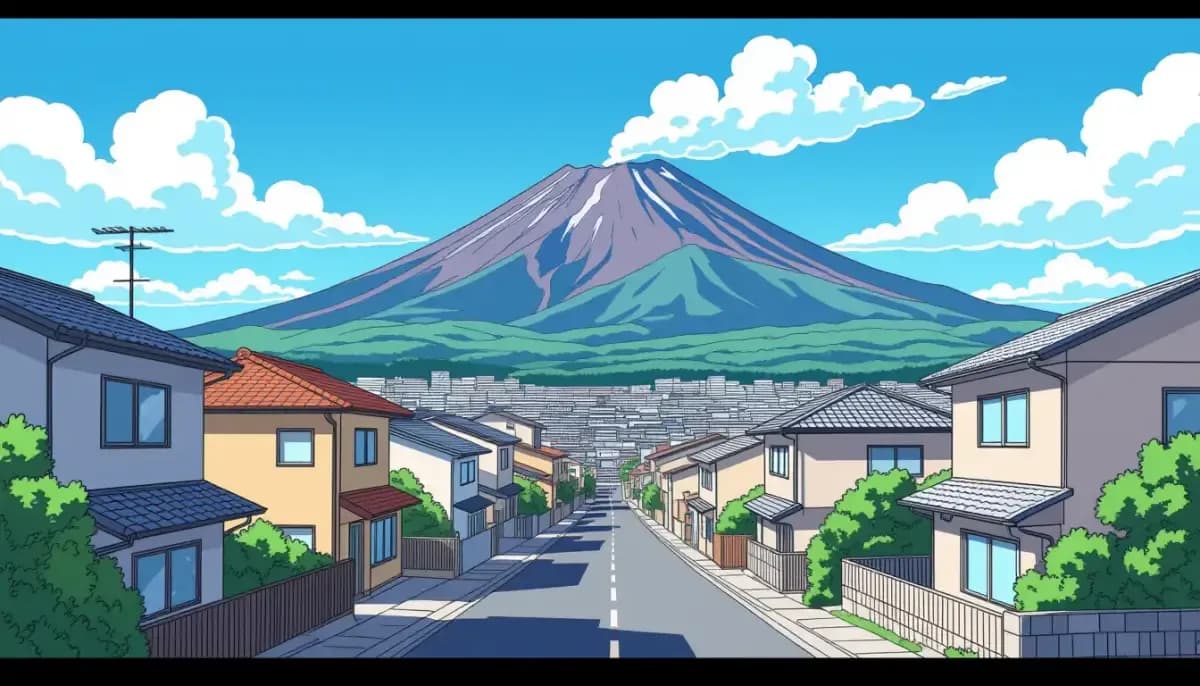
Complete guide to buying property in Kagoshima as a foreigner. Prices by area, akiya opportunities, mortgage options, legal requirements, and neighborhoods for international buyers.
Kagoshima Property Guide for Foreign Buyers
Kagoshima, the "Naples of the East," sits at Japan's southwestern tip with the iconic Sakurajima volcano as its backdrop. For foreign buyers seeking an affordable, livable city with strong cultural character and improving connectivity, Kagoshima offers a compelling proposition: median land prices around ¥245,176/m² — a fraction of Tokyo's ¥1,000,000+/m² — combined with a growing international community and direct Shinkansen access to Fukuoka. This guide covers everything you need to know about buying property in Kagoshima as a foreigner, from market prices and neighborhoods to financing and legal requirements.
Why Foreigners Are Buying Property in Kagoshima
Kagoshima is gaining attention from foreign buyers for several reasons. The city is targeting 800,000 foreign tourists annually by 2026 (up from just 22,000 in 2022), driving investment in short-term rental properties and hospitality real estate. Meanwhile, the Kyushu Shinkansen bullet train puts Kagoshima within 1.5 hours of Fukuoka and connects the region to the rest of Japan.
Key draws for foreign buyers include:
- Affordability: At roughly ¥53,500/m² prefecture-wide (2023 average), Kagoshima is one of Japan's most accessible regional markets
- Warm climate: Average temperature of 19.3°C year-round with subtropical character in the southern islands
- Akiya opportunities: A housing vacancy rate of ~13.6% (vs Tokyo's 2.6%) means abundant abandoned homes available at low prices
- Growing international presence: About 10,000 foreign residents in Kagoshima City with multilingual support services
- Natural amenity: Onsen (hot springs), volcanic scenery, and proximity to the Amami Islands
Under Japanese law, foreigners have full property ownership rights with no visa or residency requirement — the same rules apply whether you're a Tokyo resident or buying from abroad. For a full overview of the legal framework, see our guide on Can Foreigners Buy Property in Japan?.
Kagoshima Real Estate Market: Prices by Area
Kagoshima prefecture covers a large area with significant price variation between the urban core, surrounding cities, and rural towns. Here is a snapshot of median land prices across the prefecture:
| City/Area | Median Price (¥/m²) | 5-Year Price Change |
|---|---|---|
| Kagoshima City (urban core) | ¥245,176 | +9.9% |
| Satsumasendai City | ¥100,000 | +31.6% |
| Hioki City | ¥87,228 | +68.2% |
| Aira City | ¥98,000 | -19.0% |
| Kirishima City | ¥84,000 | -25.1% |
| Kanoya City | ¥66,666 | +11.1% |
| Izumi City | ¥62,105 | +0.1% |
| Ibusuki City (resort area) | ¥33,333 | -38.4% |
Source: propertyresearch.jp, 2023–2024 data
Kagoshima City is the strongest performer, with consistent urban demand and the region's best transport links. Hioki City, just west of the capital, has seen extraordinary 68.2% growth as buyers seek suburban alternatives near the city. Satsumasendai City in the north shows 31.6% growth driven by industrial development and port activity.
Areas with declining prices — Ibusuki (a hot spring resort town), Kirishima, and Aira — present potential value for buyers comfortable with lower liquidity and slower market recovery. Many of these areas have active akiya programs offering abandoned homes at minimal cost.
For broader context on Japan's regional property markets, see our Japan Real Estate Market Overview and Trends.
Neighborhoods and Property Types in Kagoshima City
Kagoshima City Central (Chuo/Tenmonkan area): The city center around Tenmonkan shopping district and Kagoshima-Chuo Station offers the highest convenience and densest apartment stock. Expect to pay ¥150,000–¥350,000/m² for condominiums here. New-build manshon (condos) are available from around ¥25–45 million for a 70m² unit.
Kōrimoto and Nishi-Taniyama: Popular residential neighborhoods with good school access and a mix of detached homes and mid-rise apartments. These areas attract young families and offer properties from ¥20–35 million for a 100–120m² house.
Kōgawa and Iso area: Located near the historic Sengan-en garden and the coast, this area appeals to buyers seeking traditional atmosphere and sea views. Prices are moderate with strong rental potential given its tourism appeal.
Kirishima and suburban townships: Satellite towns to the north and east of Kagoshima City offer detached homes with larger plots at ¥10–20 million. Kirishima Onsen has resale and vacation rental potential but has seen price softening in recent years.
Amami Islands (Amami Oshima): Part of Kagoshima prefecture, the Amami Islands offer subtropical beachside living. Properties here are priced very low (¥5–15 million for a detached home), but access is by ferry or flight only and the market is very illiquid.
For those interested in rural and akiya properties across Japan, our guide to Rural and Countryside Properties in Japan for Foreigners covers the process in detail.
Buying Process: Step by Step for Foreign Buyers
The property buying process in Kagoshima follows the same national framework as elsewhere in Japan. Here is the standard flow:
- Property search: Use portals like SUUMO, At Home, or Homes.co.jp, or engage a local Kagoshima real estate agent (fudosan). Some agencies offer English-language services.
- Request important matters explanation (重要事項説明): A licensed agent must explain the property's legal status, zoning, and any encumbrances before purchase.
- Sign sales contract and pay deposit: Typically 10% of the purchase price as earnest money (手付金).
- Complete financing: Arrange mortgage if needed (see below) or confirm funds for cash purchase.
- Final settlement and registration: Pay the balance, receive the keys, and register ownership at the Legal Affairs Bureau (法務局). A judicial scrivener (shihō shoshi) handles the registration for a fee.
- Report to Finance Ministry: As of current regulations, foreign buyers must submit a report to the Ministry of Finance within 20 days of signing a contract for certain property types.
As of July 1, 2025, large land transactions also require disclosure of the buyer's nationality as part of new land use monitoring rules.
For a complete walkthrough, see our Step-by-Step Home Buying Process in Japan for Foreigners.
Financing: Mortgages for Foreigners in Kagoshima
Getting a mortgage in Kagoshima as a non-Japanese national is possible but requires meeting specific criteria. Current mortgage rates in Japan are favorable: approximately 0.7% variable rate and 1.9% fixed rate for 35-year loans.
Who can qualify:
- Foreigners permanently resident in Japan (PR holders have the best access)
- Non-residents may qualify if: they have a Japanese citizen or PR-holding spouse, have been employed in Japan for 3+ years with stable income, or can provide a 30%+ down payment
Banks with foreign buyer programs in Kyushu: Shinsei Bank, SMBC, and regional Kagoshima Bank (鹿児島銀行) have varying policies. English-speaking mortgage brokers who specialize in foreign buyers can be valuable in navigating the process.
Cash purchases are straightforward — there is no restriction on foreign nationals making cash purchases of residential or commercial property in Japan.
For a full guide to mortgage options, see Mortgages and Home Loans for Foreigners in Japan.
Costs to Budget: Purchase Fees and Annual Taxes
Beyond the purchase price, foreign buyers in Kagoshima should budget approximately 10% of property value in ancillary costs:
- Brokerage commission: 3% of purchase price + ¥60,000 + consumption tax (standard legal maximum)
- Registration tax (登録免許税): ~2% of assessed value
- Real estate acquisition tax (不動産取得税): 3–4% of assessed value (paid once, within ~6 months of purchase)
- Stamp duty: ¥10,000–¥60,000 depending on contract value
- Judicial scrivener fee: ¥100,000–¥150,000
- Building inspection fee (for used properties): ¥50,000–¥100,000 recommended
Annual holding costs:
- Fixed asset tax (固定資産税): ~1.4% of assessed value annually
- City planning tax (都市計画税): ~0.3% of assessed value (applies in designated urban areas)
- For an akiya property: maintenance, septic, neighborhood (jichikai) fees can add ¥123,000–¥302,000/year
For a complete breakdown of taxes and ongoing costs, see Property Taxes and Annual Costs of Owning Property in Japan and our Hidden Costs and Fees When Buying Property in Japan.
Akiya: Vacant Home Opportunities in Kagoshima
Kagoshima's 13.6% vacancy rate makes it one of the more akiya-rich prefectures in western Japan. Listing prices for rural akiya in Kyushu (including Kagoshima) typically range from ¥300,000 to ¥5,000,000 — but buyers should understand that total first-year costs are typically 2–4x the listing price once inspections, legal fees, and renovation are included.
Kagoshima Akiya Banks:
- Kagoshima City runs its own akiya bank (空き家バンク) with listings searchable online
- Many rural municipalities in the prefecture offer subsidies of ¥300,000–¥1,000,000 for renovation of registered akiya, sometimes with additional relocation incentives for families
What to watch for: Some akiya in Kagoshima are located in areas subject to volcanic ash fall from Sakurajima (active ashfall occurs roughly 70–100 days/year in parts of the city). Structural inspection by a licensed building engineer (kenchikushi) is strongly recommended before purchase.
For more on the full Kyushu market including Fukuoka, see our guide to Buying Property in Fukuoka and Kyushu as a Foreigner.
Living in Kagoshima as a Foreign Property Owner
Kagoshima's quality of life is high for the price point. The city of ~600,000 has international schools (primarily kindergarten/elementary level), a regional university hospital, and the Kagoshima International Association which publishes living guides and organizes events for the foreign community.
Practical considerations:
- Some landlords remain reluctant to rent to foreigners; when buying and then reselling, note that a small local buyer pool may affect liquidity
- Kagoshima's tram (streetcar) network provides useful coverage within central areas; a car is advisable for suburban or rural properties
- Volcanic ash from Sakurajima requires regular car and property cleaning — factor this into maintenance planning
- The prefecture sits in an active seismic zone; earthquake and fire insurance (approx. ¥30,000–¥80,000/year for a standard home) is strongly recommended
Expert Resources for Foreign Buyers
Navigating the Japanese property market from abroad requires reliable information sources. The following resources are particularly useful for foreign buyers considering Kagoshima:
- Living in Nihon: Complete Japan Property & Mortgage Guide for Foreigners — comprehensive guide covering the full purchase and financing process
- For Work in Japan: Housing & Living Infrastructure Guide for Foreigners — practical guidance on housing in Japan as a foreign resident
- Gaijin Buy House — dedicated resource for foreigners navigating the Japanese property buying process
- Kagoshima Housing Market Report — city-by-city price data and market trends
- Buying Countryside Property in Japan: A Realistic Guide — frank assessment of akiya costs and rural property realities
For the complete framework of buying property anywhere in Japan, our Complete Guide to Buying Property in Japan as a Foreigner is the best place to start.
Summary: Is Kagoshima Right for You?
Kagoshima is an excellent choice for foreign buyers who prioritize affordability, natural beauty, and a warm climate over metropolitan convenience. The market offers genuine value — particularly in Kagoshima City's suburbs and surrounding towns — with rising demand and improving international infrastructure.
Key takeaways:
- Budget: ¥15–40 million for a comfortable detached home; ¥20–45 million for a new-build condo in the city center
- Best bets: Kagoshima City central, Hioki City (high growth), Satsumasendai City (industrial hub)
- Watch out for: Volcanic ash impact areas, high vacancy rates in declining towns, limited English-language legal support compared to Tokyo/Osaka
- Biggest opportunity: Akiya programs with renovation subsidies in rural municipalities
- First step: Engage a bilingual Kagoshima real estate agent and review the Complete Guide to Buying Property in Japan to understand the full process before committing
Kagoshima rewards patient buyers who do their research. With the right guidance and local support, it offers one of Japan's most attractive combinations of lifestyle, affordability, and long-term potential for foreign property owners.

Originally from Vietnam, living in Japan for 16+ years. Graduated from Nagoya University, with 11 years of professional experience at Japanese and international companies. Sharing information about buying property in Japan for foreigners.
View Profile →Related Articles

Fukuoka New Development Projects and City Growth
Discover Fukuoka's biggest urban development projects — Tenjin Big Bang, Hakata Connected, and more. What Japan's fastest-growing city means for foreign property buyers and investors.
Read more →
Kyushu Resort and Hot Spring Property Investment Guide
Complete guide to buying resort and hot spring (onsen) property in Kyushu, Japan as a foreigner. Covers Beppu, Yufuin, costs, rental income, risks, and due diligence tips.
Read more →
Fukuoka vs Other Major Cities: Property Investment Comparison
Compare Fukuoka, Tokyo, Osaka, and other Japanese cities for property investment. Prices, rental yields, growth rates, and foreigner-specific guidance for 2025–2026.
Read more →
Fukuoka Rental Property Investment Analysis for Foreigners
Complete analysis of Fukuoka rental property investment for foreigners: yields by neighborhood, financing options, tax implications, and practical strategy to maximize returns in Japan's fastest-growing city.
Read more →
Kyushu Rural Property: Affordable Living in Southern Japan
Discover affordable rural property in Kyushu, Japan. Learn about akiya houses, government subsidies, best areas like Kumamoto and Oita, costs, and how foreigners can buy rural property in southern Japan.
Read more →
Beppu and Oita: Onsen Area Property Guide for Foreigners
Complete guide to buying property in Beppu and Oita, Japan as a foreigner. Covers onsen property types, prices, legal process, investment potential, and best neighborhoods in this hot spring paradise.
Read more →