
Nagasaki Property Guide for Foreign Buyers

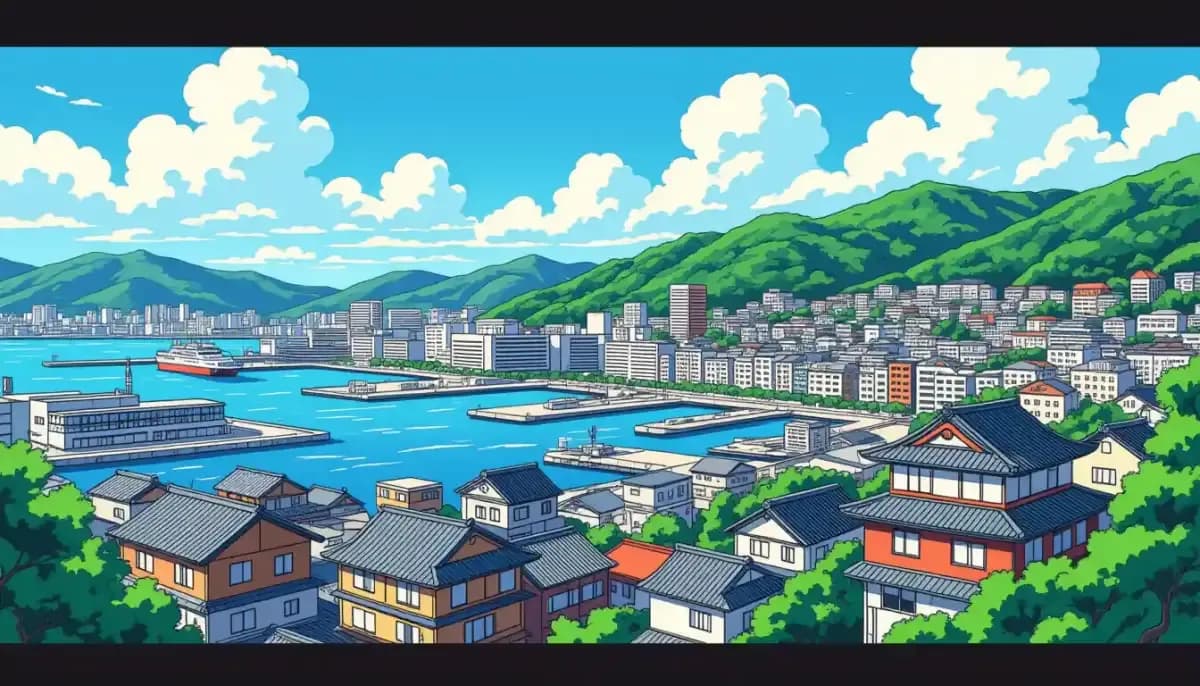
Complete guide to buying property in Nagasaki as a foreigner. Learn about prices, neighborhoods, legal requirements, akiya opportunities, and the step-by-step purchase process in this historic Kyushu city.
Nagasaki Property Guide for Foreign Buyers
Nagasaki is one of Japan's most historically rich and visually stunning cities, perched along a dramatic harbor flanked by lush hillside neighborhoods. For foreign buyers seeking an affordable yet charming alternative to Tokyo or Osaka, Nagasaki offers compelling real estate opportunities — from traditional machiya townhouses near the historic Dutch Quarter to modern condominiums overlooking the bay. This guide covers everything you need to know about buying property in Nagasaki as a foreigner, including prices, neighborhoods, legal requirements, and the purchasing process.
Why Nagasaki Is Attracting Foreign Property Buyers
Nagasaki has quietly emerged as an exciting destination for foreign real estate investment. Several factors make it especially appealing:
Affordability: Property prices in Nagasaki are substantially lower than Japan's major metropolitan areas. Apartment prices in the city centre average around ¥329,000 per square meter, and outside the centre approximately ¥256,000 per square meter — a fraction of Tokyo prices. A well-maintained single-family home can be found for ¥10–30 million, while some akiya (vacant homes) sell for under ¥1 million.
Historic Charm: Nagasaki's unique blend of Japanese, Dutch, Portuguese, and Chinese architectural influences creates neighborhoods unlike anywhere else in Japan. The Glover Garden area, with its hillside Western-style homes, is particularly popular with foreigners who appreciate historic character.
Quality of Life: With a smaller population (~400,000), Nagasaki offers a relaxed pace of life, excellent seafood, vibrant festivals like the Lantern Festival, and easy access to the rest of Kyushu by bullet train. The Dejima Wharf waterfront has been revitalized into a lively dining and shopping district.
Growing Akiya Opportunities: As Nagasaki's population has gradually declined, the number of vacant properties (akiya) has increased. Many of these can be purchased at bargain prices — sometimes even for free — through the city's akiya banks and revitalization programs.
For a broader overview of buying property throughout Japan, see our Complete Guide to Buying Property in Japan as a Foreigner and Japan Real Estate Market Overview and Trends.
Nagasaki Property Prices and Market Overview
Understanding Nagasaki's property market requires looking at both the city and the wider prefecture. The average land price in Nagasaki Prefecture reached approximately ¥57,000 per square meter in 2024, up modestly from ¥55,900 the previous year — demonstrating steady, if gradual, appreciation.
| Property Type | Price Range (¥) | Notes |
|---|---|---|
| Studio / 1K apartment | 3,000,000 – 8,000,000 | Central Nagasaki city |
| 2LDK apartment | 8,000,000 – 18,000,000 | Good condition, convenient location |
| Single-family home (older) | 5,000,000 – 20,000,000 | May require renovation |
| New-build detached house | 20,000,000 – 45,000,000 | Modern construction |
| Akiya (vacant home) | 0 – 3,000,000 | Often needs significant work |
| Land only (per sqm, city) | 50,000 – 150,000 | Varies by district |
Rental prices also give context to investment potential: a 1-bedroom apartment in the city centre rents for around ¥50,000 per month, offering decent rental yields for investors willing to manage older properties.
The market differs between Nagasaki City — the main urban hub — and surrounding areas like Isahaya, Omura, and the Saikai peninsula, where prices are considerably lower and rural properties abound. The Shinkansen extension connecting Nagasaki to Hakata (Fukuoka) since 2022 has improved connectivity and is expected to modestly boost property values along the corridor.
Best Neighborhoods to Buy Property in Nagasaki
Choosing the right neighborhood is critical. Nagasaki's unique topography — the city cascades down steep hillsides toward the harbor — means that location greatly affects daily convenience and lifestyle.
Nagasaki City Centre (Chuo District): The most urban area, home to Nagasaki Station, shopping centers, and excellent transport links. Apartments here tend to be modern condominiums. Best for buyers who want urban convenience and easy commuting.
Glover Garden / Minamiyamate Area: One of Nagasaki's most iconic neighborhoods, characterized by Western-style historic buildings, steep stone steps, and panoramic harbor views. Properties here are highly sought after and tend to retain value. Ideal for buyers who appreciate architectural heritage.
Dejima / Waterfront Area: The revitalized Dejima district offers modern properties and proximity to restaurants and cultural attractions. Rents are higher, making it attractive for short-term rental investment.
Inasa / Nishiyamate: Quieter residential hillside neighborhoods with excellent views. Many older single-family homes are available here at reasonable prices. Popular with families and those seeking a tranquil environment.
Isahaya City: Located 25 minutes from Nagasaki City by train, Isahaya offers significantly cheaper property prices, newer housing stock, and a more suburban lifestyle. The Shinkansen now stops here, increasing accessibility.
Omura City: Further north along the bay, Omura has a charming castle town atmosphere, lower prices than Nagasaki City, and proximity to Nagasaki Airport. Growing interest from lifestyle-focused foreign buyers.
For context on how Nagasaki compares to buying in other Kyushu cities, read our guide on Buying Property in Fukuoka and Kyushu as a Foreigner.
Legal Requirements and Process for Foreign Buyers in Nagasaki
Japan imposes no restrictions on foreign property ownership. Whether you are a non-resident tourist or a long-term visa holder, you have the same legal rights to purchase land and buildings as a Japanese citizen. This is one of the most foreigner-friendly property markets in Asia.
Required documents for non-residents:
- Valid passport (as identity verification)
- Affidavit confirming your identity and address abroad (prepared by a Japanese notary or the Japanese embassy in your home country)
- Hanko (personal seal) or signature in lieu
- Designated bank account for the transaction (can be an overseas account for non-residents)
The purchasing process in Nagasaki generally follows these steps:
- Property search — Use Japanese portals like SUUMO, At Home, or Lifull Homes, or work with a local real estate agent (fudousan). Some agents in Nagasaki specialize in working with international clients.
- Hire a bilingual agent or judicial scrivener (shiho shoshi) — Critical for navigating Japanese-language contracts.
- Submit a purchase offer (申込書) — If accepted, a formal purchase agreement (売買契約書) is signed.
- Pay the earnest money deposit — Typically 5–10% of the purchase price at contract signing.
- Due diligence — Review the property disclosure document (重要事項説明書) prepared by the licensed real estate agent.
- Final settlement and registration — Pay the remaining balance; the judicial scrivener registers the title transfer at the local Legal Affairs Bureau (法務局).
Budget an additional 5–10% of the purchase price for transaction costs, including registration taxes, real estate agent commission (3% + ¥60,000 + consumption tax), judicial scrivener fees, and stamp duties.
For a detailed walkthrough of the entire purchase process, see Step-by-Step Home Buying Process in Japan for Foreigners and our guide on Hidden Costs and Fees When Buying Property in Japan.
The experts at Living in Nihon have an excellent detailed breakdown of mortgages and the buying process that is essential reading before you start your Nagasaki property search.
Financing Options for Foreign Buyers in Nagasaki
Financing is the biggest challenge for foreigners without permanent residency (PR) in Japan. Japanese banks typically require PR status or Japanese citizenship to approve a mortgage. However, options exist:
Cash purchase: The simplest and most common approach for foreign buyers, especially for lower-priced Nagasaki properties or akiya acquisitions.
Overseas financing: Some buyers arrange a mortgage or home equity loan in their home country and transfer funds to Japan. With the yen having weakened significantly against the USD and EUR in recent years, many Western buyers find Japanese property very affordable when paying in foreign currency.
PR holder mortgages: If you hold permanent residency, you have access to the full range of Japanese home loans, including low-rate products from Japan Housing Finance Agency (住宅金融支援機構). Rates remain historically low, though they have edged up from near-zero levels.
Developer financing: Some Nagasaki developers and sellers offer installment plans for older properties, particularly for akiya. These are negotiated directly with the seller.
For comprehensive guidance on your financing options, visit Mortgages and Home Loans for Foreigners in Japan and Visa and Residency Considerations for Property Buyers in Japan.
The team at For Work in Japan provides additional insights into housing infrastructure that affects foreign residents throughout Japan.
Akiya (Vacant Home) Opportunities in Nagasaki
One of Nagasaki's most compelling property opportunities for budget-conscious foreign buyers is its growing inventory of akiya — abandoned or vacant homes. As younger generations move to Fukuoka and Tokyo, many older Nagasaki homes stand empty, with owners willing to sell or even donate properties to avoid ongoing maintenance costs.
How to find akiya in Nagasaki:
- Nagasaki City Akiya Bank — The city operates an official vacant home registry (空き家バンク) connecting owners with prospective buyers. Available at Nagasaki City's official website.
- AkiyaMart — A popular English-language portal listing akiya properties across Japan, including Nagasaki Prefecture listings.
- Old Houses Japan — Another English-friendly platform featuring traditional properties in Nagasaki and surrounding areas.
- Local real estate agents — Many handle akiya that never get listed online.
Important considerations for akiya buyers:
- Older Japanese homes (especially those built before 1981) may not comply with current earthquake safety standards (耐震基準). A structural inspection is highly recommended.
- Renovation costs can be substantial — budget ¥3–15 million for full renovations of a typical akiya.
- Some akiya come with conditions, such as renovating within a set period or residing in the property full-time.
For broader guidance on rural and vacant properties, see Rural and Countryside Properties in Japan for Foreign Buyers.
The regional property specialists at Gaijin Buy House provide an in-depth complete guide to the entire purchase process for foreigners, including akiya considerations.
Taxes and Ongoing Costs of Owning Property in Nagasaki
Buying a property in Nagasaki comes with several tax obligations and ongoing annual costs:
One-time purchase taxes:
- Real Property Acquisition Tax (不動産取得税): 3% of the assessed value for residential properties (standard land and buildings).
- Registration and License Tax (登録免許税): 0.4% (land transfer) and 0.15% (new-build buildings) or 0.3% (used buildings) of assessed value.
- Stamp Duty (印紙税): ¥10,000–30,000 for typical residential contracts.
Annual ongoing costs:
- Fixed Asset Tax (固定資産税): 1.4% of the assessed value annually.
- City Planning Tax (都市計画税): Up to 0.3% of assessed value in designated urban zones.
- Building management fees: ¥10,000–30,000/month for condominiums.
- Maintenance and repair costs: Variable; older properties require more.
For a complete breakdown of all property taxes and ongoing ownership costs, refer to Property Taxes and Annual Costs of Owning Property in Japan.
Additional tips for managing costs when buying Nagasaki property can be found in resources like Bamboo Routes' guide for foreigners buying in Japan, which covers 17 practical tips for navigating the process.
Practical Tips for Foreign Buyers in Nagasaki
Before you start your Nagasaki property journey, keep these practical tips in mind:
- Visit in person first: Nagasaki's hilly topography means convenience varies dramatically. A hillside home with harbor views may involve climbing 200 steps from the nearest bus stop. Visit before committing.
- Hire a bilingual judicial scrivener: All title registration documents are in Japanese. A qualified judicial scrivener (司法書士) experienced with foreign clients is invaluable.
- Check earthquake resistance standards: Request a structural inspection certificate (耐震診断書) for any pre-1981 building.
- Understand sunlight regulations: Japanese construction law restricts blocking neighboring properties' sunlight. Verify this doesn't affect your renovation plans.
- Research the local community: Some older Nagasaki neighborhoods have active neighborhood associations (自治会) that new residents are expected to join and contribute to financially.
- Consider flood and landslide risks: Parts of Nagasaki — particularly steep hillside neighborhoods — are designated as flood or landslide risk zones. Check official hazard maps (ハザードマップ) before purchasing.
- Use a licensed real estate agent (宅地建物取引士): Only licensed agents can legally prepare the mandatory property disclosure document (重要事項説明書).
Nagasaki offers a genuinely unique and affordable property market that rewards patient, well-informed buyers. Whether you're drawn by the historic hillside neighborhoods, the akiya opportunities, or simply the charm of life in one of Japan's most culturally distinctive cities, the Nagasaki property market is worth exploring seriously.
For more resources on buying property across Japan, explore the comprehensive guides at Cheap Japan Homes and check out our full article library at the links throughout this guide.

Originally from Vietnam, living in Japan for 16+ years. Graduated from Nagoya University, with 11 years of professional experience at Japanese and international companies. Sharing information about buying property in Japan for foreigners.
View Profile →Related Articles

Fukuoka New Development Projects and City Growth
Discover Fukuoka's biggest urban development projects — Tenjin Big Bang, Hakata Connected, and more. What Japan's fastest-growing city means for foreign property buyers and investors.
Read more →
Kyushu Resort and Hot Spring Property Investment Guide
Complete guide to buying resort and hot spring (onsen) property in Kyushu, Japan as a foreigner. Covers Beppu, Yufuin, costs, rental income, risks, and due diligence tips.
Read more →
Fukuoka vs Other Major Cities: Property Investment Comparison
Compare Fukuoka, Tokyo, Osaka, and other Japanese cities for property investment. Prices, rental yields, growth rates, and foreigner-specific guidance for 2025–2026.
Read more →
Fukuoka Rental Property Investment Analysis for Foreigners
Complete analysis of Fukuoka rental property investment for foreigners: yields by neighborhood, financing options, tax implications, and practical strategy to maximize returns in Japan's fastest-growing city.
Read more →
Kyushu Rural Property: Affordable Living in Southern Japan
Discover affordable rural property in Kyushu, Japan. Learn about akiya houses, government subsidies, best areas like Kumamoto and Oita, costs, and how foreigners can buy rural property in southern Japan.
Read more →
Beppu and Oita: Onsen Area Property Guide for Foreigners
Complete guide to buying property in Beppu and Oita, Japan as a foreigner. Covers onsen property types, prices, legal process, investment potential, and best neighborhoods in this hot spring paradise.
Read more →