
Condominium Building Insurance Guide for Owners in Japan

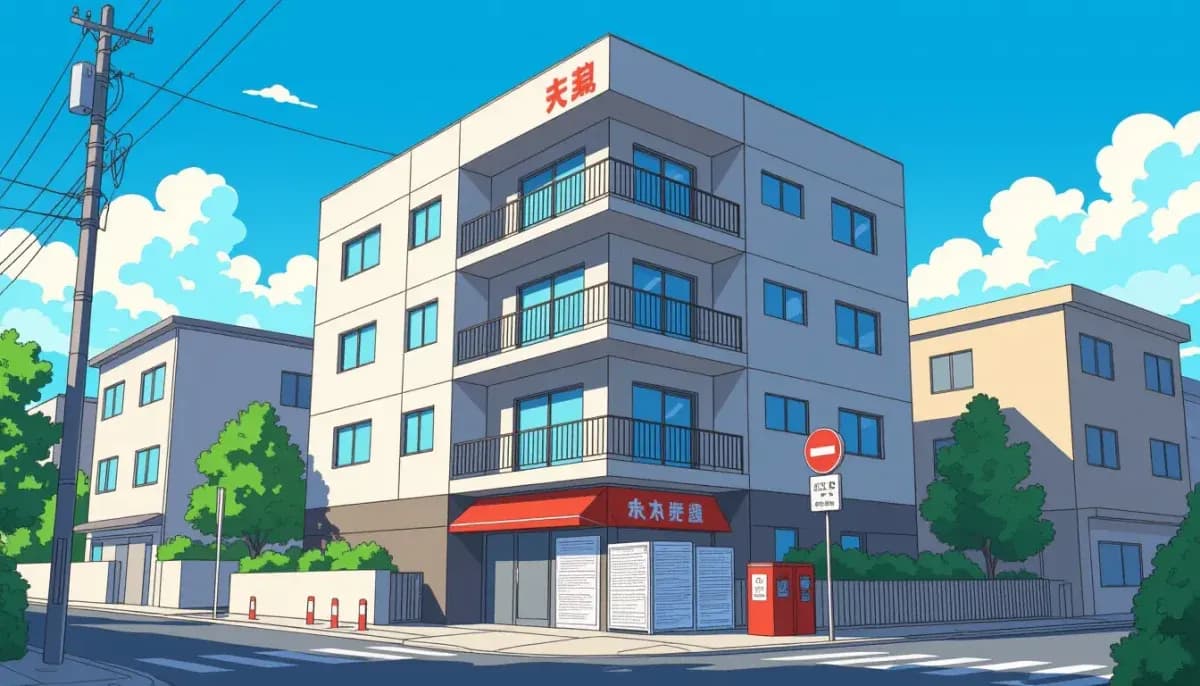
Complete guide to condominium building insurance in Japan for foreign owners. Learn about fire insurance, earthquake coverage, association master policies, costs (¥4,450–¥39,200/year), and how to get insured as a foreigner.
Condominium Building Insurance Guide for Owners in Japan
Owning a condominium (マンション, manshon) in Japan is one of the most popular property choices for both locals and foreigners. But once you've signed the purchase contract and moved in, a critical responsibility often gets overlooked: building insurance. In Japan, condominium building insurance operates on two distinct layers — the management association's master policy and your own individual unit coverage — and understanding both is essential to protecting your investment.
This comprehensive guide explains everything foreign condominium owners need to know about building insurance in Japan: what's covered, what isn't, how much it costs, and how to get insured even without fluent Japanese.
The Two-Layer Insurance Structure for Condominiums in Japan
Japanese condominiums have a dual insurance structure that is unique compared to many Western countries. Understanding this is the foundation of condo insurance literacy.
Layer 1: The Management Association Master Policy (管理組合保険)
Every Japanese condominium complex is managed by a kanri kumiai (管理組合), or management association — a body comprising all unit owners. This association collectively purchases insurance called kanri kumiai hoken or a danchi kyōsai hoken (team/building cooperative insurance policy) that covers:
- The building's exterior structure (outer walls, roof, foundation)
- Common area facilities (elevators, hallways, lobby, stairwells, parking areas)
- Shared equipment (water pumps, fire safety systems, electrical wiring in common areas)
- Damage to the building caused by fire, typhoon, flooding, or other perils
This is funded through the kanri-hi (管理費, management fee) and shuuzen tsumitate-kin (修繕積立金, repair reserve fund) that all unit owners pay monthly. The premium for the master policy is typically shared among all owners proportionally.
What the master policy does NOT cover:
- The interior of your individual unit
- Your personal belongings
- Improvements you made inside your unit (flooring upgrades, kitchen remodels)
- Liability for water leaks originating from your unit damaging neighbors below
Layer 2: Individual Unit Owner's Insurance (専有部分保険)
This is where your own fire insurance (火災保険, kasai hoken) comes in. As an individual unit owner, you need your own policy to cover:
- Interior fittings within your unit boundary
- Personal contents and furniture
- Water leak liability coverage (水漏れ賠償責任)
- Additional earthquake coverage for your unit interior
This two-layer approach means that even if the building has master insurance, a fire that damages only your unit interior, your neighbor's ceiling from a burst pipe in your bathroom, or an earthquake cracking your walls — all of these fall under your individual policy's responsibility.
For more on the overall costs of condominium ownership in Japan, see our guide on Property Taxes and Annual Costs of Owning Property in Japan.
Types of Coverage: What Every Condo Owner Needs
1. Fire Insurance (火災保険 / Kasai Hoken)
Fire insurance in Japan is far more comprehensive than its name suggests. A standard fire insurance policy for a condominium unit typically covers:
| Peril | Covered? | Notes |
|---|---|---|
| Fire, smoke, explosion | ✅ Yes | Core coverage |
| Lightning strikes | ✅ Yes | Included by default |
| Wind/typhoon damage | ✅ Yes | Included by default |
| Snow/hail damage | ✅ Yes | Included by default |
| Water leaks from pipes | ✅ Yes | Crucial for condos |
| Theft/vandalism | ✅ Yes | Often included |
| Flooding/water disaster | ⚠️ Optional | Add-on rider required |
| Earthquake damage | ❌ No | Requires separate policy |
| Tsunami damage | ❌ No | Not available standalone |
Fire insurance is mandatory when financing your condominium through a Japanese bank. Lenders require it as the mortgage is secured by the property — if the property is destroyed and uninsured, the bank loses its collateral.
For Tokyo, a simulation of a 70-square-meter condominium unit built in 2021 shows annual premiums ranging from ¥4,450 to ¥39,200, depending on coverage selections. The wide range reflects how optional riders (water disaster, contents, liability) significantly affect cost.
2. Earthquake Insurance (地震保険 / Jishin Hoken)
Japan sits at the junction of four tectonic plates and experiences approximately 1,500 earthquakes annually, accounting for roughly 20% of all earthquakes exceeding magnitude 6 globally. This makes earthquake insurance not just recommended — it's arguably essential.
Critical points about earthquake insurance in Japan:
- Cannot be purchased standalone — it must be added as a rider to a fire insurance policy
- Coverage amount is limited to 30–50% of your fire insurance sum
- It covers your unit's structure, contents, and interior damage caused by earthquakes, volcanic eruptions, and tsunamis
- Premiums vary by location (seismic zone), building construction type, and age
Buildings constructed after 1981 meet Japan's New Seismic Standards (新耐震基準), which require designs to withstand a magnitude 6–7 earthquake. Properties meeting these standards typically enjoy lower earthquake insurance premiums.
3. Water Leak Liability Insurance (水漏れ賠償責任保険)
In Japanese condominiums, water leaks between floors are extremely common disputes. If a pipe bursts in your bathroom or the washing machine hose comes loose and floods your neighbor's ceiling below, you are liable for the repair costs — even if the incident was accidental.
Water leak liability coverage protects you against:
- Damage claims from neighbors below or adjacent
- Legal costs if disputes escalate
- Emergency plumbing repair costs
This coverage is often bundled within comprehensive fire insurance policies but should be explicitly confirmed when purchasing.
How Much Does Condo Building Insurance Cost in Japan?
Insurance costs vary based on multiple factors, but here is a general framework:
| Coverage Type | Typical Annual Cost | Notes |
|---|---|---|
| Fire insurance (unit interior only) | ¥4,450 – ¥20,000 | Tokyo 70sqm condo, standard coverage |
| Fire insurance (comprehensive) | ¥20,000 – ¥39,200 | Including contents & liability |
| Earthquake insurance add-on | ¥5,000 – ¥20,000 | 30–50% of fire coverage amount |
| Management association master policy | Included in kanri-hi | Shared by all unit owners |
| Steel-frame apartment average | ~¥51,900/year | For comprehensive coverage |
Key cost factors:
- Building structure: Steel-reinforced concrete (RC) condominiums pay less than wooden structures
- Construction year: Post-1981 buildings (New Seismic Standards) receive discounts
- Location/seismic zone: Higher-risk earthquake zones mean higher premiums
- Coverage amount: Higher insured values mean higher premiums
- Policy duration: Multi-year policies (up to 5 years) typically offer discounts
Japan's property insurance market is substantial — reaching USD 70.19 billion in 2025 with a projected growth to USD 78.59 billion by 2030 — reflecting both the high risk environment and strong cultural awareness of insurance needs.
For context on all the costs associated with condominium ownership, see Buying a Condominium (Mansion) in Japan as a Foreigner.
How to Get Insured: Step-by-Step for Foreign Owners
Step 1: Review the Management Association's Master Policy
When you purchase a condominium, request and review the kanri kumiai hoken (management association insurance) documentation. Confirm:
- What structures and facilities are covered
- The coverage limits and deductibles
- Whether earthquake insurance is included in the master policy (some include it, most don't)
- Whether the master policy covers interior finishing or only the "bare shell"
This review reveals the gaps your individual policy must fill.
Step 2: Assess Your Individual Coverage Needs
Calculate the replacement cost of:
- Your unit's interior finishes (flooring, walls, kitchen, bathrooms)
- Your furniture and personal belongings
- Any renovations you've made to the unit
This determines the sum insured for your individual fire insurance policy.
Step 3: Choose an Insurance Provider
Several insurers in Japan cater specifically to foreigners and expats:
| Provider | English Support | Notes |
|---|---|---|
| TRINITY Inc. | ✅ Full English | Specializes in expat coverage |
| Chubb Insurance Japan | ✅ Yes | Global insurer with English service |
| AIG Japan | ✅ Yes | Broad coverage, multilingual support |
| Tokio Marine Nichido | Limited | Japan's largest insurer, international division |
| Sompo Japan | Limited | Strong overseas network |
Many expat property owners in Japan work through bilingual property management companies or real estate brokers who assist with insurance setup as part of their service.
For practical guidance on working with real estate professionals in Japan, see our Step-by-Step Home Buying Process in Japan for Foreigners.
Step 4: Application Requirements for Non-Residents
Foreign nationals can purchase property insurance in Japan. Requirements typically include:
- A valid Residence Card (在留カード) or Special Permanent Resident Certificate
- A Japanese phone number for communication
- A domestic emergency contact or representative in Japan
- Ability to receive mail at a Japanese address
- A Japanese bank account for premium auto-debit payments
Non-residents who own investment properties in Japan often use bilingual property management services to handle insurance communication, payments, and claims on their behalf. Services like MailMate can also assist with receiving and translating insurance correspondence.
For a comprehensive overview of property ownership rights, see Can Foreigners Buy Property in Japan? Legal Rights and Restrictions.
Aging Building Stock: Why Insurance Is More Important Than Ever
Japan faces a looming challenge with its condominium stock. The number of condominiums built over 40 years ago reached 1.48 million units at the end of 2024 and is expected to balloon to over 2.93 million units in the next 10 years.
Older buildings present greater insurance considerations:
- Higher risk of water pipe failures and leaks
- Less earthquake resistance (pre-1981 buildings)
- Greater potential for costly common area repairs
- Management associations may face underfunded repair reserves
If you're considering purchasing an older condominium, thoroughly review the management association's insurance coverage and repair reserve fund balance before buying. An underfunded association may have inadequate insurance or face difficulty renewing comprehensive coverage.
For guidance on evaluating both new and older properties, see New Construction vs Used Properties in Japan: Buyer's Guide.
Common Insurance Scenarios in Japanese Condominiums
Understanding real-world scenarios helps clarify why comprehensive insurance matters:
Scenario 1: Water Leak from Above Your neighbor's bathroom pipe bursts and water damages your unit's ceiling and flooring. The neighbor's water leak liability insurance (or your own if they're uninsured) covers your repair costs. Without this coverage, disputes can become prolonged legal battles.
Scenario 2: Typhoon Damage A powerful typhoon (Japan averages 25 per year, with 10–15 making landfall) damages your balcony windows and exterior walls. The management association's master policy covers exterior walls; your individual policy covers interior damage.
Scenario 3: Earthquake Damage A major earthquake cracks the building's structure and your unit's interior walls. The master policy covers structural damage if it includes earthquake coverage; your earthquake insurance rider covers interior damage to your unit. This is why having both layers matters.
Scenario 4: Fire in Your Unit A fire originates in your kitchen and spreads to neighboring units. Your fire insurance covers your unit's damage and provides liability coverage for your neighbors' damage claims. Japan's legal principle of 失火責任法 (shikka sekinin-hō, the Negligent Fire Liability Act) generally limits liability for accidental fires — but having insurance removes uncertainty.
For more on natural disaster preparedness that informs your insurance needs, see the guide on Disaster and Earthquake Preparation for Foreigners in Japan from For Work in Japan.
Key External Resources
Navigating Japanese insurance as a foreign condominium owner can be complex. These resources provide additional guidance:
- Property Insurance in Japan for Foreigners — MailMate: Detailed breakdown of fire and earthquake insurance requirements, costs, and foreigner-specific application requirements.
- Homeowners Insurance in Japan: Fire and Flood Insurance Explained — Real Estate Japan: In-depth coverage of what fire insurance includes and excludes, with condo-specific cost simulations.
- What Insurance Do I Need for Property in Japan? — Bamboo Routes: An accessible overview of all insurance types needed for Japan property ownership.
- Condo Management Association Fees in Japan — Living in Nihon: Comprehensive guide to understanding how management fees, repair reserves, and association insurance work together.
- Used Condo Price Negotiation in Japan — Gaijin Buy House: Practical tips on negotiating used condominium purchases, including cost factors that insurance affects.
Checklist: Condominium Insurance for Foreign Owners in Japan
Use this checklist when setting up or reviewing your condominium insurance coverage:
- [ ] Obtained and reviewed the management association's master insurance policy details
- [ ] Confirmed whether the master policy includes earthquake coverage for common areas
- [ ] Calculated the replacement value of your unit interior and contents
- [ ] Purchased individual fire insurance for your unit
- [ ] Added earthquake insurance rider (30–50% of fire coverage amount)
- [ ] Confirmed water leak liability coverage is included
- [ ] Verified policy covers water disaster (flooding) if your building is in a flood risk zone
- [ ] Selected an insurer with English support or bilingual assistance
- [ ] Set up Japanese bank account for auto-debit premium payments
- [ ] Registered a domestic emergency contact for insurance purposes
- [ ] Reviewed the building's construction year (post-1981 = New Seismic Standards)
- [ ] Checked local hazard maps for flood and landslide risk
Final Thoughts
Condominium building insurance in Japan is not optional — it's a fundamental responsibility of property ownership. The dual-layer structure means you cannot rely solely on your management association's master policy. Your individual unit, its contents, and your liability to neighbors all require your own coverage.
Japan's unique combination of earthquake risk, typhoon exposure, and dense urban living makes comprehensive insurance not just financially prudent but genuinely essential. The good news: costs are reasonable, English-language support is available, and with the right setup, foreign condominium owners can be as well-protected as any Japanese resident.
For the complete picture of what it means to own property in Japan as a foreigner, start with our Complete Guide to Buying Property in Japan as a Foreigner.

Originally from Vietnam, living in Japan for 16+ years. Graduated from Nagoya University, with 11 years of professional experience at Japanese and international companies. Sharing information about buying property in Japan for foreigners.
View Profile →Related Articles
Natural Disaster Insurance Coverage Gaps in Japan
Discover dangerous coverage gaps in Japan's natural disaster insurance system — earthquake, flood, and typhoon risks foreign property owners frequently overlook, with practical steps to protect yourself.
Read more →
Japan Property Insurance Renewal and Annual Review Guide
A complete guide to reviewing and renewing property insurance in Japan as a foreign owner. Covers fire insurance, earthquake insurance, the 2025 policy term changes, costs, and annual review checklists.
Read more →
Insurance for Vacant Properties and Akiya in Japan
Learn how to insure your akiya or vacant property in Japan as a foreigner. Covers fire insurance, earthquake coverage, costs, providers, and tips for non-residents.
Read more →
Japan Property Insurance Exclusions and Limitations to Know
Learn what Japan property insurance does NOT cover: earthquake damage, flood exclusions, basement flooding, commercial use limits, and more. Essential guide for foreign buyers.
Read more →
Japan Property Insurance Companies: Comparison for Foreigners
Compare Japan's top property insurance companies for foreigners. Learn about fire insurance, earthquake insurance costs, English-friendly providers, and how to apply as an expat.
Read more →
How to File an Insurance Claim in Japan: Property Owner Guide
Step-by-step guide to filing property insurance claims in Japan for foreigners. Learn Japan's three-tier damage system, required documents, language tips, and non-resident claim strategies.
Read more →