
Insurance for Vacant Properties and Akiya in Japan

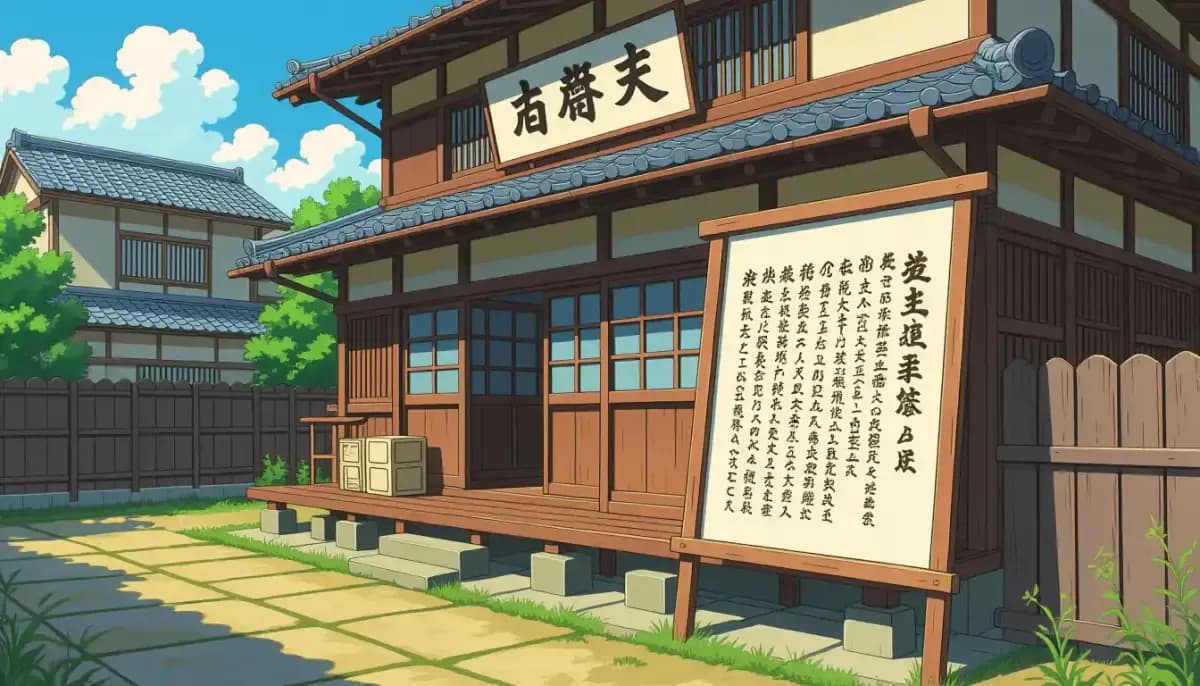
Learn how to insure your akiya or vacant property in Japan as a foreigner. Covers fire insurance, earthquake coverage, costs, providers, and tips for non-residents.
Insurance for Vacant Properties and Akiya in Japan: A Complete Guide for Foreign Owners
Buying an akiya — Japan's vast stock of vacant and abandoned houses — is one of the most exciting opportunities for foreign property buyers. Prices can be astonishingly low, rural settings are often stunning, and the renovation potential is enormous. But before you get swept up in the dream, there is one critical question you need to answer: how do you insure a vacant property or akiya in Japan?
Insurance for vacant properties in Japan is a specialist topic that many buyers overlook until it is too late. Standard home insurance policies often exclude or heavily restrict coverage for unoccupied homes, and aging akiya structures face unique risks that demand careful attention. This guide walks you through everything you need to know — from the types of coverage available to the best providers for non-Japanese speakers.
Why Insuring an Akiya Is Different from Standard Home Insurance
Japan has over 9 million akiya (vacant homes) as of 2024, representing roughly 13.8% of all residential properties in the country. This figure is climbing steadily as rural depopulation accelerates and aging owners pass away without heirs. While the government is actively promoting akiya sales to revitalize communities, insurers view these properties with considerably more caution.
Here is why vacant properties present a higher risk profile:
- Aging materials: Many akiya were built before modern fire-resistance standards, using older timber frames and roofing materials that are more vulnerable to fire and weather damage.
- Deferred maintenance: Properties left empty for years often have deteriorated wiring, leaking roofs, cracked foundations, and failing plumbing — all potential insurance hazards.
- Pre-1981 seismic standards: Homes built before Japan's landmark 1981 Building Standards Law revision may not meet modern earthquake resistance requirements, increasing structural risk.
- Unoccupied status: Most standard policies either exclude coverage for properties vacant for 30-90 days or charge significantly higher premiums.
- Rural location: Many akiya sit in areas prone to heavy snow, flooding, or landslides, adding further complexity to coverage.
Understanding these factors helps you approach the insurance process with realistic expectations. For a broader overview of buying akiya as a foreigner, see our full guide: Akiya (Vacant and Abandoned Houses) in Japan for Foreign Buyers.
The Two Core Insurance Types You Need
Japanese property insurance is structured around two main pillars that work together to provide comprehensive protection.
Fire Insurance (火災保険, Kasai-Hoken)
Despite its name, fire insurance in Japan is remarkably broad. It covers far more than fire damage and is effectively a multi-risk home insurance policy. Standard coverage includes:
- Fire, smoke, and explosion damage
- Lightning strikes
- Typhoon and strong wind damage
- Flooding and water ingress
- Snow and hail damage
- Theft and vandalism
- Water leaks from neighboring properties
- Accidental household damage
Fire insurance is the foundation of any property insurance strategy in Japan. For mortgage-financed purchases, banks typically require it as a condition of the loan. Even for cash purchases of akiya, obtaining fire insurance as soon as you take ownership is strongly recommended.
Critical caveat: Standard fire insurance does NOT automatically cover earthquake, tsunami, or volcanic eruption damage. These require a separate add-on.
Earthquake Insurance (地震保険, Jishin-Hoken)
Japan sits on the Pacific Ring of Fire, making earthquake coverage essential for any property owner. Earthquake insurance has several unique features in Japan:
- It cannot be purchased as a standalone policy — it must be added to a fire insurance policy
- The coverage amount is capped at 30-50% of your fire insurance amount
- All Japanese insurers offer identical earthquake insurance rates because the government provides reinsurance, standardizing the product across the market
- Claims are paid out at three levels: Total Loss (100%), Half Loss (50%), or Partial Loss (5%)
- Annual premiums range from ¥7,300 to ¥32,600 depending on your region and building structure
For akiya buyers, earthquake insurance is particularly important given that many vacant homes predate modern seismic construction standards. Read more about earthquake preparedness in our guide: Natural Disaster Preparedness for Homeowners in Japan.
Insurance Cost Guide for Akiya and Vacant Properties
Insurance premiums in Japan are calculated based on building structure type, location, coverage amount, and occupancy status. The following table gives a realistic overview of annual costs.
| Property Type | Fire Insurance (Annual) | Earthquake Add-On (Annual) | Estimated Total |
|---|---|---|---|
| Wooden akiya, rural area | ¥10,000–¥20,000 | ¥15,000–¥32,000 | ¥25,000–¥52,000 |
| Wooden house, suburban | ¥15,000–¥30,000 | ¥12,000–¥28,000 | ¥27,000–¥58,000 |
| Concrete house, urban | ¥12,000–¥25,000 | ¥7,300–¥20,000 | ¥19,300–¥45,000 |
| Traditional kominka | ¥20,000–¥40,000 | ¥18,000–¥35,000 | ¥38,000–¥75,000 |
| Vacant property surcharge | +20%–50% | Standard rate | Varies by insurer |
Note: Wooden structures (classified as "H Structure" by insurers) cost roughly 34% more to insure than comparable concrete or steel-frame buildings ("M Structure" or "T Structure").
Key cost-saving tip: Seismic retrofitting your akiya can reduce premiums by up to 50%. Many Japanese municipalities offer grants and low-interest loans specifically for retrofitting pre-1981 homes, making this a financially smart move that simultaneously improves safety and lowers your ongoing insurance costs. Learn more in our guide on Home Renovation and Remodeling in Japan for Foreign Owners.
Building Structure Classifications Explained
Japanese insurers categorize buildings into three structure types that directly determine your premium:
| Structure | Description | Premium Level |
|---|---|---|
| M Structure | Fireproof condominiums and apartments with concrete or steel-reinforced construction | Lowest |
| T Structure | Fireproof single-family homes with concrete, brick, or steel-frame construction | Medium |
| H Structure | Wooden frame homes, traditional Japanese houses, and most akiya | Highest |
Most akiya fall into the H Structure category, meaning higher premiums. If your akiya has been renovated with fire-resistant materials, you may be able to reclassify it, so always discuss this with your insurer.
Insuring a Vacant Property as a Non-Resident Foreigner
One of the most common challenges for foreign akiya buyers is obtaining insurance while living outside Japan. Here is what you need to know:
What non-residents can do:
- Non-residents can legally purchase property insurance in Japan
- A legally authorized representative (代理人, dairi-nin) can manage enrollment and handle claims on your behalf
- Remote management is possible, though some insurers prefer a domestic contact
What non-residents typically need:
- A Japanese phone number (or a designated contact with one)
- A domestic emergency contact address
- The ability to receive mail in Japan (a mail forwarding service can help)
- A Japanese bank account for premium payments (some insurers accept international payment)
For vacant properties specifically:
- Always declare the property as vacant when applying — failing to do so can void your policy
- Some insurers add a vacancy surcharge of 20-50% on top of standard premiums
- Properties vacant for more than 2-3 years may face stricter underwriting or coverage limits
- Some insurers require a property inspection before issuing coverage for severely aged akiya
Services like virtual address providers and mail forwarding companies can help non-resident owners meet the documentation requirements. For broader guidance on managing a Japanese property from overseas, see our article on Property Management for Overseas Owners in Japan.
Best Insurance Providers for Foreign Akiya Owners
Not all Japanese insurers are set up to work with foreign clients, but the following providers have established track records with non-Japanese speakers:
| Provider | English Support | Notes |
|---|---|---|
| TRINITY Inc. | Full English (quote to claims) | Specializes in foreign clients |
| Chubb Insurance Japan | Strong English support | Global brand, experienced with expats |
| AIG Japan | English support available | Well-established international insurer |
| Tokio Marine Nichido | English via brokers | Japan's largest insurer, requires bilingual broker |
| Sompo Japan | Limited direct English | Large network, flexible for non-residents |
For foreign buyers who are not fluent in Japanese, working with a bilingual insurance broker is strongly recommended. They can explain policy terms, help you choose the right coverage level, and act as your representative during the claims process.
You can find additional resources for foreigners navigating Japan's insurance and property systems at Living in Nihon, which covers daily life topics for expats and foreign residents. For guidance specifically on working in Japan and managing practical life tasks, For Work in Japan offers useful articles on navigating Japanese systems as a foreign resident.
Step-by-Step: How to Get Insurance for Your Akiya
Getting insured for a vacant property in Japan involves several steps. Here is a practical roadmap:
Step 1 — Assess your property Before approaching insurers, document the property condition thoroughly with photos. Note the year of construction, building materials, any recent renovations, and the property's current occupancy status.
Step 2 — Classify your structure Determine whether your property is an M, T, or H structure. Most akiya are H Structure (wooden frame).
Step 3 — Decide on coverage amounts Work out how much it would cost to rebuild the structure from scratch (this is the "replacement value" that insurers use). Contents coverage is separate if you plan to furnish the property.
Step 4 — Contact foreigner-friendly providers or brokers Reach out to providers like TRINITY Inc. or Chubb, or work through a bilingual broker who can approach multiple insurers on your behalf.
Step 5 — Declare all relevant details Always be transparent about vacancy status, property age, known defects, and your own residency status. Incomplete disclosure can invalidate claims.
Step 6 — Add earthquake insurance Given Japan's seismic activity, adding earthquake insurance alongside your fire insurance policy is strongly recommended for any akiya purchase.
Step 7 — Set up ongoing management If you are not based in Japan, arrange for a local representative or property management company to handle premium payments and any claims.
For a comprehensive overview of all insurance types relevant to property owners in Japan, including contents insurance and building warranties, visit our dedicated guide: Insurance for Property Owners in Japan: Complete Guide.
What Happens If You Have a Claim?
Understanding the claims process in advance helps you respond quickly and correctly if disaster strikes.
Immediate steps after an incident:
- Contact your insurer or broker as soon as possible — delays can affect claim validity
- Document all damage with photographs before any cleanup or repairs
- Obtain repair estimates from qualified contractors
- Submit a formal claim with all required documentation
Assessment categories for earthquake insurance:
- Total Loss: Structure destroyed beyond 50% or land severely affected — 100% payout
- Half Loss: Structural damage requiring major repair — 50% payout
- Partial Loss: Minor structural damage — 5% payout
Assessment for fire insurance: Claims are typically assessed against actual repair costs or replacement value, depending on your policy type. Processing a standard claim usually takes 1-3 weeks, though major disaster events (like large earthquakes affecting entire regions) can take longer.
Common Insurance Mistakes Akiya Buyers Make
Avoid these pitfalls that can leave you underinsured or without coverage entirely:
- Not declaring vacancy: Failing to tell your insurer the property is unoccupied is a common cause of claim denial
- Insuring for market value instead of rebuild cost: A ¥500,000 akiya might cost ¥10 million to rebuild — always use rebuild cost as your coverage amount
- Skipping earthquake insurance: Many buyers see it as optional, but for wooden akiya in Japan it is close to essential
- Not updating your insurer after renovation: Renovations can change your risk profile and coverage needs significantly
- Using overseas insurance: Foreign home insurance policies rarely cover Japanese properties — always use a Japan-licensed insurer
For more context on costs and ongoing ownership expenses, see our overview of Property Taxes and Annual Costs of Owning Property in Japan.
Additional Resources
For deeper research into akiya home insurance, these expert sources offer valuable detail:
- Old Houses Japan: Home Insurance for Akiya Investment — specialist guidance from a platform focused on old Japanese homes
- MailMate: Property Insurance in Japan for Foreigners — practical overview including coverage types and provider options
- Akiya Hub: The Ultimate Guide to Home Insurance in Japan — comprehensive guide with cost tables and tips
- Gaijin Buy House: Home Insurance and Warranty Systems for Foreigners — detailed breakdown of insurance structures for foreign property buyers in Japan
Insuring a vacant property or akiya in Japan requires more planning than a standard home purchase, but it is entirely achievable for foreign buyers. The key is to be transparent with insurers, choose providers with English-language support, and build a local support network — whether through a bilingual broker, a property manager, or a trusted local contact — who can assist with the practicalities of managing your policy from abroad. With the right coverage in place, your akiya investment is properly protected and you can enjoy your Japanese property with genuine peace of mind.

Originally from Vietnam, living in Japan for 16+ years. Graduated from Nagoya University, with 11 years of professional experience at Japanese and international companies. Sharing information about buying property in Japan for foreigners.
View Profile →Related Articles
Natural Disaster Insurance Coverage Gaps in Japan
Discover dangerous coverage gaps in Japan's natural disaster insurance system — earthquake, flood, and typhoon risks foreign property owners frequently overlook, with practical steps to protect yourself.
Read more →
Japan Property Insurance Renewal and Annual Review Guide
A complete guide to reviewing and renewing property insurance in Japan as a foreign owner. Covers fire insurance, earthquake insurance, the 2025 policy term changes, costs, and annual review checklists.
Read more →
Japan Property Insurance Exclusions and Limitations to Know
Learn what Japan property insurance does NOT cover: earthquake damage, flood exclusions, basement flooding, commercial use limits, and more. Essential guide for foreign buyers.
Read more →
Japan Property Insurance Companies: Comparison for Foreigners
Compare Japan's top property insurance companies for foreigners. Learn about fire insurance, earthquake insurance costs, English-friendly providers, and how to apply as an expat.
Read more →
How to File an Insurance Claim in Japan: Property Owner Guide
Step-by-step guide to filing property insurance claims in Japan for foreigners. Learn Japan's three-tier damage system, required documents, language tips, and non-resident claim strategies.
Read more →
Japan Property Insurance Premium Costs and Comparison
Complete guide to Japan property insurance premium costs for foreigners. Compare fire insurance and earthquake insurance costs, providers, and tips for foreign buyers in Japan.
Read more →