
Red Flags and Scams to Watch For with Japan Real Estate Agents

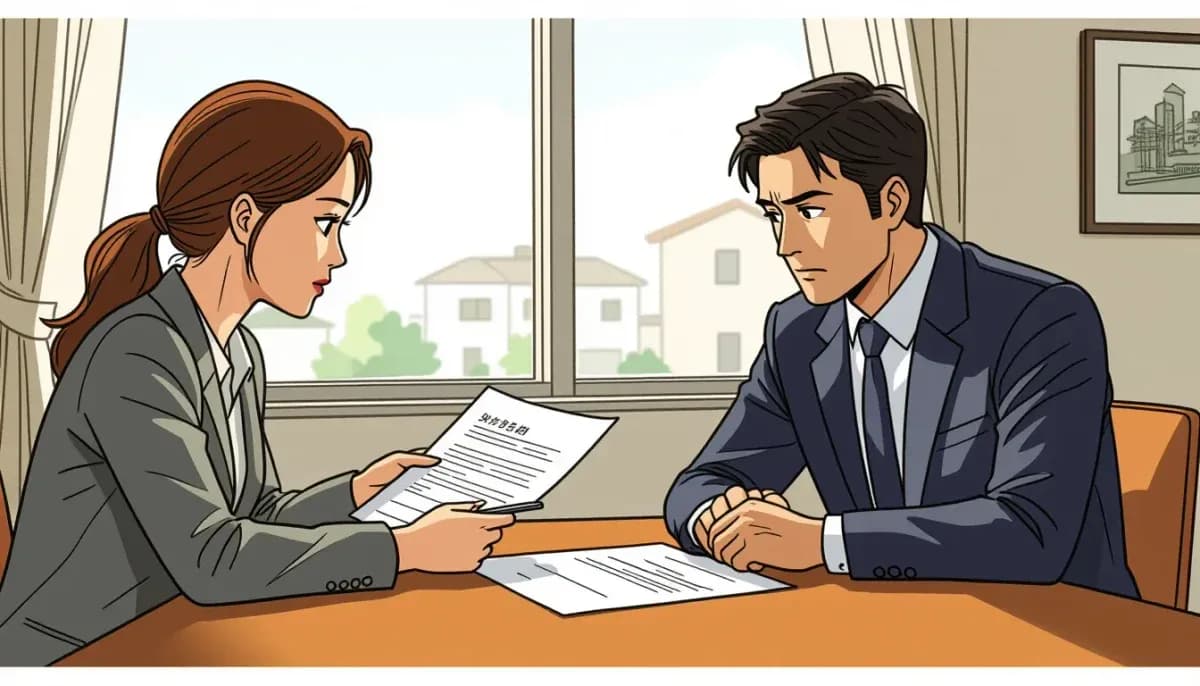
Discover the most common red flags and scams targeting foreigners in Japan's real estate market. Learn how to verify agents, avoid decoy properties, and protect yourself from fraud.
Red Flags and Scams to Watch For with Japan Real Estate Agents
Buying or renting property in Japan is an exciting milestone—but for foreigners, it also comes with real risks. Japan's real estate market has its own rules, customs, and legal landscape, and bad actors know how to exploit the knowledge gap that foreign buyers and renters often have. From decoy listings and unlicensed agents to full-blown title fraud worth billions of yen, the scams are real and the consequences can be severe.
This guide covers the most important red flags to watch for when dealing with Japan real estate agents, the most common scams targeting foreigners, and how to protect yourself before signing anything.
Why Foreigners Are Especially Vulnerable
Japan is generally a safe and law-abiding country, and it ranks 14th globally for rule of law, making contract enforcement relatively reliable. However, foreign buyers and renters face a unique set of challenges:
- Language barrier: Most contracts, legal documents, and official databases are in Japanese only
- Unfamiliarity with local customs: Key money (礼金), guarantors (保証人), and other norms are confusing for newcomers
- Reliance on agents as translators: Gives dishonest agents disproportionate power over the transaction
- Distance: Many foreign buyers purchase property remotely, before arriving in Japan
- Limited verification ability: Checking licenses and registries is harder when you can't read Japanese
These vulnerabilities make foreigners prime targets for everything from petty deception to organized fraud. Understanding the warning signs before you start your property search is essential.
For a broader overview of buying property in Japan, see our Complete Guide to Buying Property in Japan as a Foreigner and our article on Legal Procedures and Documentation for Japan Property Purchase.
The 8 Biggest Red Flags to Watch For
1. Decoy Properties (おとり物件 / Otori Bukken)
One of the most widespread deceptive practices in Japan real estate is the "decoy property" (おとり物件, otori bukken). These are fake or unavailable listings posted online to attract inquiries. When you contact the agent, they say the property has "just been rented" but they have similar options available.
The problem: Decoy listings are illegal under Japan's real estate law, but enforcement is difficult. Industry insiders estimate that as many as 1 in 5 listings on major Japanese real estate portals may be decoy properties.
What to do: Ask the agent to confirm in writing that the property is currently available before making an appointment. A legitimate agent will have no problem doing this.
2. Unlicensed Agents and Fake Companies
All legitimate real estate agents in Japan must hold a 宅地建物取引業免許 (Real Estate Transaction License) issued by the national or prefectural government. The license number must be prominently displayed in their office and on official documents.
Red flags:
- No license number visible on the website or office
- License number doesn't verify on the Ministry of Land, Infrastructure, Transport and Tourism (MLIT) database
- Company name is vague or changes frequently
- No physical office address listed
You can verify any agent's license through the MLIT's official online registry. This takes about five minutes and can save you from disaster.
3. Pressure Tactics and Artificial Urgency
Scam agents—and even some aggressive legitimate ones—use high-pressure tactics to push you into quick decisions:
- "There are three other groups interested in this property right now"
- "The landlord is reviewing applications this evening—you need to decide now"
- "If you don't pay the deposit today, you'll lose it"
Legitimate agents do not create artificial urgency. Japan's real estate market, while competitive in hot areas like Tokyo and Osaka, does not require on-the-spot decisions. If you feel rushed, walk away.
4. Requests for Payment Before Proper Documentation
A major red flag is being asked to pay any kind of fee—deposit, application fee, holding fee, translation fee—before you have seen and verified official registry documents.
Scammers specifically target the pre-contract stage because once money has changed hands, it is much harder to recover. Common demands include:
- "Holding deposits" to "reserve" a property
- "Translation fees" for contract documents
- Upfront "application fees" before any paperwork is signed
Rule: Never pay anything until you have received a verified copy of the property's official registry extract (登記事項証明書) from the Legal Affairs Bureau and confirmed the seller/landlord's identity matches.
5. Communication App-Only Contact and No Physical Presence
Legitimate real estate agencies in Japan have physical offices with a registered address. If an agent only communicates via LINE, WhatsApp, email, or social media and refuses to meet in person or provide a phone number, treat this as a serious warning sign.
This pattern is especially common in pre-arrival scams, which have surged since the post-COVID expat relocation boom. Scammers scrape real photos from major listing sites like SUUMO and HOME'S, repost them at suspiciously low prices on English Facebook groups and expat forums, and then collect deposits from people who haven't seen the property yet.
Verify before you pay: If you are searching for property before arriving in Japan, use established, well-reviewed agencies with verifiable physical offices. Never send money to someone you have only communicated with online.
6. Prices That Are Too Good to Be True
Unusually low rent or purchase prices are the most common red flag in fraudulent Japanese listings. A modern studio in Shibuya for ¥60,000/month or a renovated apartment in Shinjuku for half the market rate is almost certainly a scam or a decoy.
Benchmark prices: Research average rents and property prices on legitimate portals like SUUMO, HOME'S, and Athome before engaging with any listing. If a price is more than 20-30% below comparable properties, investigate thoroughly before proceeding.
Major Real Estate Fraud Cases in Japan
Japan has seen some high-profile, large-scale real estate fraud cases that illustrate how sophisticated these scams can become:
| Case | Year | Amount | Method |
|---|---|---|---|
| Sekisui House Fraud | 2017 | ¥52–65 billion | Forged passport, fake title deeds, impersonation |
| Akasaka Land Fraud | 2013 (arrested 2017) | ¥1.3 billion | Impersonating deceased owner's relatives, forged documents |
| Investment Property Scams | 2020–2024 | Varies | Unlicensed middlemen targeting foreign investors |
The Sekisui House case is particularly instructive: Japan's largest homebuilder lost between ¥52 and ¥65 billion when a fraudster used a forged passport and fabricated title deeds to impersonate a legitimate property owner. The fraud was only discovered when attempting to transfer the title deed. This case demonstrates that even sophisticated institutional buyers can be victimized—individual foreign buyers must be even more vigilant.
Basic due diligence—independently verifying the property registry and cross-referencing the owner's identity—would have prevented this fraud.
Common Scams Targeting Foreign Buyers and Renters
The Cheap Akiya Trap
Japan has millions of abandoned properties (akiya, 空き家) that are often advertised at extremely low prices or even given away. While legitimate akiya opportunities do exist, many listings hide serious problems:
- Demolition requirements: Older wooden structures built before 1981 may not meet current earthquake standards and may require demolition, not renovation
- Rebuilding restrictions: Some rural plots cannot be rebuilt under current zoning laws
- Access issues: Properties with no legal road access cannot be legally developed
- Inheritance disputes: Multiple heirs who haven't agreed to sell can cloud the title
For more information on rural properties, see our guide on Rural and Countryside Properties in Japan for Foreigners.
Title Confusion Fraud
In this scam, a fraudster poses as the legitimate property owner—sometimes by forging identification documents and registry certificates—and sells a property they don't actually own. Buyers pay the "seller" but receive no valid title.
This is more common in:
- Transactions with deceased owners whose estates are in dispute
- Properties where the title hasn't been updated in years
- Remote or rural properties where ownership records are complex
Protection: Always obtain an independent certified registry extract (登記事項証明書) directly from the Legal Affairs Bureau (法務局), not from the agent or seller. Match every name on the registry against verified identification before proceeding.
Investment Property Fraud
Foreign buyers interested in investment properties—particularly those from countries with less transparent real estate markets—may be targeted by:
- Unlicensed "investment consultants" who collect fees for introducing properties
- Fake investment companies offering guaranteed rental returns
- Misleading yield calculations that ignore vacancy rates, management fees, and taxes
Learn more about the true costs in our Hidden Costs and Fees When Buying Property in Japan guide.
How to Verify a Real Estate Agent in Japan
| Check | What to Do | Where |
|---|---|---|
| License number | Verify 宅地建物取引業免許 number | MLIT official database |
| Company registration | Check corporate registration | National Tax Agency registry |
| Property registry | Get independent registry extract | Legal Affairs Bureau (法務局) |
| Owner identity | Match registry names with ID | In person or via notarized ID |
| Agent reviews | Check Google, expat forums | Google Maps, Internations, Tokyo Expats |
Step-by-step verification process:
- Ask the agent for their full license number (e.g., 国土交通大臣(2)第○○○○○号)
- Look up the license on the MLIT database (accessible online)
- Before signing anything, obtain a certified registry extract for the property from the Legal Affairs Bureau
- Confirm the registered owner's name matches the person you are contracting with
- Have all contracts reviewed by a bilingual legal professional before signing
Questions to Ask Your Real Estate Agent
A good real estate agent will welcome questions. A dishonest or incompetent one will become evasive. Ask these before proceeding:
- Can you provide your real estate license number and the name of your licensed agent (宅地建物取引士)?
- Is this property currently available? Can you confirm that in writing?
- Can I obtain an independent property registry extract before paying any deposit?
- What are all the fees I will be expected to pay, and can you itemize them?
- Has this property had any structural inspections? When was the last one?
- Is the property subject to any outstanding liens, mortgages, or legal disputes?
For more guidance on the overall buying process, see our Step-by-Step Home Buying Process in Japan for Foreigners.
Protecting Yourself: Practical Steps
- Use established agencies: Stick to well-known, established agencies with English support and verifiable offices. Companies like those listed on our Complete Guide have track records you can research.
- Hire a bilingual lawyer or judicial scrivener (司法書士): For any property purchase, a professional who can read Japanese legal documents is essential. Don't rely solely on the agent's translation.
- Never skip the property registry check: The official property registry (登記事項証明書) is publicly accessible and tells you who legally owns the property, whether there are any mortgages or liens, and the property's exact legal description.
- Be skeptical of bargains: As a rule of thumb, if a price seems significantly below market, there is a reason—and that reason may be serious.
- Get everything in writing: Verbal promises mean nothing in Japan real estate. All agreements should be documented in writing with official seals (印鑑).
- Understand your rights as a foreigner: Japan has strong property ownership protections for foreigners, but knowing your rights helps you recognize when someone is trying to circumvent them.
Useful Resources
- Finding a Real Estate Agent in Japan: 5 Red Flags to Avoid – apts.jp's guide to spotting problem agents in Tokyo
- Know Your Seller: Fraudsters in Tokyo Real Estate – Housing Japan's detailed analysis of major fraud cases
- How to Avoid Common Real Estate Scams in Japan – Bamboo Routes' comprehensive scam prevention guide
- Living in Nihon – Practical guides for foreigners living in Japan
- For Work in Japan – Resources for foreigners navigating life and work in Japan
- Gaijin Buy House – Dedicated resource for foreigners buying property in Japan
Summary
Japan's real estate market is generally safe and well-regulated, but foreigners face real risks from decoy listings, unlicensed agents, title fraud, and pressure tactics. The most important protective measures are simple:
- Always verify the agent's license through the MLIT database
- Obtain an independent property registry extract before paying any deposit
- Never pay fees before documentation is verified
- Use bilingual legal professionals for any purchase transaction
- Be highly skeptical of prices significantly below market rates
With proper due diligence, buying or renting in Japan can be a smooth and rewarding process. Don't let the fear of scams stop you—just make sure you go in with your eyes open.

Originally from Vietnam, living in Japan for 16+ years. Graduated from Nagoya University, with 11 years of professional experience at Japanese and international companies. Sharing information about buying property in Japan for foreigners.
View Profile →Related Articles

Overcoming Language Barriers with Japan Real Estate Agents
Learn how to overcome language barriers when working with real estate agents in Japan. Bilingual agent tips, English platforms, contract translation advice, and cultural insights for foreigners.
Read more →
Real Estate Agents Specialized in Investment Property in Japan
Find the best real estate agents specialized in investment property in Japan. Learn how to evaluate agents, understand fee structures, compare top agencies, and avoid costly mistakes as a foreign investor.
Read more →
Buying Japan Property Directly Without an Agent: Is It Possible?
Can you buy property in Japan directly without a real estate agent? Learn what's legally possible, where it works, how much you save on commission, and the real risks foreigners face when going it alone.
Read more →
Top Foreigner-Friendly Real Estate Companies in Japan
Find the best foreigner-friendly real estate companies in Japan. Compare English-speaking agencies like Blackship Realty, Real Estate Japan, Mitsui Fudosan, and more to buy property as a foreigner.
Read more →
Types of Real Estate Agency Contracts in Japan
Learn the 3 types of real estate agency contracts in Japan (ippan, sennin, senzoku sennin baikai). Understand REINS, commission fees, enclosure risk, and which contract is right for foreign buyers and sellers.
Read more →
Negotiation Tips When Working with Japan Real Estate Agents
Learn how to negotiate property prices with Japanese real estate agents as a foreigner. Discover timing strategies, cultural tips, and how to get the best deal in Japan's property market.
Read more →